





Victorian Industrial Art
Victorian industrial art brings together the heavy metalwork, practical objects and working scenes of the nineteenth century that collectors acquire for their robust character.
Victorian Industrial Art
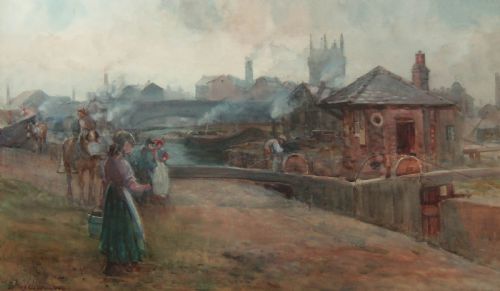
When you search for victorian industrial art, you encounter a varied mix of heavy metalwork, architectural salvage, and paintings depicting the working life of the nineteenth century.
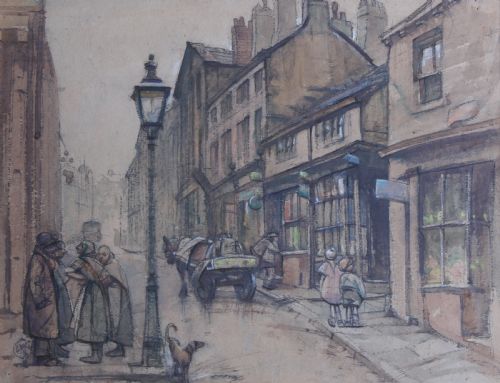
The pieces on this page span from mid-century copper smelting models and architectural lithographs down to early twentieth-century watercolours and cast iron panels.
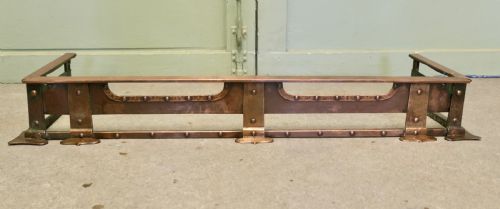
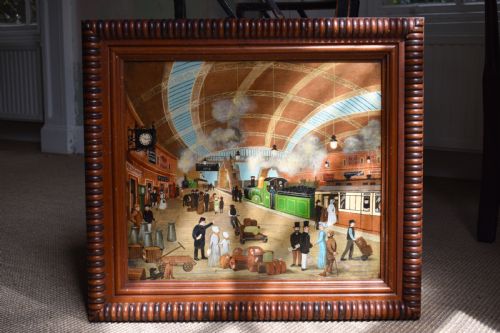
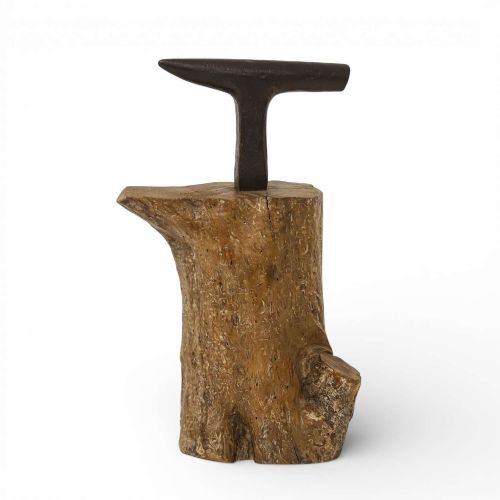
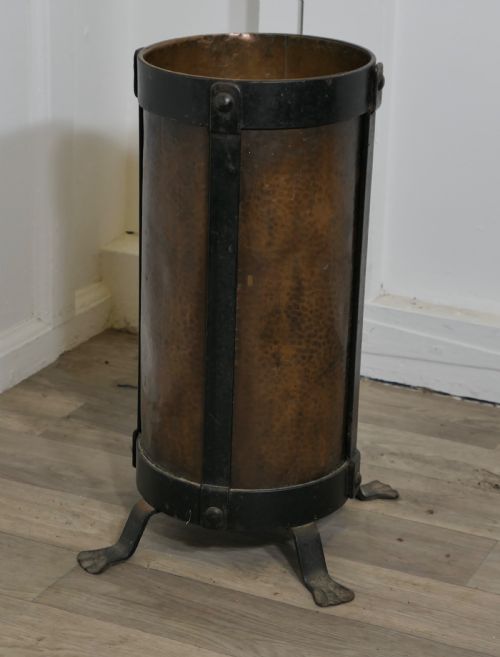
Practical items such as riveted copper fenders, heavy coal boxes, and farrier's anvils appear alongside maritime fairground rides and railway station scenes.
Materials and construction
These pieces rely on industrial metals like copper, wrought iron, and cast iron, often shaped through riveting, casting, and binding.
Paper and glass support the works on paper, lithographs, and architectural plans, while watercolours and oils utilise traditional pigments on board and canvas.
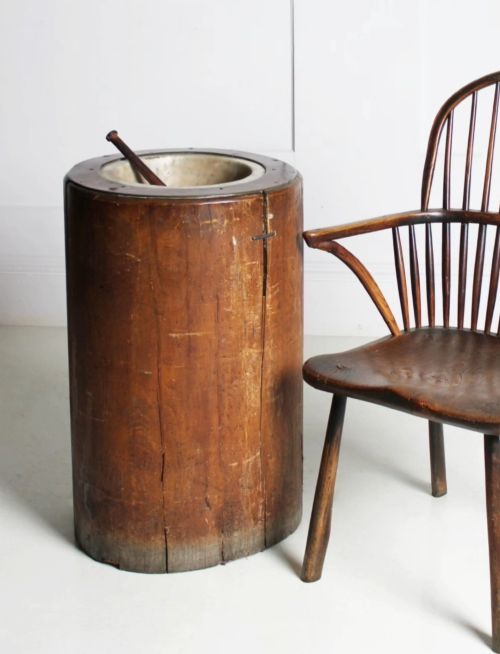
Organic elements appear in fruitwood mounts and wooden trunks that serve as bases for heavy iron implements.
Among the heavy iron and copper sits a bright remnant of a nineteenth-century boat fairground ride.
Judging the range
The distinction between items lies in the directness of their connection to actual industrial labour and the integrity of their materials.
Works on paper and paintings vary according to the precision of the topographical detail and the strength of the artist's hand.
Architectural salvage and metal objects depend upon weight, scale, and the presence of original riveted or forged surfaces.
Arthur Netherwood·Frances E Nesbitt·Herbert John Finn·James W Booth·George Harcourt Sephton
The Victorian Industrial Art Glossary
- Architectural salvage
- Building elements removed from structures for reuse or display. These panels and ceiling roses carry the imprint of nineteenth-century engineering.
- Lithograph
- A print made from a flat stone or metal plate. This technique produced detailed architectural plans and town views.
- Spelter
- An alloy of zinc used as a cheaper alternative to bronze. It forms figures and lamp bases with metallic patination.
- Vernacular piece
- An object made by an anonymous craftsman for practical local use. These items lack academic polish but possess strong sculptural presence.
Victorian Industrial Art: Frequently Asked Questions
What is Victorian industrial art?
It encompasses objects, paintings, and architectural salvage connected to the manufacturing, transport, and labour of the nineteenth century.
These pieces range from heavy iron coal boxes and copper fenders to topographical watercolours of docks and quarries.
How were these metal objects used?
Many served practical functions in domestic and industrial settings, such as holding fuel, mounting tools, or protecting hearths.
Others, like architectural panels and ceiling roses, formed part of the built environment before removal.
Where should I place industrial art?
Their heavy materials and dark patinas suit rooms with neutral walls and plain stone or wooden floors.
They provide a strong textural contrast when paired with lighter contemporary furnishings.
How do I date these pieces?
Dating relies on the materials, the style of the handwork, and inscriptions on paintings or lithographs.
Industrial items often display manufacturing methods particular to the mid-to-late nineteenth century.