




English Impressionist Art
English impressionist art captures the fleeting qualities of light and weather across rural landscapes and coastal scenes from the late nineteenth century into the mid-twentieth century.
English Impressionist Art
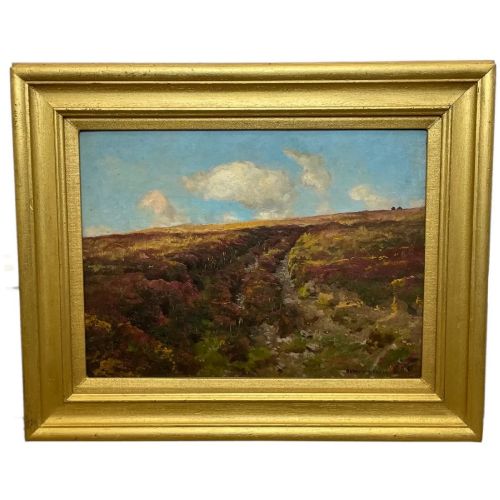
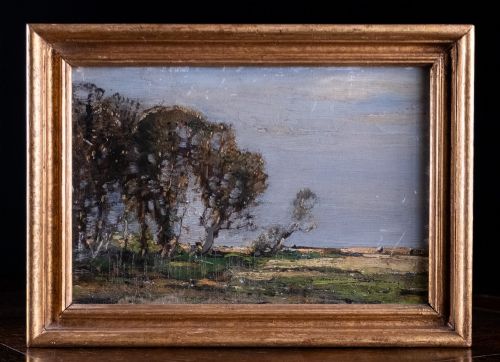
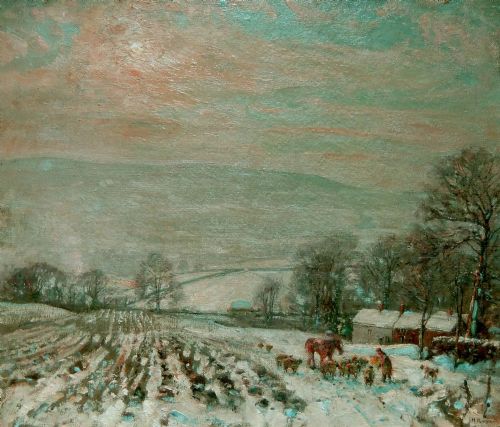
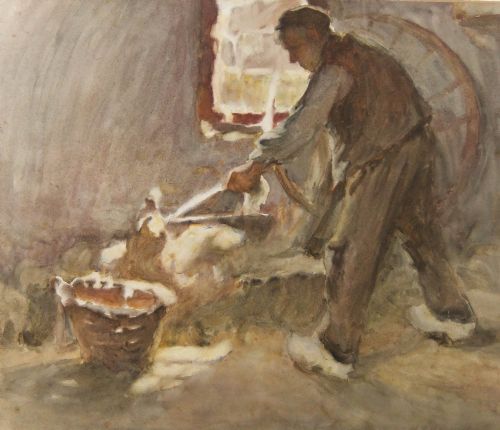
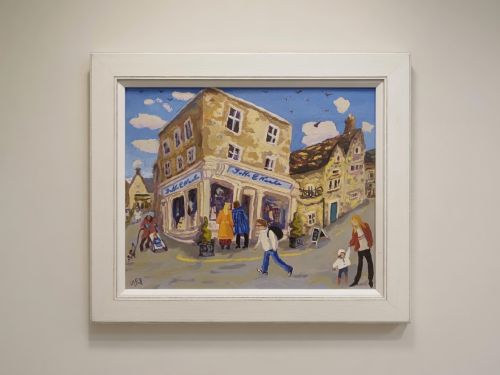
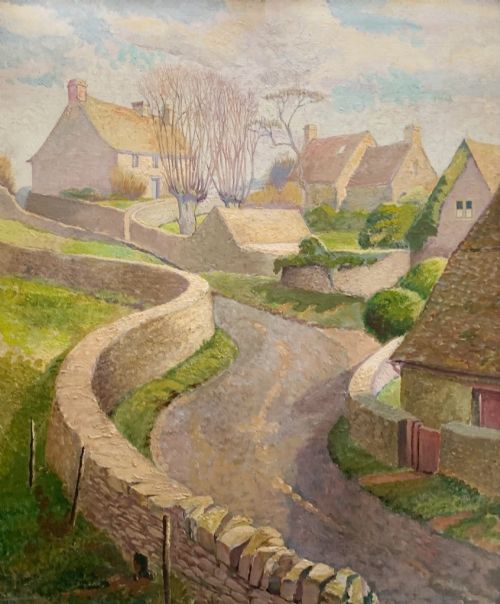
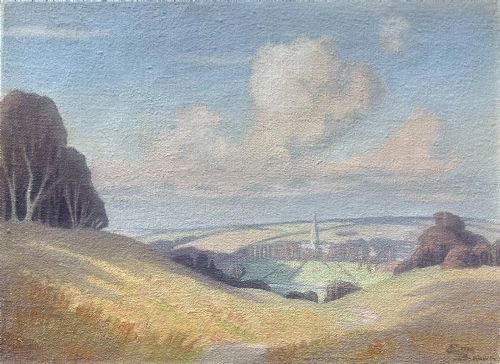
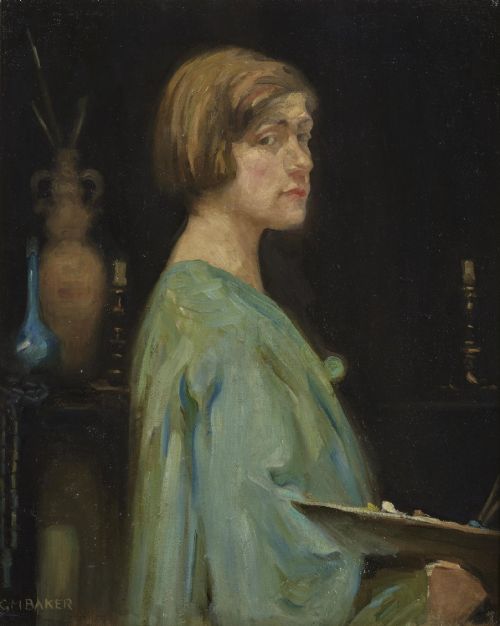
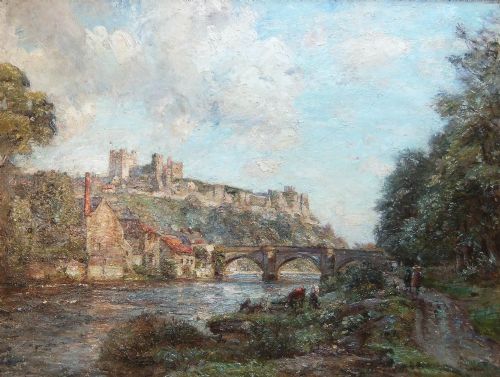
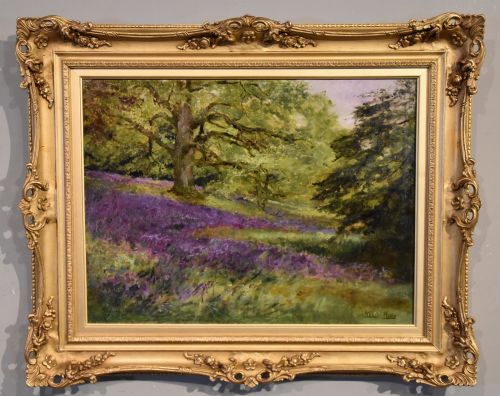
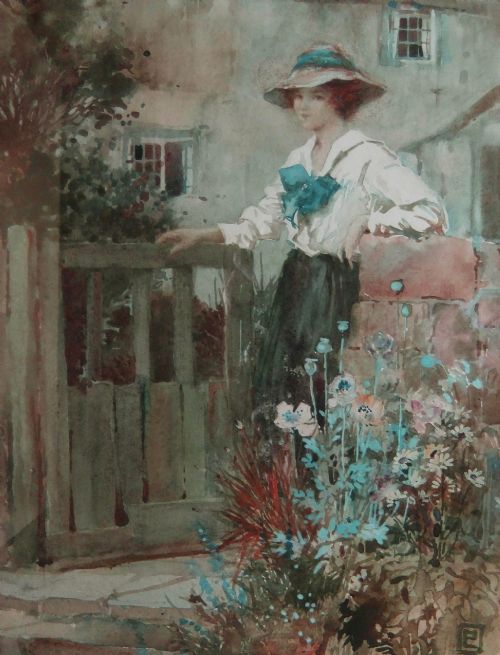
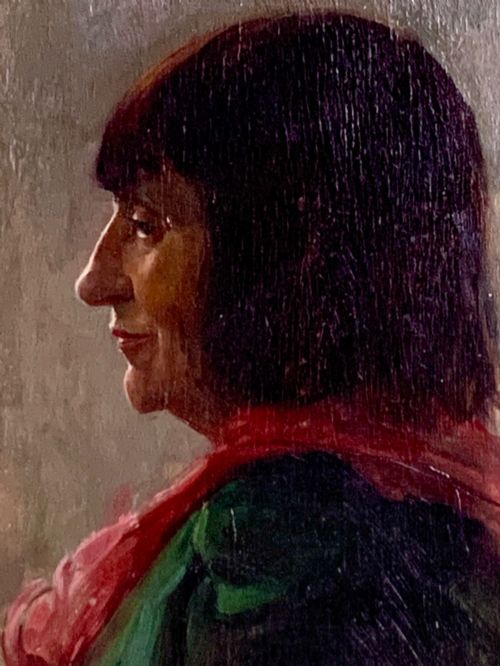
When you search for english impressionist art, you encounter a selection of oil paintings, watercolours, and works on panel depicting pastoral views, village streets, and coastal harbours. The pieces on this page span from the Edwardian era and the 1900s through the 1920s, 1930s, and 1940s into the mid-twentieth century.
The subjects focus heavily on regional topography, capturing Yorkshire dales, Cornish fishing ports, and West Country landscapes through spontaneous brushwork and naturalistic palettes. You are most likely to meet modest cabinet-sized oils on board or canvas alongside detailed watercolours that record local light and atmospheric conditions.
How They Were Made
Artists painted primarily with oil paint or watercolour applied to prepared canvas, wood panel, board, or heavy paper. The technique relies on direct observation, using visible brushstrokes to render the play of sunlight and shadow outdoors.
Supports varied according to the painter's preference for studio or plein air work, with portable wooden panels and canvas boards suiting painters who worked directly from nature in the Yorkshire dales or along the coast.
Listings feature canvases, wood panels, and watercolours dating from the Edwardian period through the 1950s.
What Varies in Quality
Quality rests on the confidence of the brushwork and the artist's ability to capture atmospheric depth within a landscape. The upper tier displays a sure handling of light and pigment that brings immediate vitality to a simple farmyard or river view.
Compositional strength and the convincing rendering of local light separate the more accomplished paintings from standard topographical records. The finest examples convey a distinct sense of place through economy of stroke and balanced colour.
George Graham·Arthur Wardle·Kershaw Schofield·Herbert Royle·William Banks Fortescue·Henry Silkstone Hopwood·Lucy Pratt·Eric Brown·Gladys Marguerite Baker·Henry Yeen King·Percy Lancaster·Florence Adelina Hess·John Horace Hooper·Hubert Wellington·Edgar Woollatt·Joseph Edward Hennah·Charles Walter Simpson·Harry Freckleton·Sir David Murray·William JB Jenkins·Ernest Higgins Rigg·Arthur Reginald Smith·Fred Lawson·Reginald Grange Brundrit·Arthur Tucker
The English Impressionist Art Glossary
- Plein air
- Painting outdoors directly from nature to capture immediate effects of light and weather. This method defined the impressionist approach to recording rural scenery.
- Oil on board
- Pigment applied to a rigid wooden or composition board rather than stretched canvas. This surface was popular among landscape painters for its portability.
- Watercolour
- Pigment suspended in water-based solution applied to paper. It allows for translucent washes that record quick shifts in atmospheric tone.
- Wood panel
- A flat wooden support used frequently for small-scale paintings. Artists valued its stability and smooth texture for detailed brushwork.
- Provenance
- The documented history of a piece's ownership and origin. Studio sales and exhibition records help confirm a work's background.
English Impressionist Art: Frequently Asked Questions
What defines english impressionist art?
These works capture natural light and everyday scenery using loose brushwork and direct observation.
The style emerged around the turn of the twentieth century and continued through the mid-century decades.
Where were these paintings created?
Artists travelled across regional landscapes, setting up their easels in Yorkshire, Cornwall, Dorset, and along various river valleys.
Rural farmyards, village streets, and coastal cliffs provided the primary subjects for these plein air compositions.
How should I frame an oil painting?
Traditional wood frames suit these period works by providing structural support and framing the composition without distraction.
Many pieces retain their original or period-appropriate frames which complement the palette of the canvas.
Are watercolours as durable as oils?
Watercolours require protection behind glass to prevent moisture damage and fading from direct sunlight.
When properly glazed and kept away from damp walls, these paper-based works remain stable for generations.