

Victorian Howard and Sons
Victorian Howard and Sons pieces are substantial English seating and case furniture built for comfort and durability.
Victorian Howard and Sons
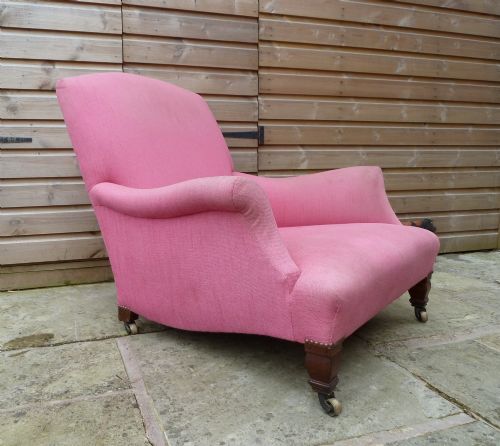
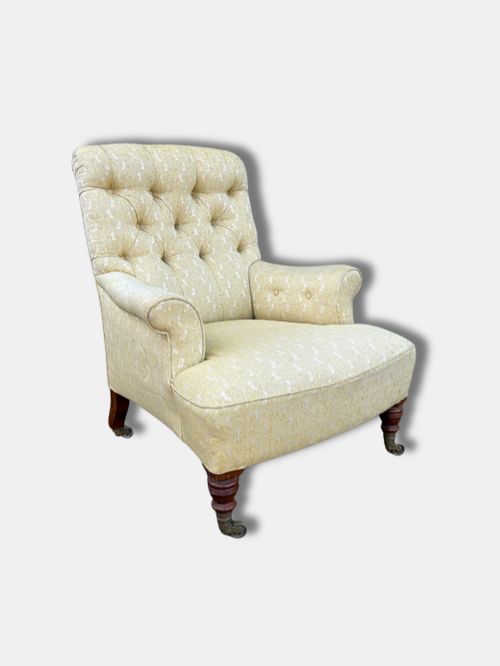
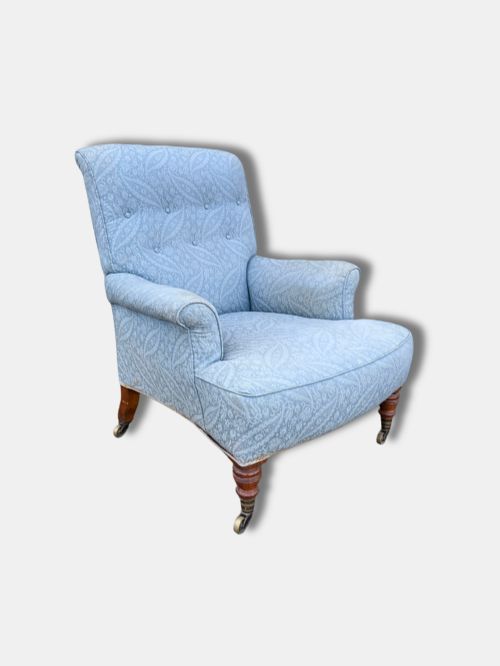
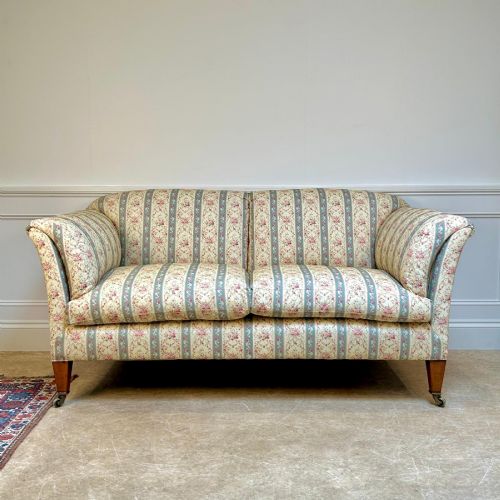
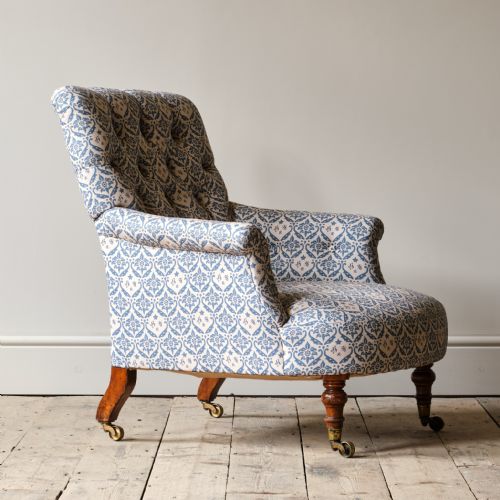
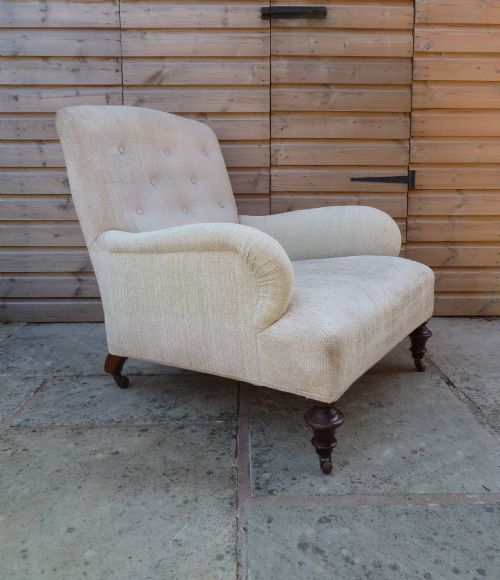
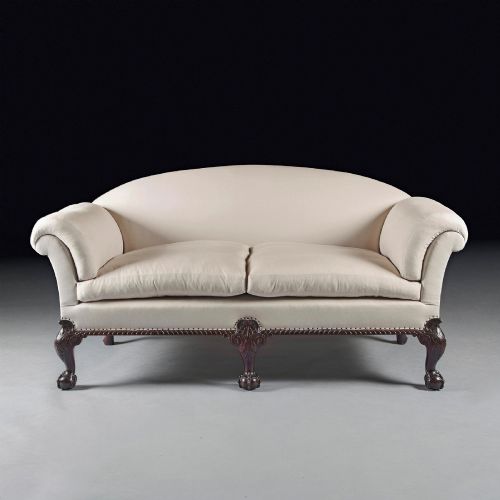
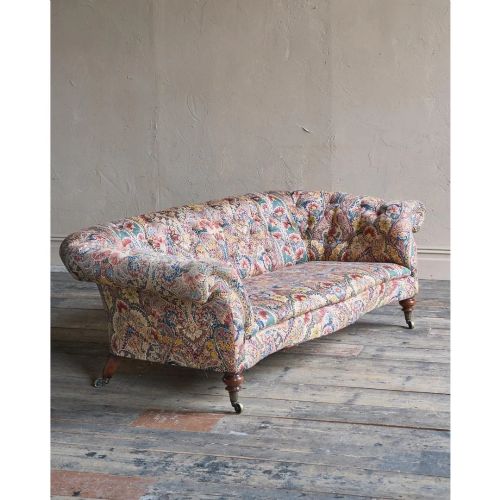
When buyers search for victorian howard and sons, they look for upholstered seating, writing tables, and storage furniture originating from the nineteenth century. The most common forms met on this page are armchairs, sofas, and chaise longues, often defined by deep seats and sprung construction.
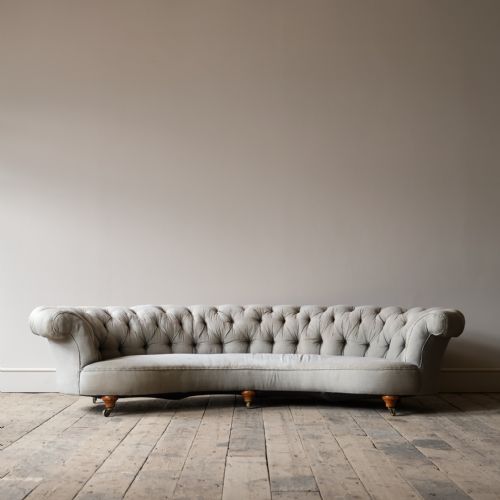
The evidence shows work ranging from the mid nineteenth century through the Edwardian period, encompassing specific models such as the Bridgewater armchair, the Grafton armchair, and the Crescent Chesterfield sofa. Alongside upholstered items, the listings include occasional case pieces like mahogany writing tables and walnut chests of drawers.
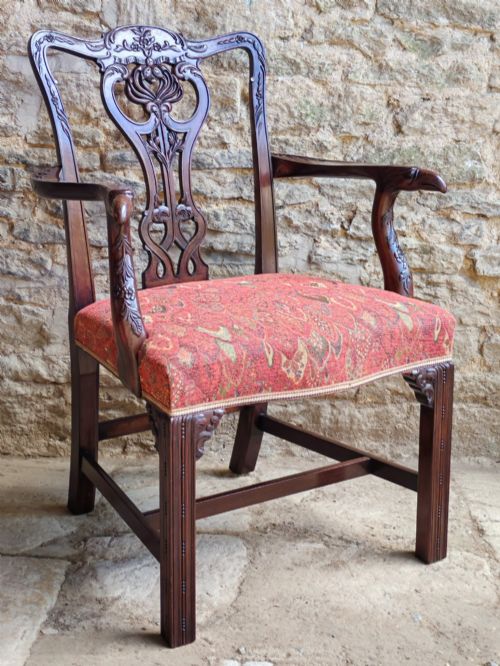
Many examples are explicitly attributed or stamped, while others follow the distinctive aesthetic under a style designation. Pieces span domestic forms designed for country houses, ranging from library chairs to bedroom seating.
How they were made
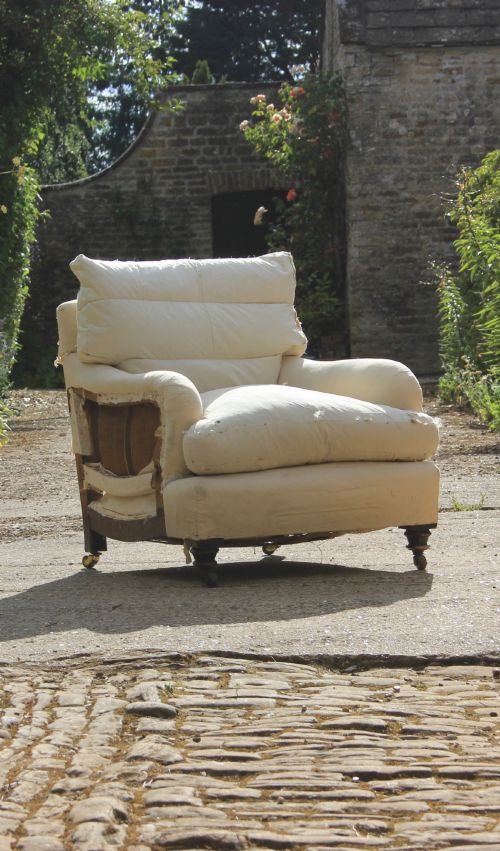
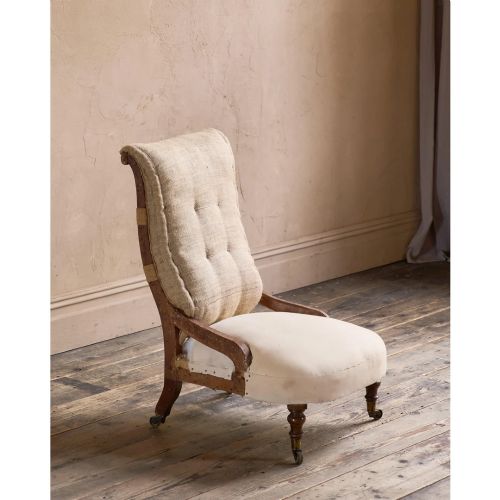
Construction relies upon solid timbers such as mahogany, walnut, oak, and hardwood for frames and tables, paired with internal stuffing materials including calico and hessian. Brass components appear on castors and hardware, supporting heavy upholstered forms.
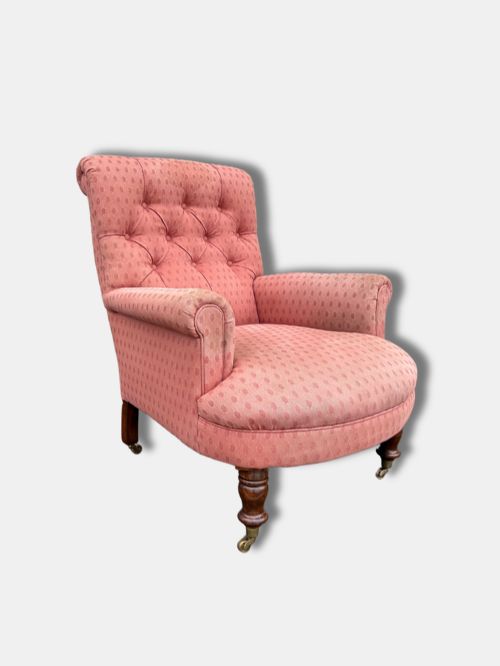
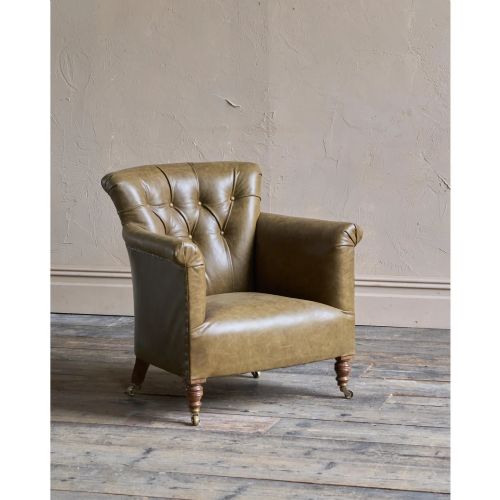
Upholstery techniques utilise button back padding and traditional springing to achieve deep, resilient comfort. Woodwork incorporates turned legs, gun barrelled columns, and occasional faux bamboo detailing.
Listings incorporate brass, fabric, mahogany, wood, calico, walnut, hessian, and hardwood.
What varies in quality
Quality separates documented maker-stamped furniture and attribution pieces from items produced merely in the general style of the workshop. The integrity of the original timber frame and the retention of period internal stuffing dictate the standard of survival.
Refinement shows in the precision of turned wooden legs, the condition of brass castors, and the handling of secondary woods like Oregon pine or rosewood. Maker marks and stamps provide the clearest distinction between factory output and contemporary copies.
Howard and Sons·Trollope and Sons London
The Victorian Howard and Sons Glossary
- Calico
- A plain-woven cotton fabric used historically as an inner lining or upholstery base beneath outer decorative covers. It provides structural support for stuffing materials.
- Hessian
- A coarse woven fabric, typically made from jute fibres, employed in traditional upholstery for webbing and internal padding containment.
- Bridgewater armchair
- A specific nineteenth-century seating form associated with deep upholstery, low arms, and turned front legs.
- Chesterfield sofa
- A padded settee featuring rolled arms and deep buttoning across the backrest.
- Chiffonier
- A compact sideboard or cabinet combining shelving and enclosed storage, frequently rendered in Victorian rosewood or walnut.
Victorian Howard and Sons: Frequently Asked Questions
How do I identify genuine pieces?
Authentic items often carry maker stamps on the wooden frame or brass castors, alongside characteristic internal construction methods using hessian and calico webbing.
Compositions follow nineteenth-century proportions and joinery standards, distinguishing them from later revivals.
Where were these pieces used?
Furniture from this firm populated English country houses, libraries, and drawing rooms during the Victorian and Edwardian eras.
Seating was specifically engineered for domestic leisure, reading, and extended daily use.
What is the Bridgewater model?
The Bridgewater is a distinct armchair design featuring low, recessed arms and deep sprung seating supported on turned front legs.
It represents a benchmark of nineteenth-century domestic comfort.
Are all items fully upholstered?
While armchairs and sofas dominate the listings through fabric and leather upholstery, the maker also produced case furniture.
Writing tables, chiffoniers, chests of drawers, and bookcases showcase hardwood and walnut construction without padding.