







Victorian Horse Carriage
These Victorian horse carriage pieces bring nineteenth-century transport and coaching life into focus through oil paintings, brass lamps, and watercolours.
Victorian Horse Carriage
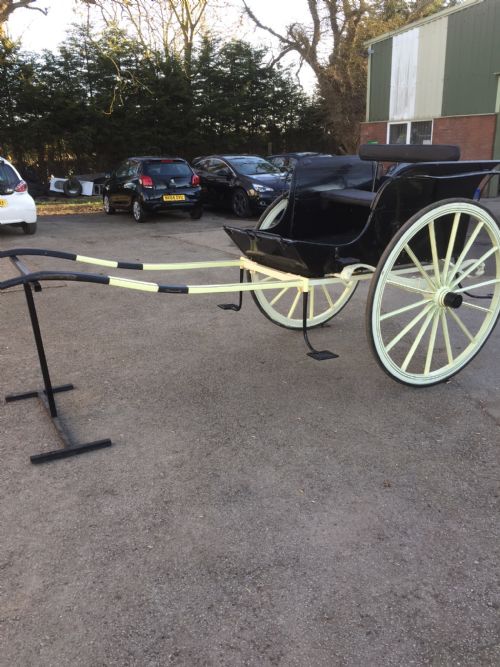
A Victorian horse carriage search brings up a distinct mix of nineteenth-century oil paintings, watercolours, prints, and brass lighting. Buyers encounter coaching scenes, mail coaches in snow, and rural travels alongside pairs of coaching lamps.
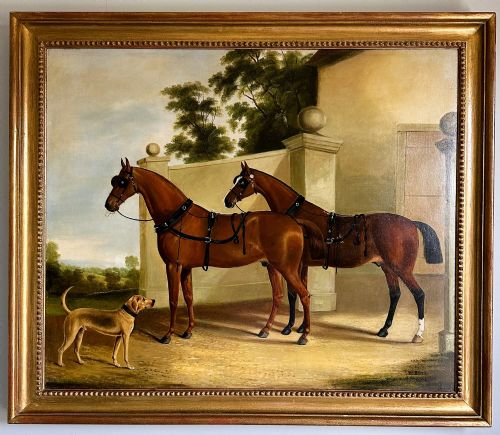
The oil paintings capture horses, stagecoaches, and winter road journeys by named artists from the nineteenth century. Scale models and carriage lamps complete the physical record of horse-drawn transport.
Most pieces date across the nineteenth century, with Victorian coaching lamps and carriage lighting appearing frequently alongside canvas works. These objects reflect both the practical gear of horse transport and the artistic fascination with the road.
Materials and construction
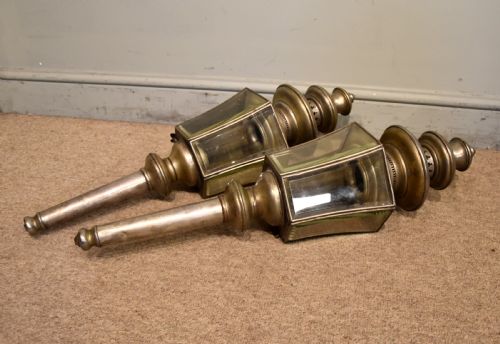
The physical items rely heavily on brass, cast iron, and glass for the carriage lamps, shaped to withstand outdoor travel and carriage mounting. Oil on canvas and watercolour on paper form the visual record, executed with ink and framing materials.
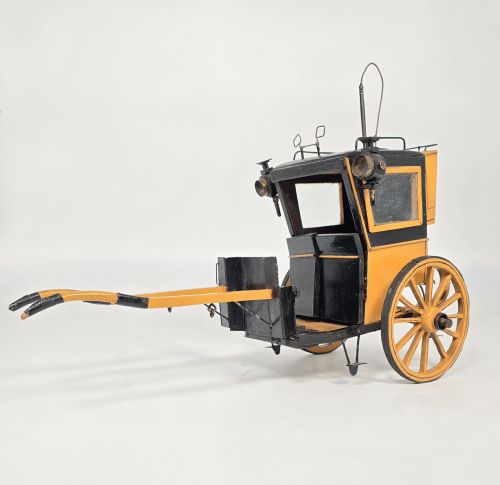
Wood and gilt wood support the frames, while scale models utilise varied structural materials to replicate the form of a Hansom cab. Each medium reflects the specific demands of nineteenth-century illumination and fine art.
Victorian Horse Carriage Retail Price Guide 2026
Typical asking prices for victorian horse carriage among the pieces listed under this phrase on Sellingantiques today, from the lower quarter to the upper quarter. They describe what is for sale here now, not the wider market.
A scale model of a Hansom cab brings nineteenth-century gridlock into miniature focus.
Assessing quality and finish
Quality in the oil paintings rests upon the handling of horses, snow effects, and movement by established nineteenth-century artists. Stronger canvases show detailed brushwork in the horses and atmospheric depth in weather scenes.
For carriage lamps, the preservation of the brass, cast iron, and original glass panes determines the standard. Finer lighting pairs retain their structural integrity and metal patination without excessive replacement parts.
Albert Ludovici Jnr·William Manners·John Charles Maggs·John Richard Worsdale·Henry Jacot
The Victorian Horse Carriage Glossary
- Carriage lamp
- A specialised lighting fixture mounted to the exterior of a horse-drawn vehicle to illuminate the road. These brass and glass items were built to burn oil during night travel.
- Coaching painting
- An artwork depicting stagecoaches, mail coaches, or horses on nineteenth-century routes. These oils and watercolours often focus on winter weather or coaching clubs.
- Hansom cab
- A type of two-wheeled horse-drawn urban taxi popular in the nineteenth century. Scale models replicate their specific enclosed passenger layout.
- Lithograph
- A printmaking technique used to produce detailed colour images such as coaching club meets on paper. It allows multiple impressions from a single prepared stone or plate.
Victorian Horse Carriage: Frequently Asked Questions
What are coaching lamps?
Coaching lamps are heavy brass and glass fixtures designed to mount on the sides of nineteenth-century horse-drawn vehicles. They provided necessary illumination for night travel along dark roads.
Today, pairs of these lamps serve as decorative wall lights or interior display pieces that retain their original industrial character.
Who painted nineteenth-century coaching scenes?
Artists such as John Charles Maggs specialised in detailed oil paintings of mail coaches, stagecoaches, and winter snowstorms. Their works record the reality of horse transport before the spread of the railways.
Other painters like Albert Ludovici Jnr captured street life and cab travel in urban settings like Paris.
How should I display carriage lamps?
Carriage lamps look best mounted securely on walls where their brass surfaces and glass panels catch the light. They suit traditional hallways, studies, or rooms dedicated to equestrian history.
Ensure the wall fixings can support the combined weight of the brass and cast iron construction.
What subjects appear in these paintings?
The artworks focus on mail coaches caught in snowstorms, horses on rural routes, and sporting gatherings like the Four-in-Hand Club meet. Winter scenes with horses and stagecoaches form a major part of the imagery.
These visual records capture the texture of nineteenth-century travel and carriage operation.