



Victorian Highback Seat
These victorian highback seat examples are substantial nineteenth-century seating pieces designed to command a room and provide shelter from drafts.
Victorian Highback Seat
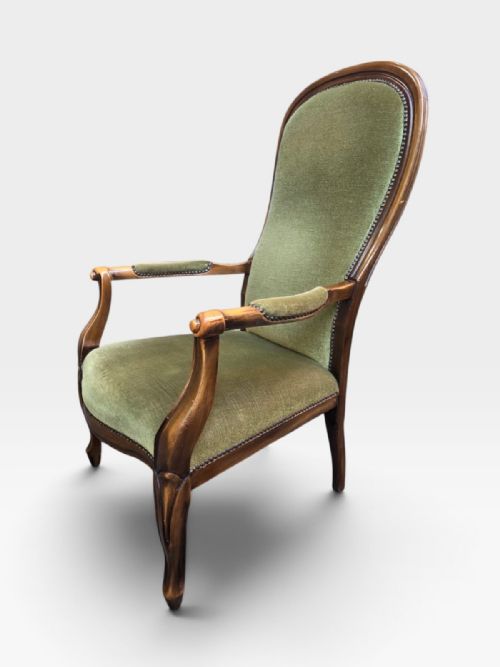
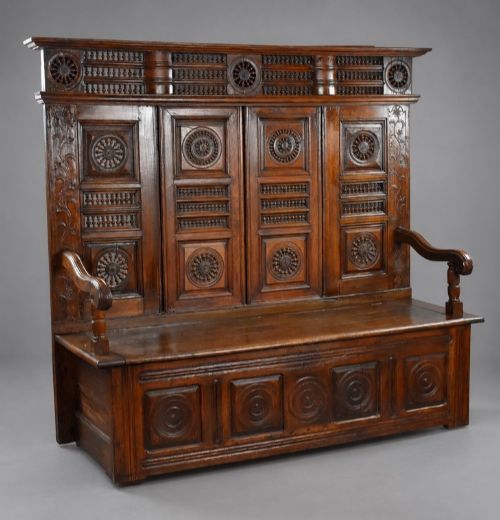
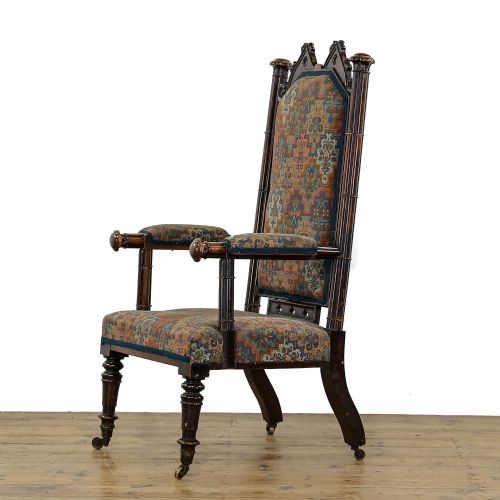
A victorian highback seat encompasses an eclectic mix of forms, ranging from imposing settles with solid panelled backs and storage boxes to carved throne chairs and upholstered fireside armchairs. These pieces emerge predominantly from the nineteenth century, including Victorian creations alongside revival iterations reflecting Jacobean and Gothic tastes.
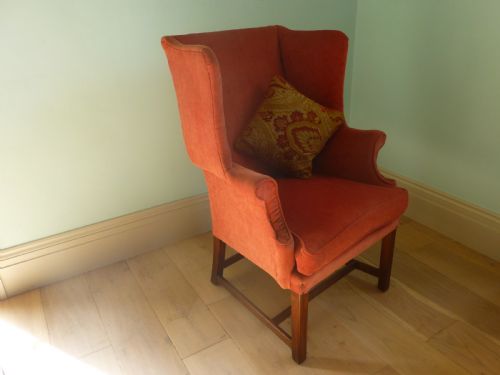
Buyers frequently encounter wooden hall benches and settle variants alongside deep-sprung wing chairs and dining chairs designed with elevated backrests. The selections span sturdy elm and oak constructs to mahogany frames dressed in fabric, leather, or velvet upholstery.
Origins stretch across British craftsmanship periods, capturing the heavy architectural influences of Gothic revival alongside the simpler utility of rustic farmhouse seating and Regency porters chair designs.
How they were made
Construction relies heavily on dense timbers such as solid oak, mahogany, elm, and general timber framing, often joined with traditional cabinetmaking techniques to support heavy highback structures. Carved details define the wooden settles and Gothic chairs, utilising hand-chiselled panelling and applied mouldings.
Upholstered variants incorporate textiles like chenille twill, velvet, fabric, and brown leather, secured with brass detailing and supported by internal padding. Frames are further articulated with turned wooden components and cane inserts where specified by the design style.
Victorian Highback Seat Retail Price Guide 2026
Typical asking prices for victorian highback seat among the pieces listed under this phrase on Sellingantiques today, from the lower quarter to the upper quarter. They describe what is for sale here now, not the wider market.
What varies in quality
Depth of carving and clarity of stylistic execution separate standard workshop output from exceptional revival pieces, particularly on Gothic and Jacobean inspired frames. Timber selection heavily dictates baseline quality, moving from utilitarian elm farmhouse boards to finely figured mahogany and quarter-sawn oak panels.
The integrity of the original structure, whether a lidded storage box on a settle or the joinery of a tall wingback frame, dictates the durability and historical consistency of the piece. Upholstery standard and the preservation of original leather or fabric surfaces also define the upper tier of surviving examples.
The Victorian Highback Seat Glossary
- Settle
- A wooden bench featuring a high solid back designed to block draughts, frequently built with a box compartment beneath the seat for storage.
- Gothic Revival
- An architectural and decorative style drawing inspiration from medieval forms, characterised by pointed arches, heavy tracery, and dark carved timber.
- Wing Back
- An armchair style featuring protective side panels attached to the armrests, originally engineered to shield the occupant from fireplace drafts.
- Jacobean Style
- A British design aesthetic from the early seventeenth century revived during the Victorian era, noted for geometric panelling, turned spindle legs, and austere rectilinear proportions.
Victorian Highback Seat: Frequently Asked Questions
Where were settle benches used?
Settles typically stood in the draughty hallways, kitchens, and parlours of period homes where high solid timber backs provided essential shelter against cold air currents.
The built-in storage boxes beneath the seats also served a practical domestic purpose for keeping blankets, boots, or household goods close at hand.
How do I identify Gothic revival features?
Gothic revival pieces display architectural motifs borrowed from medieval stone buildings, such as pointed arches, quatrefoil cutouts, and deeply carved tracery panels.
These elements appear primarily on nineteenth-century oak and elm chairs designed to project an air of solemn historical authority.
What is a porters armchair?
Porters armchairs feature enclosed hooded or high-winged leather designs originally used by hall porters stationed near drafty entrance doors to monitor visitors.
The enclosed hood trapped body heat and blocked incoming winds from chilling the attendant seated inside.
Can I mix these chairs with modern decor?
These high-backed forms naturally act as sculptural focal points in contemporary rooms, providing strong vertical lines and rich dark timber textures against neutral walls.
Pairing a substantial Victorian settle or wing chair with minimalist surroundings allows the historic carving and textile details to stand out without visual clutter.