





Victorian Heavy Oak Table
A victorian heavy oak table brings solid construction and rich timber grain to a room, offering durability alongside period character.
Victorian Heavy Oak Table
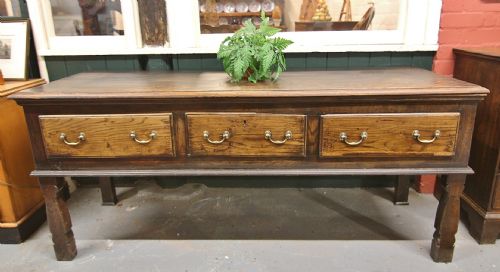
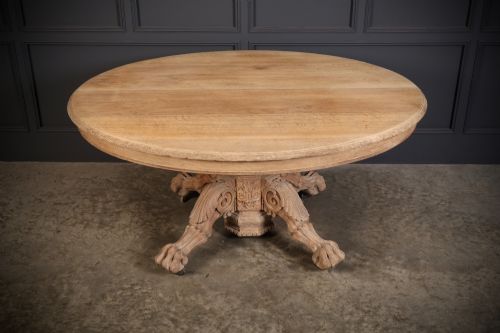
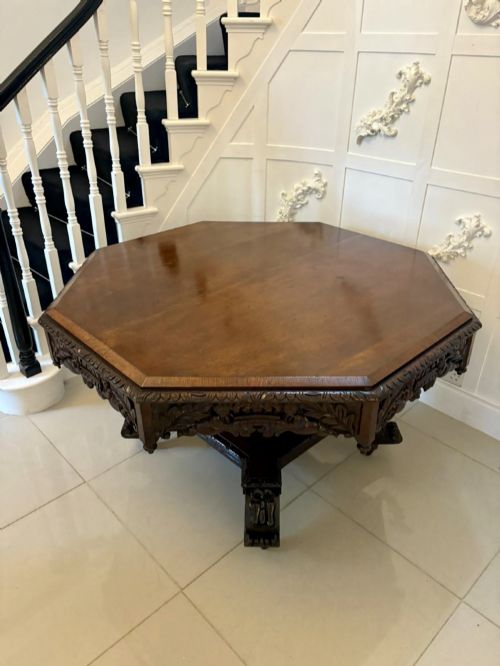
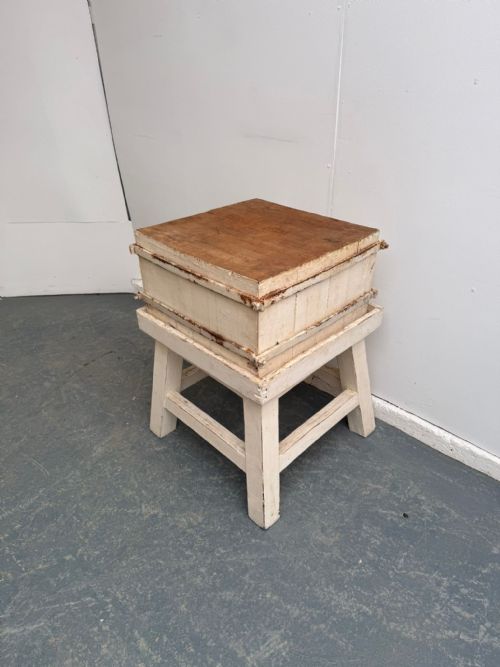
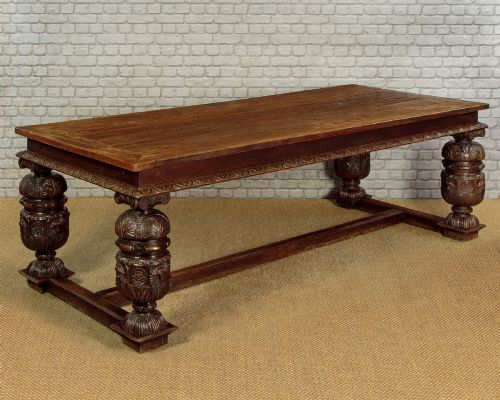
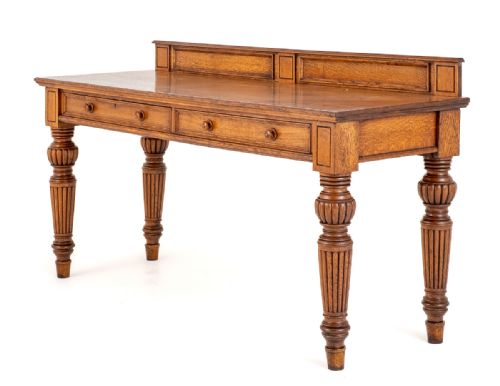
When searching for a victorian heavy oak table, buyers encounter robust furniture designed for utility and formal display, spanning dining tables, centre tables, refectory forms, and butchers blocks. These pieces originate from the nineteenth century, including specific dates from the eighteen-sixties through to nineteen-hundred, alongside styles like Jacobean Revival and Gothic Revival.
The most common forms on this page are substantial dining tables and centre tables, often featuring carved details and sturdy timber construction. Alongside standard oak, some examples incorporate bleached oak, red walnut, cast iron, and metal elements to achieve their distinctive weight and presence.
Materials and construction
Construction relies heavily on solid oak and hardwood timbers, frequently enhanced by intricate carving and robust joinery suited to heavy daily use. Iron and cast iron components appear in specialised structural elements, adding industrial strength to long tables.
Surface treatments vary from natural timber finishes to bleached oak and painted surfaces, while secondary woods like red walnut are integrated into specific refectory forms.
Victorian Heavy Oak Table Retail Price Guide 2026
Typical asking prices for victorian heavy oak table among the pieces listed under this phrase on Sellingantiques today, from the lower quarter to the upper quarter. They describe what is for sale here now, not the wider market.
Listings feature nineteenth-century dates spanning from 1860 to 1920, utilising oak, hardwood, iron, and cast iron.
Judging quality in heavier timber furniture
Quality rests in the depth of the timber carving and the architectural ambition of the design, distinguishing standard utility pieces from grand revival examples. Elaborate Gothic or Renaissance revival detailing requires superior artisan skill compared to plain structural framing.
The integration of mixed materials, such as cast iron fittings paired with thick oak boards, demonstrates purposeful engineering designed to handle substantial weight and sustained use over generations.
The Victorian Heavy Oak Table Glossary
- Refectory table
- A long, narrow dining table traditionally used for communal meals. These pieces often feature stretcher bases for added stability.
- Centre table
- A freestanding table designed to be viewed from all sides, placed in the middle of a room rather than against a wall.
- Butchers block
- A heavy-duty work table constructed from thick end-grain timber blocks. They were originally utilised for food preparation.
- Bleached oak
- Oak timber treated to lighten its natural colour while retaining the grain pattern. This treatment creates a lighter appearance on nineteenth-century surfaces.
Victorian Heavy Oak Table: Frequently Asked Questions
Where were these heavy tables used?
These sturdy tables served functional roles in large dining rooms, halls, and kitchens. Their robust build suited them for communal dining and heavy daily preparation tasks.
Industrial and domestic spaces both utilised these forms, ranging from ships tables with cast iron supports to grand monastery dining tables.
How do I care for an oak table?
Maintain the timber by keeping it away from direct heat sources and sudden humidity changes. Regular dusting and occasional waxing preserve the finish.
Avoid harsh chemical cleaners on antique timber surfaces to protect the original patina and grain structure over time.
What styles appear in these listings?
The selection includes Jacobean Revival, Gothic Revival, and rustic country styles alongside standard Victorian designs. These revival movements draw upon earlier architectural motifs.
Carved details and heavy proportions define the aesthetic of these pieces, reflecting nineteenth-century interest in historical furniture forms.
Are these tables suitable for modern dining?
Their substantial size and solid timber construction make them practical choices for contemporary dining spaces. The heavy frames provide excellent stability.
Buyers should measure room dimensions and clearance carefully, as these heavy tables require adequate space for comfortable seating.