





Victorian Hearth Standing Screen
A Victorian hearth standing screen keeps the warmth of the fire at bay while offering a handsome piece of period craft to the room.
Victorian Hearth Standing Screen
When searching for a victorian hearth standing screen, you are looking at nineteenth-century furniture designed to shield the face from the fierce heat of an open coal fire. These pieces range from static frames placed upon the floor to adjustable pole screens that allow the user to angle the panel as required.
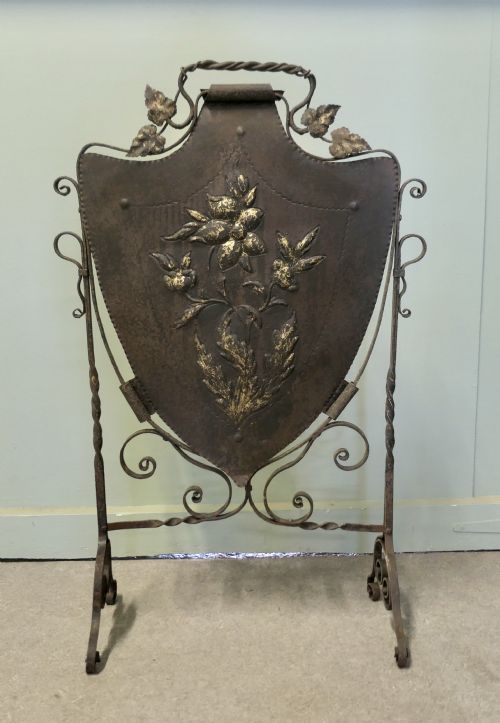
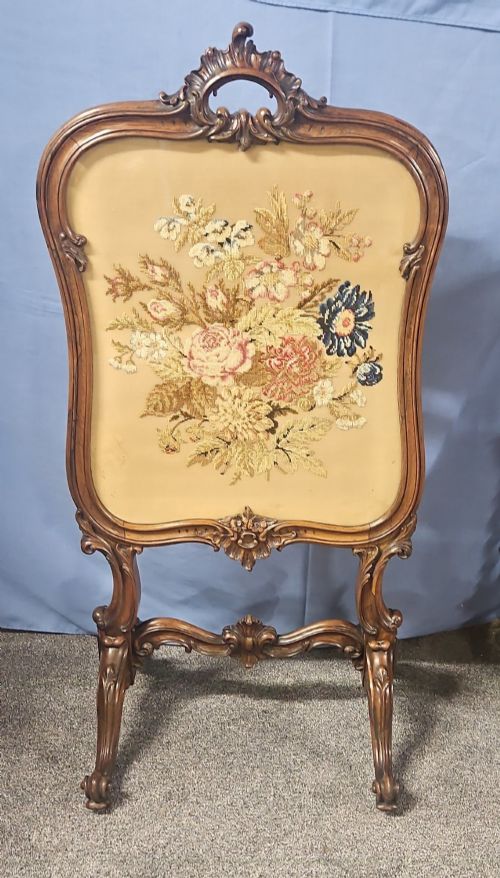
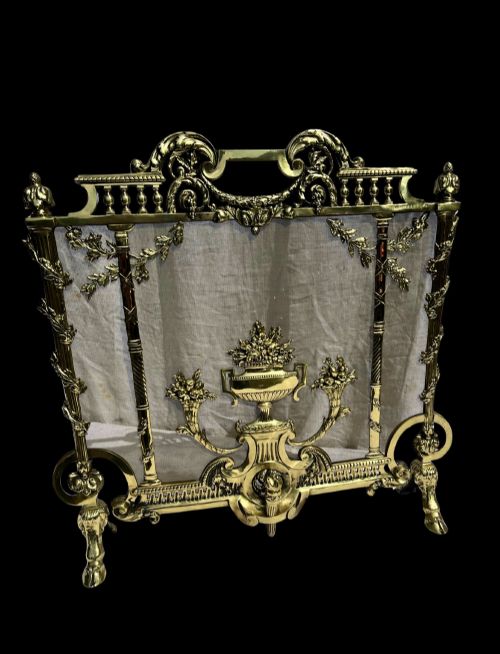
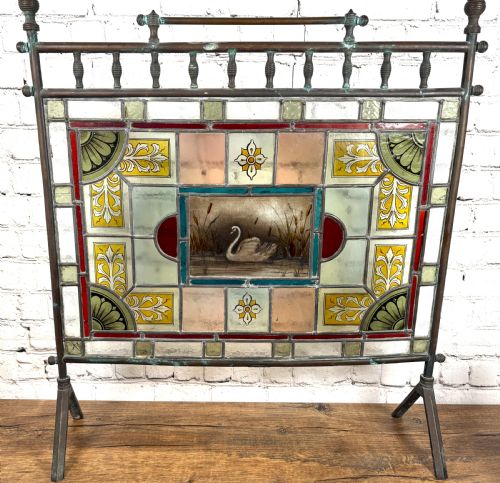
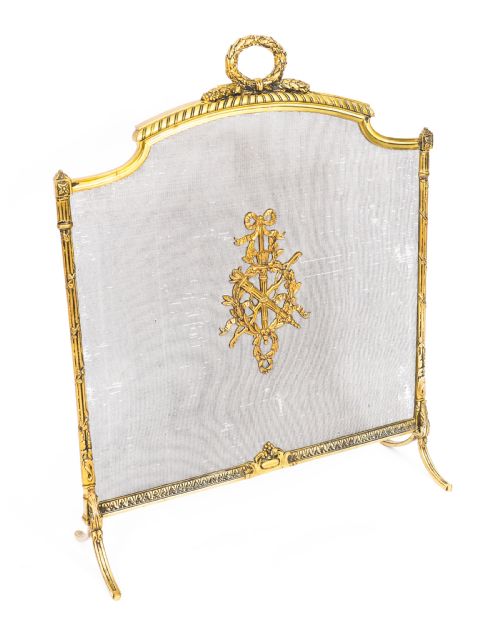
The versions you are most likely to meet on this page include mahogany, rosewood, and walnut frames supporting embroidered needlework panels, alongside polished brass guards and stained glass fireguards. Many examples date from the Victorian period, with earlier Regency and William IV forms also appearing.
Such objects functioned as both practical shields and decorative focal points for the parlour or drawing room. They demonstrate the era's taste for detailed textile work mounted within substantial timber or metal supports.
How they were made
Timbers such as mahogany, rosewood, satinwood, walnut, and oak form the structural frames and turned poles, often carved with considerable detail. Metal variants utilise brass, iron, and gilt bronze to create durable spark guards and rigid stands.
The protective panels themselves employ textiles, wool, silk, needlepoint, tapestry, and stained glass, frequently secured within adjustable mountings. Embroidery and needlework samplers display the hand skills of the period, mounted to slide on central poles or stand firmly on heavy bases.
Materials across these listings span mahogany, rosewood, brass, silk, and stained glass.
What varies in quality
The distinction between a standard example and a superior one rests upon the crispness of the timber carving and the complexity of the needlework panel. Finer pieces display dense hardwoods, sophisticated joinery, and intricate embroidery rather than simple printed textiles.
Proportion and stability dictate the merit of standing screens, particularly in adjustable pole designs where the balancing mechanism must hold its weight securely. Metalwork quality shows in the weight of the brass or bronze and the finishing of the cast elements.
The Victorian Hearth Standing Screen Glossary
- Pole screen
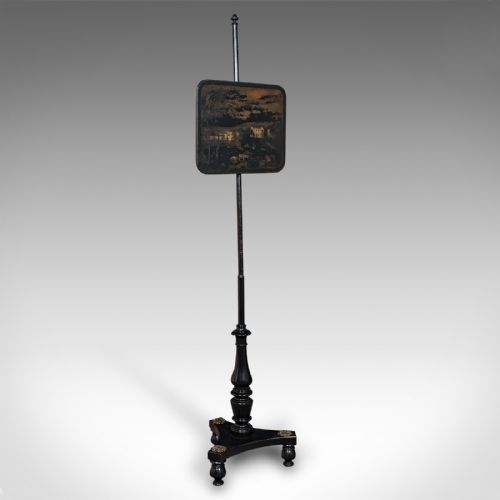
- A type of fire screen featuring a vertical wooden shaft mounted on a heavy base, holding an adjustable panel that slides up and down.
- Needlework
- Decorative sewing on canvas or fabric, commonly used to create the pictorial panels seen within nineteenth-century screen frames.
- Spark guard
- A metal mesh or brass frame designed specifically to catch flying embers from an open hearth.
- Cheval screen
- A standing frame supported by two lateral pillars or feet, allowing the central screen to tilt or remain fixed.
Victorian Hearth Standing Screen: Frequently Asked Questions
What is a pole screen?
A pole screen is a specific form of fire screen that mounts a decorative panel onto a vertical wooden shaft. The panel can be slid up or down and secured at various heights.
This adjustment allowed people to shield their faces from the direct heat of the grate while sitting in the parlour.
How were these screens used?
These screens were placed between seating areas and the fireplace to block excessive radiant heat and protect delicate complexions from the flames. They also served to hide an unlit hearth during the warmer summer months.
In daily use, families positioned them near armchairs or sofas to regulate comfort as the fire burned down.
Are the needlework panels original?
Many screens retain their original nineteenth-century needlework, tapestry, or embroidery panels worked in wool and silk. These panels reflect the domestic handcraft skills typical of the period.
Because textiles were vulnerable to wear and fading, some surviving pieces feature later replacement stitchwork or restored frames.
What is the difference between a brass guard and a wood screen?
Brass guards and spark guards are constructed entirely of metal to sit directly before the hearth and contain spitting embers. Wood and papier-mâché screens rely on heavy timber bases to support textile or glass panels placed further back in the room.
Each type served a distinct role in managing the safety and comfort of a nineteenth-century fireplace.