




Victorian Handled Urns
These Victorian handled urns bring nineteenth-century ceramic, metal and glass vessel forms into domestic spaces.
Victorian Handled Urns
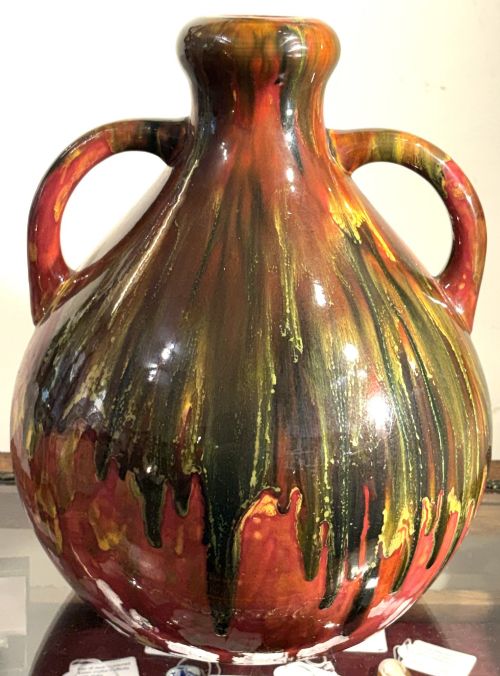
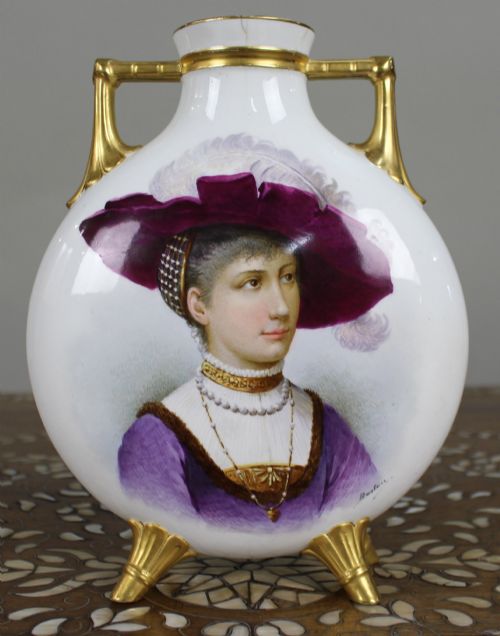
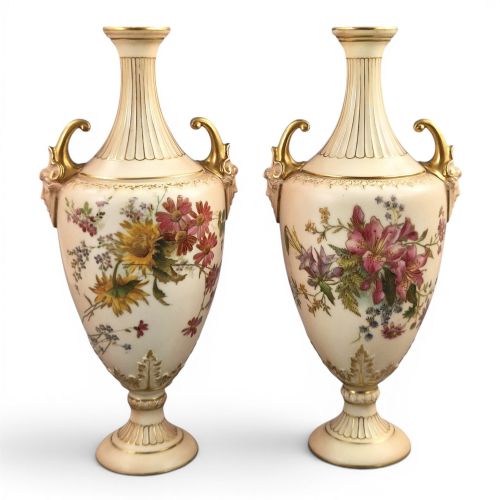
Victorian handled urns comprise a diverse selection of nineteenth-century vessels designed for display, presentation or functional utility. These pieces encompass twin-handled porcelain vases, bronze ewers, metal spirit kettles and ceramic urns spanning the Victorian and Edwardian periods.
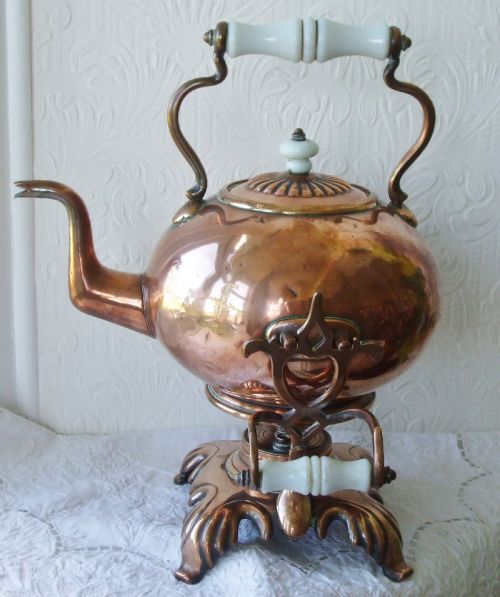
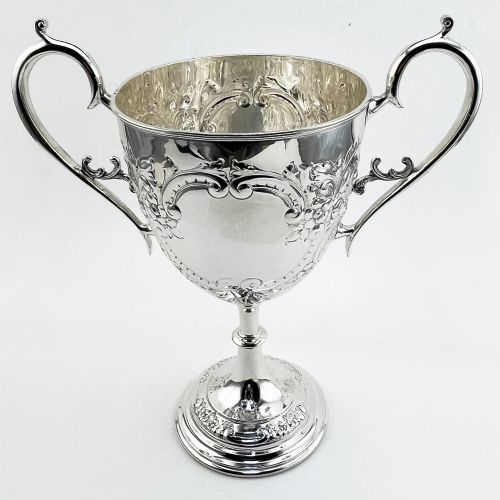
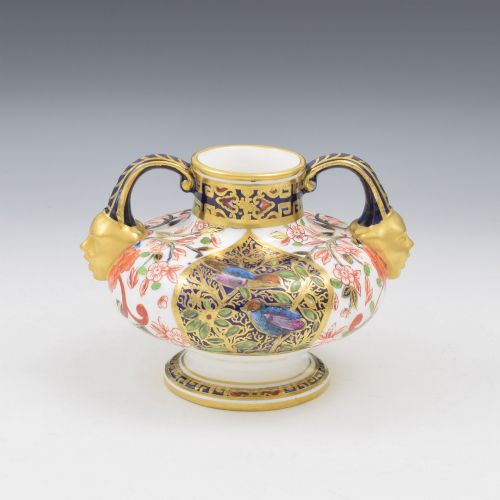
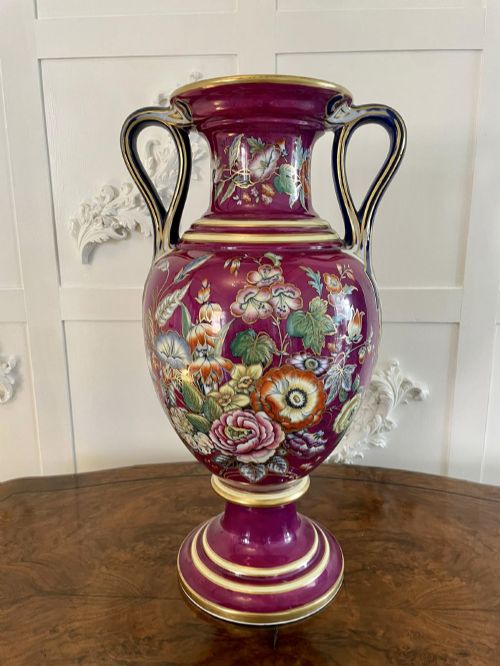
The objects derive from English, continental and oriental makers, utilising styles from the Aesthetic Movement, Neoclassical Revival, Arts and Crafts and Regency periods. Most examples meet the eye as decorative vases, trophy cups, or copper vessels furnished with side handles.
How they were made
Makers utilised porcelain, earthenware, stoneware, and metals including copper, brass, bronze, and silver plate to shape these handled vessels. Ceramic pieces often received hand-painted decoration, enamel work, or gilding, while metal items involved casting, hammering, and assembly.
Potteries employed specialised bodies such as bone china, majolica, and art pottery clays, shaped into vases, ewers, and urns. Metalware construction combined sheet copper and brass with cast handles, mounts, and stands.
Victorian Handled Urns Retail Price Guide 2026
Typical asking prices for victorian handled urns among the pieces listed under this phrase on Sellingantiques today, from the lower quarter to the upper quarter. They describe what is for sale here now, not the wider market.
Listings feature porcelain, bronze, copper, brass, earthenware, and silver-plated materials across nineteenth-century and Edwardian periods.
What varies in quality
The calibre of a Victorian handled urn rests in the execution of its decorative scheme and the crispness of its form. Hand-painted ceramic details, refined gilding, and well-balanced cast metal handles separate superior examples from standard production.
Material selection and maker attribution influence the standing of individual pieces. Works bearing factory marks from established potteries or known metalworkers exhibit greater refinement in finish and proportion.
Royal Worcester·Minton·Spode·Edwards and Roberts·William Moorcroft·Hadley's Worcester
The Victorian Handled Urns Glossary
- Ewer
- A large jug with a wide spout and a handled body, traditionally used for holding water or as a decorative display piece. Ewers in this selection frequently appear in bronze or ceramic.
- Spirit Kettle
- A metal kettle mounted on a stand above a small spirit burner, used for heating water. These items typically feature carrying handles and period metal construction.
- Majolica
- A type of earthenware coated with an opaque tin glaze and painted with metallic oxide colours. This technique produces vibrant surfaces on nineteenth-century ceramic vessels.
- Blush Ivory
- A ceramic finish developed by Royal Worcester featuring a creamy peach background decorated with floral designs and gilt highlights. It characterises late nineteenth-century porcelain pieces.
Victorian Handled Urns: Frequently Asked Questions
How were Victorian handled urns used?
These vessels served various functions ranging from pure decorative display on mantelpieces and tables to presentation pieces awarded as trophies. Metal versions like spirit kettles and samovars provided functional utility for heating and serving water.
Many ceramic urns and vases acted as focal points in nineteenth-century interiors, sometimes holding dried botanicals or flowers. Larger handled pieces often stood on pedestals or furniture surfaces to demonstrate household taste.
What materials are common in these urns?
Porcelain and earthenware dominate the ceramic examples, often featuring painted floral motifs, enamel, and gold leaf. These clay bodies include bone china, ironstone, and specialised art pottery.
Metal pieces rely heavily on copper, brass, and bronze, sometimes with silver plating or gilding applied to the surface. These metal vessels utilise cast handles and applied decorative mounts.
How do I identify the period?
Period identification relies on stylistic cues such as Aesthetic Movement motifs, Neoclassical Revival forms, or Arts and Crafts execution. Maker marks, registry numbers, and pottery stamps stamped or painted on the bases provide precise dating.
Material finishes and manufacturing techniques also indicate whether a piece belongs to the early Victorian, late Victorian, or Edwardian eras. Stylistic overlap between the nineteenth and early twentieth centuries makes base marks particularly reliable.
Where should I display them?
These handled vessels suit stable surfaces such as sideboards, mantelpieces, and display cabinets where their forms and handles remain visible. Placing ceramic pieces away from direct sunlight preserves hand-painted decoration and gilt surfaces.
Heavier metal items like copper buckets or bronze urns function well on hearths or floor stands. The scale of the piece generally dictates whether it commands a central position in a room or sits among complementary objects.