



Victorian Hall Seating
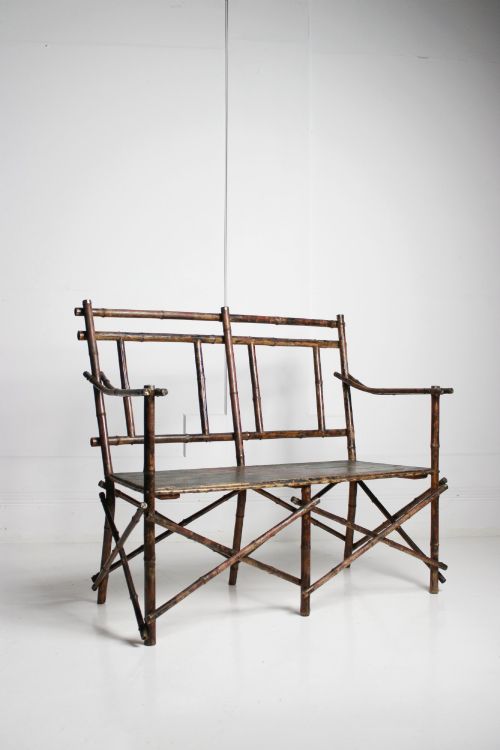
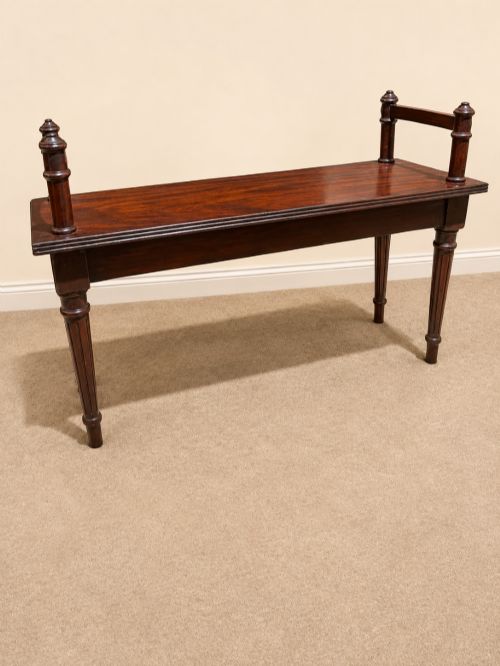
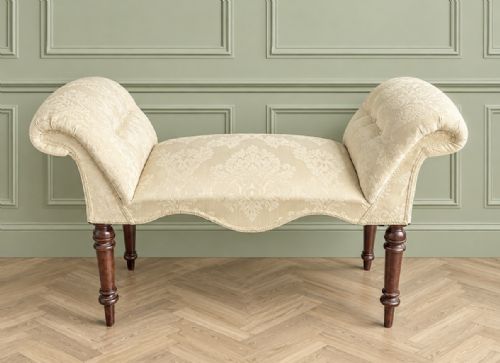
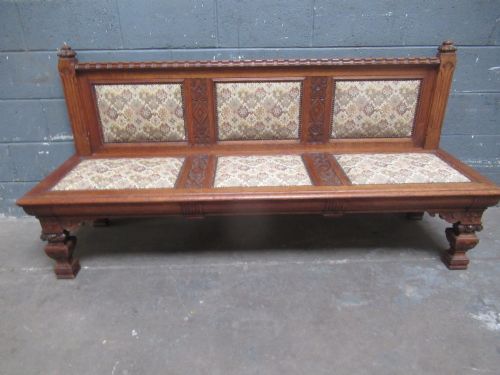
Victorian hall seating brings architectural presence and robust utility to an entrance, combining solid timbers with period revival carving.
Victorian Hall Seating
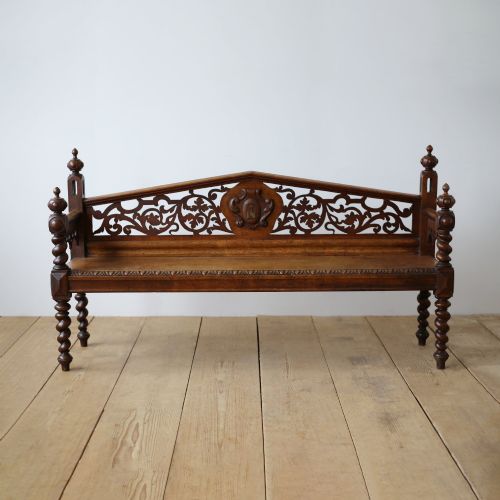
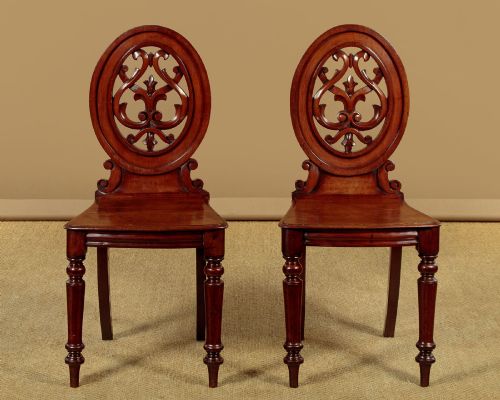
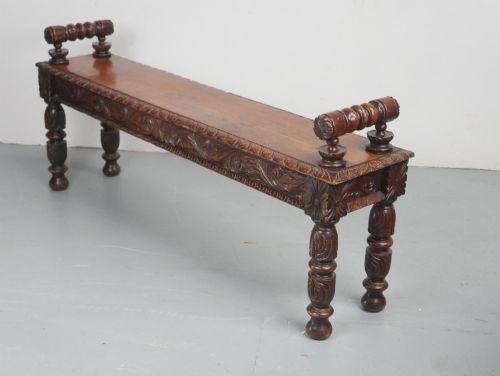
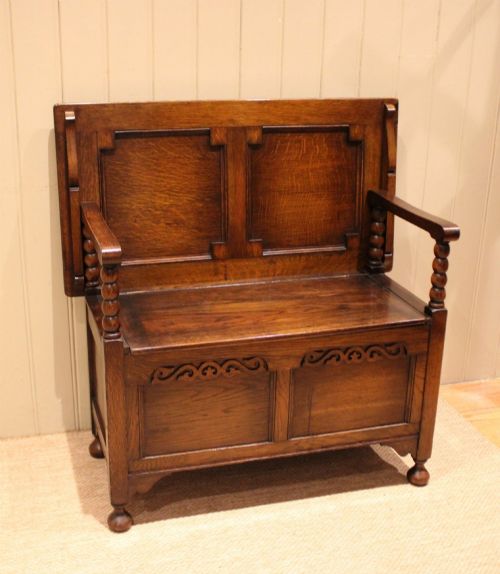
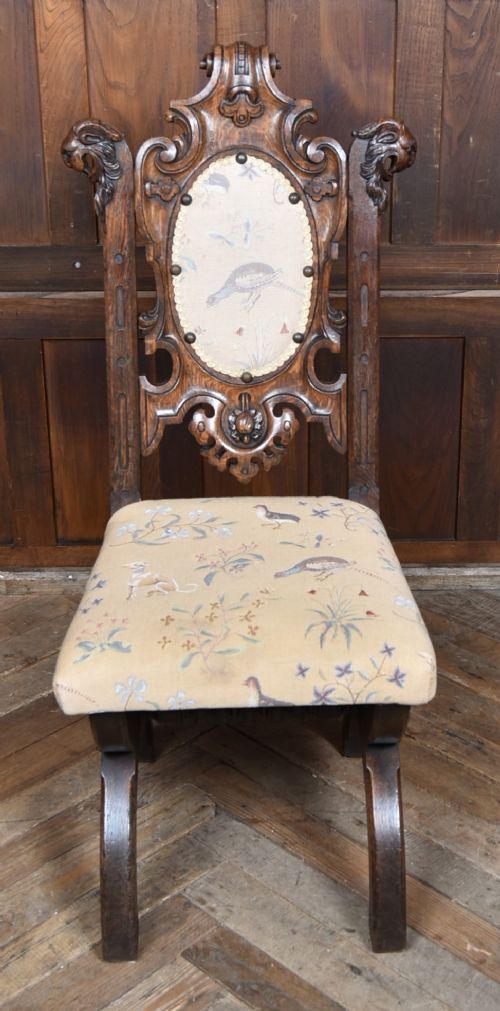
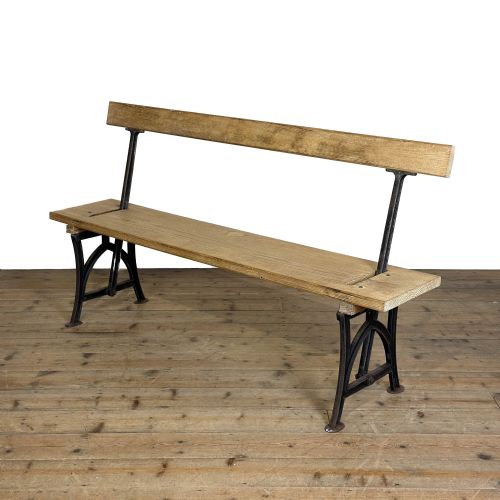
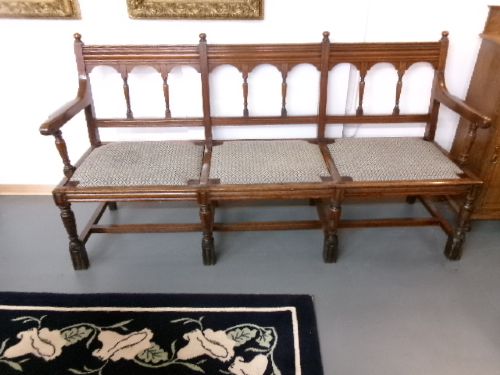
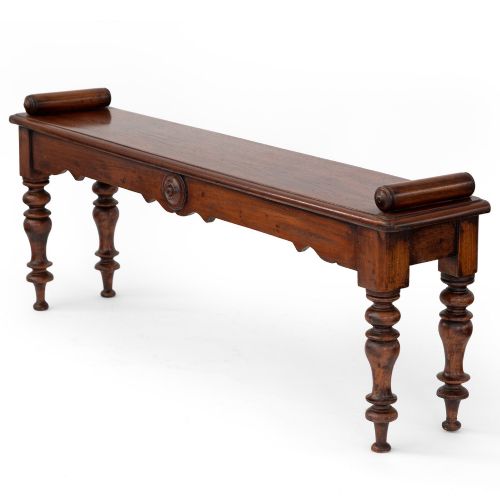
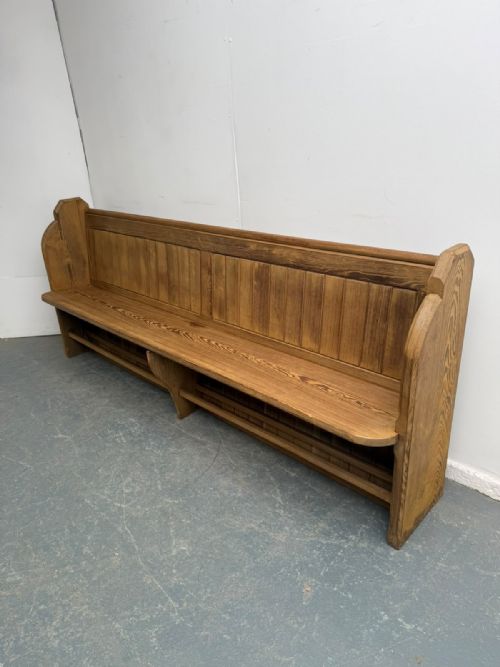
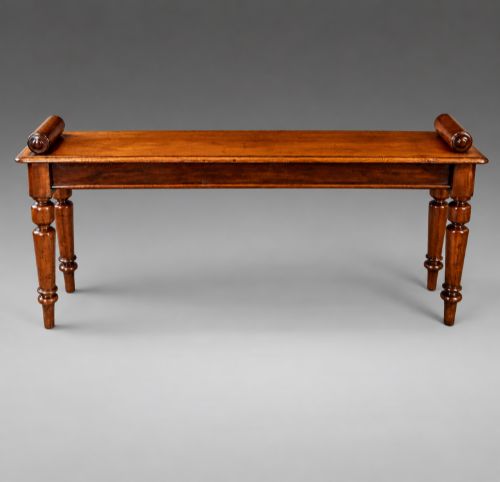
The most frequent form encountered on this page is the wooden bench or settle, often rendered in solid oak or mahogany. Pairs of carved hall chairs also appear regularly alongside occasional chapel pews and storage seats.
Originating predominantly from the nineteenth century, these items reflect diverse stylistic influences spanning Gothic Revival, Jacobean Revival, and industrial vernacular designs. Makers utilised substantial hardwoods to construct seating intended to endure heavy daily use.
Materials and construction methods
Makers relied heavily on durable timbers such as oak, mahogany, and walnut, selecting them for structural strength and rich grain. Pine also served for vernacular pieces and chapel pews, while secondary materials like brass, leather, and fabric added functional or decorative contrast.
Joinery techniques relied on pegged mortise and tenon frames, sturdy panel construction, and detailed hand-carving. Surface embellishments often included barley twist turnings, linenfold panelling, or intricate relief work typical of revival styles.
Victorian Hall Seating Retail Price Guide 2026
Typical asking prices for victorian hall seating among the pieces listed under this phrase on Sellingantiques today, from the lower quarter to the upper quarter. They describe what is for sale here now, not the wider market.
One remarkably musical Victorian bear seat from eighteen-sixty stands ready to surprise any unsuspecting visitor in the hallway.
Distinctions in craftsmanship
Quality separates through the depth and crispness of the hand-carving and the selection of timber stock. Pieces featuring dense Cuban mahogany or quarter-sawn oak exhibit superior structural integrity and visual depth compared to plain utility items.
Attribution to documented workshops or makers elevates a piece, as does untouched original surface patination. Elaborate joinery details, such as integrated storage boxes or complex turned supports, mark out the finer examples in this category.
James Shoolbred·Guillows·W.A. Willcocks
The Victorian Hall Seating Glossary
- Settle
- A wooden wooden bench featuring a high back to block draughts, solid arms, and often a hinged seat concealing a storage box. They were traditionally placed near hearths or in entrance halls.
- Gothic Revival
- An architectural and decorative style drawing on medieval ecclesiastical forms, characterised by pointed arches, tracery, and heavy carved details.
- Hall Chair
- A rigid, upright single chair made primarily of wood with a solid seat and a decorated back panel, designed for brief seating in a hallway rather than long comfort.
- Barley Twist
- A type of furniture turning resembling a twisted rope or barley sugar stick, produced extensively during revival periods.
- Patina
- The surface sheen and mellowing developed by wood and other materials through age, handling, and light exposure over many decades.
Victorian Hall Seating: Frequently Asked Questions
What distinguishes a hall bench from a settle?
A hall bench typically offers an open back and a straightforward seat structure designed for brief placement in an entranceway. Settles incorporate higher panelled backs and enclosed bases, historically built to deflect cold drafts.
Both forms utilise heavy timbers like oak and mahogany to withstand constant hallway traffic. Settles frequently include lidded box seats for storing boots and garments.
Where should I place a hall bench at home?
These pieces suit entrance halls, boot rooms, and wide corridors where their linear presence and storage capacity function practically. They also anchor large living spaces or reception rooms as focal seating.
Because the seats are solid wood without deep padding, they handle high-traffic zones well. Pairing them with textile cushions softens the firm wooden surface for daily use.
Are hall chairs meant for daily dining?
Hall chairs were originally designed for brief use by visitors waiting in a hallway rather than long dining sessions. Their upright wooden seats lack the ergonomic comfort required for extended sitting.
Their narrow proportions and decorative carved backs make them ideal as decorative side chairs or occasional seating in bedrooms and landings.