

Victorian Hall Pew
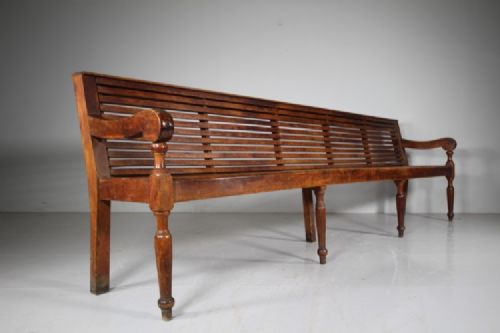
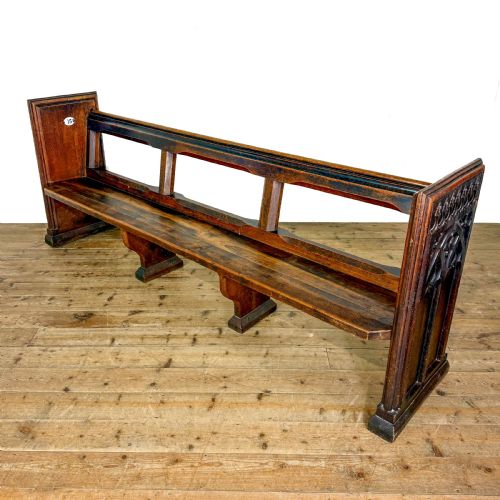
A victorian hall pew provides sturdy seating for an entrance space, bringing nineteenth century character and practical utility directly into a modern home.
Victorian Hall Pew
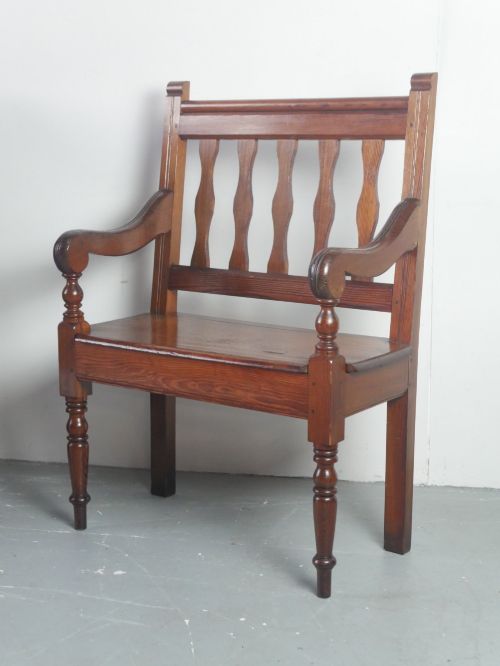
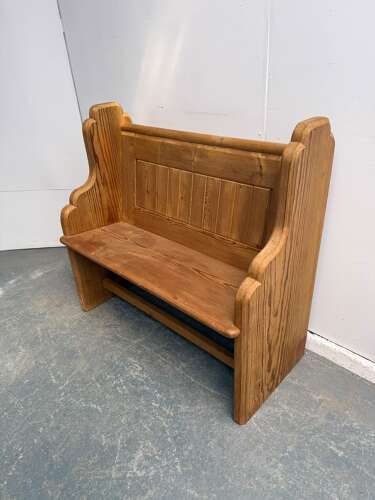
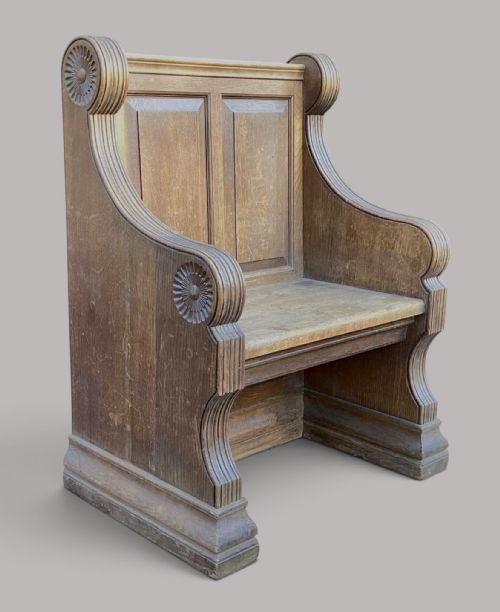
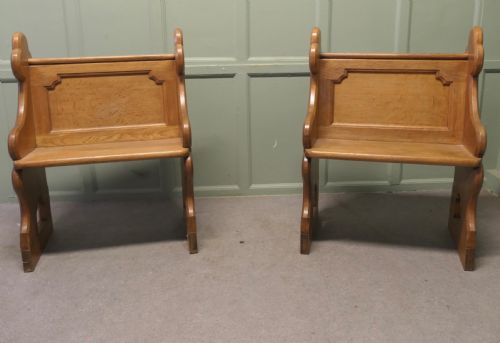
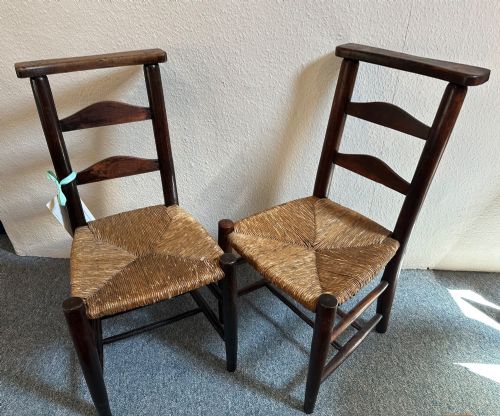
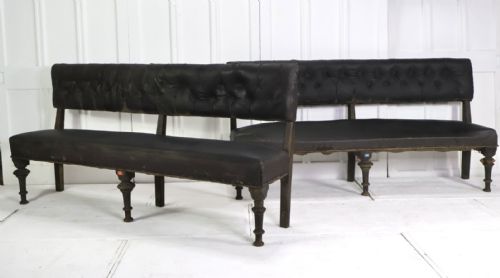
A victorian hall pew spans several distinct forms including church benches, ecclesiastical seating, architectural settles, and school or waiting room benches. These pieces originate from domestic country houses, churches, and public institutions across the nineteenth century.
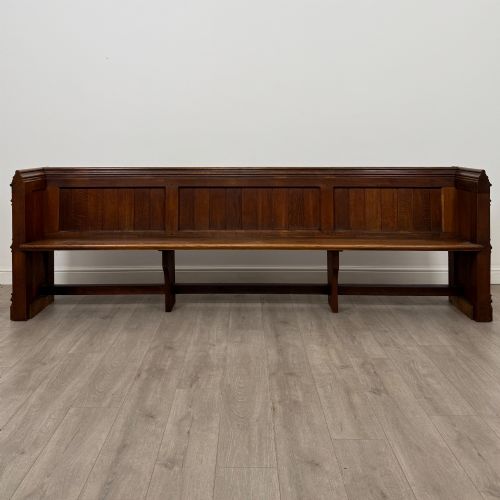
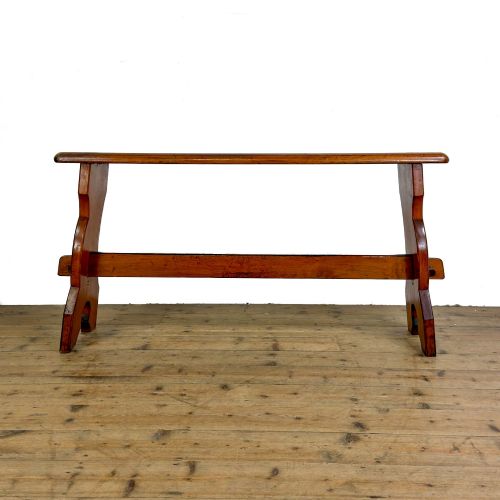
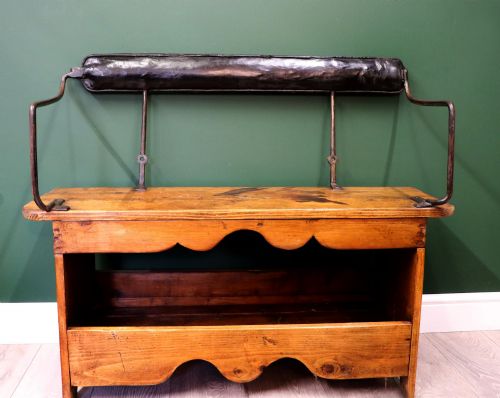
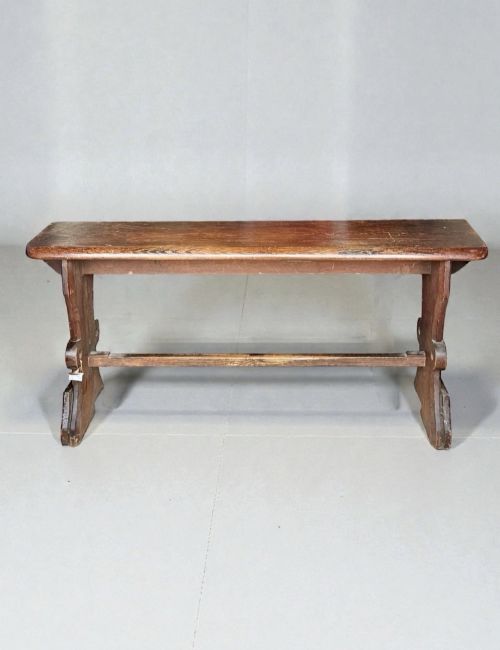
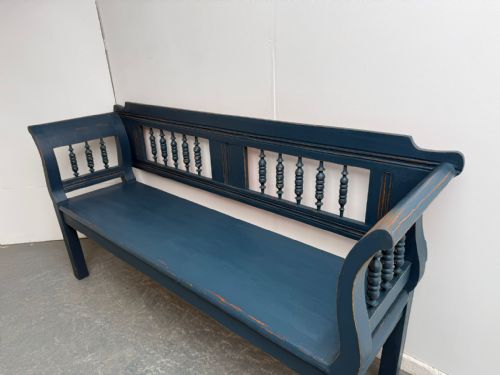
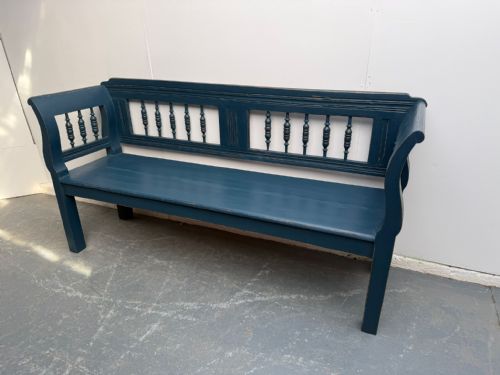
Buyers will most frequently encounter long pine and oak examples on this page, often featuring open slatted backs, solid plank seats, or box bases. Regional variations range from English oak styles to painted Hungarian and Irish country house benches.
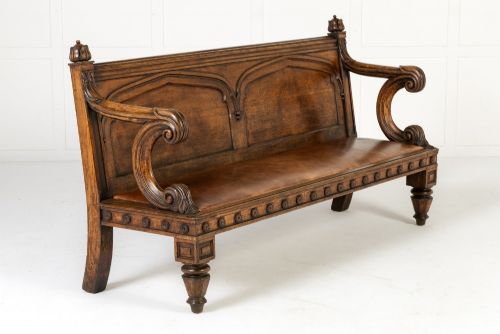
Functional seating encompasses single-seater church pews, multi-seat barrel settles, and long tavern benches designed for heavy daily use. Architectural forms often incorporate Gothic Revival details or ecclesiastical influences suited to grand hallways.
Materials and Construction
Cabinet makers and joiners utilised solid domestic timbers such as pine, pitch pine, oak, walnut, elm, and leather to build these benches. Surfaces are frequently finished with traditional wax or retain historic layers of paint.
Construction techniques rely on heavy planking, mortise and tenon joints, and structural bracing to withstand institutional or domestic wear. Architectural carvings and Gothic panels are hand-tooled directly into the dense hardwood frames.
Assessing Craftsmanship
Quality rests in the selection of timber and the integrity of the original construction rather than decorative excess. Denser hardwoods like oak and walnut command attention for their longevity, while sturdy pitch pine provides robust framing.
Original surface finishes, untouched patination, and genuine institutional markings elevate certain examples. Pieces retaining their structural fixings and authentic painted surfaces demonstrate superior survival through the centuries.
The Victorian Hall Pew Glossary
- Settle
- A wooden bench with a high back, solid arms, and often a storage box beneath the seat. This form protected sitters from draughts in entrance halls and kitchens.
- Gothic Revival
- An architectural and decorative style popular during the nineteenth century that revived medieval forms. It is characterised by pointed arches, tracery, and heavy carved woodwork.
- Pitch Pine
- A durable resinous pine timber utilised extensively in nineteenth-century institutional and domestic furniture. It provides exceptional structural strength for long benches.
- Barrel Settle
- A closed-back bench curved to enclose the sitter and block cold air. These pieces offer an enveloping seat form.
Victorian Hall Pew: Frequently Asked Questions
How do I style a hall pew?
Position a long pine or oak bench against an entrance wall to create an immediate focal point. Pair the seating with simple cushions or leave the timber bare to showcase the grain and age.
Ensure adequate clearance for walkways, as these solid pieces require sufficient floor space to anchor a hallway or reception room properly.
Where were these benches originally used?
Many examples originated in parish churches, cathedrals, and schoolrooms before finding their way into domestic settings. Others served in country house hallways, waiting rooms, and taverns.
Their sturdy construction was specifically intended for public buildings and heavy daily foot traffic.
Are pine pews durable?
Solid pine and pitch pine provide robust structural framing that easily withstands everyday domestic use. Waxed or painted finishes protect the softwood timber from regular wear.
These materials have already endured over a century of heavy seating, proving their lasting resilience.