

Victorian Green Man
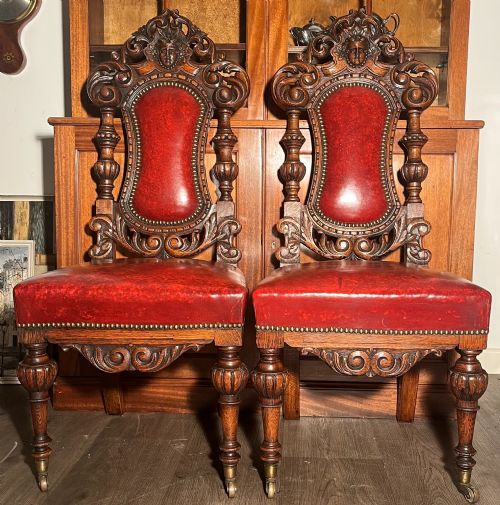
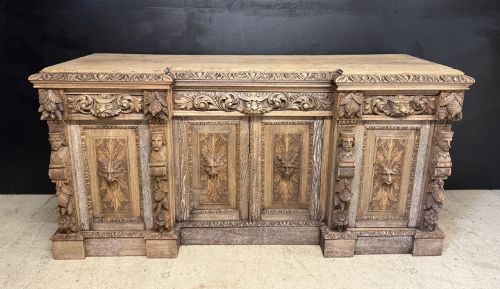
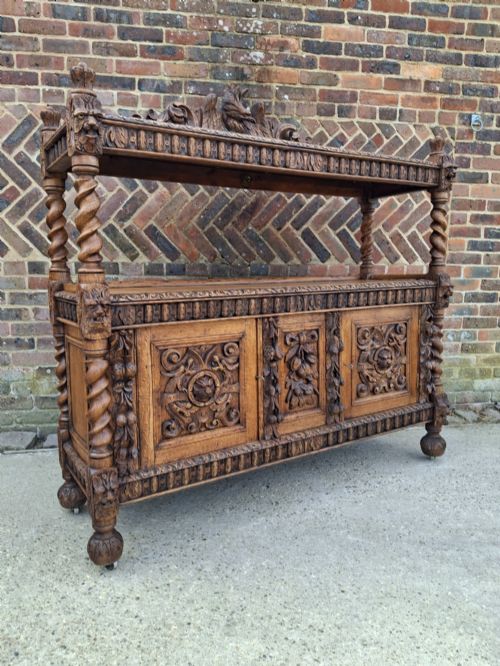
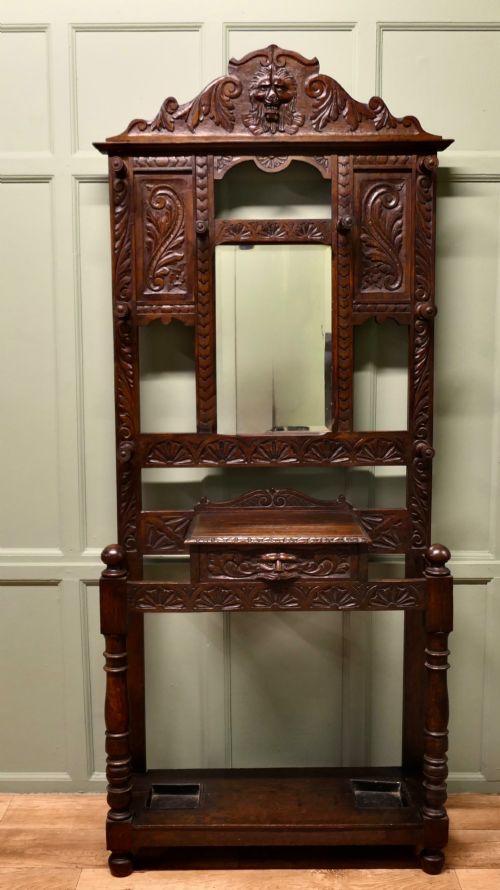
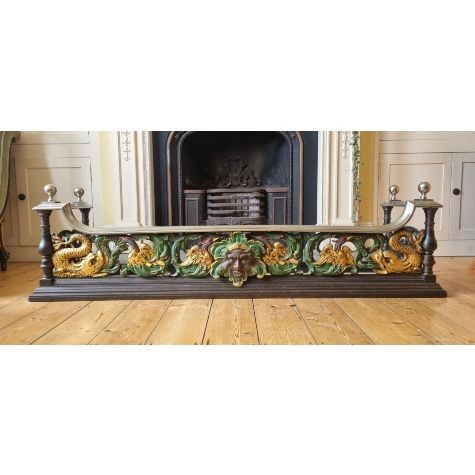
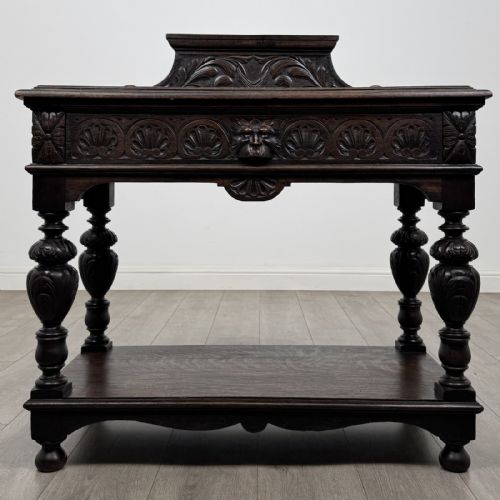
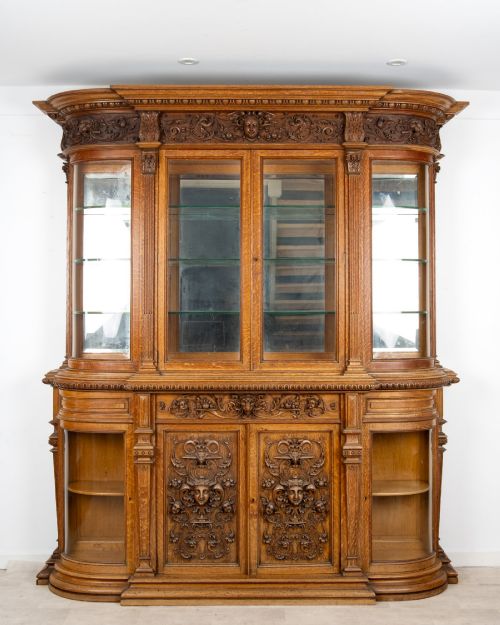
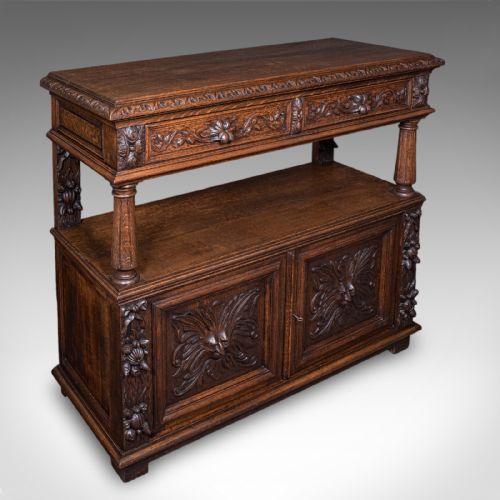
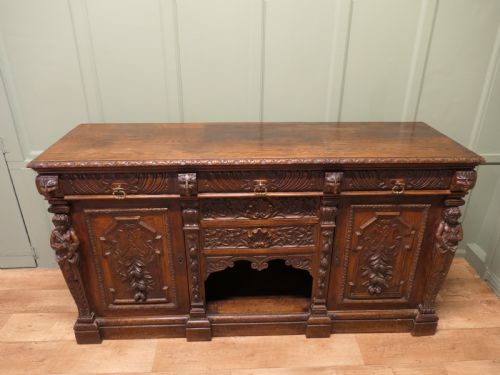
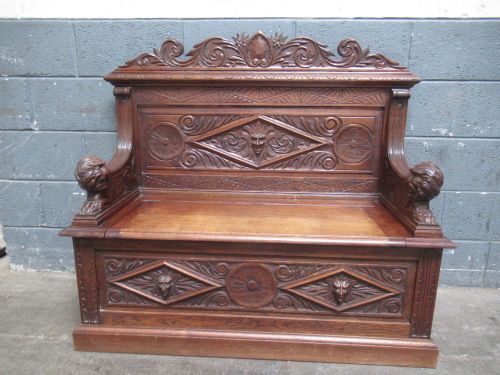
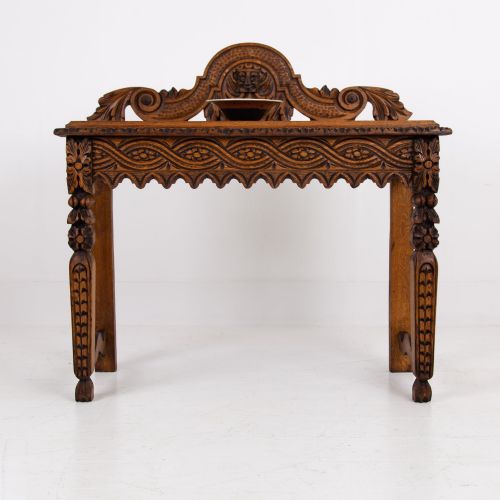
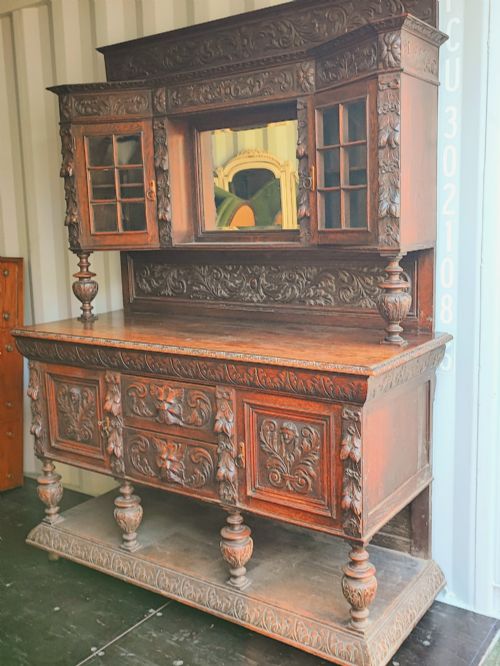
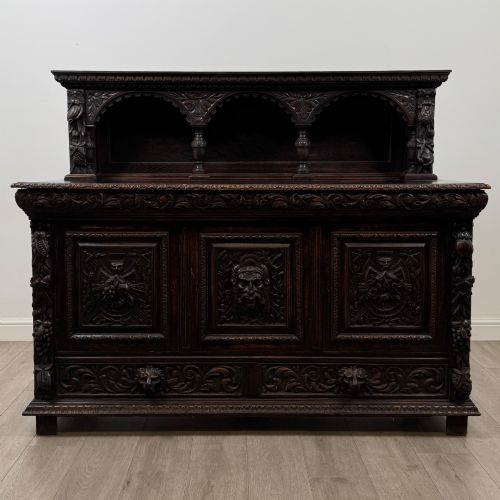
When you search for Victorian green man pieces, you are looking at deeply carved oak furniture dominated by the foliate mask motif.
Victorian Green Man
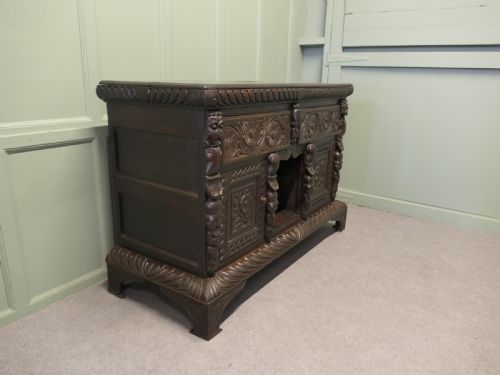
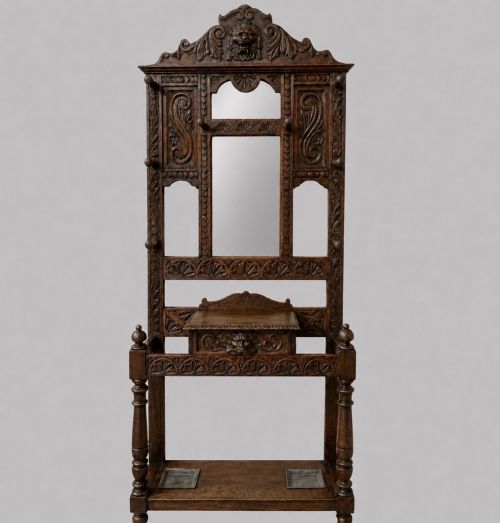
Victorian green man pieces span large architectural storage and smaller household items, originating predominantly in the nineteenth century. The typical form encountered on this page is heavily carved oak furniture produced during the Gothic Revival and Renaissance Revival periods.
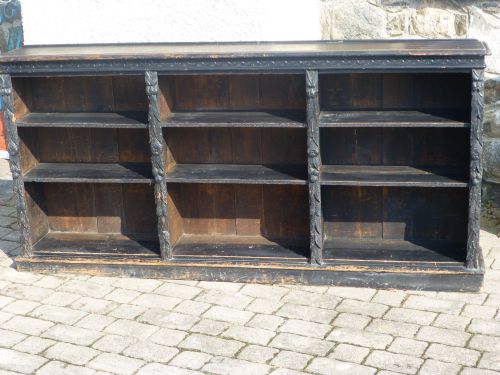
Buyers frequently find heavy sideboards, bookcases, desks, and hall stands featuring the characteristic grinning or foliate face mask. Seating also appears regularly, ranging from hall benches and monks benches to armchairs and side chairs.
These items were designed to anchor principal rooms like libraries, hallways, and dining spaces. The recurring presence of the green man mask links utilitarian household furniture with older mythological traditions of rebirth and nature.
Evaluating craftsmanship and proportion
Proportion and wood selection also determine grade, with finer items utilising dense, figured oak and maintaining balanced architectural lines. Poorer examples rely on shallow, mechanical stamping or heavy-handed carving bolted awkwardly onto simpler furniture carcasses.
Victorian Green Man Retail Price Guide 2026
Typical asking prices for victorian green man among the pieces listed under this phrase on Sellingantiques today, from the lower quarter to the upper quarter. They describe what is for sale here now, not the wider market.
Every green man mask wears a slightly different leafy expression, ensuring no two cabinets stare back with the exact same grin.
The Victorian Green Man Glossary
- Green Man
- A sculptural mask of a human face sprouting foliage, leaves, or vines from the mouth or cheeks. It symbolises rebirth and the cycle of growth in architectural and furniture ornamentation.
- Gothic Revival
- An architectural and design style popular in the nineteenth century that revived medieval forms, pointed arches, and heavy decorative carving. It provides the dominant aesthetic framework for these pieces.
- Foliate
- Decorated with leaves, branches, or floral motifs. This term describes the surrounding ornamentation that frames the green man mask.
- Monks Bench
- A dual-purpose hall seat with a hinged back that folds down to create a table. These pieces frequently incorporate carved green man panels on the front and back.
- Pedestal Desk
- A large freestanding writing table supported by two banks of drawers. They often feature carved green man panels along the frieze and pedestals.
Victorian Green Man: Frequently Asked Questions
What is a green man on furniture?
A green man is a carved mask of a human face surrounded by or emerging from foliage and leaves. It appears frequently as a decorative motif on nineteenth-century oak furniture.
The motif draws on ancient folklore representing nature and rebirth. On Victorian pieces, it functions primarily as an expressive focal point for panels, drawers, and cornices.
How do I date these pieces?
Dating relies on examining construction methods, secondary woods, and stylistic markers associated with the nineteenth century. Most examples date from the height of the Gothic Revival between eighteen-eighty and nineteen-hundred.
Hardware, drawer dovetails, and the depth of the oak carving provide further chronological clues. Pieces from the middle of the century tend to show simpler Renaissance Revival influences compared to later heavily carved variants.
Where were these pieces used?
These items were built for grand Victorian reception rooms, libraries, and entrance halls. Large sideboards, bookcases, and hall stands dominated public areas of the home.
Smaller items like writing desks and hall chairs served studies and corridors. Their imposing scale and dark wood reflected the Victorian taste for substantial interior decoration.
Are these pieces made of solid oak?
The vast majority of listings utilise solid oak or heavy oak veneers over sturdy carcases. Workshops favoured oak for its durability and suitability for deep relief carving.
Secondary woods sometimes appear in internal drawer linings or back panels. The heavy timber construction accounts for the substantial weight typical of these items.