


Victorian Gothic Cross
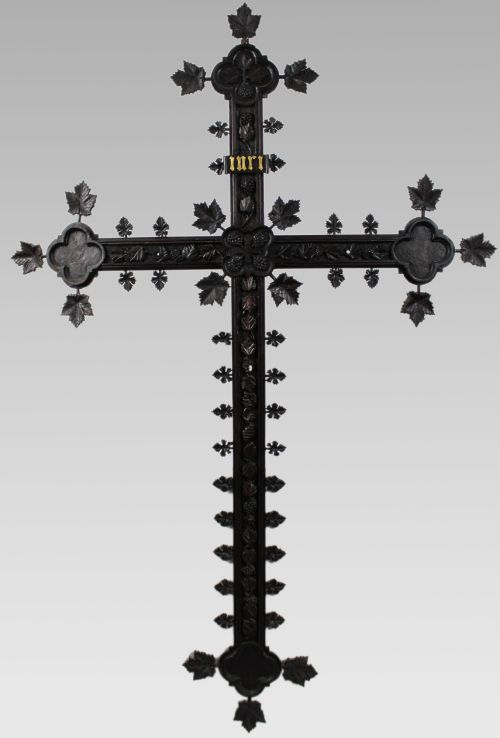
These Victorian gothic cross pieces are devotional and decorative objects spanning the nineteenth century, built for private prayer or architectural display.
Victorian Gothic Cross
When you search for a victorian gothic cross, you encounter devotional pieces and furnishings tied to nineteenth-century religious design. The items appearing here range from small pendants and altar crosses to wall sculptures and prayer chairs.
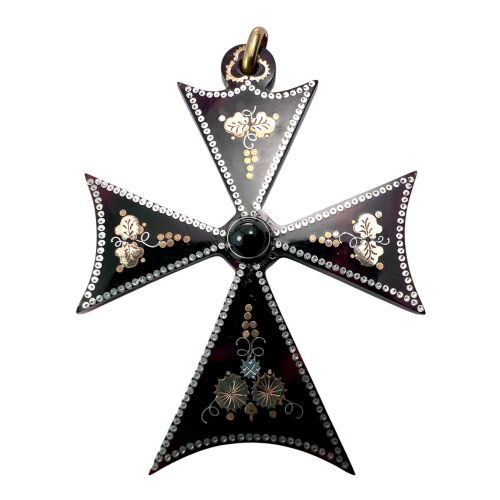
The selection leans toward ecclesiastical and domestic artefacts shaped by the Gothic Revival movement. You find brass altar crucifixes alongside oak prayer chairs and inlaid pendants from the Victorian era.
Materials and construction
The pieces rely on cast brass, carved oak, and ebonised wood to achieve their architectural weight. Metal and dark timber provide the structural backbone for altar crosses and furniture.
Surface decoration involves gilding, tortoiseshell, and gold and silver inlay work. These decorative techniques add contrast to the heavy materials typical of the nineteenth century.
Hat stands shaped like crossed pikes demonstrate how nineteenth-century design turned even hallway storage into a medieval battlefield.
Judging quality
Quality rests in the crispness of the carving and the precision of the metal inlay work. Pieces displaying deliberate detail in the timber or precious metals stand apart from plainer workshop output.
The integrity of the original materials dictates the standing of each object. Items retaining their unpolished brass and intact ebonised finishes hold greater visual clarity.
Henry Cook
The Victorian Gothic Cross Glossary
- Gothic Revival
- An architectural and design movement drawing inspiration from medieval forms. It dominates nineteenth-century ecclesiastical and domestic metalwork.
- Prie Dieu
- A French prayer chair designed with a narrow shelf for kneeling and resting elbows. These items often feature ebonised wood and upholstered pads.
- Altar cross
- A freestanding crucifix placed upon or near an altar during religious services. They are commonly forged from heavy brass or cast metal.
- Pendant
- A small decorative piece meant to be suspended from a chain. Victorian examples frequently incorporate gold and silver inlay.
Victorian Gothic Cross: Frequently Asked Questions
What is a victorian gothic cross?
A victorian gothic cross is a devotional object or decorative item influenced by medieval architectural styles during the nineteenth century. These items encompass altar crosses, pendants, and church furnishings.
Such pieces reflect the revival of Gothic aesthetics in both public worship and private domestic devotion. They utilise materials like brass, dark wood, and silver inlay.
How were altar crosses used?
Altar crosses served as focal points for worship on church altars or within private chapels. They were positioned centrally to direct attention during religious rites.
In domestic settings, smaller versions or pendants served personal devotional practices. Their sturdy metal construction ensured durability through daily use.
How do I date these pieces?
Dating relies on examining the specific materials, manufacturing techniques, and stylistic markers recorded across the nineteenth century. Hallmarks on silver or gold components provide precise chronological indicators.
Secondary clues include the type of timber used, such as ebonised wood or oak, and the specific variety of Gothic Revival detailing present on the object.
Where should I place an altar cross?
Altar crosses suit prominent locations where their architectural lines and metal surfaces catch the light. They work effectively on mantels, side tables, or dedicated display surfaces.
Pairing them with complementary nineteenth-century wooden furniture enhances their historic context. Ensure the placement respects the solid weight and proportions of brass and timber pieces.