




Victorian Gold Ornaments
These victorian gold ornaments span cast brass, gilt bronze and ormolu finishes, bringing nineteenth-century decorative craft to desk and mantel.
Victorian Gold Ornaments
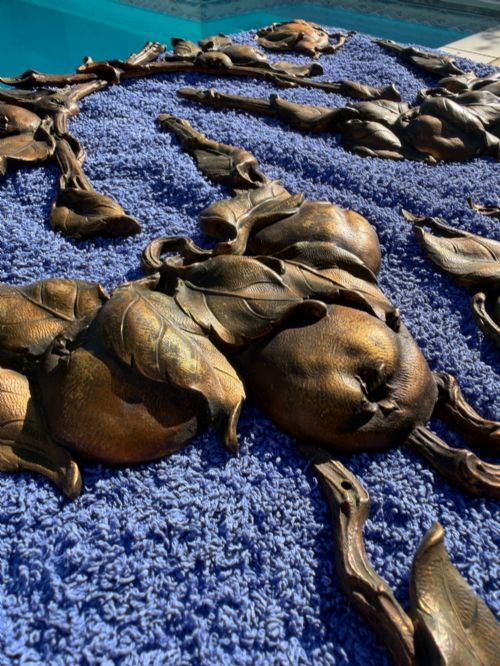
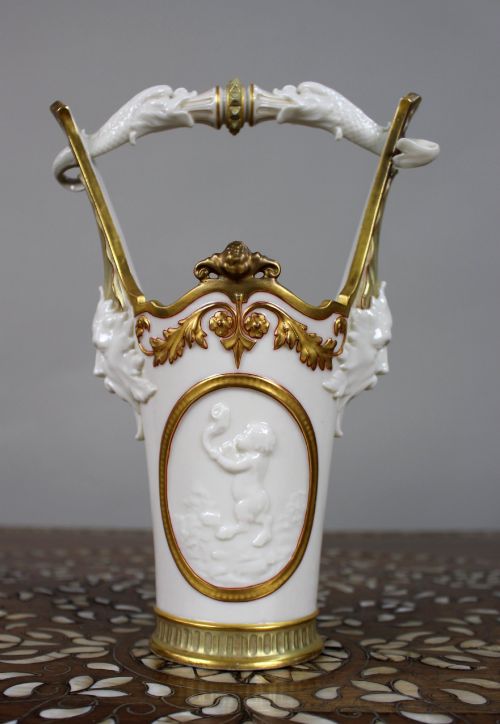
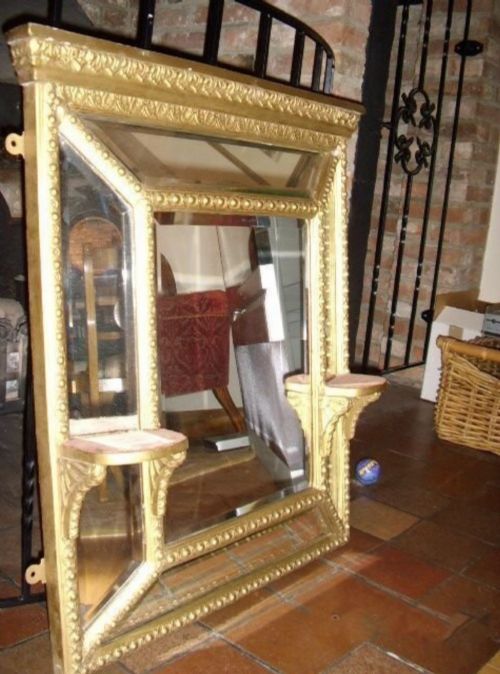
Victorian gold ornaments comprise decorative items rendered in brass, gilt bronze, gilt finish, and gold leaf, encompassing items made during the nineteenth century alongside related periods. The selection here leans heavily towards nineteenth-century works, featuring sculptures, vases, porcelain figurines, inkwells, and door stops.
A buyer examining victorian gold ornaments encounters desk accessories such as inkwells and letter openers, alongside sculptural animal studies and figural candelabras. Many pieces display revivalist aesthetics like Egyptian Revival or Victorian Neo-Classical motifs alongside animal novelties.
The objects derive from English, French, and Continental workshops, using cast metals and ceramic bodies treated with durable gilding. Forms range from utilitarian items with decorative embellishments to pure cabinet sculptures and animal figures.
Materials and Techniques
Makers utilised brass and bronze as primary structural metals, often applying fire gilding, mercury gilding, or gold leaf to achieve a lustrous metallic finish. These metal components were cast using traditional foundry methods, resulting in crisp surface details on figural inkwells, sphinxes, and furniture mounts.
Ceramic and glass elements appear frequently alongside metalwork, including porcelain figures, ruby glass lustres, mercury glass, and enamel additions. Artisans combined these fragile materials with metal mounts, employing cold-painted details or champlevé enamel to introduce colour and contrast.
Victorian Gold Ornaments Retail Price Guide 2026
Typical asking prices for victorian gold ornaments among the pieces listed under this phrase on Sellingantiques today, from the lower quarter to the upper quarter. They describe what is for sale here now, not the wider market.
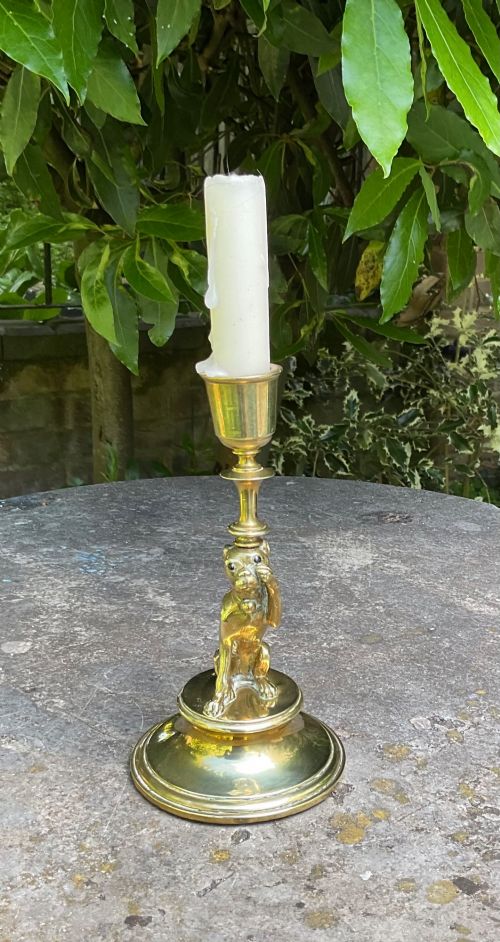
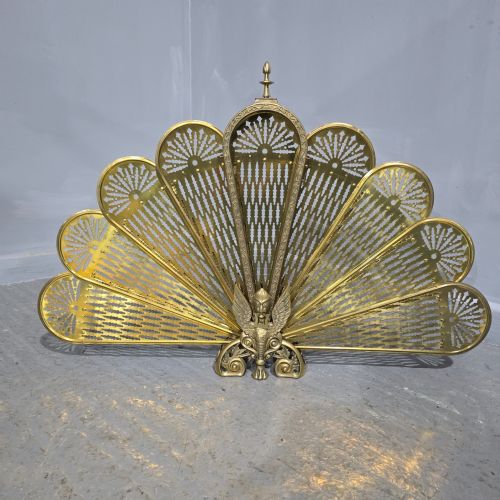
A pug dog candlestick waits patiently alongside a brass peacock, proving Victorian houses adored animals in cast metal.
Evaluating Quality in Gilding and Casting
The distinction between tiers rests upon the crispness of the metal casting and the preservation of the original gilt surface. Finer examples display sharp chisel work and deep relief on bronze and brass, whereas lesser pieces show softened details from worn moulds.
Material integration marks another divergence, visible in how securely glass eyes are set in animal inkwells or how cleanly enamel fills recessed channels. Superior works maintain intact gilding layers without extensive rubbing or modern refinishing.
Poix Blin·Royal Worcester·A.B. Daniell & Son·James Hadley·Antoine Louis Barye·Volkstedt Triebner·Jennings Brothers·Barwise London·Jennens & Bettridge·BELINDA GENTLE
The Victorian Gold Ornaments Glossary
- Gilt bronze
- Bronze metal treated with a gold application, often through mercury gilding or gold leaf. This technique provides a durable, lustrous surface finish that resists tarnish.
- Champlevé enamel
- A technique where troughs are dug into a metal surface and filled with vitreous enamel powder before firing. The metal partitions remain visible as thin lines dividing the colours.
- Mercury glass
- Double-walled blown glass silvered on the interior with a liquid silver mixture, then sealed. It produces a reflective, mirror-like appearance popular in nineteenth-century decorative wares.
- Spelter
- An alloy of zinc and other metals cast into decorative figures and painted to resemble bronze. It offers a lighter, more brittle alternative to traditional bronze casting.
- Ormolu
- A gilded bronze application technique characteristic of French decorative arts. It requires the bonding of gold-mercury amalgam to a bronze base through heat.
Victorian Gold Ornaments: Frequently Asked Questions
What are victorian gold ornaments made of?
These pieces incorporate base metals such as brass, bronze, and spelter treated with gilt finishes, gold leaf, or mercury gilding. Many designs also integrate porcelain, glass, enamel, and cast iron.
Makers selected these durable materials to withstand handling while maintaining a bright, reflective metallic appearance on desks and display shelves.
How do I care for gilt bronze?
Dust surfaces gently with a soft, dry brush and avoid chemical polishes that strip away historical gilding layers. Keeping objects away from direct moisture protects fragile enamel and glass components.
Gentle maintenance preserves the underlying metal and prevents the delicate gold surface from wearing thin over time.
How were these decorative items used?
Many objects served practical daily functions on nineteenth-century desks and tables, acting as inkwells, letter openers, door stops, and candlesticks. Others functioned purely as decorative sculptures or mantel ornaments.
Their dual role as functional tools and ornamental art reflected the Victorian preference for ornate craftsmanship in everyday household items.
How can I tell the period of these pieces?
Dating relies on stylistic clues such as revival motifs, maker stamps, cast signatures, and manufacturing patents recorded on the object. Material choices like mercury glass or champlevé enamel also point towards specific nineteenth-century production windows.
Comparing casting techniques and baseline metal composition helps distinguish mid-nineteenth-century works from later revivals.