




Victorian Globe
When you search for a victorian globe, you seek a geographical or celestial sphere that captures nineteenth-century cartography and domestic study decor.
Victorian Globe
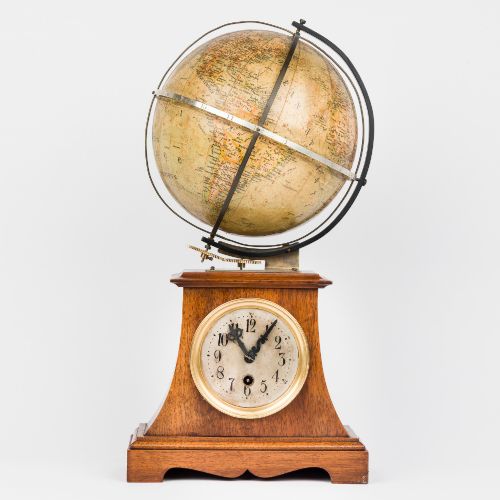
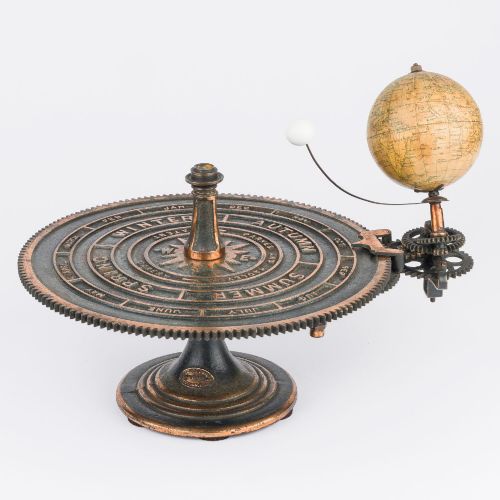
A victorian globe represents the earth or the heavens, mounted on a table stand or housed in a portable case. These pieces map geographical boundaries and star constellations as understood during the nineteenth century.
The selections available here range from twelve-inch table spheres to compact miniature versions on stands and portable cased celestial instruments. Makers mounted these spheres on turned stands of wood or metal frames.
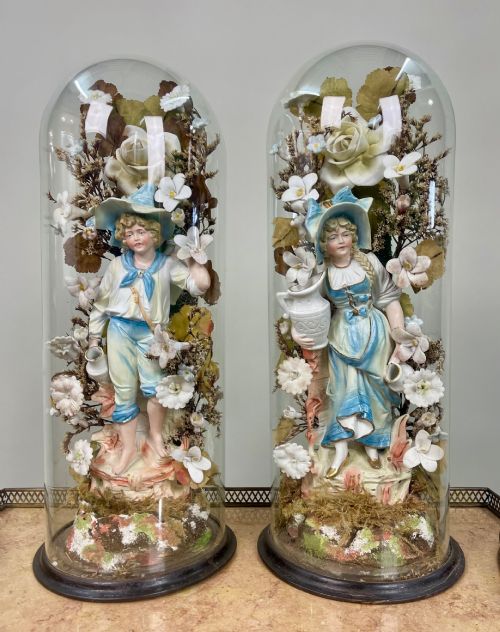
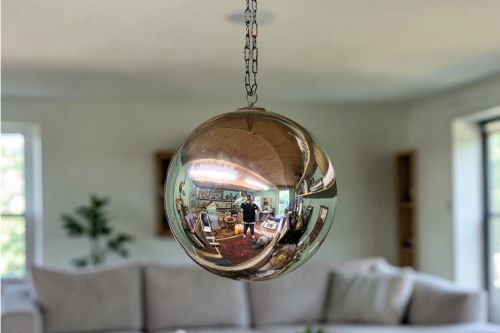
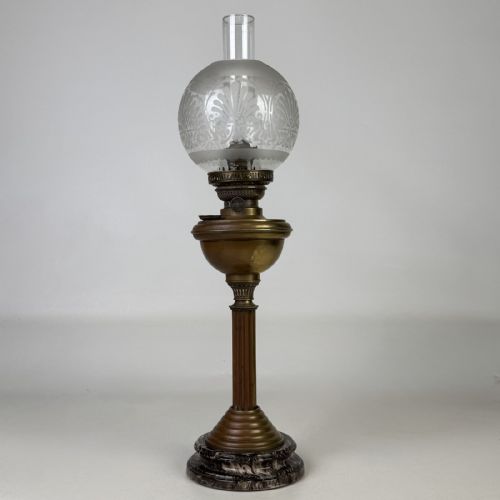
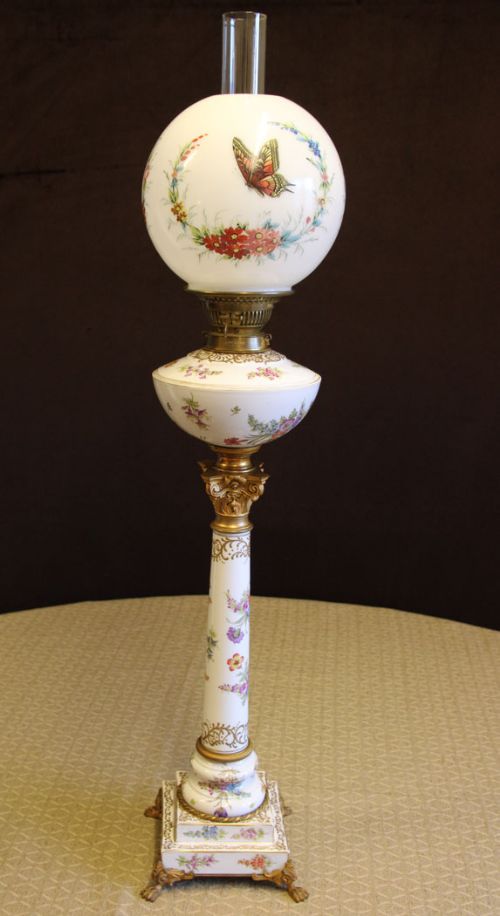
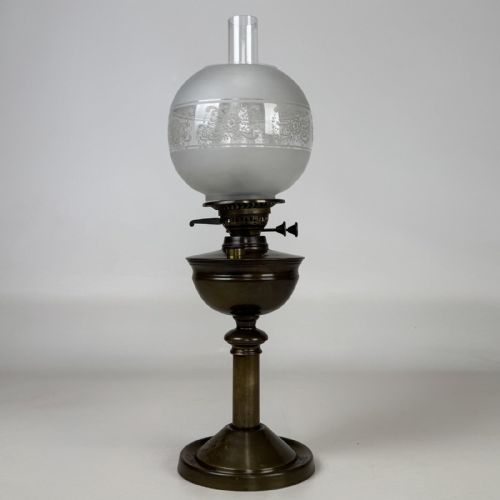
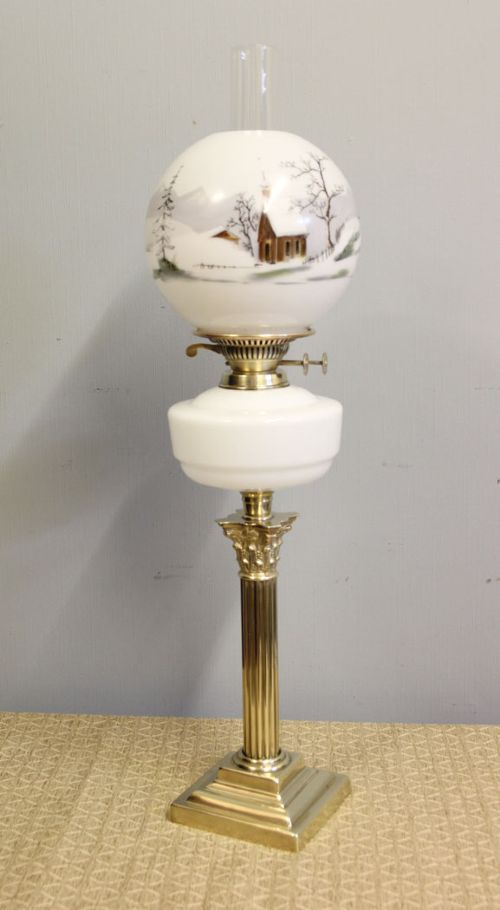
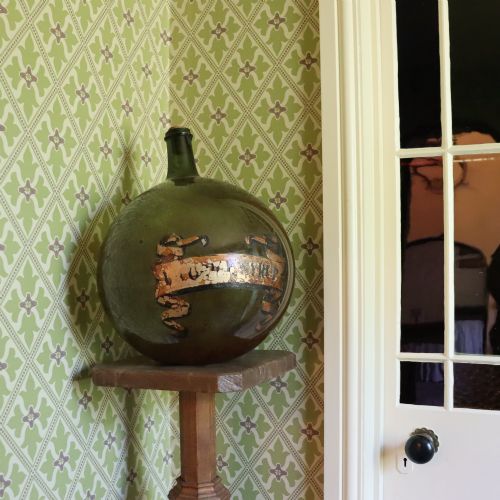
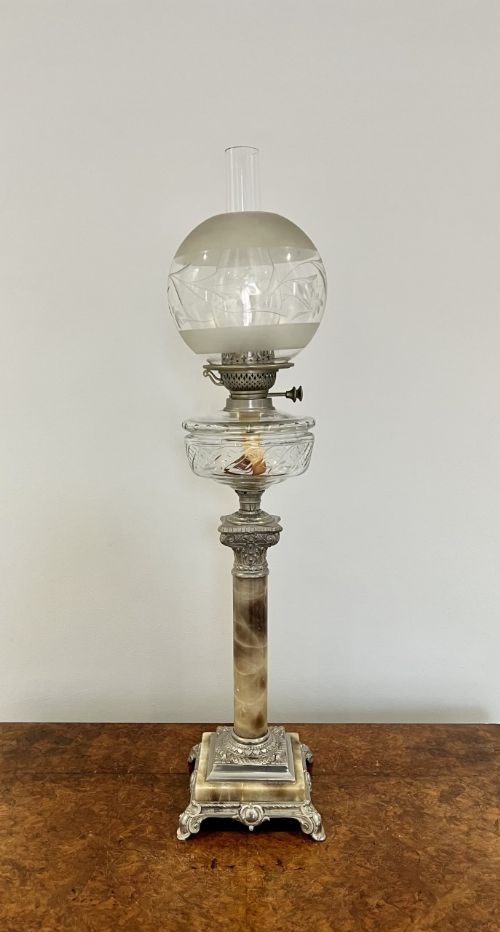
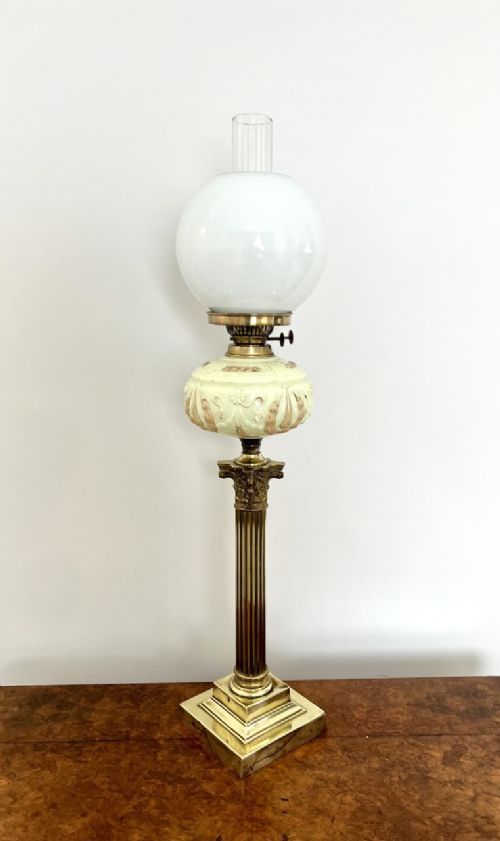
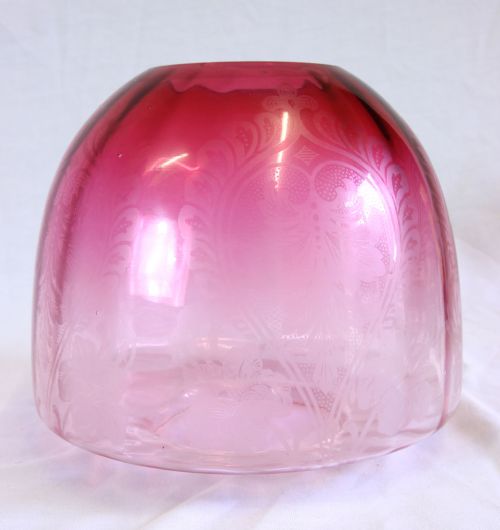
Beyond standalone cartographic spheres, listings grouped under this phrase include spherical glass lamp shades and lamp globes designed for nineteenth-century lighting. These glass components share the characteristic rounded form of cartographic globes.
Materials and construction
Cartographic globes were constructed using printed paper gores applied to a spherical core, which was often formed from plaster or papier-mâché over a solid centre. Artisans hand-coloured the paper maps before sealing them with varnish.
Stands and mountings utilise brass, mahogany, ebonised wood and other turned woods to support the sphere. Glass lamp shades and globes employ blown or moulded glass, sometimes featuring frosted surfaces or etched patterns.
Victorian Globe Retail Price Guide 2026
Typical asking prices for victorian globe among the pieces listed under this phrase on Sellingantiques today, from the lower quarter to the upper quarter. They describe what is for sale here now, not the wider market.
Listings for this phrase combine geographical and celestial teaching tools with glass lamp shades sharing the same spherical form.
Distinctions in quality
Quality rests in the crispness of the cartographic engraving, the legibility of the period place names, and the intact condition of the paper gores. Fading, staining or extensive paper loss alters the desirability of a piece.
The craftsmanship of the supporting stand contributes significantly to the overall merit. Heavy brass meridian rings, well-turned wooden bases and original maker labels elevate the standing of a sphere.
Lebegue & Cie·Parkes & Hadley·Hughes & Son London·Malby s·Perry & Co
The Victorian Globe Glossary
- Gores
- The paper strips, printed with map segments, that are tapered to fit smoothly over a spherical globe. Accurate registration of these segments requires skilled alignment during manufacture.
- Celestial globe
- A sphere mapping the apparent positions of stars, constellations and astronomical coordinates in the night sky. These were often paired with terrestrial globes.
- Terrestrial globe
- A model of the earth depicting continents, oceans, shipping routes and political boundaries of the period. Cartographers updated these plates as new territories were mapped.
- Meridian ring
- The graduated brass or metal ring that encircles a globe and holds it at the correct axial tilt. This component allows the sphere to rotate freely for demonstration.
- Lamp globe
- A rounded glass shade enclosing the flame or bulb of a nineteenth-century oil lamp. These items diffuse light and match the spherical geometry of cartographic models.
Victorian Globe: Frequently Asked Questions
What is a terrestrial globe?
A terrestrial globe is a spherical model of the earth that shows continents, countries, oceans and historical shipping routes. It reflects the geographical knowledge of the era in which it was produced.
These pieces served as practical reference tools in studies, libraries and schoolrooms. Today, they function as decorative objects that record historical borders.
How do I read a celestial globe?
A celestial globe maps the stars and constellations as viewed from an imaginary position outside the sphere of the heavens. The constellations are drawn in reverse so they appear correctly when viewed from earth.
Astronomers and navigators used these spheres to calculate star positions and track astronomical movements. They display intricate illustrations of mythological figures representing star groups.
What materials make up these spheres?
Nineteenth-century globes typically feature a papier-mâché or plaster core covered with printed paper map segments known as gores. The sphere is then mounted within a brass meridian ring and supported by a wooden stand.
Alternative items listed under this term utilise blown or frosted glass for lighting fixtures. These glass globes were shaped in moulds and fitted to oil lamps.
How do I care for an antique globe?
Keep nineteenth-century globes away from direct sunlight and damp environments to protect the fragile paper gores and varnish. Dust the surface gently with a dry, soft cloth without applying liquids or cleaning solutions.
Handle the wooden stands and brass mountings with care when adjusting the angle of the sphere. Maintaining stable indoor humidity prevents the paper from cracking or lifting from the core.