



Victorian Globe Lights
These victorian globe lights bring genuine period character to a room, combining heavy brass engineering with soft, diffused glass illumination.
Victorian Globe Lights
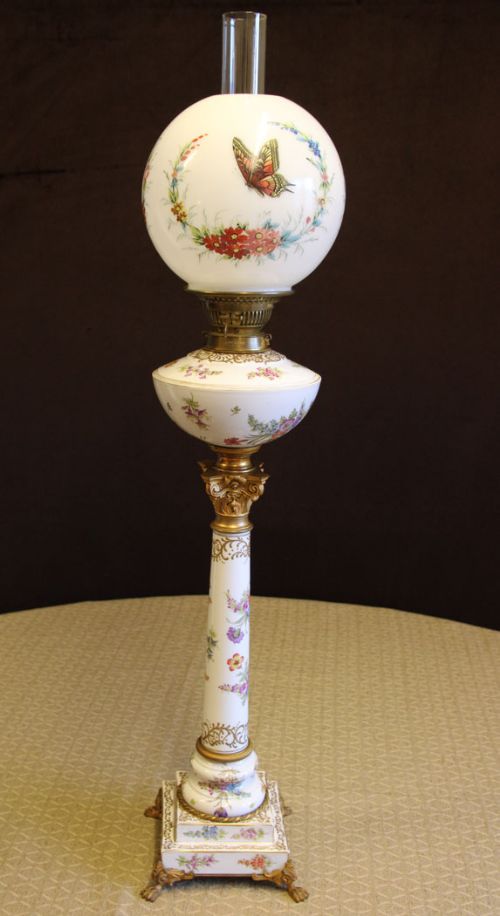
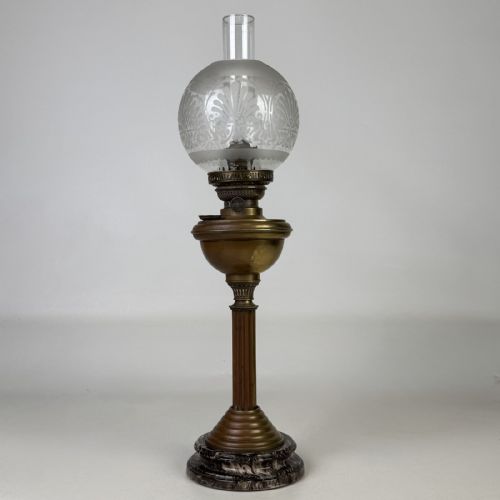
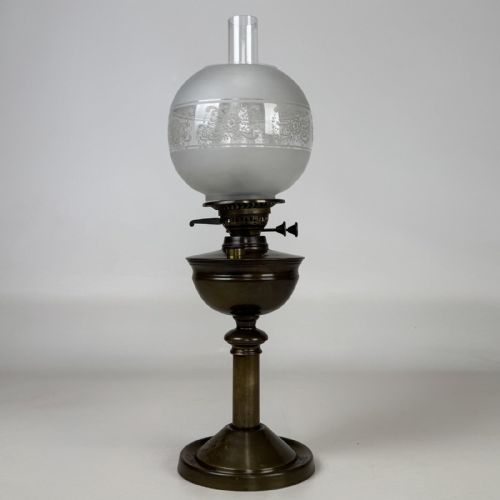
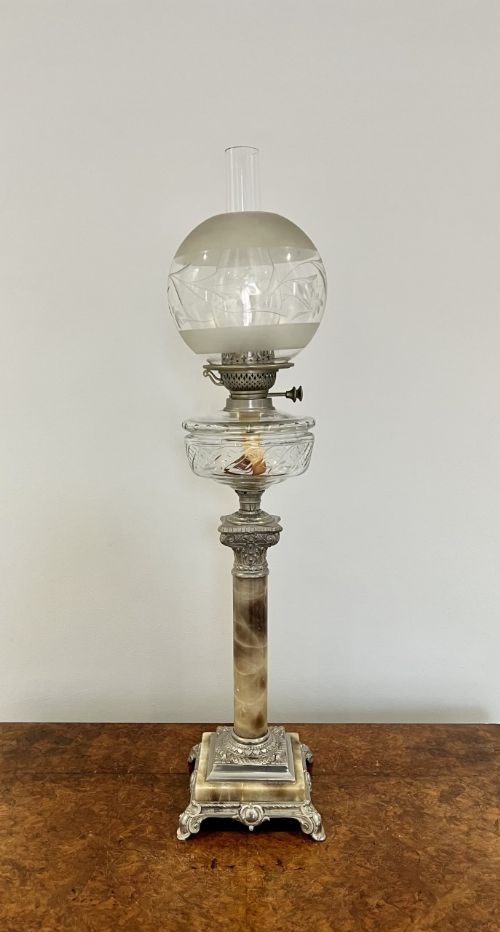
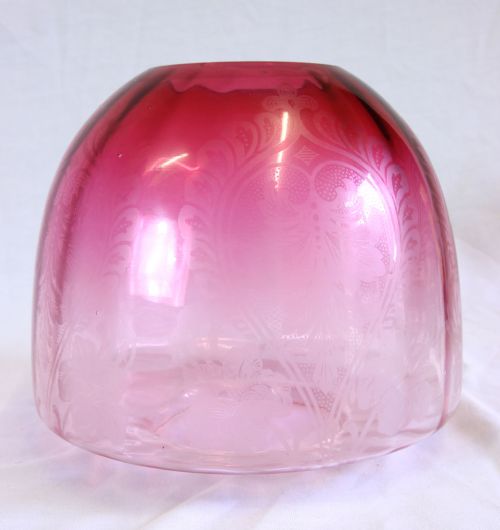
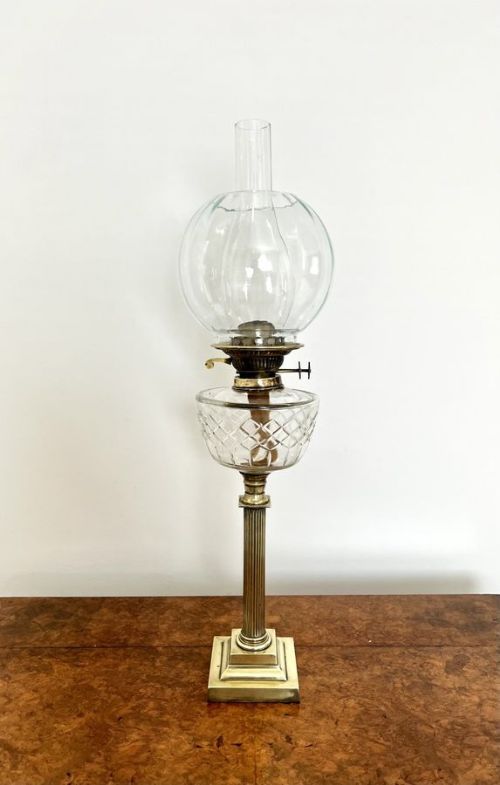
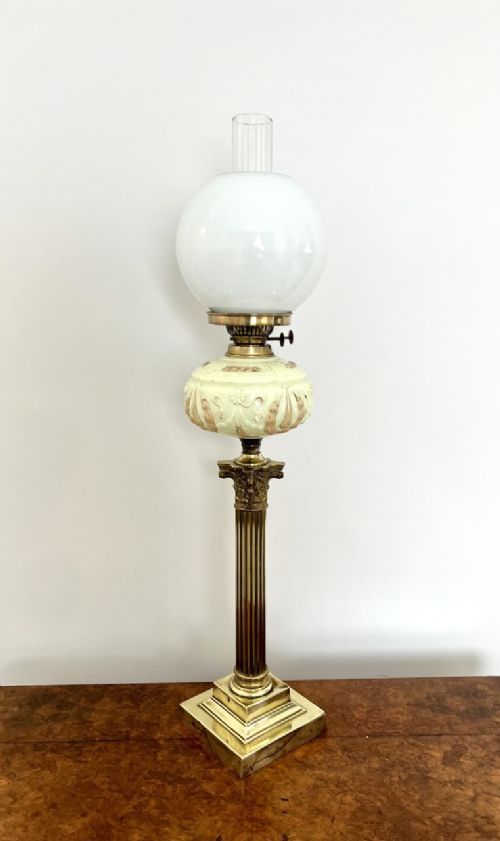
When you search for victorian globe lights, you encounter a selection of nineteenth and early twentieth-century lighting fixtures, predominantly oil lamps and ceiling pendants designed to cast an even glow. The most common forms on this page pair a substantial brass or bronze column with a rounded glass shade, often in opaline, frosted or cranberry finishes.
Many of these pieces began life as paraffin or oil lamps before later conversion to electricity, retaining their original burners, fonts and decorative columns. Alongside standard table lamps, you will find ceiling lanterns, chandeliers and individual glass globes spanning the Victorian and Edwardian periods.
How they were made
The heavy bases and columns rely on cast and turned brass, bronze or occasionally porcelain and faience, providing the necessary weight to support large glass vessels. Burner mechanisms, such as the Vulcan style, sit atop ceramic or glass reservoirs, which hold the fuel in original configurations.
The globes and shades are formed from blown glass, incorporating techniques like acid etching, casing in opaque white opaline, or striking colour additions like cranberry and green tints. Mountings utilise threaded brass rings and galleries to secure the glass securely above the font.
Victorian Globe Lights Retail Price Guide 2026
Typical asking prices for victorian globe lights among the pieces listed under this phrase on Sellingantiques today, from the lower quarter to the upper quarter. They describe what is for sale here now, not the wider market.
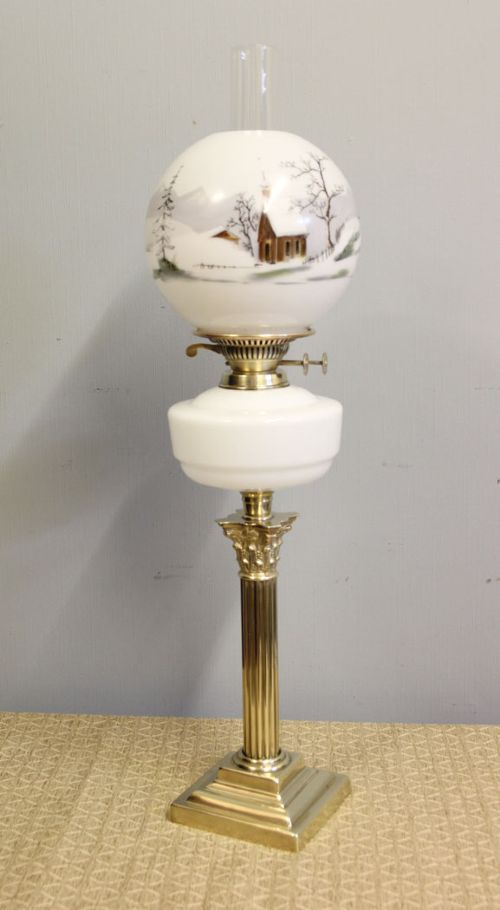
Some globes feature snowy winter landscapes painted inside, waiting for the lamp to warm up.
What varies in quality
The distinction between standard production and finer examples lies in the crispness of the brass casting, the weight of the metal components, and the artistic merit of any hand-painted or etched decoration on the glass. Maker attribution also plays a role, with documented pieces carrying foundry or burner stamps showing superior finishing.
Proportion and material integration define the overall standard, where pieces featuring harmoniously matched ceramic fonts, original opaline globes and complex column designs outrank simpler utilitarian lighting.
Hinks of Birmingham·Perry and Co·Messengers·Harrods
The Victorian Globe Lights Glossary
- Opaline Glass
- An opaque white glass developed to diffuse light softly without glare. It frequently appears in globe shades and pendant lanterns from the nineteenth century.
- Pricket
- A spike on a candlestick or lamp base designed to support a candle or secure a specific fitting. It appears on taller ecclesiastical or Gothic style stands.
- Gallery
- The metal ring with small screws at the top of an oil lamp that holds the glass shade in place. A secure gallery prevents the globe from wobbling.
- Faience
- Tin-glazed earthenware used for decorative lamp bases and reservoirs. It brings colourful glazed patterns to bronze and brass mounts.
Victorian Globe Lights: Frequently Asked Questions
Were these originally oil lamps?
Many examples began as burning lamps fueled by paraffin or oil before being adapted for modern electric wiring. They retain their original metal burners and glass reservoirs despite the internal conversion.
Some ceiling pendants and lanterns were manufactured specifically for gas or early electric lighting from the outset. Examining the internal fittings usually reveals whether the fuel chamber remains intact.
How do I identify a Victorian globe shade?
Authentic period shades feature hand-blown glass characteristics such as pontil marks, minor air bubbles within the material, and hand-applied or etched decoration. They heavy and substantial compared to modern reproductions.
The fitter rim where the shade meets the brass gallery is often hand-ground rather than machine-cut, showing the age of the glass.
Can I still burn oil in them?
Most pieces listed have undergone conversion to electricity for domestic convenience and safety. Restoring one back to an active oil-burning state requires checking the integrity of the font and burner mechanism.
It is advisable to consult a specialist lighting restorer before attempting to use historic lamps with fuel again.
How do I clean the brass and glass?
Glass shades benefit from warm soapy water and careful handling, avoiding harsh abrasives that might damage etched patterns or coloured glass layers. Old brass develops a dark patina over time which many collectors prefer to leave undisturbed.
If cleaning metalwork, use a mild non-abrasive polish and a soft cloth to preserve the underlying detail of the casting.