
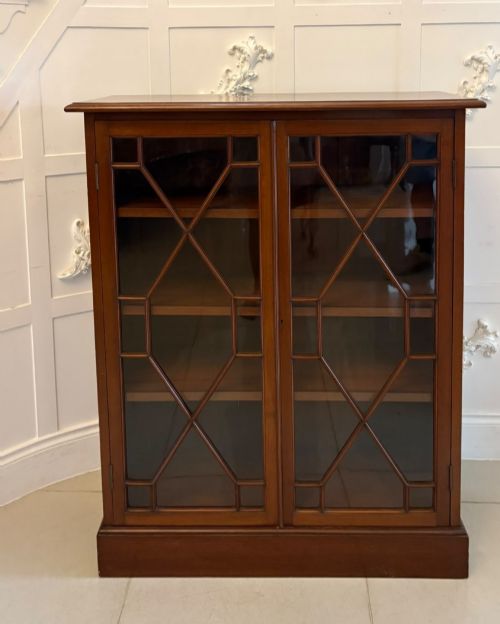
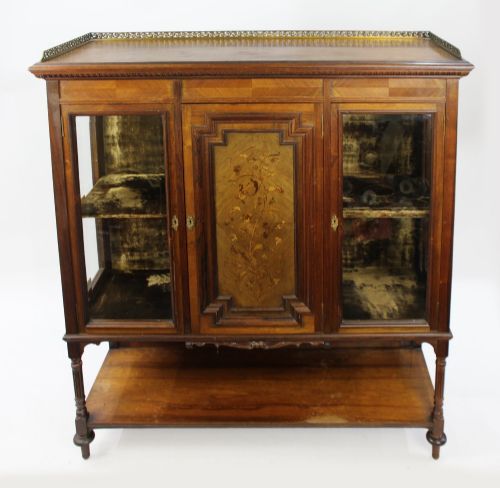
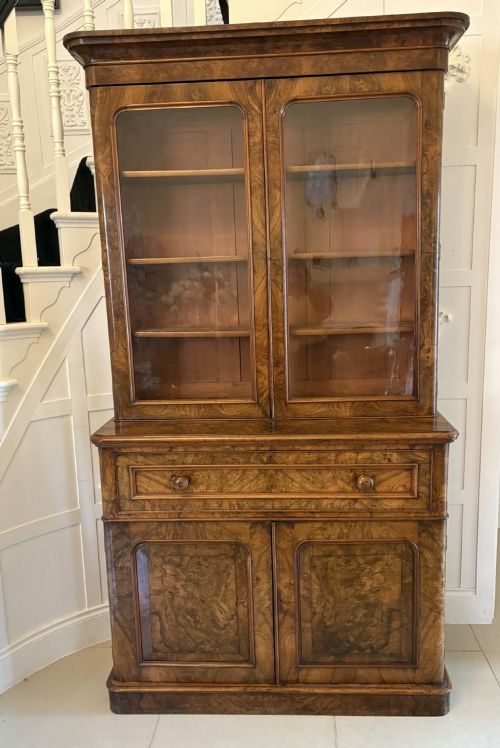
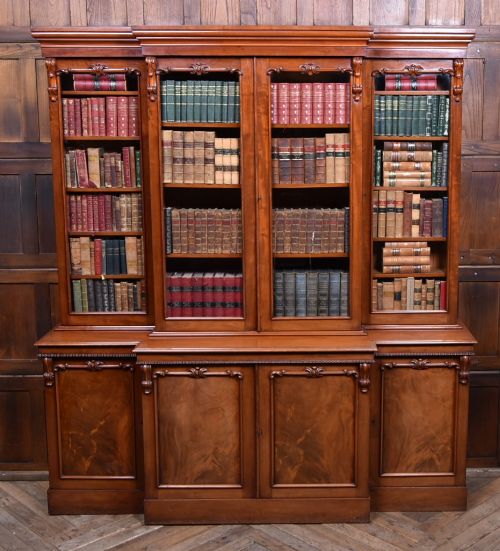
Victorian Glazed Door Cabinet
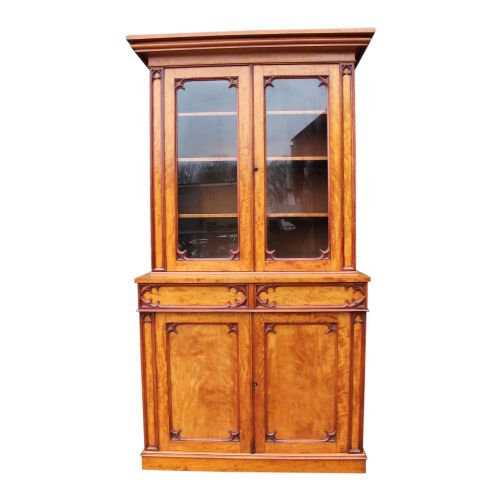
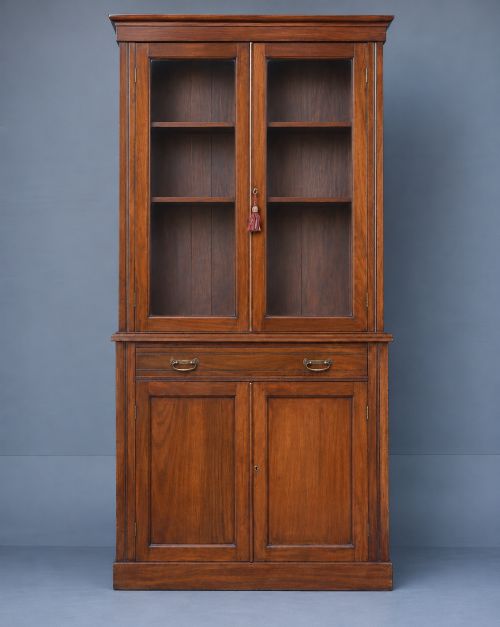
A victorian glazed door cabinet brings timber warmth and clear display space to a room, holding books and porcelain behind glass.
Victorian Glazed Door Cabinet
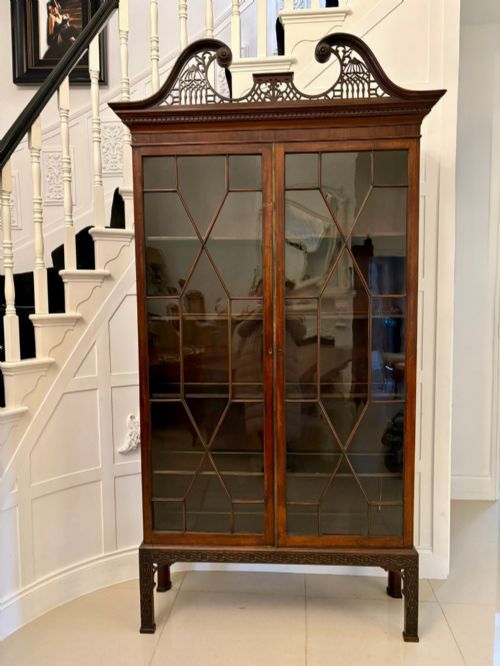
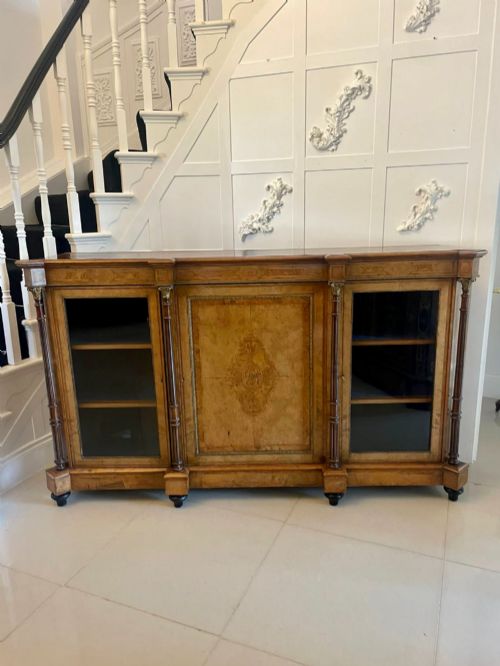
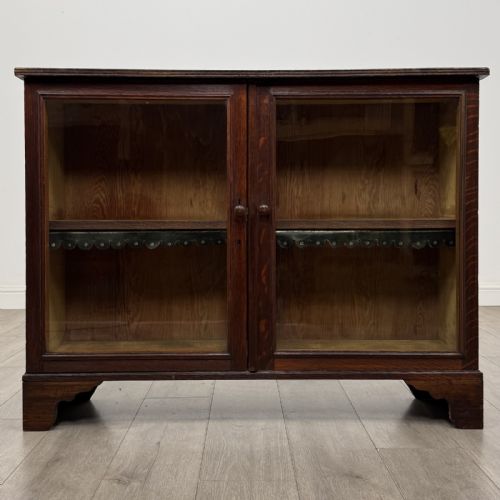
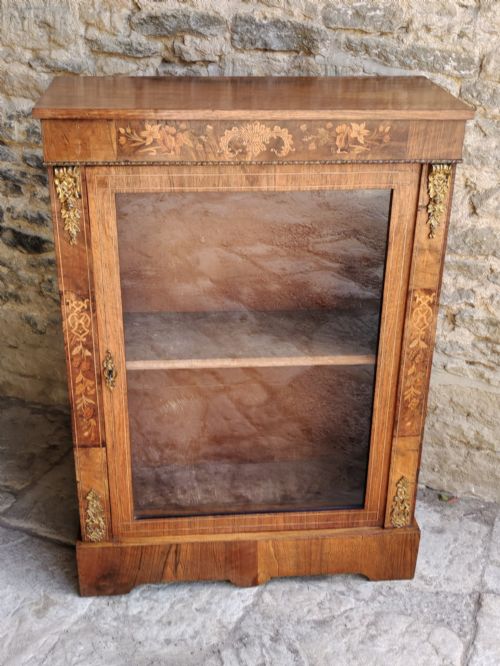
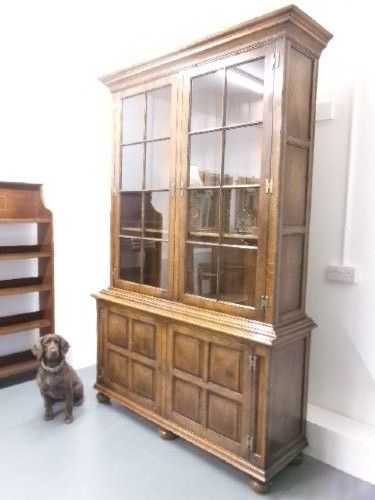
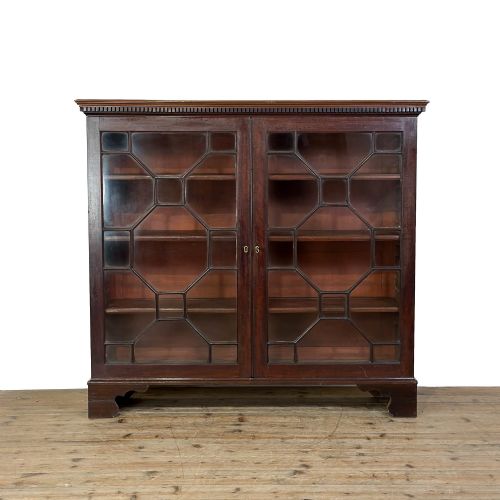
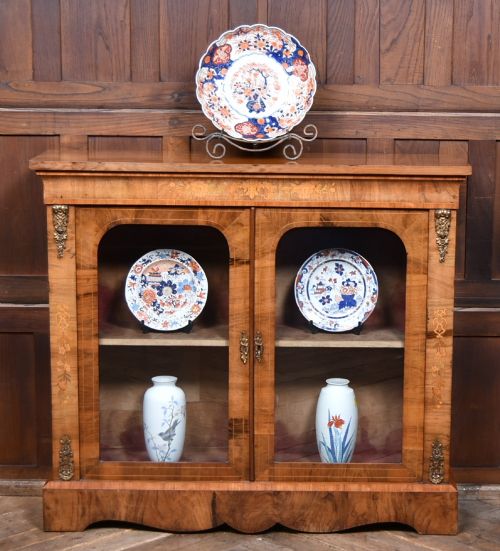
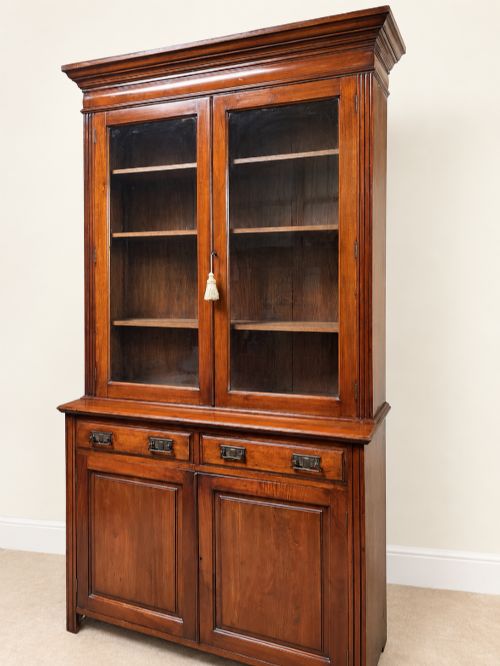
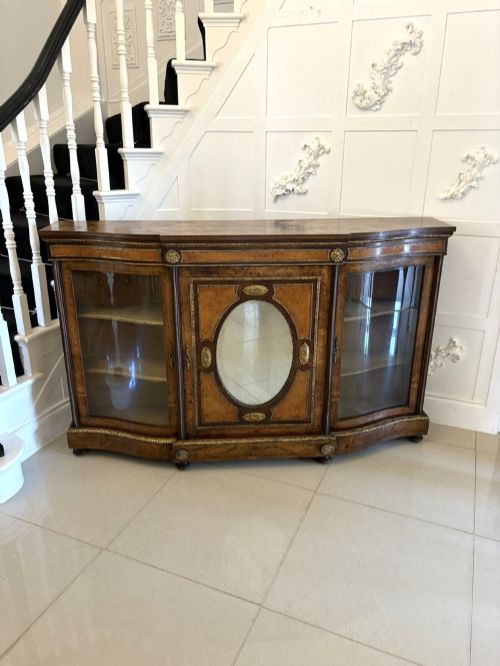
A victorian glazed door cabinet appears in many forms across this selection, from tall library bookcases and breakfront display units to smaller pier cabinets and wall-hanging cupboards. These pieces emerge primarily from the nineteenth century, spanning decades from the eighteen-fifties through the Edwardian transition.
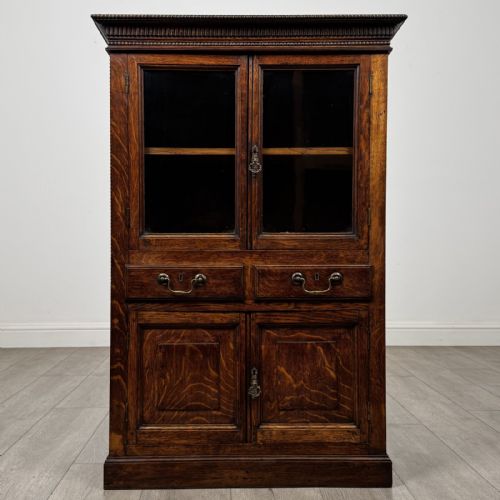
Mahogany and walnut form the backbone of these pieces, alongside regional pine kitchen dressers and Welsh oak cupboards. Buyers will encounter Scottish country variants and rustic farmhouse pieces sitting alongside formal revival styles.
The primary function remains storage and display, pairing enclosed shelving with glass panels to protect volumes and ornaments from dust. Bookcases and display cabinets dominate the offerings, providing functional furniture built for domestic utility.
Materials and Construction
Cabinet makers utilised dense hardwoods like mahogany, walnut, and burr walnut for formal pieces, often applying figured veneers to create striking grain patterns on front surfaces. Pine and oak serve as the primary timbers for regional, kitchen, and vernacular dressers.
Glass panels are fitted into wooden doors using traditional joinery, occasionally supported by brass mounts, gilt stringing, or ormolu embellishments. Interior arrangements frequently incorporate adjustable wooden shelving or specialised fittings such as music filing drawers.
Listings feature extensive selections of mahogany and burr walnut, alongside painted pine kitchen dressers from Welsh and Scottish regional workshops.
Assessing the Pieces
Quality rests upon the selection of timber figures, such as symmetrical burr walnut veneers or well-matched flame mahogany panels, which elevate standard utility furniture into high-status pieces. The crispness of carved wooden details and the integration of ormolu mounts or floral marquetry further distinguish finer examples.
Proportion and scale dictate the visual success of a cabinet, with narrower pier cabinets and breakfront bookcases requiring careful balance between glass panels and solid framing. The retention of original glass, working locks, and functional adjustable shelving preserves both utility and historical integrity.
Edwards and Roberts
The Victorian Glazed Door Cabinet Glossary
- Pier cabinet
- A low cabinet designed specifically to stand against the narrow wall space between windows. These pieces often feature glass doors and Ormolu mounts.
- Breakfront
- A piece of furniture where the central section projects forward from the flanking wings. This configuration adds architectural depth to large bookcases and sideboards.
- Ormolu
- Gilded bronze ornamentation applied to cabinet surfaces and mounts. Makers used it extensively on mid-nineteenth-century walnut and ebonised pieces.
- Credenza
- A low sideboard or cabinet, frequently fitted with glass doors and decorative mounts. They serve as principal display surfaces in formal reception rooms.
- Secretaire
- A cabinet incorporating a pull-down writing drawer with an fitted interior of small drawers and pigeonholes. These combine desk space with bookshelf storage.
Victorian Glazed Door Cabinet: Frequently Asked Questions
What is a victorian glazed door cabinet used for?
These cabinets store and display books, ceramics, and personal collections behind protective glass doors. They combine enclosed lower storage or drawer space with upper shelving.
Historically placed in libraries, drawing rooms, and studies, they keep volumes clean while allowing them to remain visible for daily reference.
How do I tell early Victorian from late Victorian pieces?
Early pieces from the eighteen-fifties often feature substantial flame mahogany construction with simple architectural lines. Late examples lean towards satinwood, ebonised finishes, or revival styles.
Construction methods also shift over time, with machine-sawn timber elements becoming more common towards the close of the nineteenth century.
Where should I place a pier cabinet at home?
Pier cabinets fit well against narrow wall sections, hallways, or beside fireplaces where standard bookcases prove too wide. Their shallow depth preserves floor space.
They work effectively to display small collections of glass, porcelain, or silver without dominating the proportions of a smaller room.
Are the shelves inside these cabinets adjustable?
Many library bookcases and display cabinets feature adjustable wooden shelving supported by traditional rackwork or wooden pegs. This allows storage heights to change.
Buyers should verify internal fittings, as regional pine cupboards and older vernacular pieces occasionally feature fixed shelves nailed into the carcase.