




Victorian Glass Showcase Cabinet
These pieces of a victorian glass showcase cabinet group grand home display fixtures and trade counters designed to hold collections and goods in clear view.
Victorian Glass Showcase Cabinet
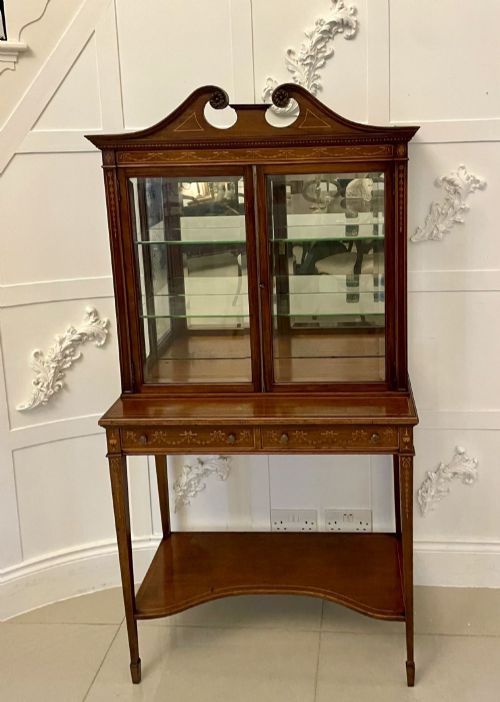
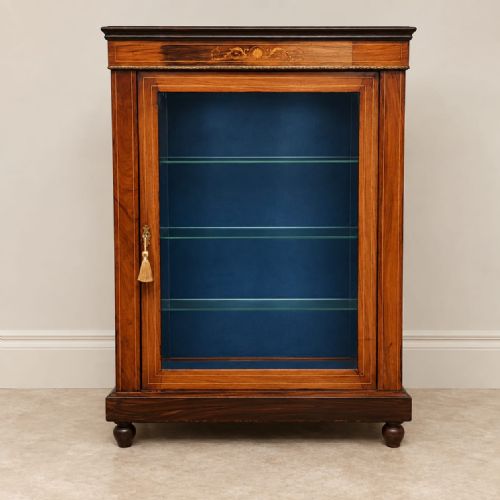
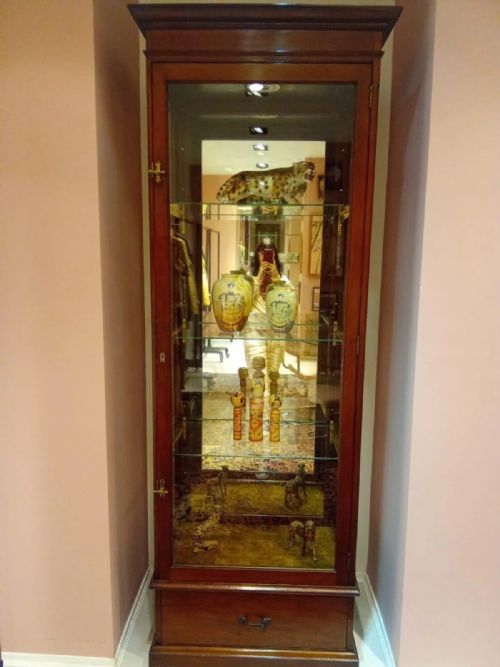
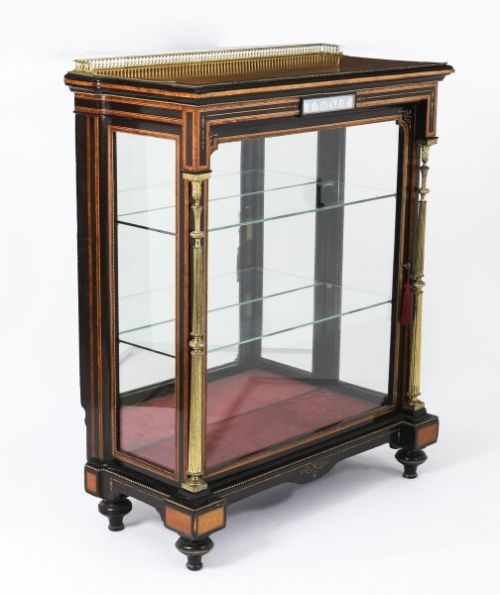
When you search for a victorian glass showcase cabinet, you encounter domestic vitrines and commercial shop fittings built to exhibit objects behind clear glazing. The domestic pieces take the form of pier cabinets, corner units, and wall-hanging display cases intended for parlours and drawing rooms.
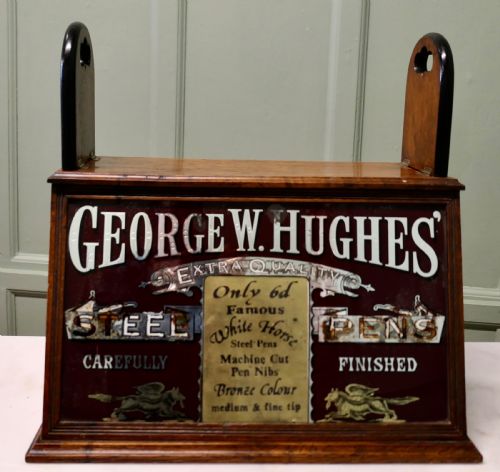
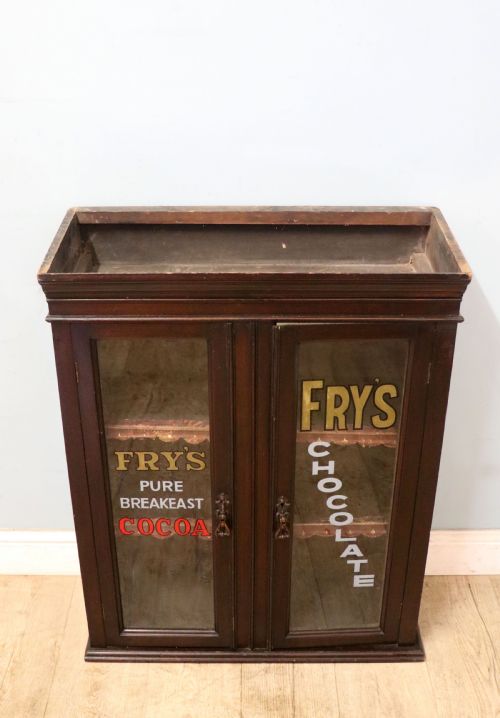
Commercial variants include counter-top shop showcases, tall floor-standing vitrines, and haberdashery cabinets designed for retail interiors. Many of these trade pieces bear later sign-written advertising for chocolate, cocoa, and gunsmiths.
The dominant material presence on this page is mahogany, walnut, and oak, often paired with extensive glass panels and mirrored interiors. You also find specialised display domes and cloches meant for taxidermy and delicate specimens.
How they were made
Cabinet makers utilised dense hardwoods including mahogany, walnut, amboyna, and rosewood, frequently enhanced by marquetry inlay, ebonised detailing, and brass mounts. Ormolu and gold leaf add decorative highlights to the finest commercial and domestic showcases.
Glazing forms the central construction element, requiring large panes of clear glass set into timber frames alongside mirrored backs that bounce light through the interior shelves. Adjustable glass shelves and tightly sealed counter doors protected fragile goods from dust and handling.
Victorian Glass Showcase Cabinet Retail Price Guide 2026
Typical asking prices for victorian glass showcase cabinet among the pieces listed under this phrase on Sellingantiques today, from the lower quarter to the upper quarter. They describe what is for sale here now, not the wider market.
Several trade cabinets retain their original sign-writing, having spent a century selling chocolate and cocoa before entering the antiques market.
What varies in quality
The distinction between standard utility shop fittings and elite domestic furniture rests on timber selection and decorative finish. Finely figured burr walnut veneers, intricate brass or ormolu mounts, and delicate string inlay separate high-drawroom vitrines from plain commercial counters.
Originality of the glass panels, the presence of working locks, and the refinement of the interior mirror work dictate the standing of an individual cabinet. Trade pieces gain character from authentic period sign-writing, whereas domestic pieces rely on the harmony of their proportions and the depth of the French polish.
The Victorian Glass Showcase Cabinet Glossary
- Vitrine
- A glass-fronted display cabinet used for holding fine porcelain, curiosities, or small collectibles. They often feature glazed side panels to maximise light.
- Pier cabinet
- A low domestic cabinet designed to stand against the wall space between windows. These pieces typically incorporate a single glazed door and satinwood inlay.
- Cloche
- A bell-shaped glass cover set upon a base to protect and display delicate objects or specimens. They were widely utilised for taxidermy displays in the nineteenth century.
- Bijouterie table
- A glass-topped display table intended for jewellery, medals, and small decorative items. The glazed compartment sits at a comfortable viewing height.
- Ormolu
- Gilded bronze mounts applied to furniture for decorative effect. The technique produces a bright metallic contrast against dark timbers like mahogany and walnut.
Victorian Glass Showcase Cabinet: Frequently Asked Questions
How do I light a glass cabinet safely?
Modern low-heat LED strip lighting can be installed discreetly inside the timber frame to illuminate shelves without damaging fragile items. Avoid high-heat halogen bulbs that might warp antique veneers or dry out old timber joints.
Run slim wiring down through the back corner of the cabinet to keep cords out of sight while maintaining a clean aesthetic.
Were these cabinets used in shops or homes?
Both environments utilised these showcases, though their construction reveals their original purpose. Domestic vitrines featured refined timbers like rosewood and marquetry for parlours, while shop counters and haberdashery units prioritised robust oak, adjustable glass shelves, and clear signage.
Many trade counters later found their way into domestic settings to serve as striking kitchen islands or sitting room display pieces.
How do I care for antique glass and wood?
Clean the glass panels using a mild, non-ammonia solution applied to a cloth rather than sprayed directly onto the surface, preventing liquid from seeping into old wooden frames. Feed the mahogany and walnut surfaces periodically with a quality beeswax to preserve the polish and prevent the timber from drying.
Keep these cabinets away from direct sunlight and steady heat sources to protect the structural integrity of the glued joints and veneers.
How do I date a display cabinet?
Examine the construction methods, such as the uniformity of the timber boards, the type of screws used, and the clarity of the glass. Victorian pieces from the mid to late nineteenth century often display hand-cut dovetails and rich patination on the mahogany or walnut surfaces.
Commercial shop fittings frequently carry painted trade lettering or patent brass hardware that helps anchor their period of manufacture.