




Victorian Glass Pot
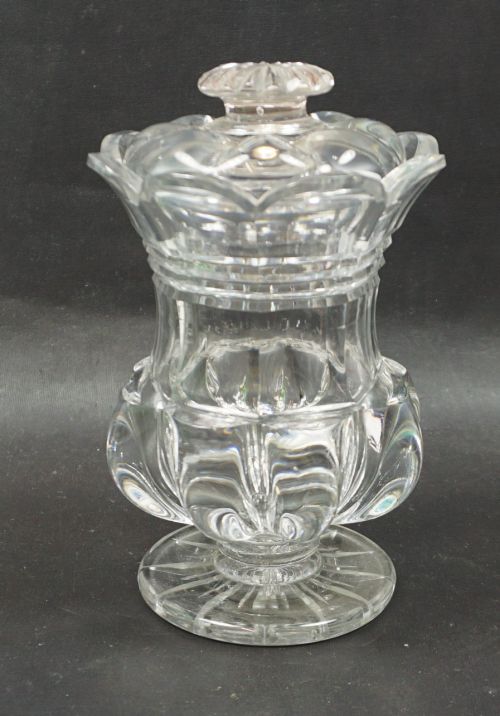
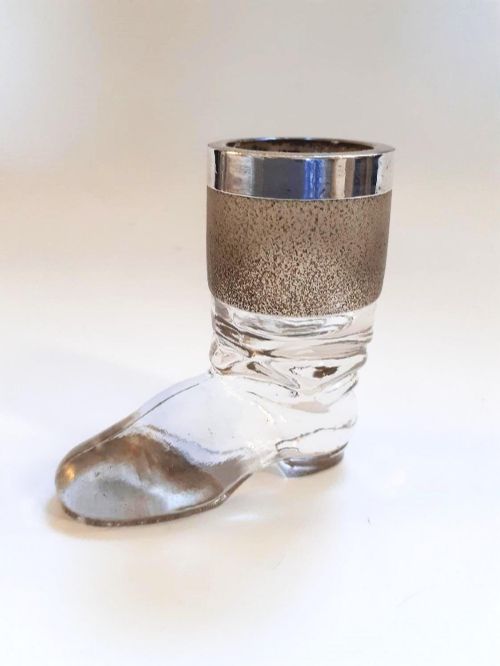
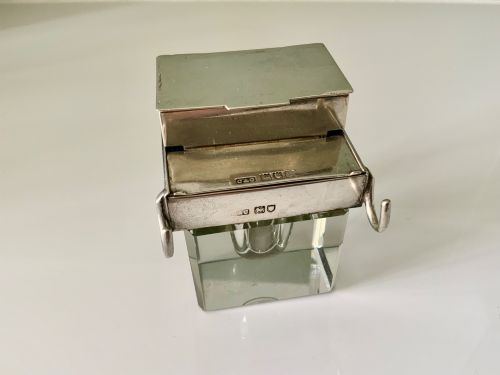
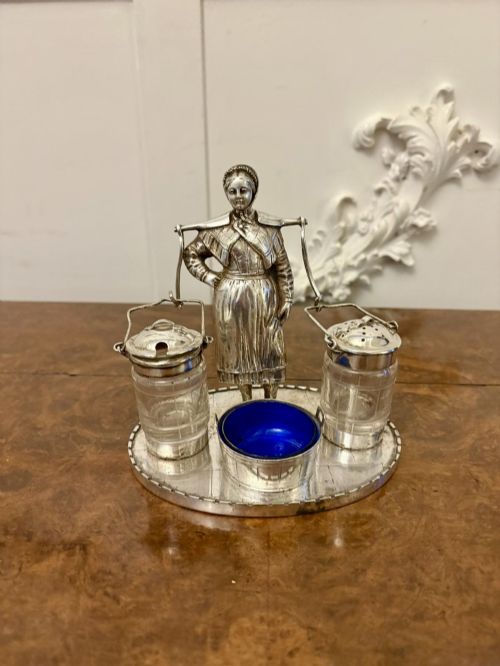
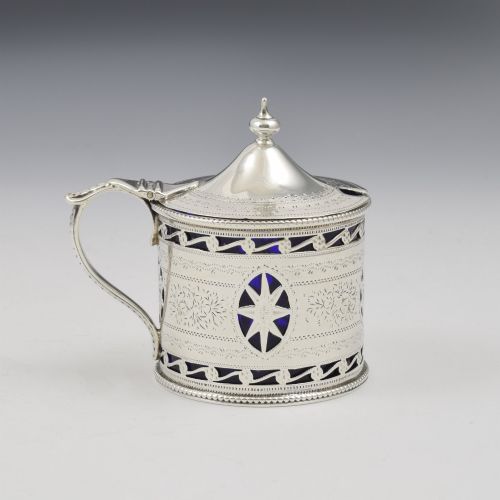
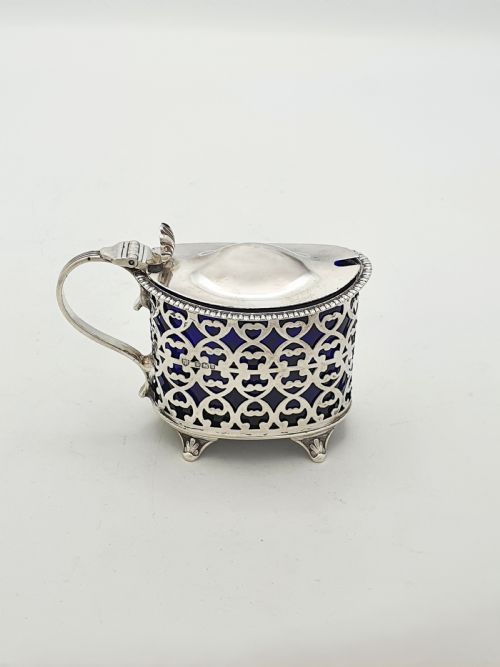
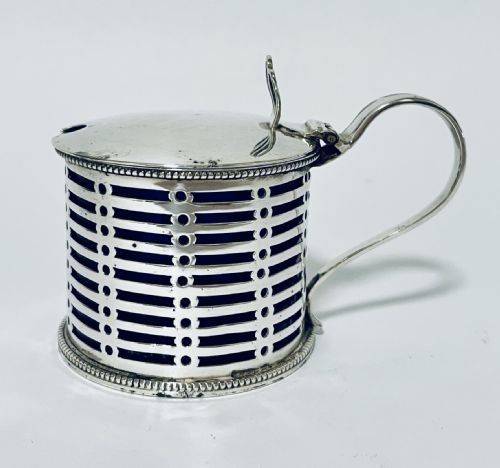
A victorian glass pot brings coloured and cut glass together with sterling silver mounts for the desk, table or dressing room.
Victorian Glass Pot
When you search for a victorian glass pot, you encounter an array of functional vessels spanning mustard pots, inkwells, trinket boxes and preserve dishes. These pieces originate primarily from the Victorian and Edwardian periods, often combining glass bodies with silver plate or sterling silver fittings.
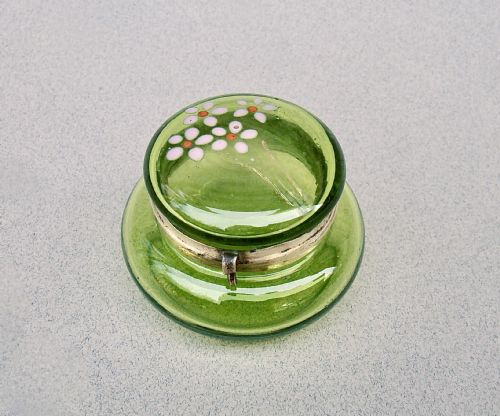
The most frequent examples on this page are mustard pots with hinged silver lids and glass liners, alongside cut glass trinket boxes and inkwells. Many incorporate coloured glass such as cranberry and cobalt, reflecting the decorative tastes of the nineteenth century.
Materials and construction
Glass is blown, moulded or cut to form the body of the pot, frequently utilising rich cranberry or cobalt hues alongside clear lead glass. Artisans then fitted these vessels with sterling silver or silver-plated mounts, often incorporating pierced work, engraving or guilloche enamel.
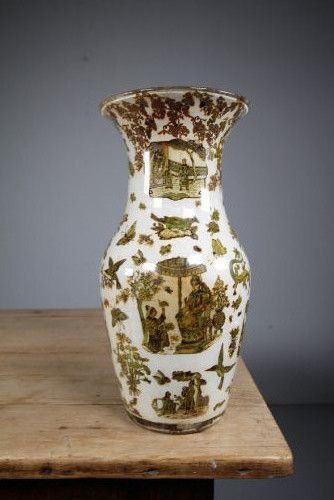
Makers combined glass and metal through bespoke mounts, hinges and collars tailored to each individual vessel. Decorative techniques such as enamel painting, decalcomania and latticinio cane work further enriched the surfaces of boxes and jars.
Victorian Glass Pot Retail Price Guide 2026
Typical asking prices for victorian glass pot among the pieces listed under this phrase on Sellingantiques today, from the lower quarter to the upper quarter. They describe what is for sale here now, not the wider market.
Several novelty pieces take the form of miniature horse-drawn carriages and wheeled carts designed to hold condiment bottles.
The markers of quality
Quality rests upon the weight and clarity of the glass, the crispness of the cut or moulded patterns, and the substance of the metal mounts. Substantial sterling silver fittings and heavy-gauge cut glass distinguish finer pieces from lighter, mass-produced counterparts.
The integration between glass and metal indicates the maker's hand, where tight hinges, well-fitted lids and crisp hallmarks on sterling silver elevate the piece. The depth of colour in cranberry and cobalt glass also defines the visual appeal of the object.
Nathan & Hayes·Mappin Brothers·Charles Stuart Harris·Baccarat
The Victorian Glass Pot Glossary
- Cranberry glass
- A rich red-pink glass coloured with gold chloride during production. It appears frequently in Victorian tableware and biscuit barrels.
- Guilloche enamel
- Decorative mechanical engraving beneath a translucent layer of coloured enamel. It is often seen on silver-mounted inkwells and trinket boxes.
- Latticinio
- Opaque white glass threads embedded within clear glass in net or spiral patterns. This technique originates from Venetian glassmaking traditions.
- Cruet set
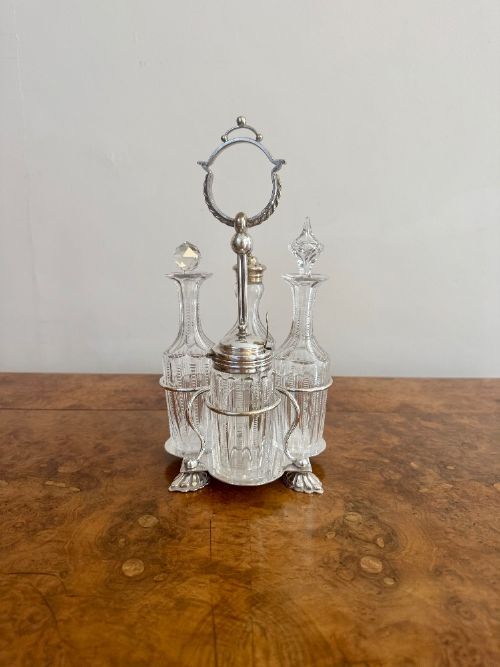
- A matched collection of bottles or pots for condiments and sauces, held within a silver-plated or sterling silver frame.
- Hallmark
- Official stamps struck into precious metal indicating the assay office, standard of purity and date letter. These marks provide precise dating for silver mounts.
Victorian Glass Pot: Frequently Asked Questions
How were mustard pots used?
A mustard pot sat on the dining table as part of a cruet set or alongside tableware to hold prepared mustard. A small spoon rested inside or beside the pot for serving.
These pots typically featured hinged silver lids to keep the condiment fresh and glass liners to protect the metal from vinegar.
How do I date silver mounts?
Silver mounts on Victorian glass often bear hallmarks stamped directly into the metal. These marks include assay office symbols and date letters.
Matching the date letter to historical assay records reveals the exact year the silver mount was tested and registered.
Where should I place an inkwell?
An inkwell belongs on a desk or writing table as a functional desk accessory. It holds liquid ink for a fountain or dip pen.
Glass inkwells with heavy brass or silver-plated collars provide stability and prevent tipping during use.