
Victorian Glass Pair
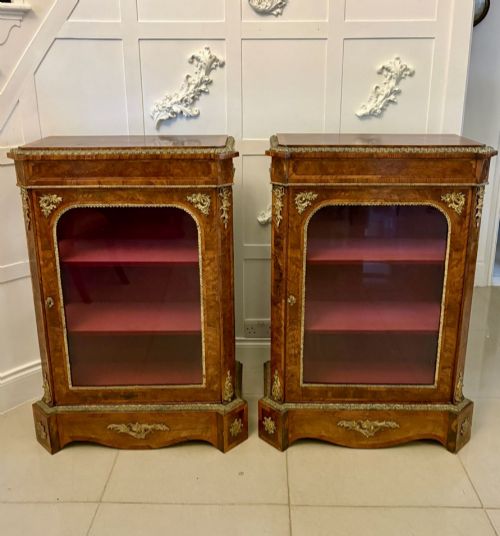
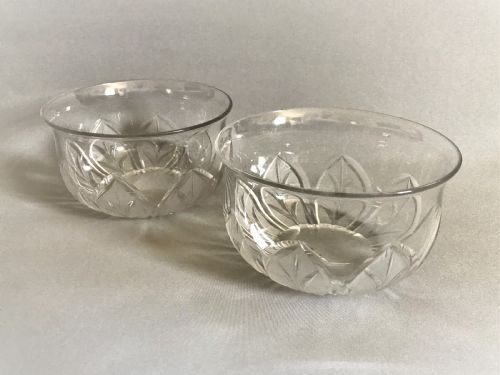
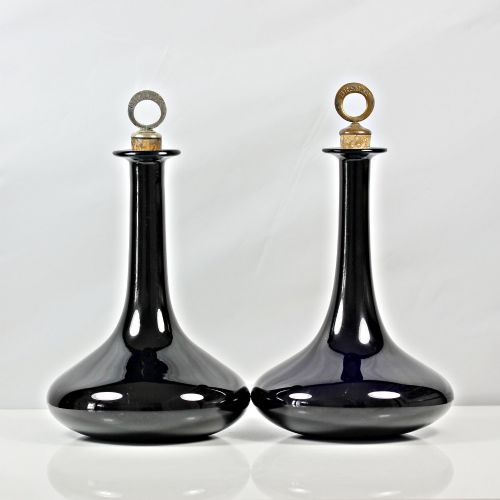
When searching for a victorian glass pair, collectors find matching vessels and table objects spanning wine glasses, lustres, and decanters.
Victorian Glass Pair
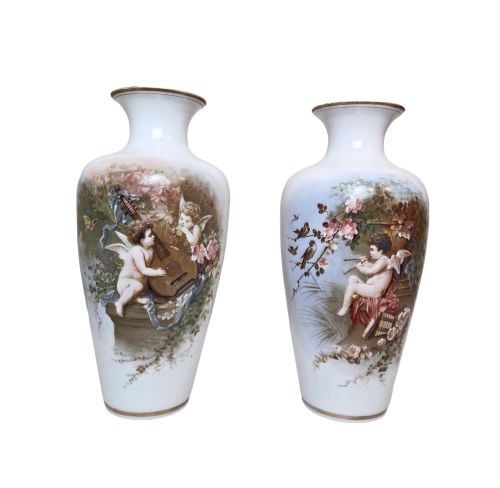
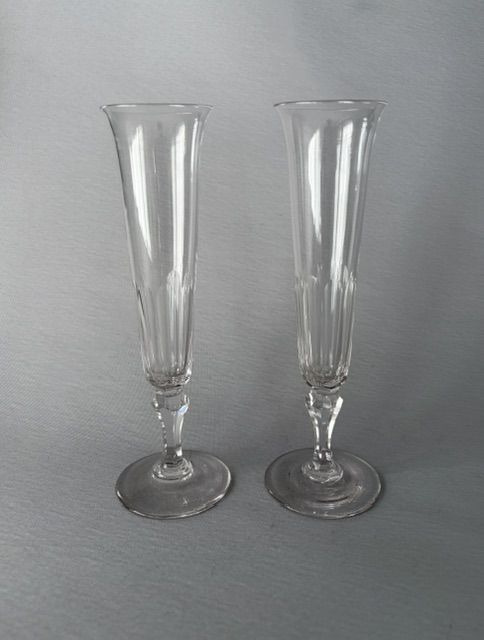
A victorian glass pair encompasses matched sets of utilitarian and decorative domestic objects created during the nineteenth century. Buyers typically encounter drinkware such as rummers, champagne flutes, and wine glasses, alongside display items including lustres, vases, and salts.
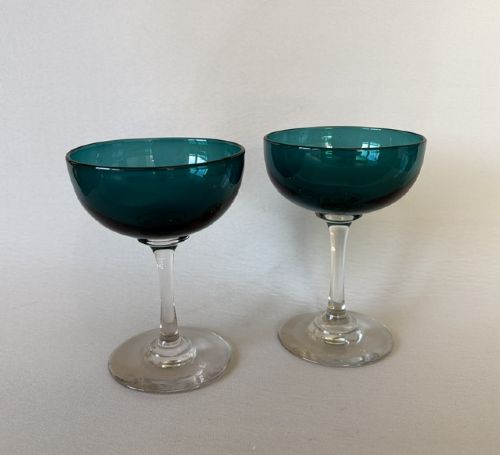
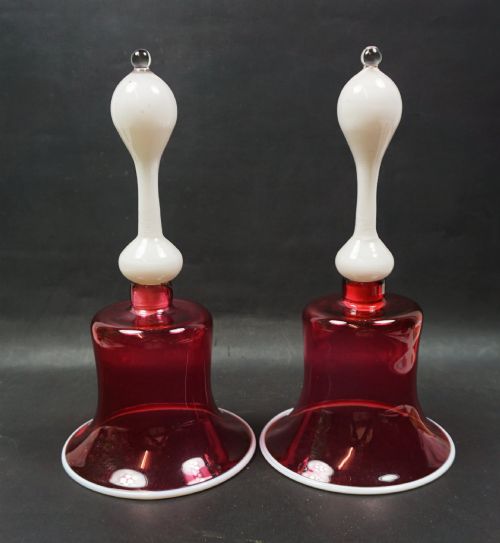
The selection reflects both table service and parlour decoration from the period. Items range from everyday Bristol blue and cranberry glass to heavily faceted and cut crystal intended for formal dining.
How they were made
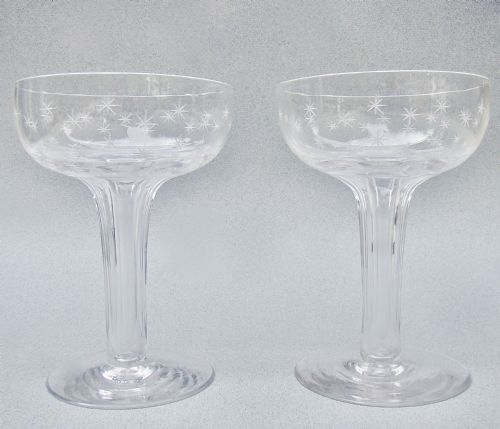
Glassmakers utilised traditional blowing and moulding techniques, often finishing vessels with hand-cut facets, star-etching, or engraved botanical motifs. Coloured glass varieties derived their hues from mineral additions such as uranium, gold, or copper oxide to produce vibrant cranberry, green, and yellow tones.
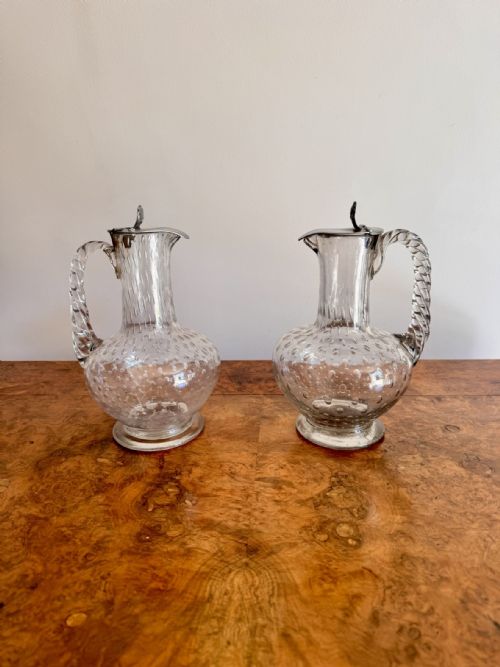
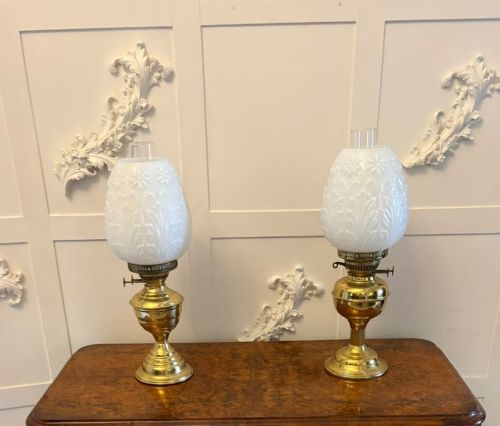
Many pairs incorporate supplementary elements in sterling silver, silver plate, or brass, providing collars, mounts, and stands that complement the glass body.
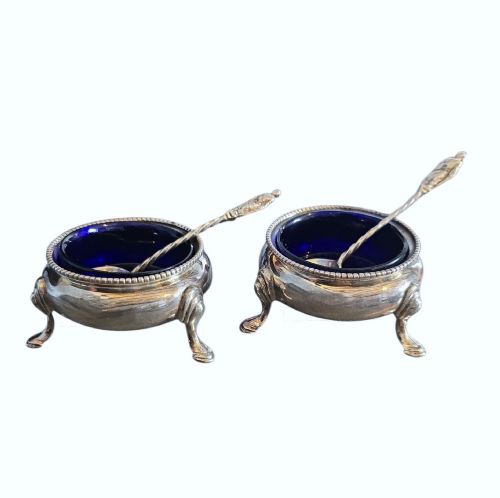
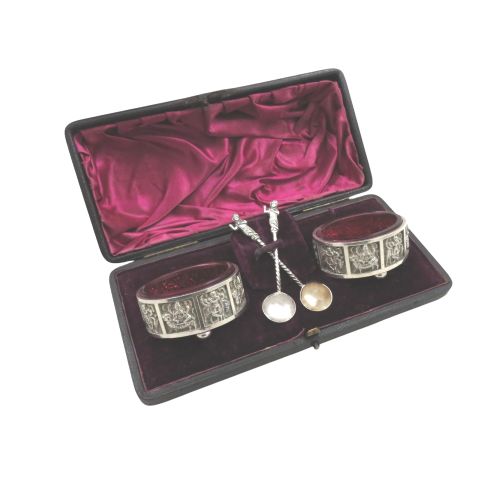
Some nineteenth-century tables featured matching glass salt cellars accompanied by tiny silver spoons shaped like Hindu deities.
What varies in quality
The standard of a pair is determined by the crispness of the cutting, the uniformity of the colour across both matching items, and the depth of any engraved decoration. Superior examples display precise facet geometry and clear, unclouded metal without distracting bubble inclusions.
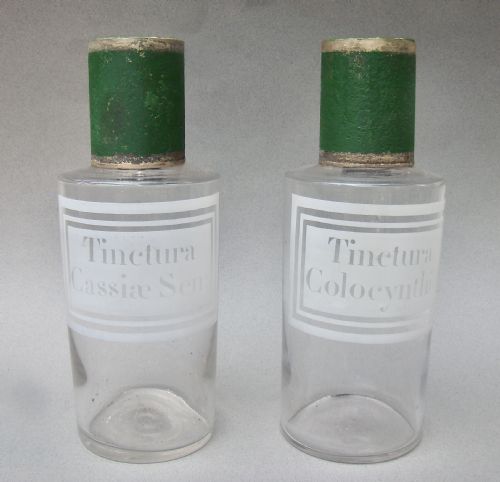
Matched sets that retain their original silver mounts, stoppers, or crystal drops command greater attention from collectors due to their completeness.
Thomas Hart Stone·Roberts And Belks·Richardson·Harrach
The Victorian Glass Pair Glossary
- Lustre
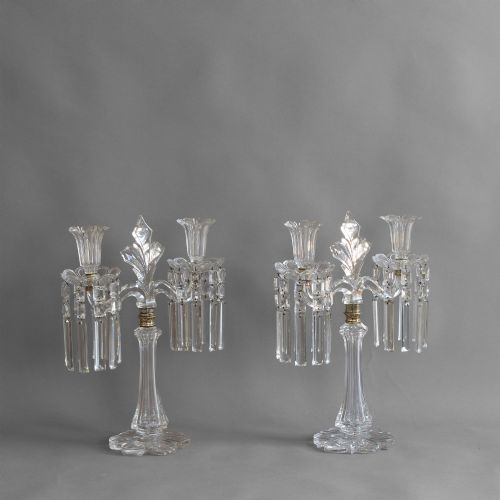
- A decorative tabletop vase fitted with hanging glass prisms or drops that catch the light. They were popular centrepieces on Victorian mantelpieces.
- Rummer
- A large, sturdy glass traditionally used for serving ale, punch, or wine. These heavy vessels feature short, thick stems.
- Uranium glass
- Glass containing trace amounts of uranium oxide to produce a distinctive yellow or green fluorescence under ultraviolet light. It is also known as vaseline glass.
- Cranberry glass
- A rich red-pink transparent glass created by adding gold chloride to the molten batch. It appears frequently in nineteenth-century tableware.
- Facet cut
- Geometric patterns of flat polished planes cut into the surface of a glass vessel. This technique enhances the refraction of light through lead crystal.
Victorian Glass Pair: Frequently Asked Questions
Are these items safe for daily use?
While many functional vessels were built for dining and drinking, nineteenth-century pieces often contain lead or other historical compounds. Consider limiting use to special occasions or display.
Inspect the rims and bases carefully before use to ensure there are no microscopic chips that could worsen with handling.
How can I tell genuine Victorian glass?
Examine the base for a pontil mark, which indicates where the glassblower's pontil rod was snapped off during hand manufacture. Look for minor imperfections such as tiny bubbles or striations that reveal age.
Machine-made modern reproductions typically exhibit uniform perfection and lack the hand-finished weight and slight asymmetry of period work.
Why do matching pairs vary slightly?
Handmade objects from the nineteenth century were shaped individually at the furnace rather than cast by automated machinery. Small discrepancies in height, thickness, or colour tone are natural indicators of authentic craftsmanship.
True uniformity across a set usually points to industrial mass production from a later era.