



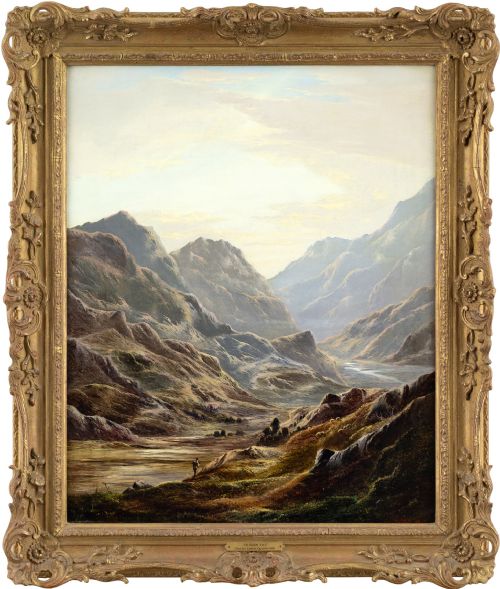
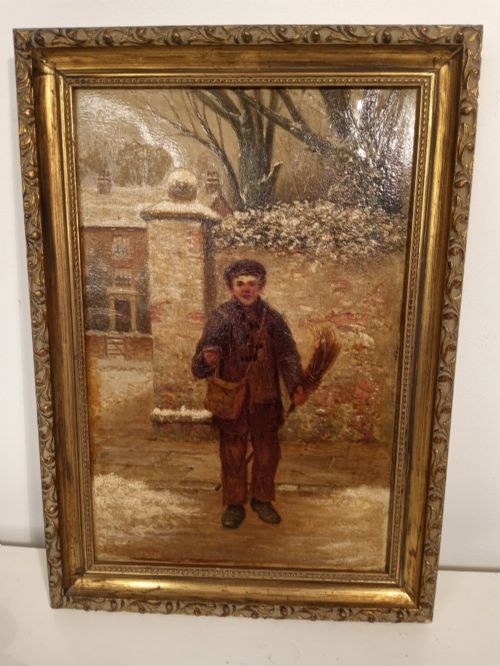
Victorian Giltwood Painting
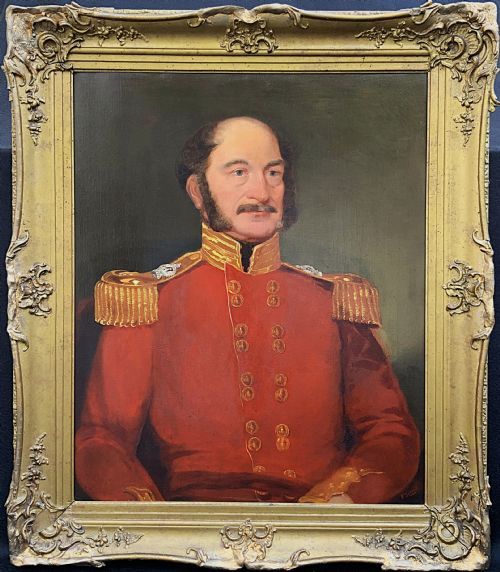
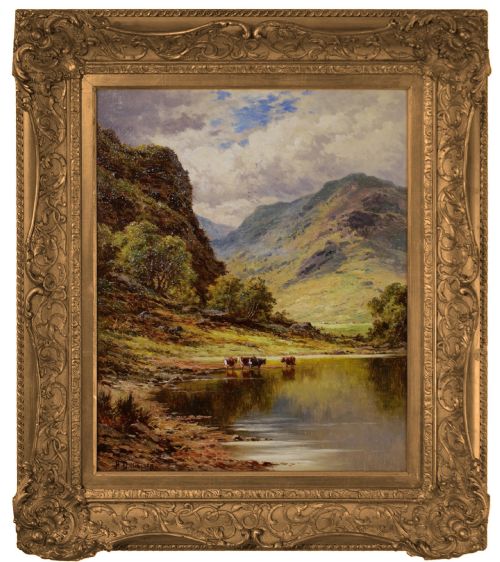
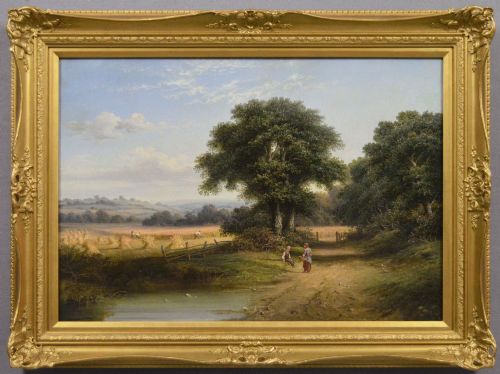
When you search for a victorian giltwood painting, you find works set in heavy frames of gold leaf and gesso that define nineteenth-century interiors.
Victorian Giltwood Painting
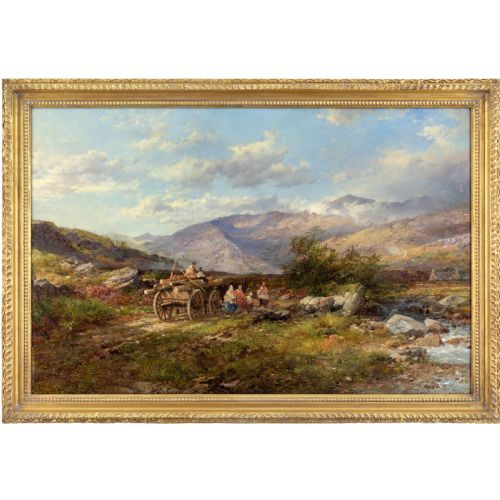
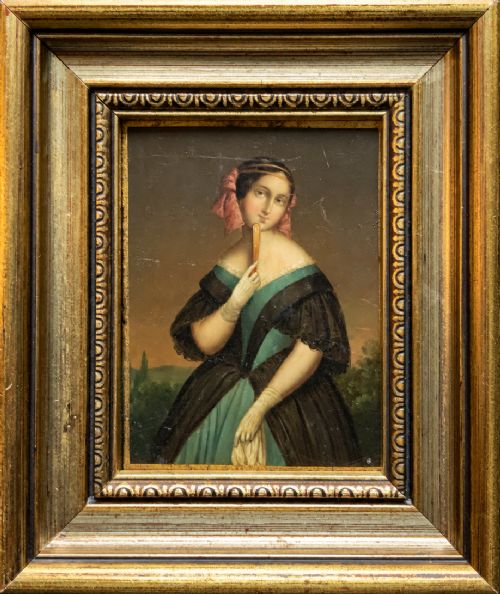
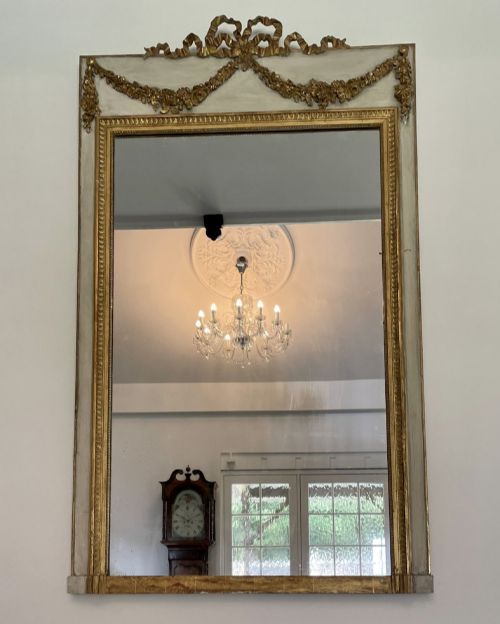
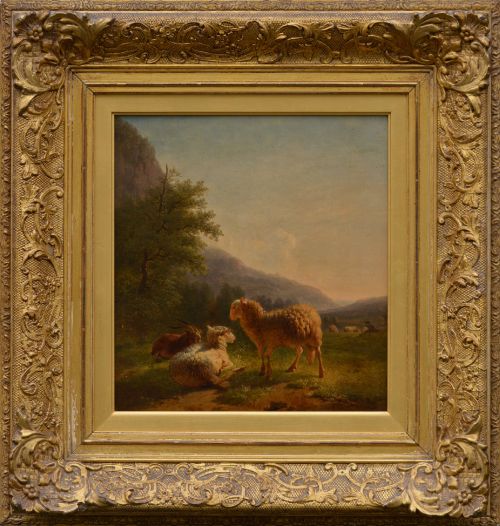
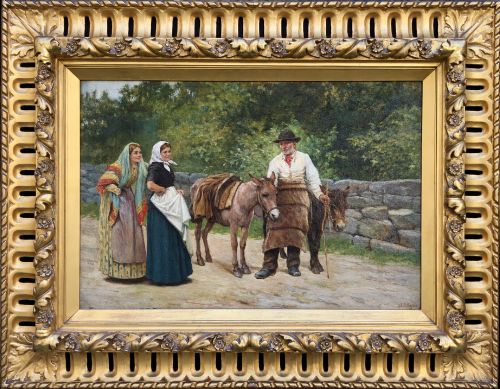
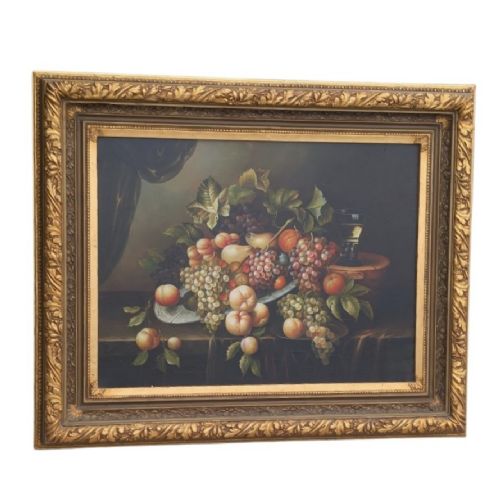
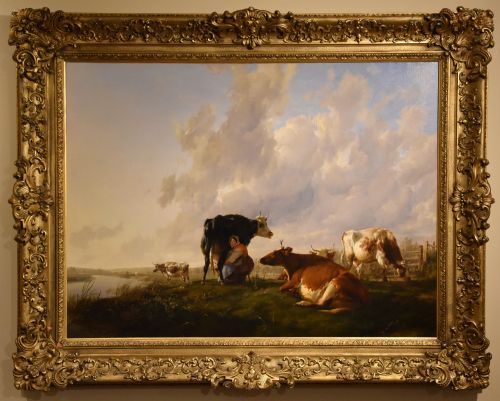
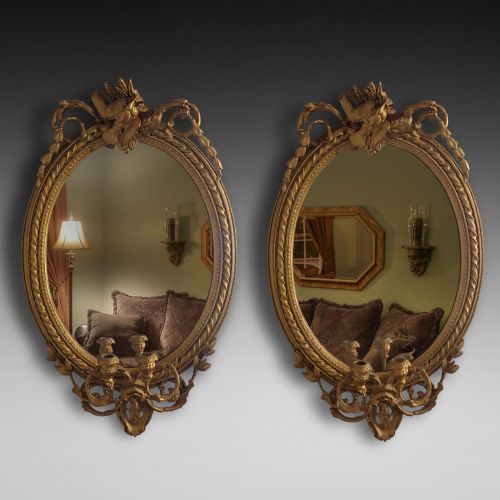
A victorian giltwood painting brings together nineteenth-century canvases and the ornate frames designed to display them. You will encounter oil on canvas works alongside related overmantel mirrors and picture frames from the period.
The selection ranges from pastoral landscapes and maritime scenes to portraits and farmyard studies. Many pieces carry the distinct aesthetic of nineteenth-century romanticism and classical revivals.
Makers and artists of the era utilised specific regional styles, from Highland scenes to Dutch streetscapes. The overall presentation centres on the rich interplay between oil paint and gilded wood.
How they were made
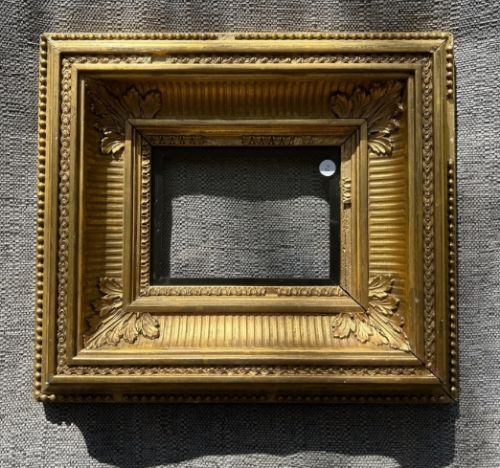
The physical objects rely on oil paint applied to canvas or wood panels, housed within structural timber frames. These wooden surrounds received coats of gesso to build up intricate decorative reliefs before the application of gold leaf.
Craftsmen carved and moulded the gesso to achieve the deep, reflective profiles characteristic of the period. This combination of oil media and gilded framing ensured the artwork commanded attention in a nineteenth-century room.
Victorian Giltwood Painting Retail Price Guide 2026
Typical asking prices for victorian giltwood painting among the pieces listed under this phrase on Sellingantiques today, from the lower quarter to the upper quarter. They describe what is for sale here now, not the wider market.
Object forms span oil paintings, overmantel mirrors, picture frames, girandoles, and decorative porcelain plaques.
What varies in quality
The depth and intricacy of the gesso moulding dictate much of the visual distinction between examples. Superior frames display crisper relief work and more skillfully burnished gold leaf surfaces.
On the canvas, the handling of light, brushwork depth, and compositional balance separate standard studio output from accomplished artist works. The integrity of the original gilt surface against later restoration also shapes the character of the piece.
Eugène Verboeckhoven·Walter Heath Williams·Thomas Sidney Cooper·Henry H. Parker·Edgar Hunt·Robert Cleminson·Charles Leslie·Renato Moretti·Thomas Kent Pelham·John Holland·Charles Edward Wilson·John Arthur Lomax·Evelyn Chester·George Lance·James Kyd·C.S. Lidderdale·James Mallard Bromley·Henry John Boddington·Cornelis Christian Dommersen·Frederick Waters Watts·Percival Glenfern
The Victorian Giltwood Painting Glossary
- Giltwood
- Wood that has been coated with gold leaf or a gold-coloured metallic finish. This material forms the primary aesthetic boundary for nineteenth-century frames.
- Gesso
- A plaster-like mixture applied to wood frames to create a smooth surface for carving and gilding. It allows artisans to shape complex relief ornaments.
- Oil on Canvas
- Pigments mixed with drying oils applied to a stretched woven fabric support. This technique dominates the pictorial works of the era.
- Overmantel Mirror
- A large looking glass designed to hang directly above a fireplace mantel. They often share the same giltwood framing vocabulary as period paintings.
- Girandole
- A branched wall-light or sconce featuring a reflective mirror backplate. These fixtures frequently incorporate gilt frames and candle arms.
Victorian Giltwood Painting: Frequently Asked Questions
How do I hang a heavy giltwood frame safely?
Secure heavy frames directly into wall studs using appropriate picture hooks or professional mirror plates designed for substantial weight.
Check the integrity of the frame's corner joints and hanging wire before mounting to ensure the structure bears the load safely.
What subjects are most common in these paintings?
Pastoral landscapes, marine shipping scenes, and animal portraits dominate the surviving output of this period. You will also find domestic interiors, farmyard studies, and formal portraiture.
Artists frequently drew inspiration from British and European countryside settings as well as coastal views.
How should I clean a giltwood frame?
Dust the surface gently with a soft, dry ostrich feather brush or a clean microfibre cloth. Avoid all liquid cleaners, commercial polishes, and moisture, which can strip the delicate gold leaf.
Professional conservators should handle any accumulated grime that resists gentle dry dusting.
Are these paintings usually signed by the artist?
Many works bear visible signatures or monogram initials applied by the painter, often located near the lower corners of the canvas. Documentation on the reverse or historical attribution records also help identify the creator.
Unsigned works remain common, relying on stylistic markers and period characteristics for identification.