




Victorian Gilt Relief
Victorian gilt relief pieces combine rich metallic surface work with sculptural depth, bringing nineteenth-century opulence directly to domestic interiors.
Victorian Gilt Relief
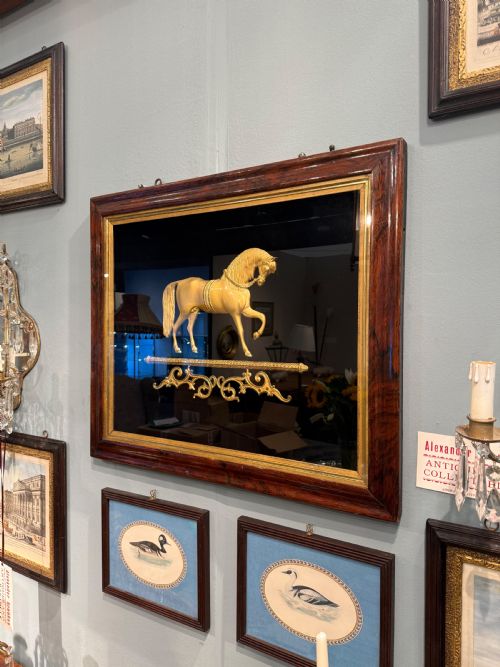
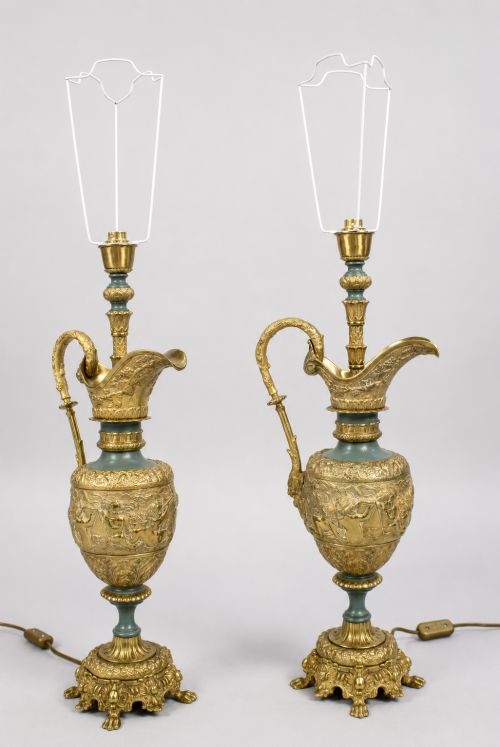
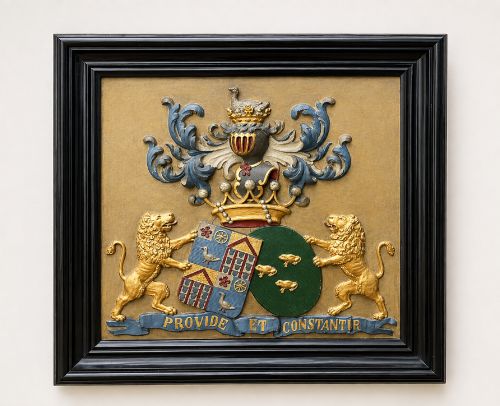
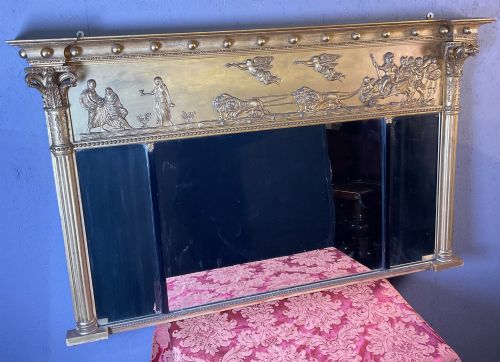
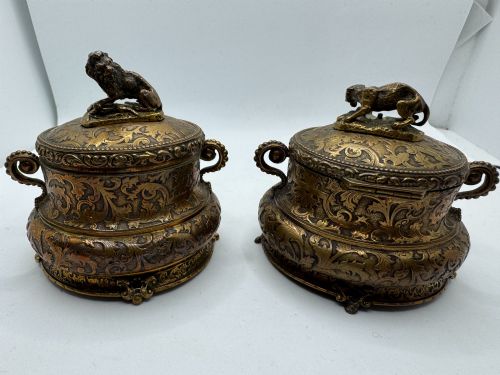
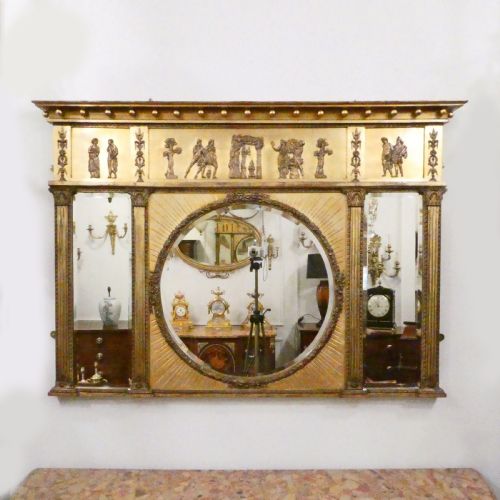
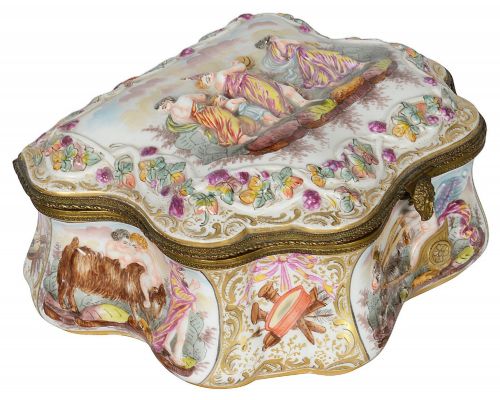
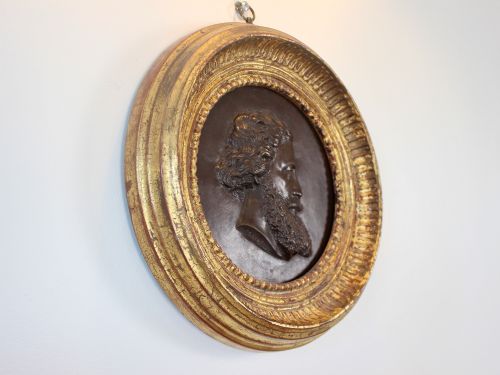
Victorian gilt relief works encompass a diverse range of decorative objects, including overmantel mirrors, jewellery caskets, wall plaques, and table lamps originating from the nineteenth century. These pieces display three-dimensional surface enrichment through chased bronze, gilded gesso, cast metal, and porcelain applications.
Buyers most frequently encounter decorative boxes, framed plaques, and mirrors featuring classical, neoclassical, or aesthetic movement influences. The selection draws from domestic English production alongside continental French, Dutch, and Italian craftsmanship spanning the 1850s to the turn of the century.
Materials and Technique
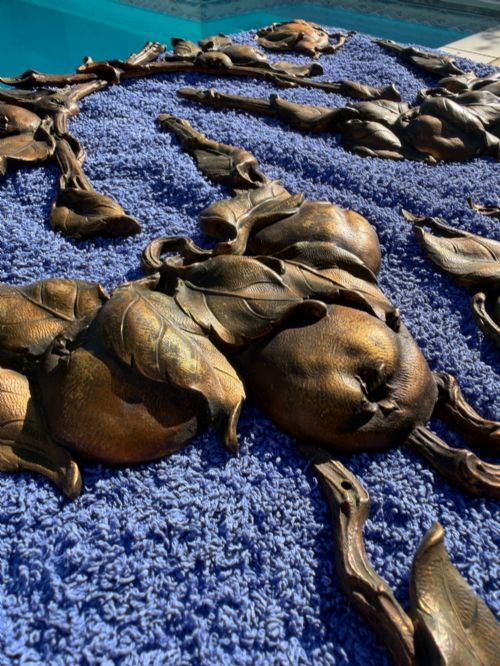
Gilding techniques applied gold leaf, liquid gold, or electro-forming to bronze, brass, copper, and gesso bases to create durable metallic sheens. Cast metals allowed artisans to produce intricate relief figures, floral scrolls, and architectural mounts with sharp topographical definition.
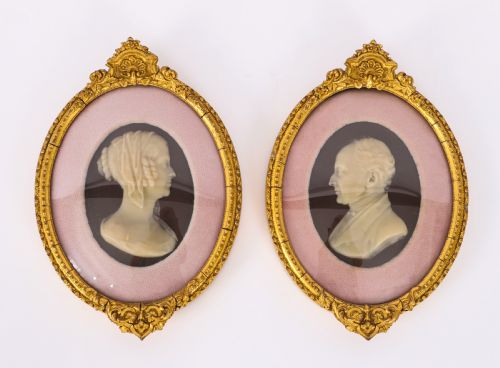
Makers combined mixed media by mounting metal reliefs onto marble pedestals, framing wax portraits in wooden boxes, or pairing porcelain bodies with gilt-metal mountings. Surface decoration relied on manual chasing, engraving, and pate-sur-pate enamel work to establish textural contrast.
Victorian Gilt Relief Retail Price Guide 2026
Typical asking prices for victorian gilt relief among the pieces listed under this phrase on Sellingantiques today, from the lower quarter to the upper quarter. They describe what is for sale here now, not the wider market.
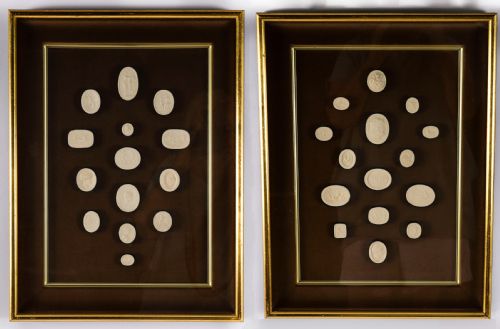
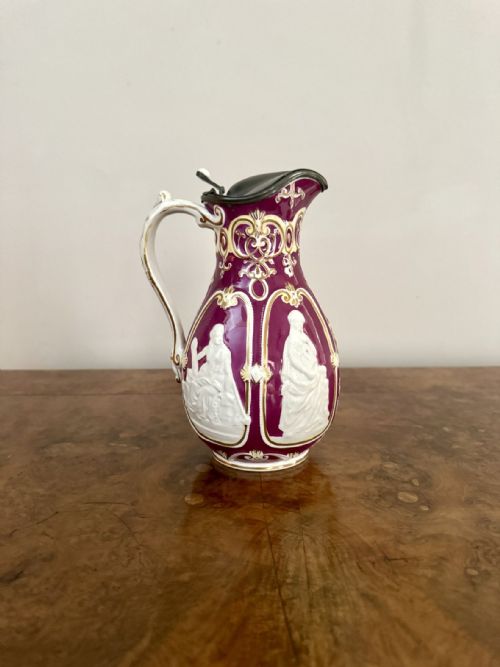
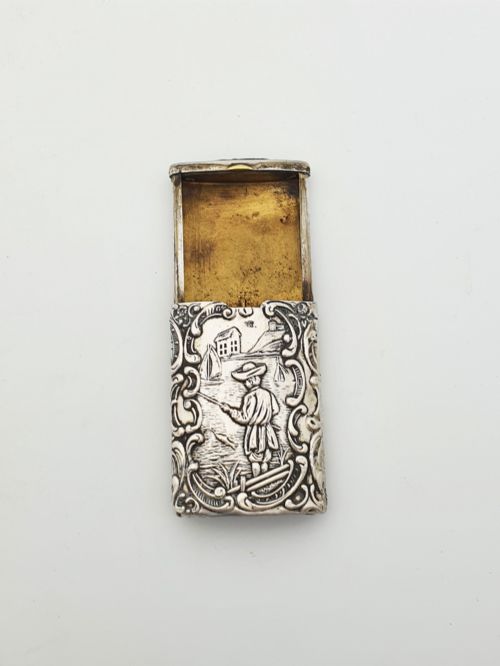
Victorian artisans ensured that even vesta cases and pewter water jugs received the full dignity of scenic relief.
Standards of Execution
Quality rests upon the crispness of the chased or cast relief work and the preservation of the original gilt surface. Superior examples maintain deep, legible detailing in figures and foliage without smoothing from over-cleaning or lost plating.
Construction integrity dictates value, distinguishing solidly mounted bronze appliques and properly fitted marble bases from loose assemblies. The refinement of secondary materials, such as hand-painted porcelain panels or finely turned wooden frames, elevates the overall execution.
Poix Blin·Giovanni Liberotti·Mainfroy·Royal Worcester·Mintons
The Victorian Gilt Relief Glossary
- Gilt bronze
- An alloy of copper and zinc finished with a mercury amalgam or gold leaf coating. It provides a rich, warm metallic lustre frequently used for decorative mounts and ewers.
- Gesso
- A plaster-like mixture applied to wooden frames and mirrors before gilding. It allows artisans to carve or mould raised decorative motifs prior to leaf application.
- Pate-sur-pate
- A ceramic technique involving the layering of liquid white porcelain slip onto a contrasting coloured body. This builds up a translucent low-relief cameo effect.
- Intaglio
- A gem or metal plate carved into the surface so the design sinks below the plane. It produces a raised impression when pressed into wax or viewed as a cast.
- Electro-form
- An object formed or coated through the electro-deposition of metal onto a mould. This nineteenth-century method created lightweight copper caskets with detailed relief decoration.
Victorian Gilt Relief: Frequently Asked Questions
What is the difference between gesso and cast bronze?
Gesso consists of a prepared plaster mixture built upon wood to receive gilding, commonly found on Victorian mirrors.
Cast bronze involves molten metal poured into a mould to form solid, three-dimensional decorative plaques and mounts.
Where were most nineteenth-century gilt relief boxes made?
Production occurred across domestic English workshops as well as continental centres including France and Italy.
French makers specialised in gilt-bronze and electro-formed caskets, while Italian artisans produced porcelain and micromosaic boxes.
How do I date a Victorian mirror?
Examine the backboards, frame construction materials, and the style of the gilt gesso ornamentation.
Nineteenth-century pieces often utilise heavy timber frames with hand-applied moulding reflecting neoclassical or aesthetic movement tastes.