



Victorian Gilt Bronze Lamp
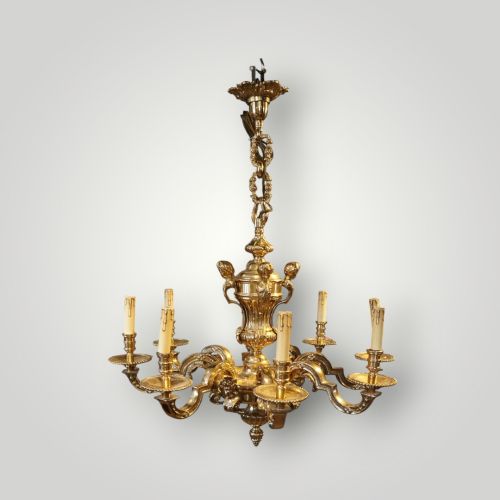
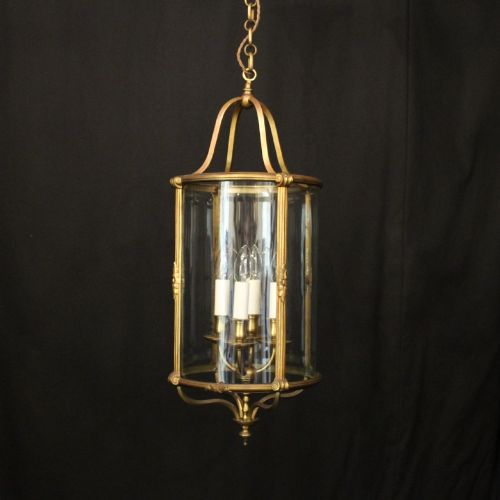
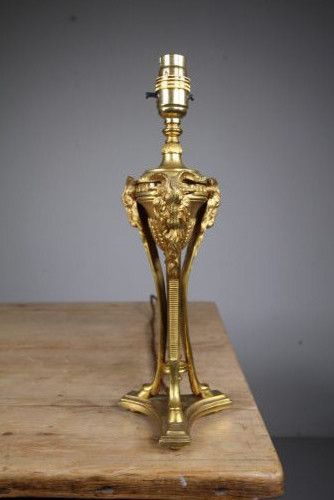
These pieces are a victorian gilt bronze lamp, heavy cast metal lighting created to anchor a room with period warmth.
Victorian Gilt Bronze Lamp
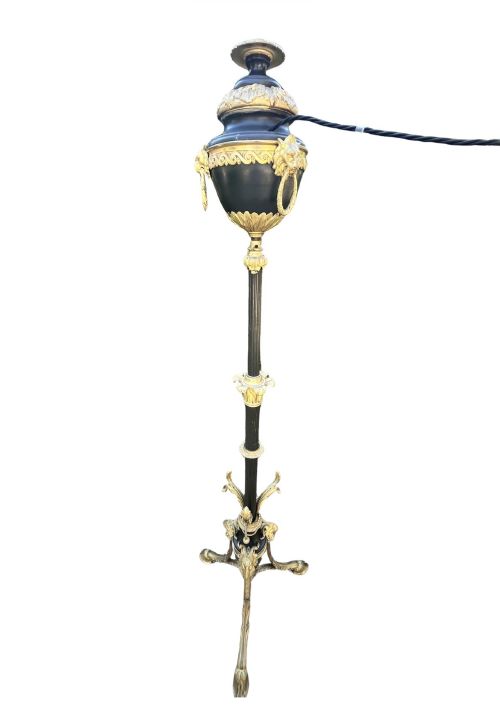
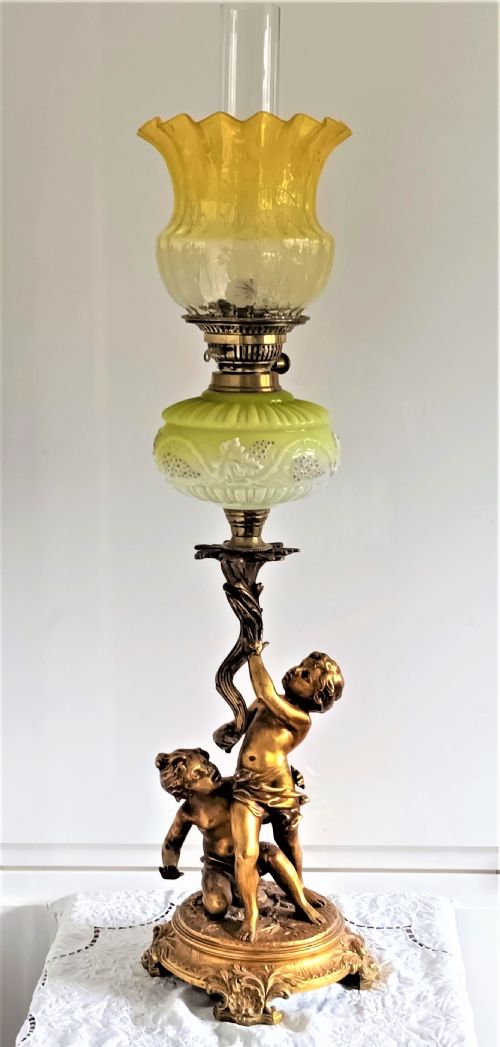
When you search for a victorian gilt bronze lamp, you meet metal lighting and bases emerging from the nineteenth century in various stylistic revivals. The versions most common on this page include table lamps, floor lamps, and converted oil lamps cast in heavy metal.
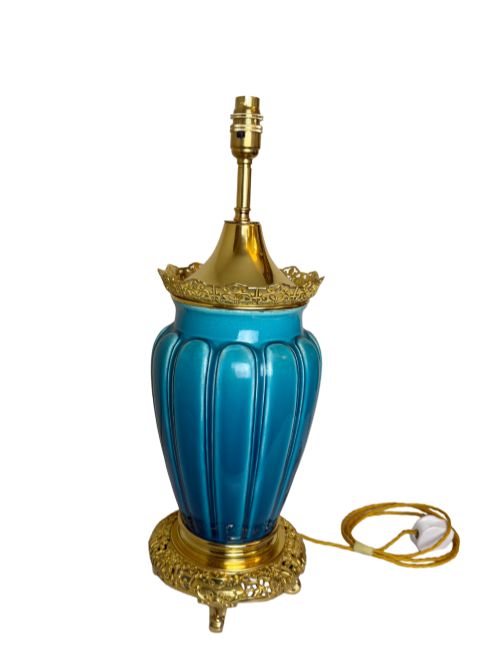
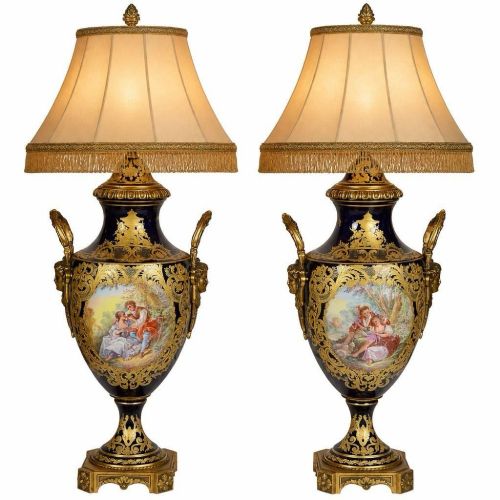
Many examples incorporate porcelain, marble, or glass elements alongside the metal work. These pieces span French and English origins, often taking the form of urns, columns, or figural bases that reflect nineteenth-century interior tastes.
Materials and Manufacture
The construction relies heavily on bronze, brass, and ormolu combined through casting and gilding techniques. Artisans shaped these metals to form intricate mounts, floral motifs, and sculptural figures.
Makers frequently paired the cast metal with contrasting materials such as white marble, opaline glass, or hand-painted porcelain. This combination allowed for layered textures within a single lighting fixture.
Listings feature items from the 1850s through the 1920s, utilising materials including marble, porcelain, glass, and gilt bronze.
Quality and Craftsmanship
The standard of a casting separates finer examples from simpler production, visible in the crispness of chased details and the depth of the gilding. High-end pieces display meticulous hand-finishing on every surface.
The integration of secondary materials also defines the tier of the object. Solid marble bases and finely painted porcelain inserts indicate superior workshop execution compared to plainer metal builds.
Perry And Co·Gillows
The Victorian Gilt Bronze Lamp Glossary
- Ormolu
- Gilded bronze produced by applying a mercury and gold amalgam to a bronze base, creating a durable golden finish.
- Chasing
- The manual tooling of metal surfaces with punches and hammers after casting to sharpen details and add texture.
- Electrolier
- A light fixture designed specifically for electricity rather than converted from gas or oil.
- Candelabra
- A branched candlestick holder that is occasionally converted into a base for lighting.
- Ewer
- A large jug with a wide spout, often utilised as the body for nineteenth-century table lighting.
Victorian Gilt Bronze Lamp: Frequently Asked Questions
How are these lamps powered today?
Most of these antique fixtures are re-wired to meet modern electrical safety standards while retaining their original switches and lamp holders where possible.
Professional rewiring ensures the internal components function safely inside historical metal bodies without altering the exterior appearance.
Were all these lamps originally electric?
Many examples began as oil lamps, candelabra, or gas fixtures before conversion to electricity during the twentieth century.
This adaptation allows historical metalwork and porcelain bodies to serve contemporary domestic lighting needs.
How do I identify a Victorian period piece?
Dating relies on stylistic clues such as Rococo Revival or Neoclassical motifs, alongside the weight and composition of the cast bronze.
Material choices like opaline glass and Sevres style porcelain also point firmly toward nineteenth-century workshop practices.
Where should I place a heavy bronze lamp?
These substantial pieces anchor well on sturdy side tables, desks, or pedestals where their weight provides stability.
Their decorative presence suits traditional reception rooms or studies that embrace nineteenth-century aesthetic details.