



Victorian Gilt Bronze Chandelier
A victorian gilt bronze chandelier brings brilliant metallic lustre and layered illumination to a room, offering grand focal points for high ceilings.
Victorian Gilt Bronze Chandelier
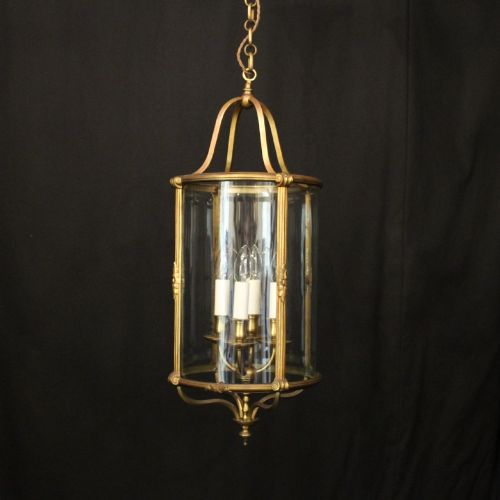
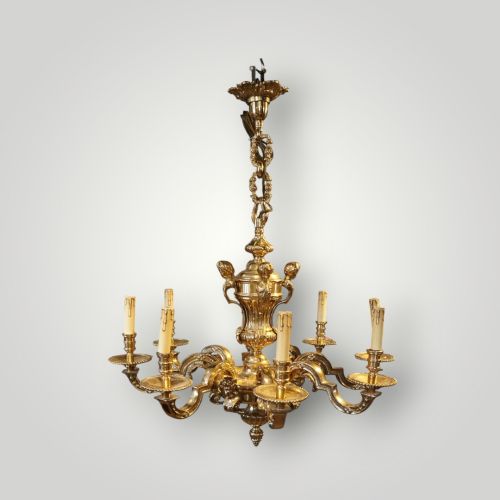
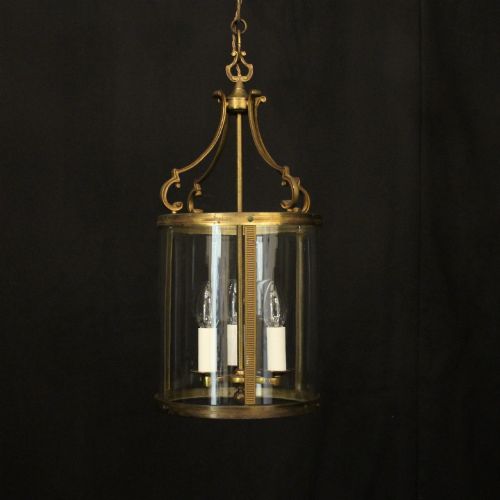
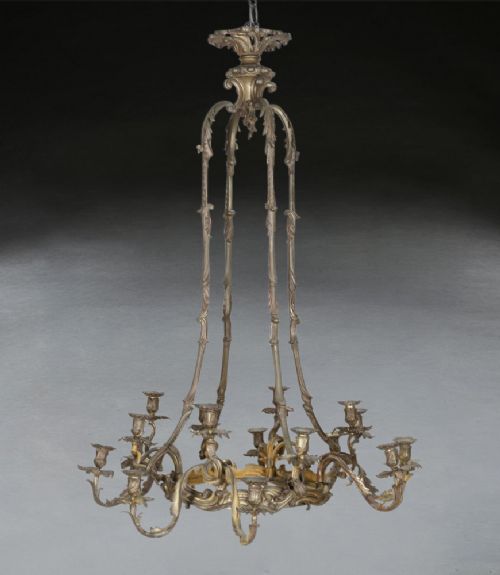
When you search for a victorian gilt bronze chandelier, you encounter large multi-light fixtures spanning French Baroque Revival, Rococo Revival, and Gothic styles. These pieces range from grand sixteen-light fixtures to smaller hall lanterns and ceiling lights.
The materials recorded in these pieces include gilt bronze, brass, cut crystal, and glass, often incorporating cast bronze elements and putti figures. Most examples originate from French workshops or English makers working within the nineteenth century.
Forms vary significantly, from cage chandeliers and gasoliers to convex hall lanterns and multi-branch candelabra ceiling lights. Buyers find both monumental electroliers and intimate four-light lanterns among the selection.
What varies in quality
The standard of metal casting and chasing dictates the crispness of detail in the foliate mounts, putti, and structural frames. Finer pieces display deep, hand-finished chasing that defines every contour of the gilt surface.
The quality of the glass and crystal components creates a distinct visual difference between examples, with precision-cut drops providing superior light refraction. Heavier cast bronze frames and substantial arm counts denote higher status production.
Victorian Gilt Bronze Chandelier Retail Price Guide 2026
Typical asking prices for victorian gilt bronze chandelier among the pieces listed under this phrase on Sellingantiques today, from the lower quarter to the upper quarter. They describe what is for sale here now, not the wider market.
Bronze cherubs and putti gaze down from many a ceiling light, keeping a watchful eye on the room below.
Baccarat
The Victorian Gilt Bronze Chandelier Glossary
- Gilt bronze
- Metal cast and finished with a gold-coloured surface layer, providing a durable and lustrous appearance. This material formed the primary structure for many grand nineteenth-century lighting fixtures.
- Gasolier
- A ceiling light originally designed to burn coal gas rather than candles or oil. Many surviving examples have subsequently been rewired for electricity.
- Cage chandelier
- A lighting form featuring an open metal framework enclosing the central stem and supporting glass drops or secondary tiers of lights. This construction style became popular during the nineteenth century.
- Electrolier
- A large lighting fixture built specifically for electrical illumination, distinct from converted gas or candle fittings. These grand pieces often feature numerous light branches.
- Putti
- Depicting chubby male infants, often winged, used as decorative figures in bronze and brass castings. These motifs frequently appear on French and English revival chandeliers.
Victorian Gilt Bronze Chandelier: Frequently Asked Questions
How do I clean a gilt bronze chandelier?
Dust the metal and crystal gently using a soft brush or microfibre cloth to prevent the accumulation of grime on the gilt surface.
Avoid chemical cleaning agents and abrasive cloths, as these can strip the historical gilding from the bronze base.
Can these chandeliers be hung safely today?
Most antique fixtures require professional rewiring and structural assessment before installation to ensure they meet modern electrical safety standards.
Ceiling fixings must be anchored into joists or noggins due to the substantial weight of cast bronze and crystal components.
Were these fixtures originally for gas?
Nineteenth-century lighting often utilised gas or candles before conversion to electricity during later periods of use.
Evidence shows pieces specifically built as gasoliers which now function as electrified ceiling lights.
How do I identify French versus English pieces?
French examples frequently display elaborate Rococo Revival or Neoclassical styling with gilt bronze putti and intricate cage structures.
English pieces tend to reflect Gothic or classical revival influences in cast brass and bronze, often with simpler branch formations.