





Victorian Gilded Pottery
Victorian gilded pottery brings together rich ceramic bodies and metallic leaf or paint, offering sculptural figures and vases for the collector of nineteenth-century decorative arts.
Victorian Gilded Pottery
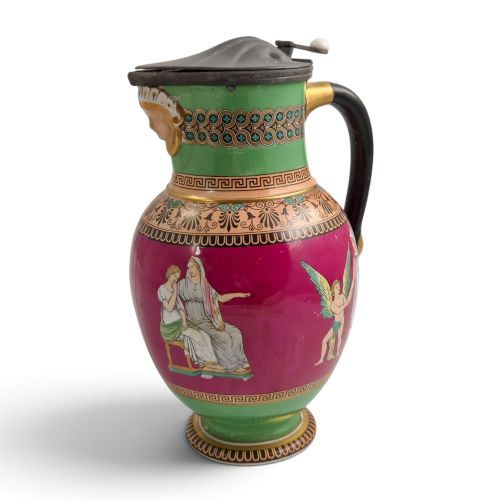
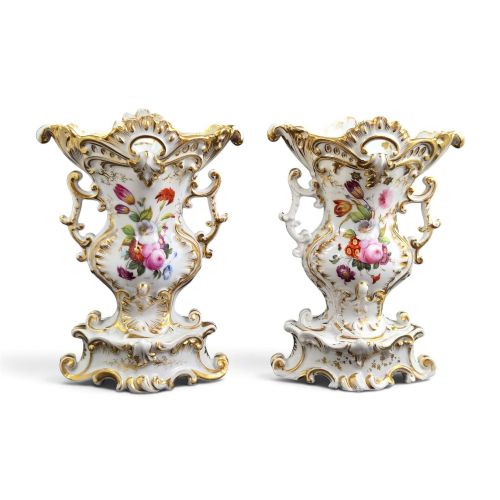
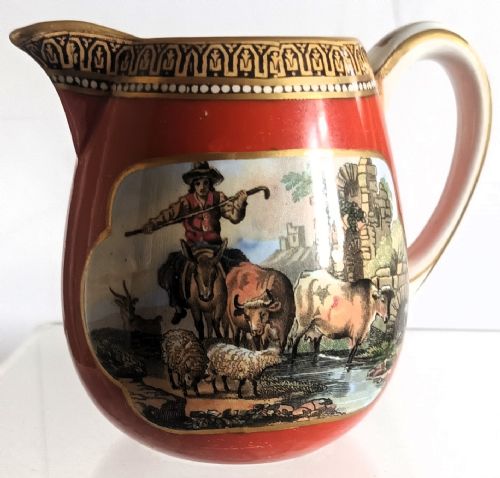
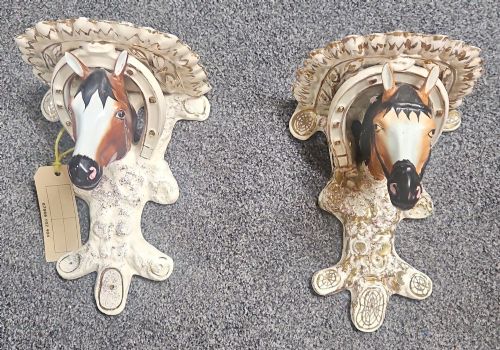
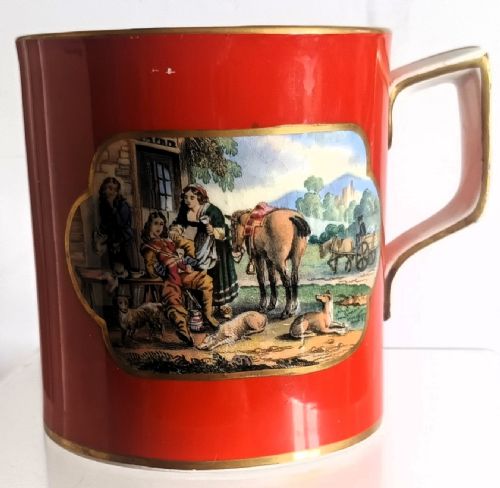
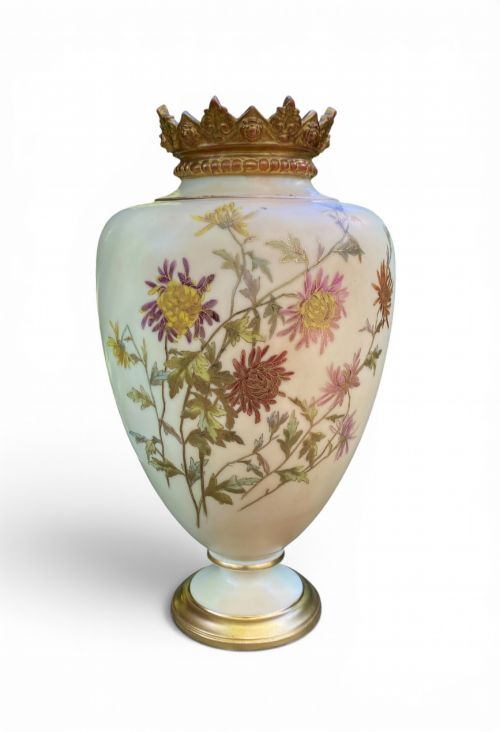
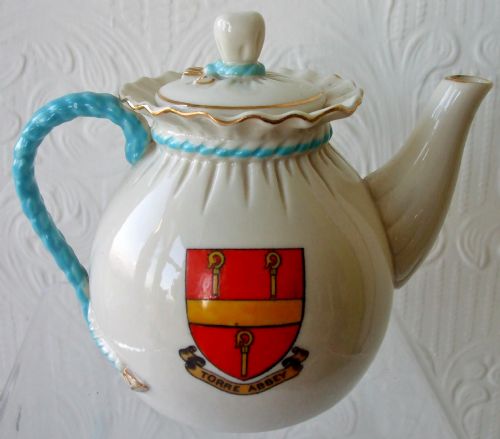
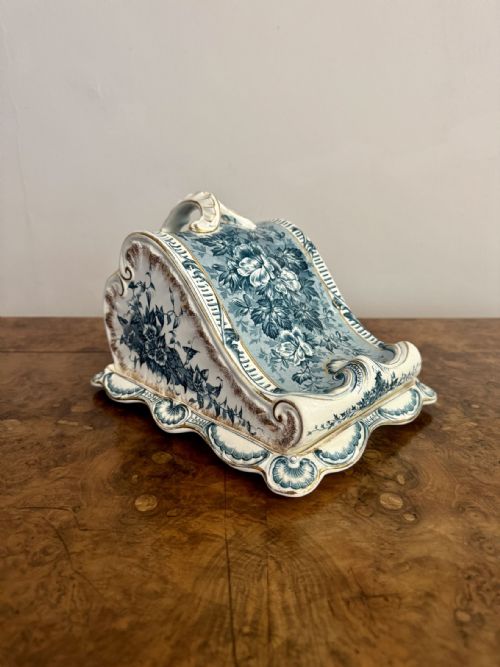
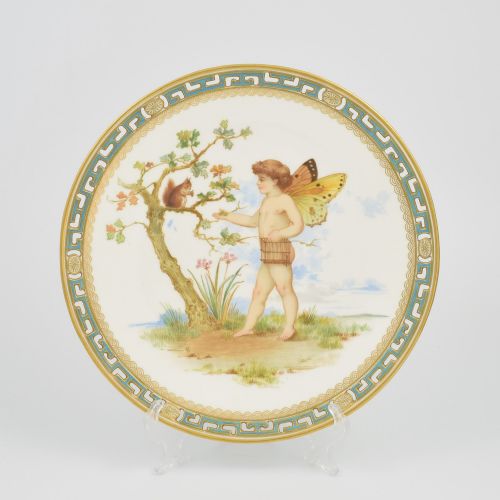
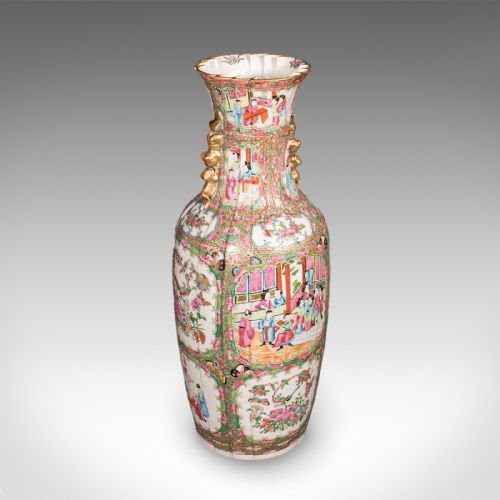
Victorian gilded pottery spans decorative vases, jugs, plates, and ceramic figures produced during the nineteenth century. The selection on this page includes Staffordshire animal groups, English factory wares, and imported porcelain from various global traditions.
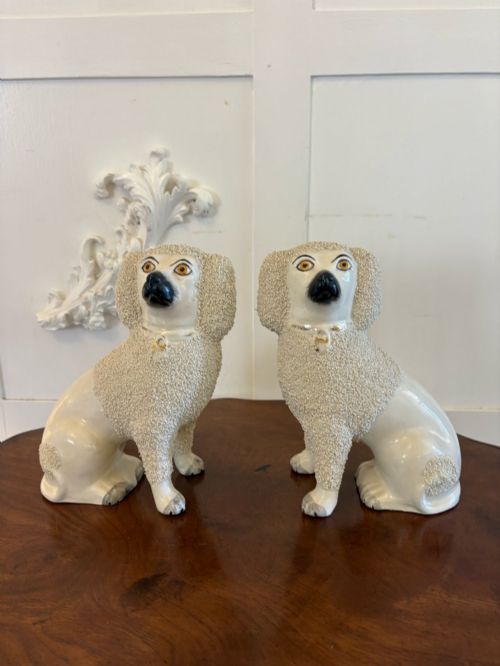
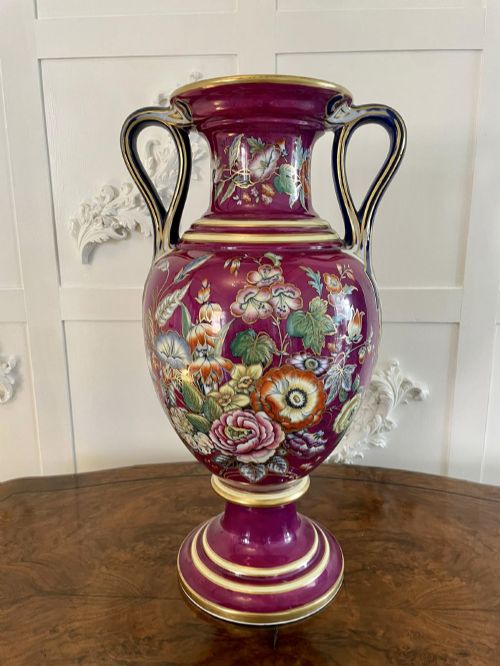
Figurines and pairs of spaniels, poodles, and lions sit alongside large twin-handled vessels and cabinet plates. These domestic ornamental items reflect the Victorian preference for embellished interiors and display mantlepieces.
Makers from Staffordshire, English potteries, and continental workshops dominate the forms, incorporating applied details, painted scenes, and metallic highlights into everyday ceramics and fine porcelain alike.
Materials and technique
Potters shaped these objects using earthenware, ironstone, and porcelain bodies, often finishing the surfaces with coloured glazes and enamel painting. Artisans applied gold leaf and liquid gilding by hand to accentuate moulded details, rims, and patterned motifs.
Firing techniques allowed ceramic bodies to take complex forms such as twin-handled vases, cornucopias, and hollow-cast animal figures. Enamels and gilt elements underwent secondary low-temperature firings to bond the metallic decoration to the glazed surface.
Victorian Gilded Pottery Retail Price Guide 2026
Typical asking prices for victorian gilded pottery among the pieces listed under this phrase on Sellingantiques today, from the lower quarter to the upper quarter. They describe what is for sale here now, not the wider market.
Listings feature 19th-century periods including 1860, 1880, 1890, and 1900, alongside materials such as earthenware, porcelain, gold leaf, and gilt.
Judging quality
The finesse of hand-painted enamel work and the precision of the gilding separate standard production pieces from finer examples. Crisp modelling in moulded figures and sharp definition in applied relief work indicate superior workshop standards.
The reputation of the pottery or designer, alongside the complexity of the ceramic form, dictates the tier of the piece. Intricate decorative schemes by known designers demonstrate a higher level of artistic ambition.
Minton·Royal Doulton·William Moorcroft·Wedgwood·Jacob Petit
The Victorian Gilded Pottery Glossary
- Porcelaneous
- A ceramic material that shares qualities with both earthenware and true porcelain. It provides a denser, more refined body than standard pottery.
- Earthenware
- A porous pottery body fired at lower temperatures and coated in glaze. It forms the base for many nineteenth-century Staffordshire figures and jugs.
- Enamel
- Opaque glass fused to pottery through firing to create coloured surface decoration. Artisans use it to paint detailed scenes and motifs across the ceramic body.
Victorian Gilded Pottery: Frequently Asked Questions
What is Victorian gilded pottery?
These pieces are nineteenth-century ceramic and porcelain items enhanced with gold leaf or liquid gilt decoration. They encompass decorative vessels, tableware, and ornamental figures.
Potters across England and Europe produced these items for domestic display, combining functional ceramic forms with ornate metallic embellishments.
How were Staffordshire figures displayed?
Staffordshire dogs, lions, and portrait figures typically stood on mantelpieces or in parlour windows. Pairs were often arranged facing inward on either side of a fireplace.
Their bright glazes and gilt highlights caught the gaslight and daylight in Victorian living spaces.
How do I identify a nineteenth-century piece?
Dating relies on factory marks, registration numbers, and stylistic markers associated with periods like the Aesthetic Movement or Rococo Revival. Ceramic bodies and glaze types also help narrow down the decade of production.
Comparing known factory designs and decorator signatures clarifies the origins of unmarked or lesser-known vessels.
How do I care for gilded ceramics?
Gilt surfaces require gentle cleaning with a soft, dry cloth to remove dust without abrasive contact. Moisture should be kept away from worn or delicate metallic highlights.
Displaying pieces away from direct sunlight preserves the vibrancy of both the painted enamels and the underlying ceramic glaze.