
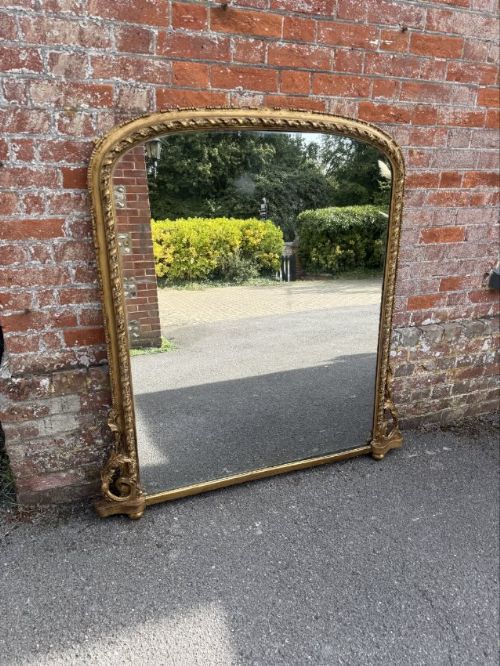
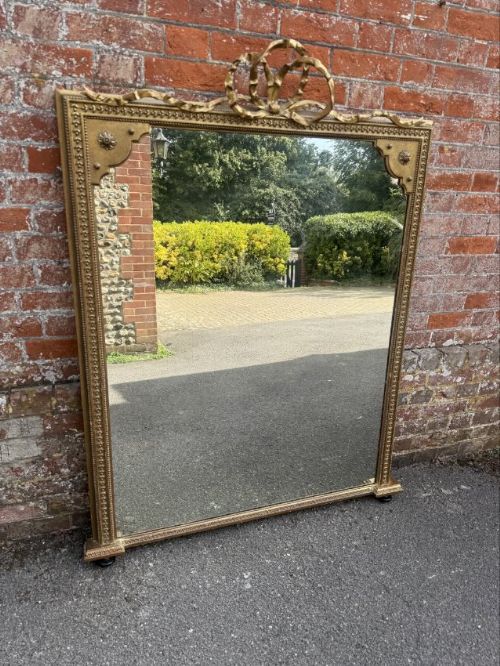
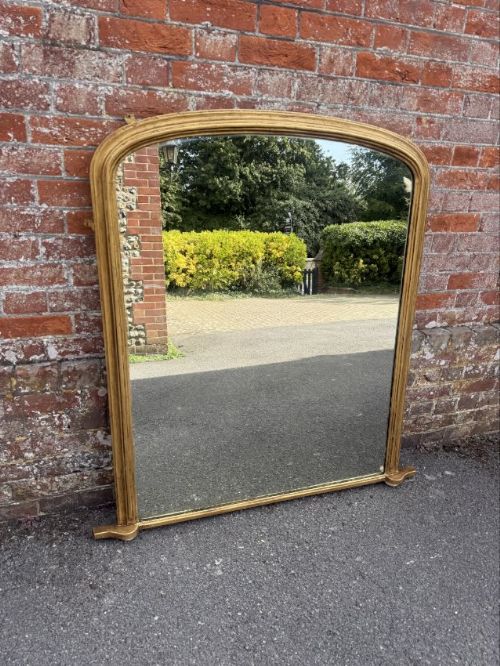
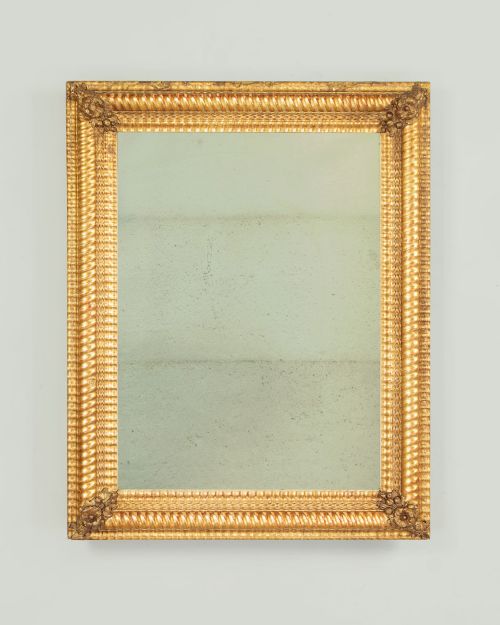
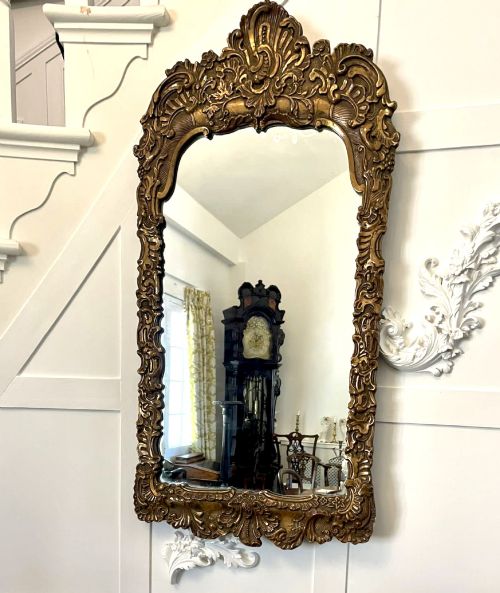
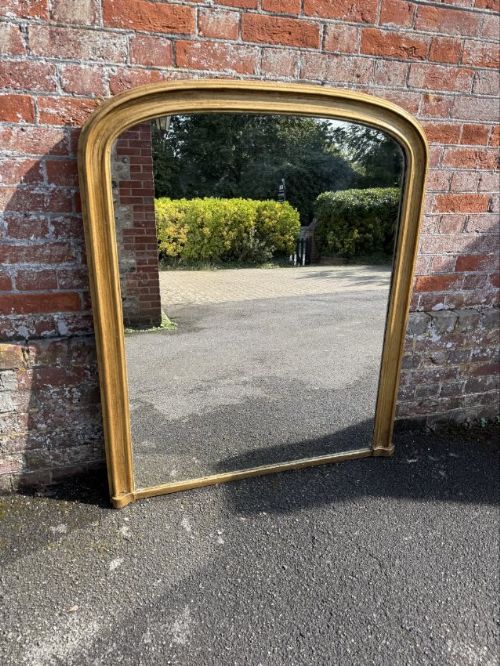
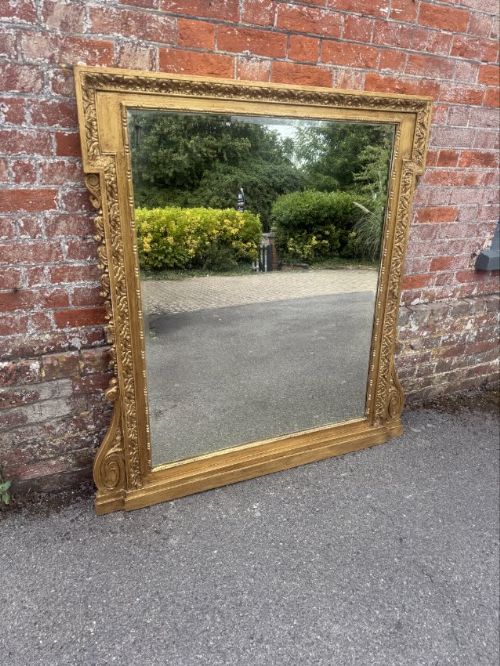
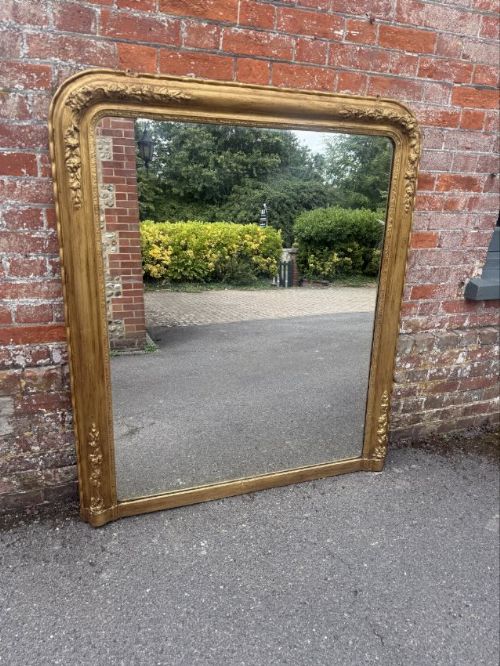
Victorian Gesso Wall Mirror
A victorian gesso wall mirror brings nineteenth-century presence to a room through deep relief moulding and reflective glass.
Victorian Gesso Wall Mirror
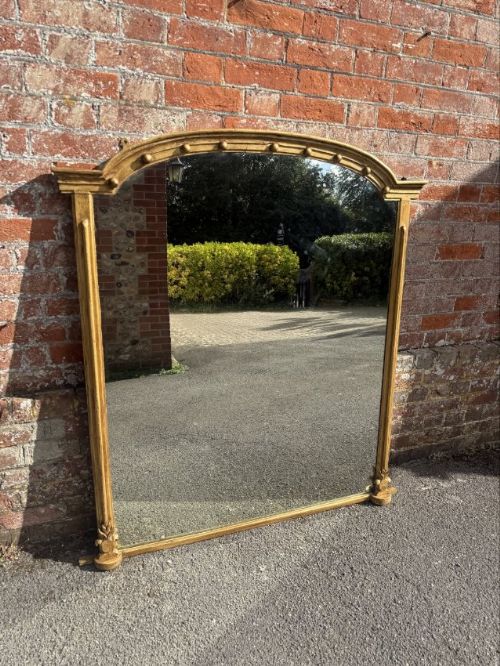
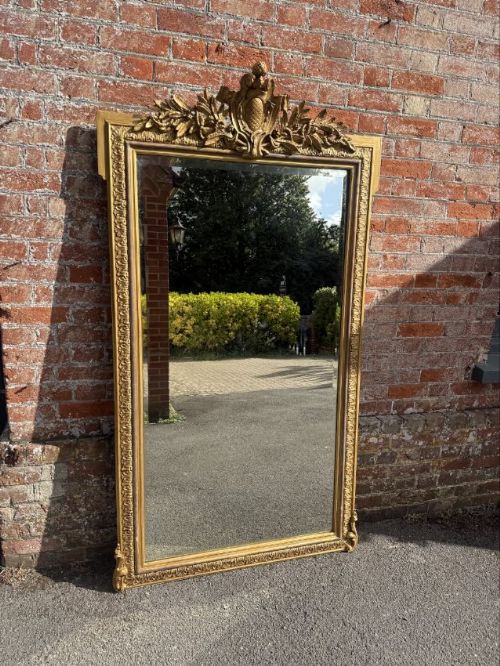
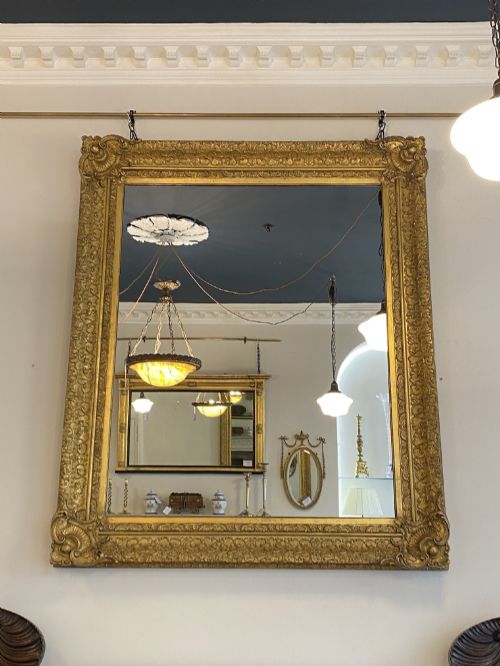
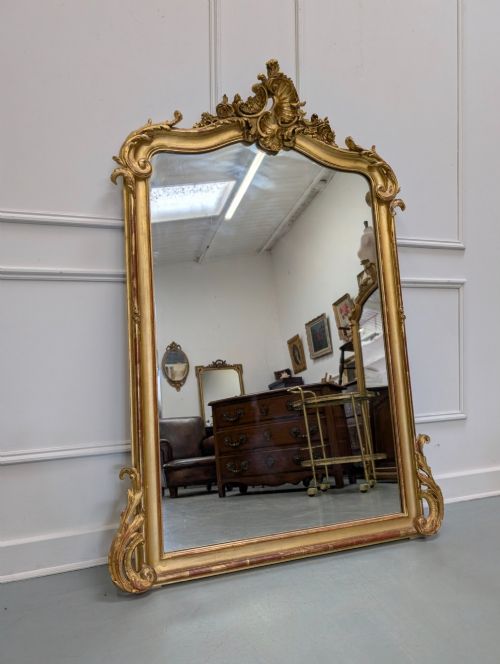
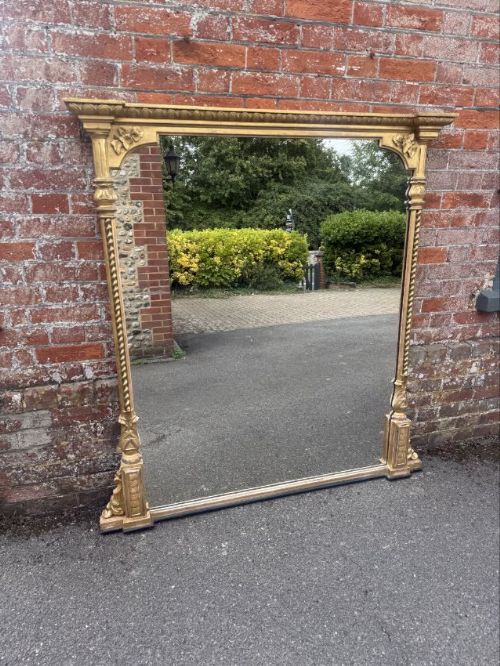
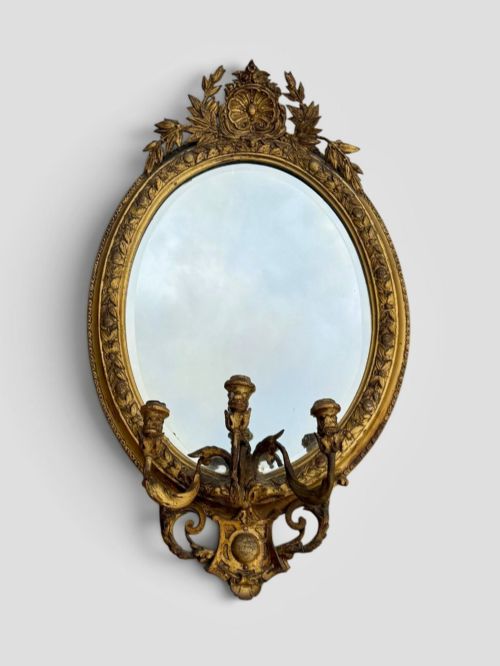
A victorian gesso wall mirror embodies the ornate tastes of the nineteenth century, taking the form of large overmantel frames, smaller wall-hanging pieces, and girandoles designed to reflect candle or window light. Buyers searching this phrase encounter substantial architectural items originating from English, French, and Italian workshops across the decades from eighteen-fifty to nineteen-hundred.
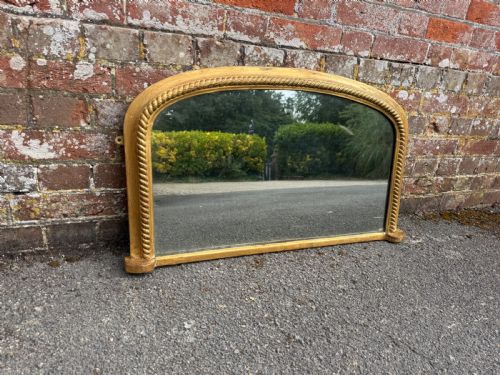
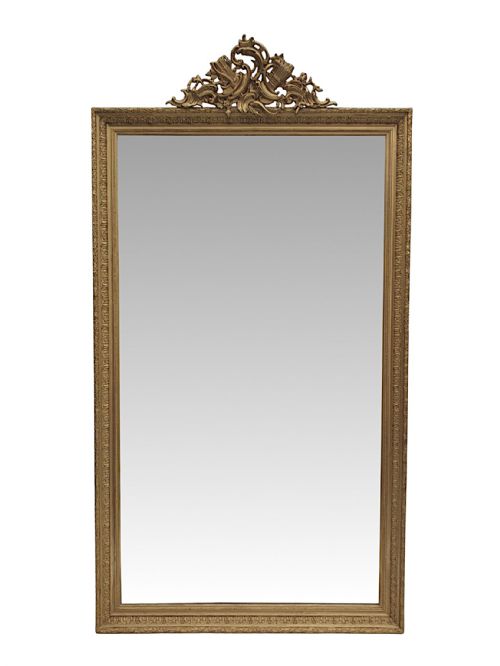
Overmantel mirrors dominate the selection, shaped with arched tops or rectilinear profiles meant to sit directly above a fireplace mantelpiece. Alongside these hang oval, pier, and portrait mirrors, often incorporating carved wood and gilded surfaces suited to period reception rooms and parlours.
How They Were Made
Craftsmen built the core structures from carved wood, applying layers of gesso - a mixture of chalk and binder - build up over the timber base to form complex relief decorations. Artisans then carved, stamped, or moulded the gesso surface into rope twists, ribbed columns, and floral motifs before applying gold leaf, giltwood, or paint.
Mirror glass was set into these heavy frames, occasionally replaced in later decades while retaining the original nineteenth-century gesso shell. Metal fittings and wooden backing boards completed the construction, ensuring stability for heavy wall-hanging and overmantel use.
Some oval frames hide tiny jasperware plaques tucked quietly among the gilded gesso vines.
What Varies in Quality
The depth and crispness of the gesso moulding separate standard production from finer examples, as skilled modellers achieved sharper relief and more intricate botanical or classical ornament. The integrity of the underlying carved wood frame also dictates durability, preventing warping or excessive cracking in the plaster layers over time.
The application of gold leaf or gilt finish influences the visual impact, with burnished and layered gilding offering a warmer, deeper reflection than flat painted surfaces. Original mirror glass plates possessing natural foxing or distortion add period character compared to later modern replacements.
The Victorian Gesso Wall Mirror Glossary
- Gesso
- A plaster-like mixture of chalk, gypsum, and size used as a base for moulding and gilding on wooden frames. It provides the smooth, receptive surface needed for intricate nineteenth-century relief work.
- Giltwood
- Timber that has been covered with thin sheets of gold leaf or gold paint. This finish creates the characteristic metallic brilliance seen on period frames.
- Overmantel Mirror
- A large mirror specifically proportioned to hang on the wall directly above a fireplace mantel. These pieces frequently feature arched tops and substantial wooden frameworks.
- Girandole
- A decorative wall mirror featuring attached candle sconces designed to project light into a room. They often showcase ornate rococo or baroque revival gesso moulding.
- Pier Mirror
- A tall, narrow mirror designed to fit the wall space between two windows. They make efficient use of vertical room proportions in nineteenth-century interiors.
Victorian Gesso Wall Mirror: Frequently Asked Questions
How do I hang a heavy overmantel mirror?
These substantial frames require professional wall fixings secured directly into masonry or heavy wall studs to support the combined weight of wood, gesso, and glass safely.
Weight distribution brackets or sturdy picture wire attached to original wooden backboards help keep the frame flush against the wall surface.
Can I clean the gilded gesso surface?
Dusting gently with a soft, dry brush prevents accumulation without introducing moisture that might soften the water-soluble gesso composition.
Harsh chemical cleaning agents and excessive water must be avoided entirely to protect the delicate gold leaf and plaster relief work from damage.
How do I spot original mirror glass?
Original nineteenth-century glass often exhibits subtle surface imperfections, slight waviness, and characteristic dark spots known as foxing near the edges.
Completely clear, unblemished glass without any distortion frequently indicates a later replacement plate fitted into the antique frame.
What is the difference between rococo and neoclassical styles?
Rococo revival frames display asymmetrical C-scrolls, naturalistic foliage, and exuberant flowing curves inspired by eighteenth-century continental designs. Neoclassical examples favour strict symmetry, classical columns, rope twists, and geometric restraint derived from Greek and Roman architecture.