


Victorian Genre Scene Portrait
These Victorian genre scene portrait works capture everyday figures and domestic narratives in oil and watercolour.
Victorian Genre Scene Portrait
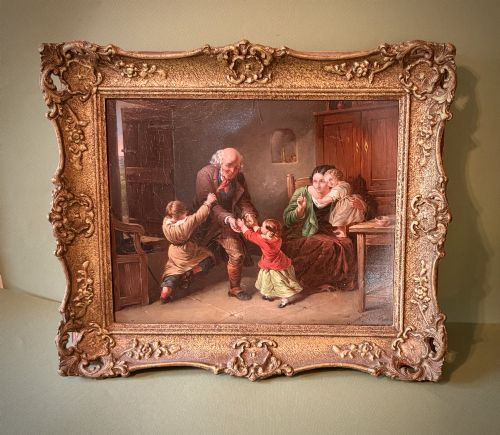
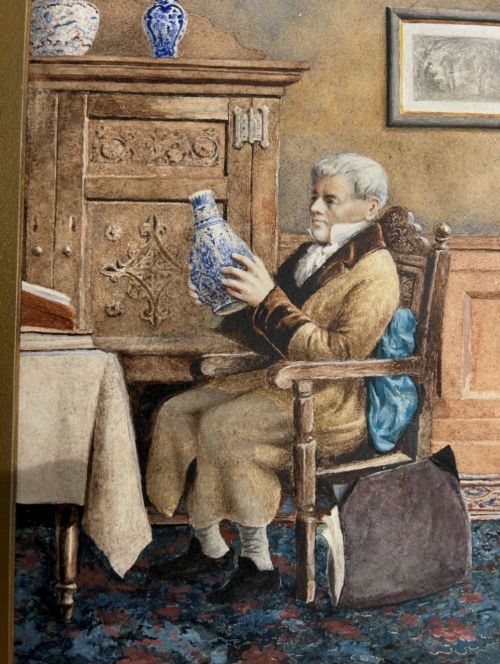
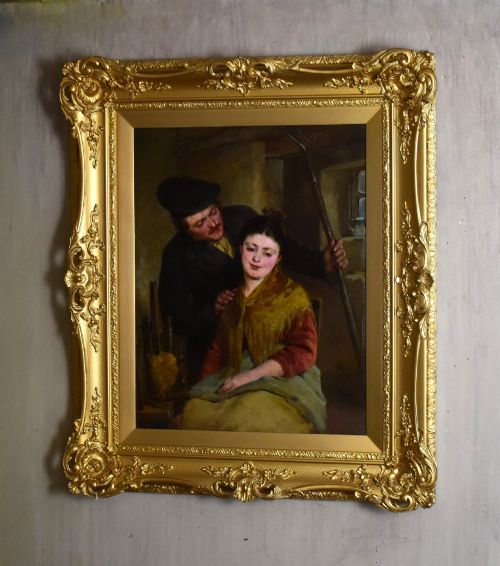
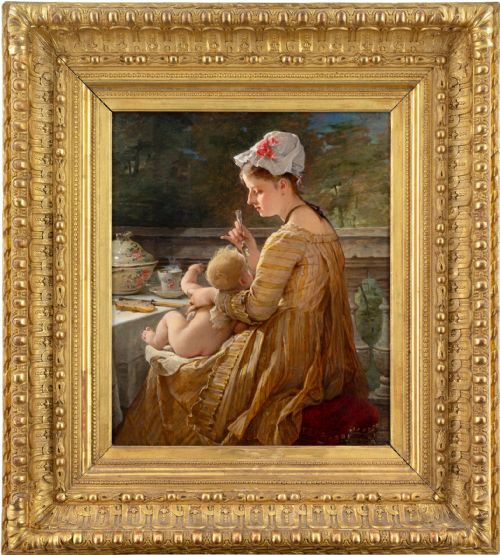
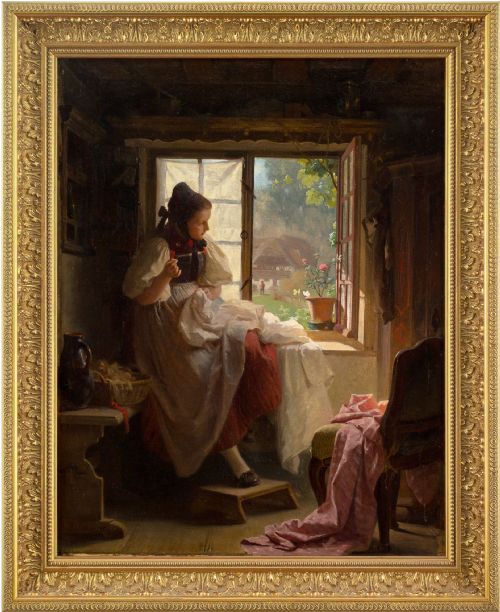
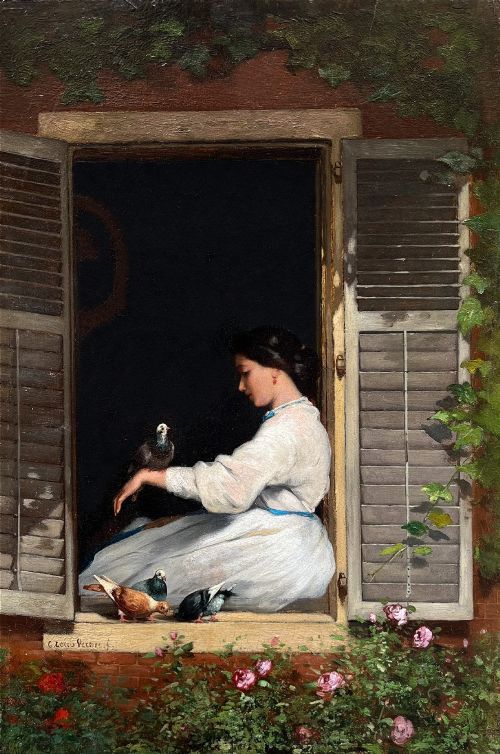
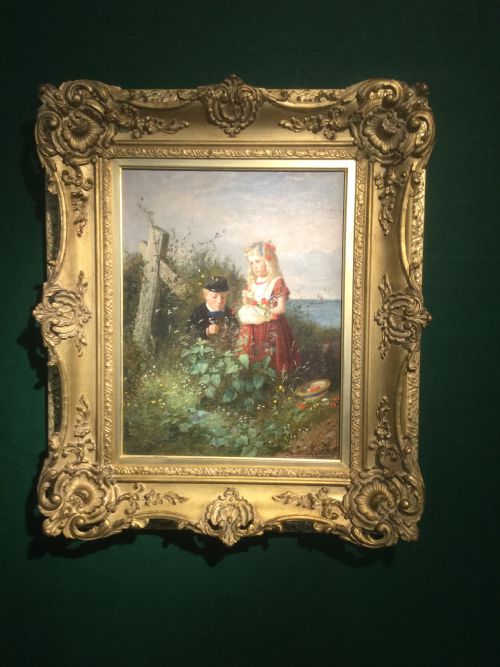
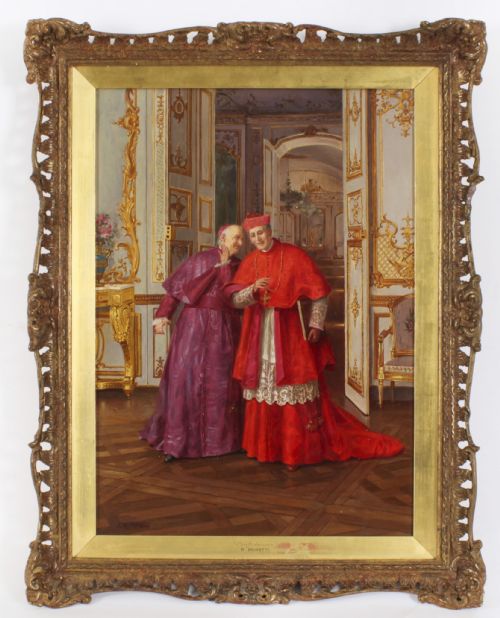
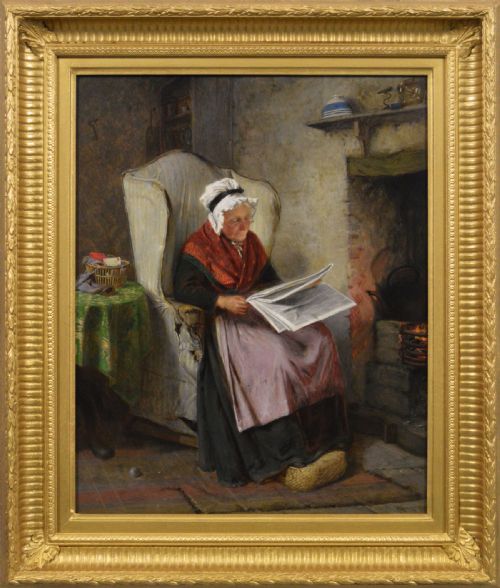
A victorian genre scene portrait brings together figurative art and narrative everyday life, showing figures engaged in domestic tasks, cottage interiors, or quiet outdoor moments. These pieces bridge formal portraiture and storytelling art, capturing human character within recognisable daily settings.
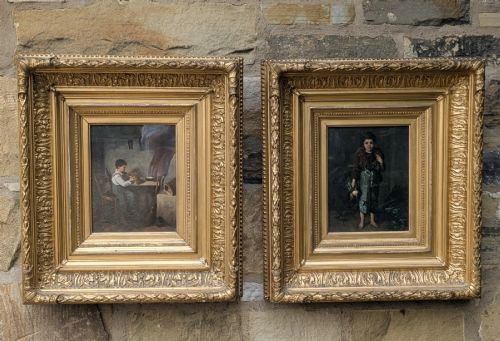
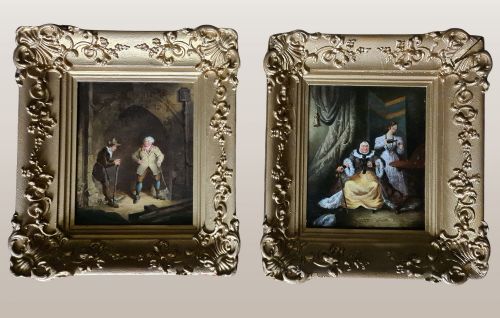
The selections available here range from mid-nineteenth-century works to later academic examples. Buyers meet oil paintings on canvas or board, alongside watercolours, depicting subjects from young boys and street sellers to historical interior gatherings.
How they were made
Artists built these compositions primarily using oil paint on canvas, wood panel, or board, applying layered brushwork to achieve depth in clothing, interior light, and skin tones. Watercolours on paper appear alongside these oils, utilising fine washes and precise linework.
Framing played an integral role in presentation, with many works housed in period giltwood, gesso, or burr maple frames that complement the depth of the painted surface.
Materials documented across these listings include oil on canvas, wood, tin, and watercolour on paper.
What varies in quality
The integrity of the original support, whether canvas or panel, combined with the preservation of the paint surface and the matching period frame, dictates the standing of an individual piece.
Howard Helmick·Adelaïde Salles Wagner·Max Kaltenmoser·Charles Hunt·Renato Moretti·Haynes King·Henry John Yeend King·Alfred Holst Tourrier·HELENA MAGUIRE·RALPH TODD·Daniel Pasmore·Sydney Kendrick·Federico Andreotti·John Ritchie·Willem Johannes Martens·Pompeo Massani·Edmund Alphonse Andre·Wilhelm Alexander Meyerheim·Ralph Hedley
The Victorian Genre Scene Portrait Glossary
- Genre painting
- Artwork depicting scenes from ordinary life, typically domestic interiors, street scenes, or figures at work and leisure. These works focus on human narratives rather than grand historical events.
- Oil on canvas
- Pigment mixed with a drying oil, usually linseed, applied to stretched woven fabric. This medium allowed artists to blend tones smoothly and build rich textures.
- Gesso
- A plaster-like mixture applied to wood panels or canvas to prepare a smooth surface for painting, or moulded onto frames to create relief ornamentation. It provides a stable base for gold leaf and gilt finishes.
- Watercolour
- Paint consisting of pigment suspended in a water-based solution, traditionally applied to paper. It offers translucent washes and delicate tonal graduation.
- Mezzotint
- A printmaking process of the drypoint family, allowing halftone variations to be produced without line work. It creates soft gradations of light and shade.
Victorian Genre Scene Portrait: Frequently Asked Questions
What defines a genre portrait?
A genre portrait depicts identifiable people engaged in everyday activities rather than posed formal sitters or mythological figures.
The focus rests on human character, domestic interactions, and ordinary narratives captured within a specific historical moment.
How should I clean an antique oil painting?
Surface dust can be gently removed with a soft, dry brush, avoiding any pressure on the painted canvas.
Professional conservation is required for deeper cleaning, as household solvents damage historical varnish and pigment layers.
Are watercolours as durable as oils?
Watercolours are sensitive to prolonged exposure to direct sunlight, which can cause pigments to fade over time.
Proper framing behind protective glass with conservation-grade mounts keeps these works stable for generations.
How do I identify the period of a frame?
Period frames display hand-carved gesso ornamentation, corner mitres, and patinated gilding that match the age of the artwork.
Original frames show consistent craquelure and wear appropriate to the nineteenth century.