



Dutch Tavern Scene
A dutch tavern scene brings the robust, everyday life of past centuries directly into a room through lively painted interiors and decorated metalwork.
Dutch Tavern Scene
A dutch tavern scene captures the lively, communal atmosphere of historic drinking houses through painted panels, canvases, and domestic metalwork. Buyers searching for a dutch tavern scene encounter oil paintings on oak panel and canvas alongside brass fire screens and coal buckets bearing similar motifs.
The objects span multiple eras, originating from the seventeenth century through to the twentieth century, with nineteenth-century interpretations and later revivals appearing frequently. These works range from direct period oil paintings and later copies after masters to Arts and Crafts brassware embossed with figures.
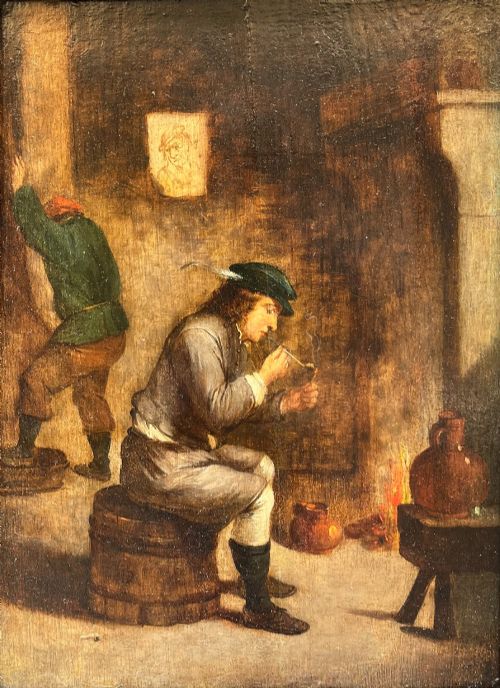
Subjects typically involve peasants merrymaking, hunters in interiors, musicians, and patrons smoking on barrels within dimly lit rooms. The grouping bridges fine art and functional domestic hearth accessories, all united by a shared thematic focus on traditional alehouse life.
Factors determining quality
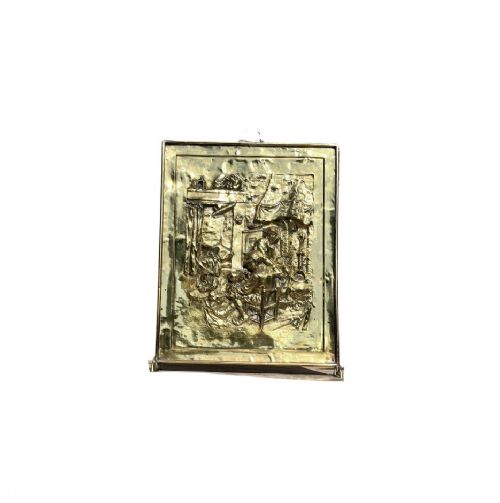
Quality rests in the handling of the medium, whether that involves the expressive brushwork and draughtsmanship found in oil paintings on panel and canvas or the crispness of the repoussé detail on brass fire screens and coal buckets. Superior painted examples display depth of tone and confident figurative composition, while finer metalwork shows sharp relief in the pressed tavern scenes.
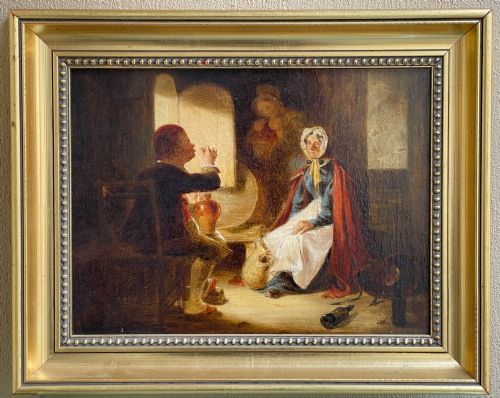
The relationship between the piece and its period matters significantly, distinguishing seventeenth-century originals and period panels from nineteenth-century copies or later twentieth-century Arts and Crafts interpretations. Original framing, such as leaf-cast gilt frames or antique wooden surrounds, preserves the integrity and visual impact of the paintings.
Listings combine fine art oil paintings on oak panels and canvas with embossed Arts and Crafts brass hearth accessories.
David Teniers·Ludolf de Jongh·Reinier de la Haye·Jan Steen·Cornelis Dusart·Dietrich
The Dutch Tavern Scene Glossary
- Oil on Oak Panel
- A painting executed on a prepared wooden board. This sturdy support was heavily utilised by seventeenth-century and later artists working in the Dutch tradition.
- Genre Painting
- Artwork depicting scenes from everyday life, typically involving ordinary people in domestic interiors or taverns. This style formed the backbone of Dutch Golden Age painting.
- Repoussé
- A metalworking technique where metal is beaten from the reverse side to form a raised design. This method appears on brass coal buckets and fire screens featuring tavern motifs.
- Giltwood
- Wood that has been coated with thin gold leaf or gilt powder. Antique frames finished in this manner frequently house the oil paintings in this category.
Dutch Tavern Scene: Frequently Asked Questions
What periods do these pieces date from?
The selection includes works from the seventeenth century through to the early twentieth century. Painters and craftsmen revisited these traditional subjects across multiple generations.
Nineteenth-century interpretations and later Arts and Crafts brassware sit alongside genuine seventeenth-century panels and eighteenth-century compositions.
Are all these items oil paintings?
While many items are oil paintings on canvas or oak panels, the category also includes functional metalware. Brass fire screens and coal buckets feature embossed tavern scenes.
Printed oileographs on canvas also appear alongside the hand-painted works and metal hearth accessories.
What surfaces were the paintings created on?
Artists utilised a variety of rigid supports and flexible grounds for their works. Oak panels and canvas are the most common surfaces encountered.
Copper panels, tin, and miscellaneous boards were also utilised by painters working in the Dutch school tradition.
How do I style a brass tavern scene bucket?
These embossed brass pieces function well beside traditional hearths and fireplaces. They bring warmth and historic character to a room while serving as practical storage.
Pairing them with period oil paintings creates a cohesive interior scheme centred on historic tavern motifs.