

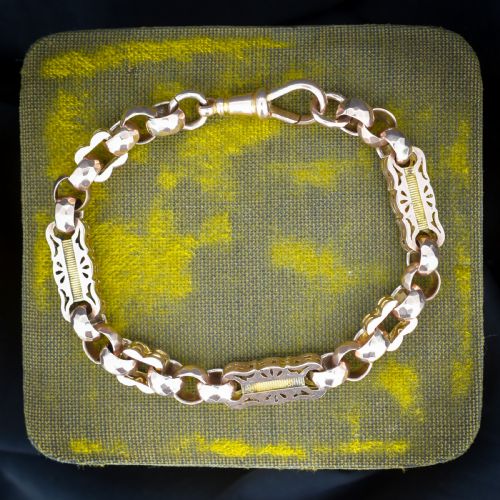


Victorian Gate Bracelet
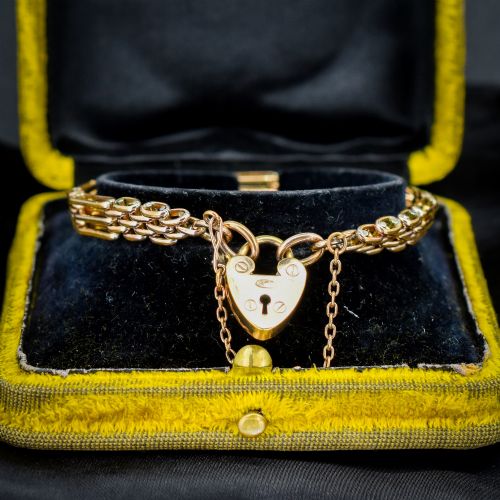
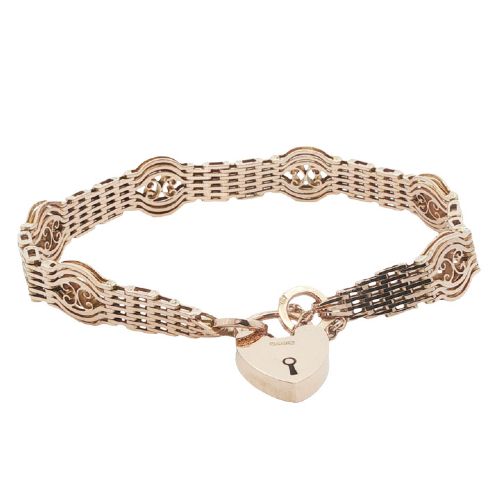
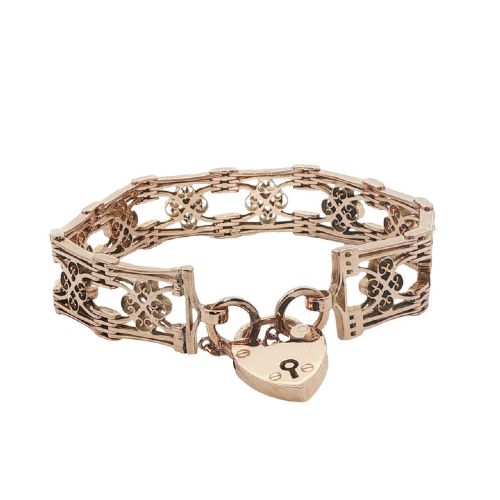
A victorian gate bracelet brings together intricate woven links and secure padlock fastenings, offering a distinct piece of nineteenth-century craftsmanship.
Victorian Gate Bracelet
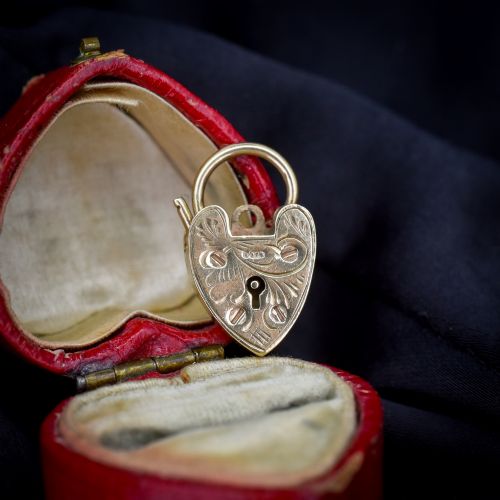
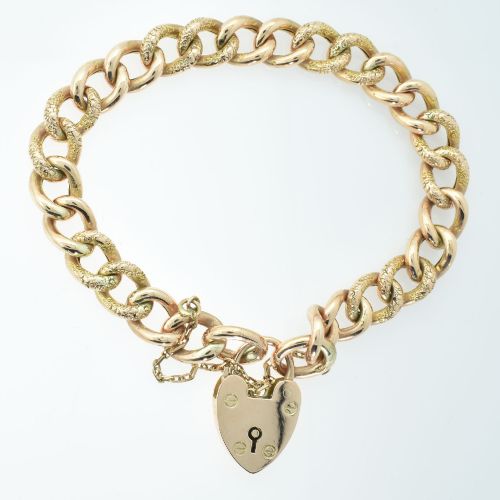
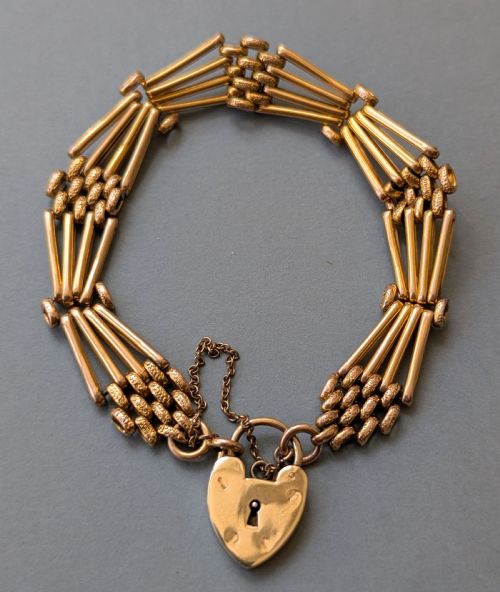
Many designs incorporate a heart-shaped padlock or dog clip fastening, often functioning as the central clasp of the ornament. These clasps sometimes secure with a safety chain attached alongside the primary link.
The selection extends beyond standard metal links to include gem-set varieties adorned with amethyst, ruby, opal, and split pearls. Scottish pebble and agate panels also appear among the broader groupings of these linked ornaments.
Materials and Construction
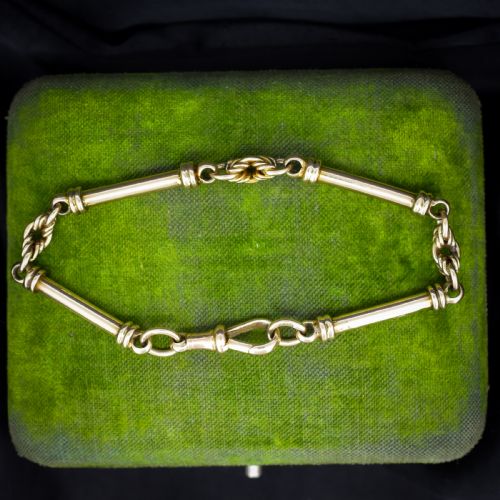
Goldsmiths utilised nine-carat yellow and rose gold, alongside occasional higher gold purities and silver bases, to form the tubular bars and fancy links. Metal was drawn, shaped, and soldered to create flexible multi-bar structures.
Gemstones such as amethyst, garnet, turquoise, and natural opal were cut and bezel-set into central mountings or integrated directly into the knot and curb link arrangements.
Victorian Gate Bracelet Retail Price Guide 2026
Typical asking prices for victorian gate bracelet among the pieces listed under this phrase on Sellingantiques today, from the lower quarter to the upper quarter. They describe what is for sale here now, not the wider market.
The listings show pieces spanning the Victorian period through to nineteen-sixty, utilising nine-carat gold, silver, amethyst, and Scottish agate.
Assessing Quality
Quality rests in the precision of the link construction and the uniformity of the metalwork across the length of the band. Tighter weaving and heavier gold weight indicate superior manufacture.
The integration of stones, such as banded agate or matched pearls, alongside fully functioning padlocks with secure springs, distinguishes finer examples from standard production.
The Victorian Gate Bracelet Glossary
- Gate link
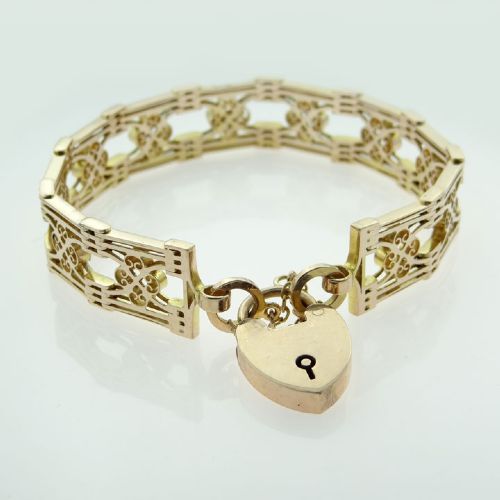
- A style of jewellery link formed from multiple parallel horizontal bars joined by vertical connectors. This design was particularly popular during the Victorian period.
- Padlock clasp
- A small, functional heart-shaped lock used to secure bracelets and charms. These often act as the primary opening mechanism on gate bracelets.
- Dog clip
- A spring-loaded metal fastening shaped like a small clip. It frequently connects to jump rings or safety chains on period bracelets.
- Banded agate
- A variety of chalcedony displaying natural contrasting stripes or layers. Victorian jewellers commonly polished these stones for Scottish pebble bracelets.
- Split pearl
- A small pearl cut in half and glued to a backing or metal setting. These appear frequently in floral and cluster arrangements on nineteenth-century pieces.
Victorian Gate Bracelet: Frequently Asked Questions
What is a gate bracelet?
A gate bracelet is a piece of wrist jewellery characterised by rows of parallel metal bars linked together to resemble a traditional gate. They often include a decorative padlock clasp.
These ornaments gained widespread popularity during the Victorian era and continued into the early twentieth century.
How do you open the padlock?
Most padlocks on these bracelets function via a small spring-loaded arm or hidden hinge that opens when pressed. Some padlocks serve as decorative elements while a separate clasp secures the piece.
Checking the tension of the spring ensures the fastening remains secure during everyday wear.
Are the padlocks always secure?
Original padlocks rely on historical spring mechanisms that can lose tension over decades of use. Many owners pair them with a thin safety chain for added security.
A jeweller can adjust the internal spring if the clasp fails to latch firmly.
What metals were used?
Victorian gate bracelets primarily utilise nine-carat yellow gold and rose gold, alongside rolled gold and sterling silver. Scottish provincial pieces frequently feature silver paired with hardstone.
Higher purities, such as fifteen-carat and eighteen-carat gold, appear in more elaborate gem-set examples.