




Victorian Garden Jardiniere
A victorian garden jardiniere brings architectural presence to a terrace, holding plants in cast iron, terracotta, and wirework forms.
Victorian Garden Jardiniere
A victorian garden jardiniere is an outdoor vessel designed to display plants on patios, in conservatories, and across formal gardens. These pieces span periods from the Georgian era through to the Edwardian period, with nineteenth-century examples dominating the selection.
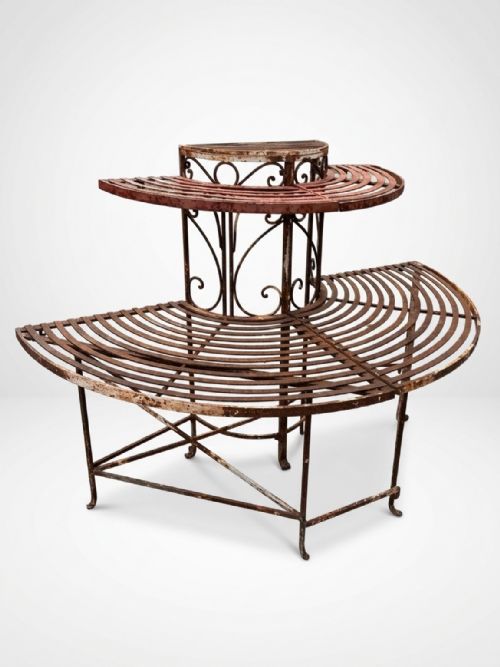
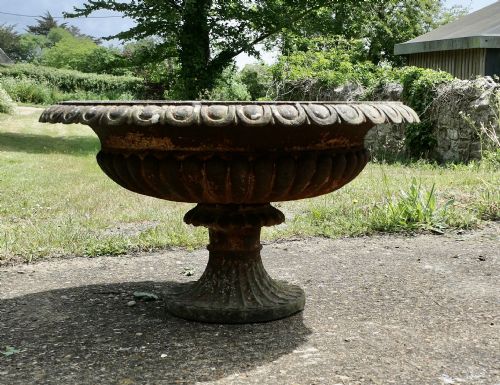
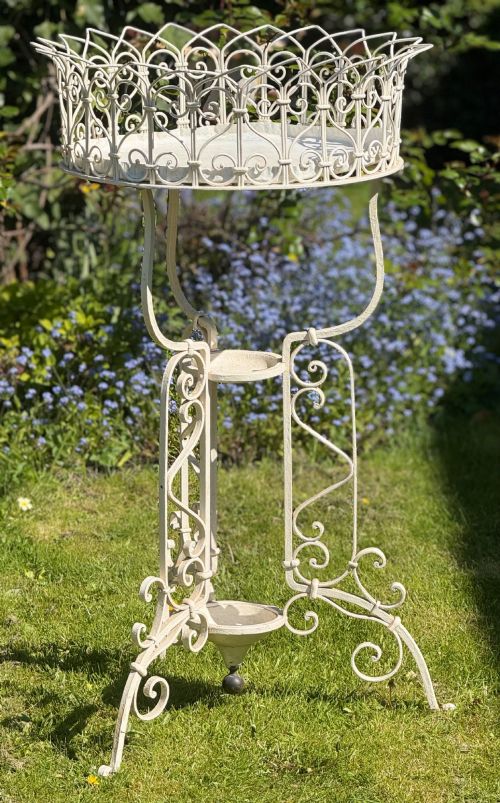
Makers produced these plant holders in various forms including multi-tiered stands, decorative urns, and naturalistic pottery vessels. English and French workshops created the majority of the surviving pieces found on this page.
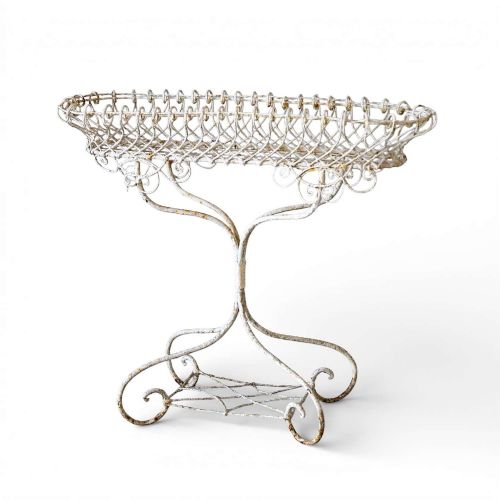
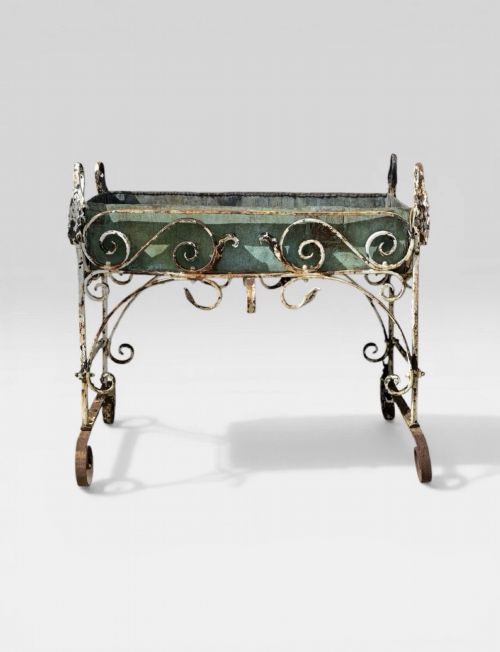
Buyers will encounter heavy cast iron items alongside delicate wirework stands and substantial terracotta urns. Smaller tabletop planters sit alongside large tree bases and ornamental garden planters intended for focal display.
Quality factors and distinctions
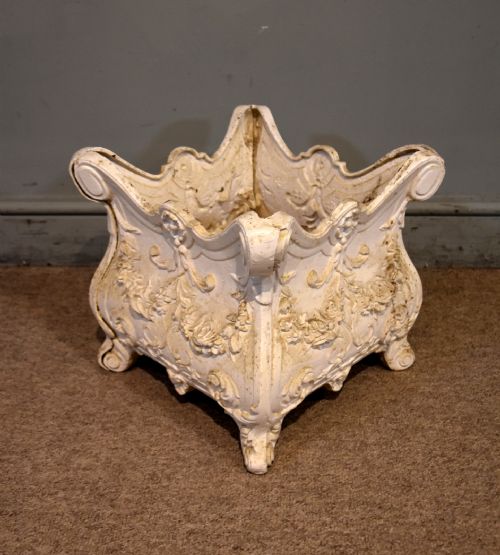
The sophistication of the casting work separates standard utility vessels from ambitious sculptural pieces. Crisp detailing on iron scrollwork and animal forms indicates superior foundry craftsmanship.
Material choice and structural integrity dictate longevity and visual weight. Heavy cast iron and lead components retain their form better over centuries than lighter sheet metal.
Victorian Garden Jardiniere Retail Price Guide 2026
Typical asking prices for victorian garden jardiniere among the pieces listed under this phrase on Sellingantiques today, from the lower quarter to the upper quarter. They describe what is for sale here now, not the wider market.
Listings feature items from the Georgian, Victorian, and Edwardian periods, constructed in cast iron, terracotta, wirework, and stone.
Coalbrookdale
The Victorian Garden Jardiniere Glossary
- Jardiniere
- An ornamental pot or stand for holding plants or flowers. These vessels range from heavy cast iron urns to wirework conservatory stands.
- Cast iron
- A hard, relatively brittle alloy of iron and carbon that can be cast in a mould. Foundries used this durable material for ornate Victorian garden urns and plant stands.
- Terracotta
- Unglazed fired clay of a brownish-red colour used for garden planters and urns. This porous material patinates naturally outdoors over time.
- Wirework
- Metal strands bent and welded into open lattices and tiered frames. Makers constructed lightweight plant stands in this style for Victorian conservatories.
- Scrollwork
- Ornamental ornamentation formed in spirals or scrolls of wrought or cast iron. This decorative motif appears frequently on nineteenth-century plant stands.
Victorian Garden Jardiniere: Frequently Asked Questions
Where should I place a heavy cast iron jardiniere?
Position these heavy iron vessels on solid patio flags or reinforced garden ground to support their substantial weight.
They function well as focal points at the end of a path or flanking a doorway.
Can wirework plant stands stay outside all year?
Wirework stands suit sheltered conservatories and covered patios rather than exposed garden beds. Their delicate metal construction benefits from protection against heavy winter frost.
Store them under cover during harsh weather to preserve the wire structure.
How do terracotta planters age outdoors?
Terracotta develops a weathered patina of moss and lichens when exposed to garden moisture and soil over decades. This natural weathering enhances the antique character of nineteenth-century urns.
Ensure adequate drainage to prevent frost damage during freezing months.
What plants suit a tiered plant stand?
Multi-tiered wire and cast iron stands accommodate collections of potted flowering plants and trailing greenery. Their stepped shelves provide adequate light and air circulation for each pot.
Arrange smaller pots on upper tiers and heavier containers on the base.