




Victorian Gallery Top Cupboard
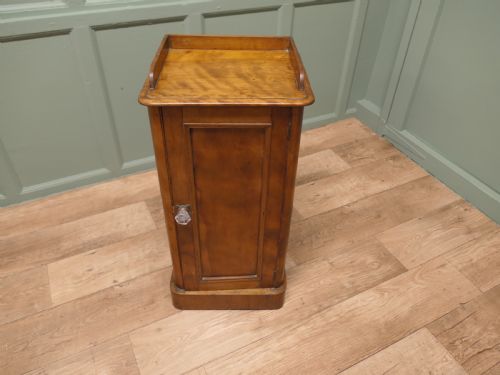
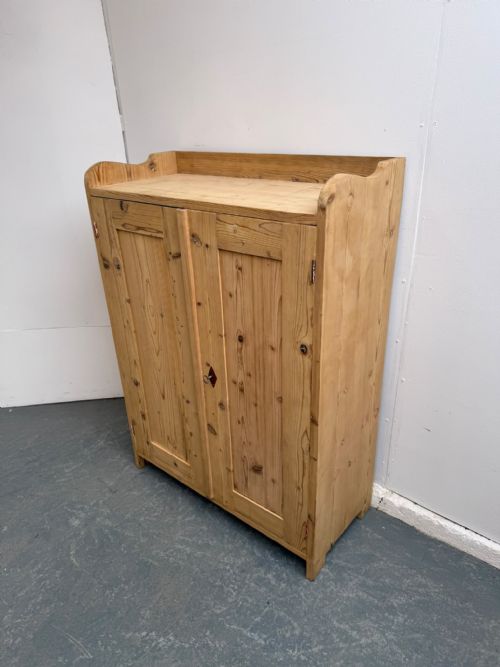
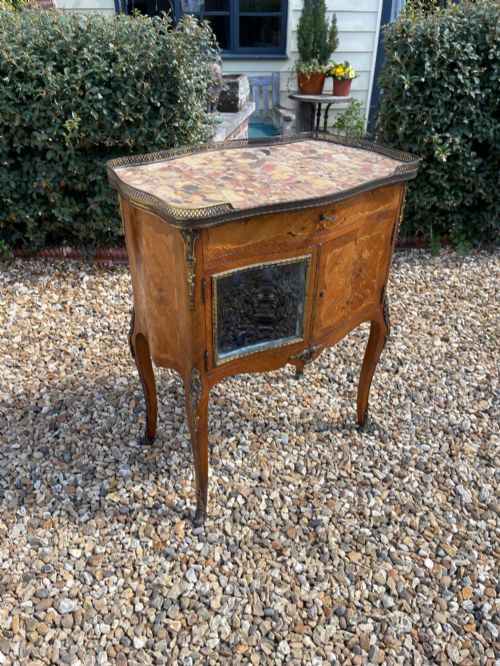
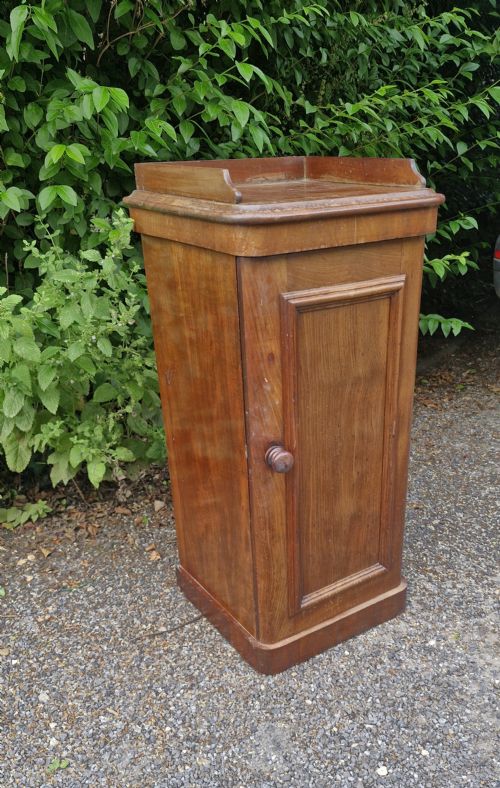
These Victorian gallery top cupboard examples offer practical storage and display surface, combining period cabinetwork with distinctive raised galleries.
Victorian Gallery Top Cupboard
A Victorian gallery top cupboard provides enclosed storage topped by a decorative or protective rim known as a gallery. The pieces appearing here span forms such as bedside cabinets, bedside tables, storage cupboards, side cabinets, music cabinets, bedside cupboards, wall cabinets, and chiffonier side cabinets.
Makers and workshops from the nineteenth century produced these items in various woods, often incorporating marble, glass, and brass fittings. Buyers encounter domestic furniture dating from the 1840s through to the late nineteenth century, reflecting Victorian, Georgian, French Rococo Revival, and French Louis XVI styles.
How they were made
Cabinetmakers utilised primary timbers such as mahogany, walnut, burr walnut, oak, and pine to construct the carcasses and panels of these cupboards. Surface treatment often involved polishing or waxing the timber to highlight the natural grain.
Construction details include brass hardware, inlaid veneers, carved elements, and inset marble tops, particularly on French influenced or bedside variants. Wall and music cabinets integrate specialised shelving and display configurations alongside enclosed storage spaces.
Some Victorian music cabinets doubled as lounge servers for pianists needing quick access to sheet music during evening recitals.
What varies in quality
The standard of timber selection and veneer matching defines the visual weight of the piece, with figured burr walnut and dense mahogany representing more ambitious workshop production. Finer examples display precise joinery and sophisticated carving rather than plain utility construction.
Hardware execution and secondary materials such as marble inserts or brass galleries separate standard domestic items from bespoke commissions. The presence of documented maker attributions elevates the standing of a piece within nineteenth century cabinetwork.
Holland & Sons
The Victorian Gallery Top Cupboard Glossary
- Gallery top
- A raised rail or shelf surrounding the upper surface of a cabinet or table to prevent items from sliding off. This feature often incorporates pierced woodwork or brass spindles.
- Pot cupboard
- A small bedside cabinet originally designed to house a chamber pot behind a single door. These compact forms date predominantly to the Victorian era.
- Burr walnut
- A veneer sliced from the knotty growths of a walnut tree, prized for its swirling, decorative grain patterns. It frequently appears on mid to late nineteenth century luxury furniture.
- Chiffonier
- A low sideboard or cabinet featuring enclosed storage beneath a surface or shelf tier. Victorian variations sometimes incorporate mirrored backs or raised display galleries.
- Campaign style
- Furniture designed for military transport, characterised by recessed brass handles and robust construction. Pieces in this tradition prioritise portability without sacrificing rigid assembly.
Victorian Gallery Top Cupboard: Frequently Asked Questions
What is a gallery top?
A gallery top is a raised decorative or protective rim positioned around the upper perimeter of a cabinet or table. It keeps small items secure on the surface.
In Victorian pieces, these galleries are often carved from the same timber as the body or constructed from brass spindles.
How were bedside cupboards used?
Victorian bedside cupboards served primarily to conceal chamber pots and store personal nighttime items behind enclosed doors. They functioned as private utility pieces within the bedroom.
Over time, their internal shelving adapted to hold books, water jugs, and modern bedroom accessories while maintaining a compact footprint.
Which woods are most common?
Mahogany appears most frequently across these nineteenth-century listings, followed by walnut, burr walnut, oak, and pine. Cabinetmakers selected these hardwoods for durability and rich natural colour.
Some pieces also integrate marble tops and brass mounts, reflecting French revival influences popular during the period.
How do I identify the period?
Dating relies on construction methods, timber choices, and stylistic markers associated with the nineteenth century. Pieces range from early Victorian designs of the 1840s to late Victorian and 1890s inlaid examples.
Specific design cues, such as campaign hardware or French Louis XVI style influences, help narrow down the decade of manufacture.
Where did music cabinets go?
Music cabinets were designed to hold sheet music, scores, and playing accessories in Victorian parlours and drawing rooms. Their interior layout featured dedicated slots or shallow drawers for paper storage.
Today, buyers repurpose these compact units as side tables or specialist storage chests in modern living spaces.