



Victorian Gallery Chest
A Victorian gallery chest combines substantial storage with a protective upstand, offering practical surface space for bedrooms and living rooms.
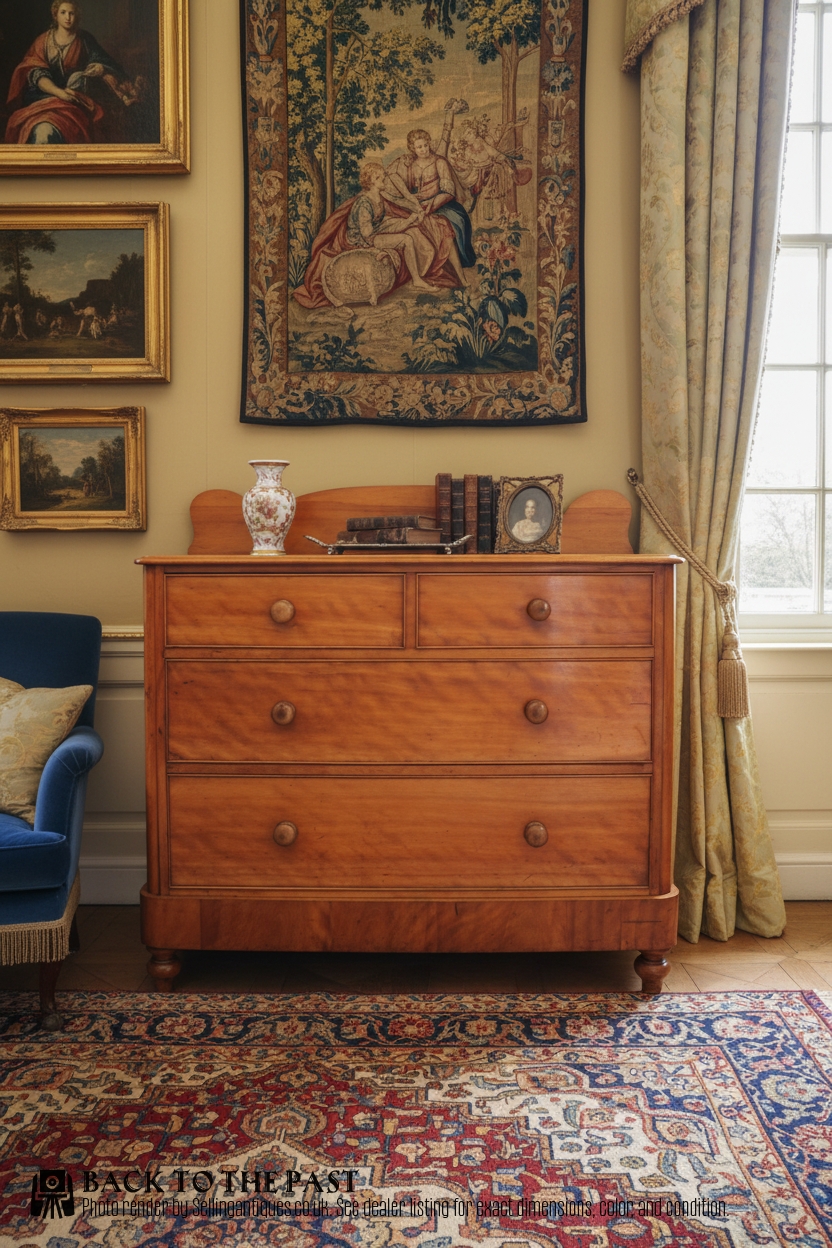
Victorian Gallery Chest
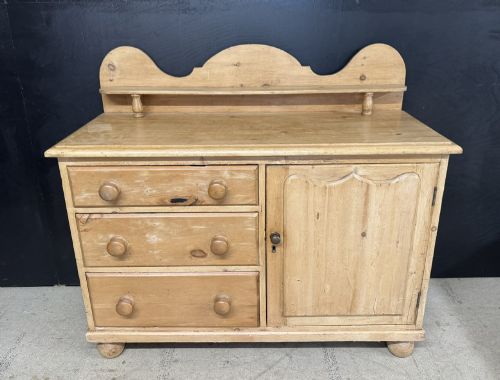
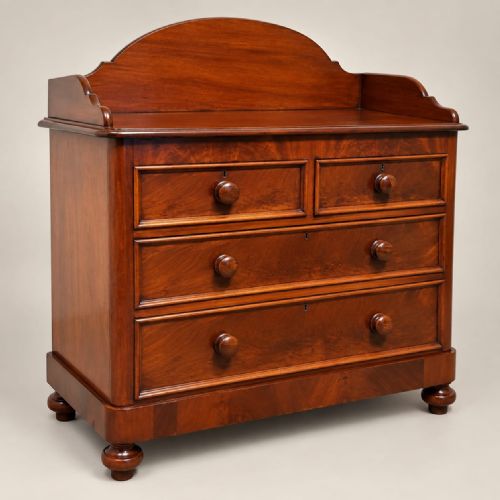
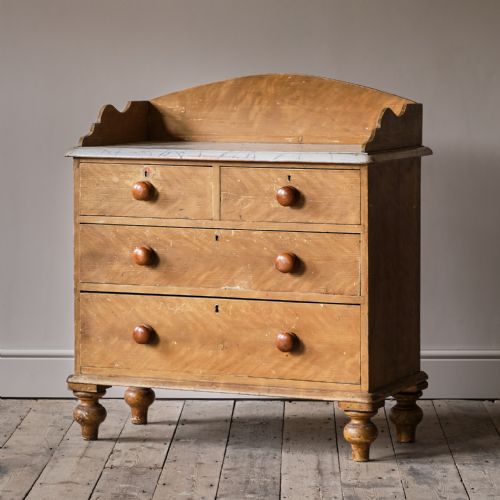
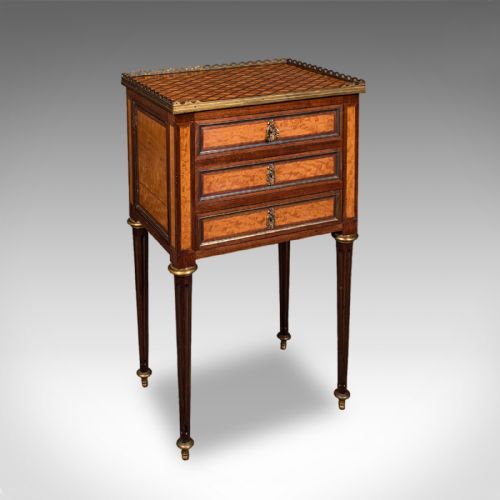
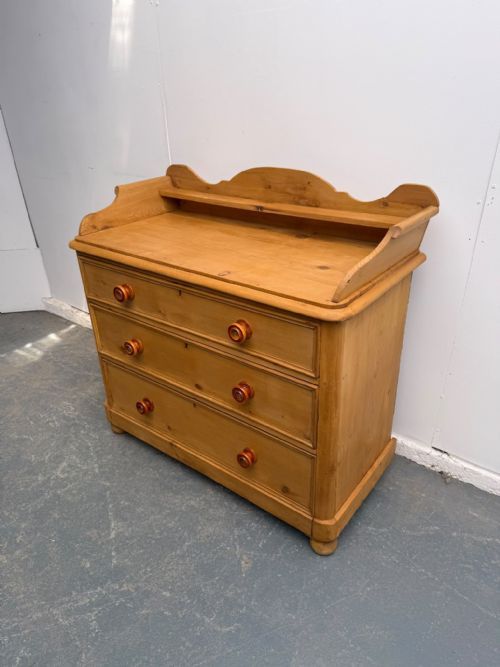
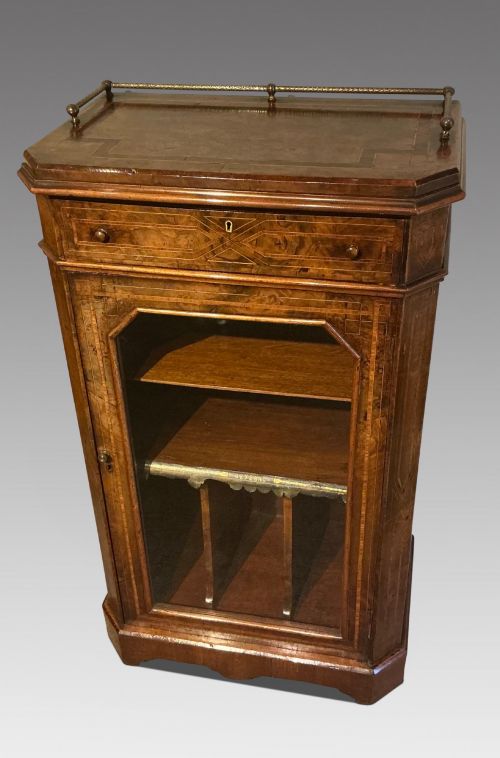
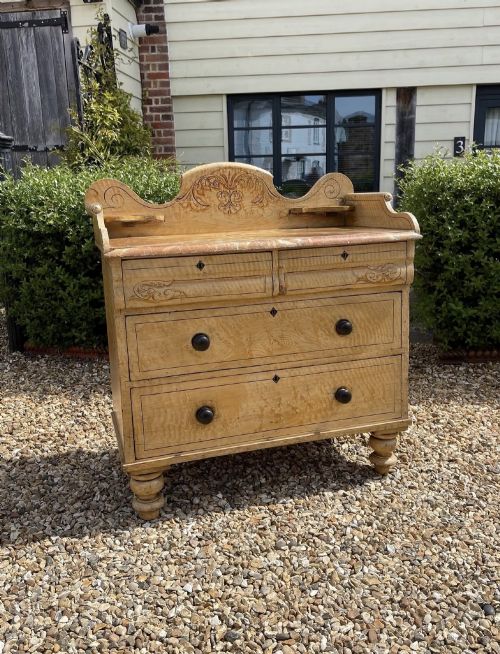
When you search for a victorian gallery chest, you are looking at practical case furniture defined by a raised wooden back or upstand attached to the top surface. These pieces originate primarily from the nineteenth century, encompassing various regional English and Welsh workshops alongside standard Victorian production.
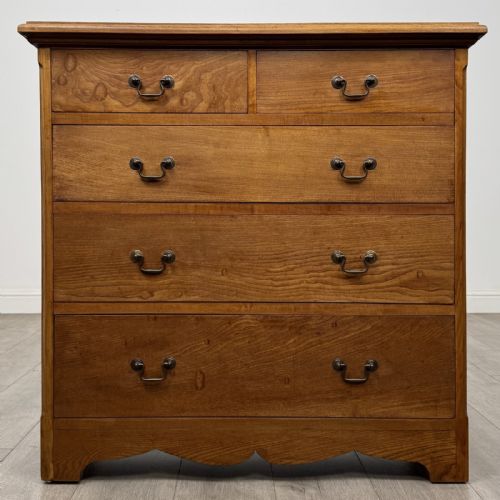
The most common versions encountered here are constructed from solid pine, often waxed, painted, or finished with a gallery top. Alongside these pine examples, mahogany and walnut variants appear, frequently featuring traditional drawer configurations.
The evidence shows that gallery chests share construction traits with related forms such as dressing chests and washstands, incorporating the characteristic low upstand to prevent items from sliding off the rear surface.
Materials and Construction Techniques
Cabinet makers utilised a range of primary timbers including pine, mahogany, walnut, burr walnut, and satin birch, frequently pairing them with secondary woods for drawer linings. Metal hardware such as brass handles and campaign bindings appear on specific utilitarian forms.
Surface treatments recorded in the inventory vary from original paint and waxed finishes to polished mahogany veneers and burr elm. Structural assembly relies on traditional jointing methods suited to nineteenth century cabinet making, with galleries either dowelled or integrated directly into the top board.
Victorian Gallery Chest Retail Price Guide 2026
Typical asking prices for victorian gallery chest among the pieces listed under this phrase on Sellingantiques today, from the lower quarter to the upper quarter. They describe what is for sale here now, not the wider market.
Listings feature nineteenth-century furniture in pine, mahogany, walnut, and satin birch, alongside painted Welsh country pieces.
Distinguishing Quality in Gallery Chests
The standard of a victorian gallery chest depends largely on the selection of timber, such as figured mahogany or well-grained burr walnut, compared to standard utilitarian pine. Finer pieces demonstrate careful attention to drawer construction, smooth running mechanisms, and well-proportioned upstands that complement the overall carcass rather than appearing disproportionate.
Originality of surface finish heavily influences the character of each piece, with untouched painted pine or patinated polished hardwoods holding particular interest. The integrity of the gallery structure itself, including any fretwork or shaped upstands, remains an important indicator of original craftsmanship.
The Victorian Gallery Chest Glossary
- Gallery
- A raised wooden upstand or rail fitted to the rear and sometimes the sides of a chest top. It prevents objects from falling behind the furniture.
- Campaign chest
- A portable form of case furniture designed to dismantle into sections for travel, typically featuring brass corners and flush inset handles.
- Commode chest
- A term historically applied to decorative drawer units, often associated with painted Welsh country pine pieces in nineteenth-century domestic settings.
- Dressing chest
- A low chest of drawers, often fitted with a gallery or attached mirror supports, designed for personal grooming use in bedrooms.
Victorian Gallery Chest: Frequently Asked Questions
What is a gallery on a chest?
A gallery is a raised timber rim attached to the back or sides of the top surface. It was originally designed to stop items from sliding off.
In practice, this feature frames the top board and gives nineteenth-century case furniture a distinct architectural silhouette.
Are these chests made of solid pine?
Many examples are constructed from solid pine, particularly those originating from regional English and Welsh domestic workshops. These are frequently found in waxed or original painted finishes.
Other specimens utilise hardwoods like mahogany, walnut, and satin birch for a more formal appearance.
How do I care for a waxed pine chest?
Maintain waxed pine surfaces by applying a traditional beeswax polish sparingly and buffing with a soft cloth. Avoid placing wooden furniture near direct heat sources to prevent timber splitting.
Keep the piece away from damp environments to preserve the integrity of the original wood and finishes.
Where were gallery chests used?
These chests were primarily utilised in bedrooms as practical storage units for clothing and personal belongings. The raised gallery protected bedroom walls from marks and kept items secure on the surface.
Over time, collectors have adapted them for use in hallways and living rooms as general storage consoles.