

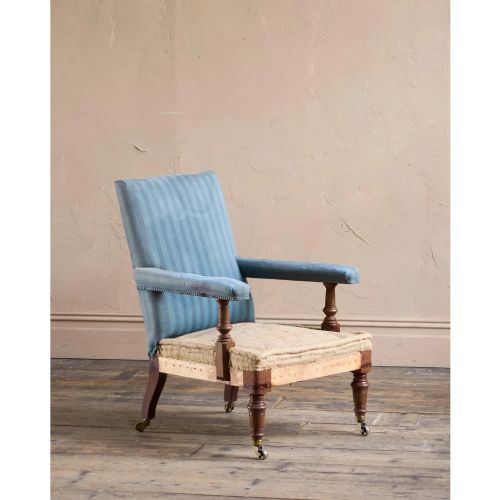
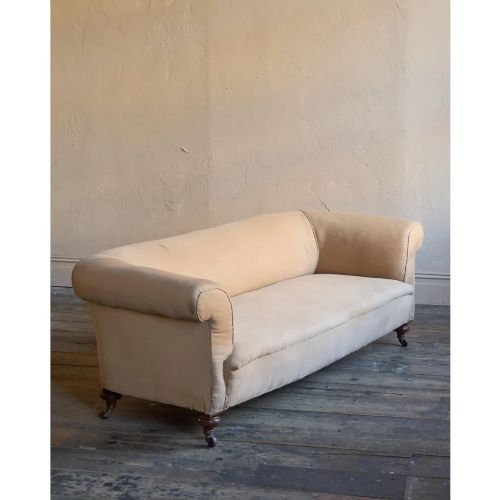

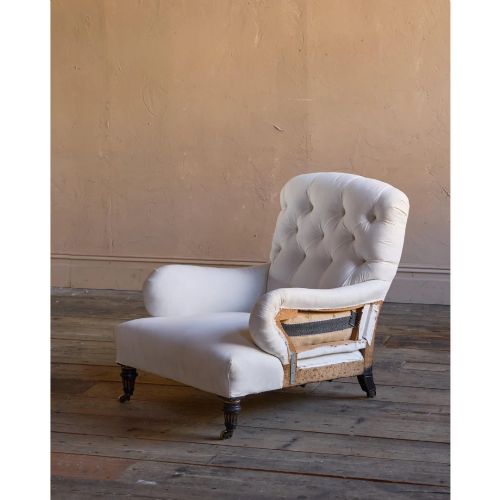
Victorian Furniture with Castors
Victorian furniture with castors comprises sturdy tables, desks, seating and beds fitted with wheels for mobility across grand nineteenth-century rooms.
Victorian Furniture with Castors
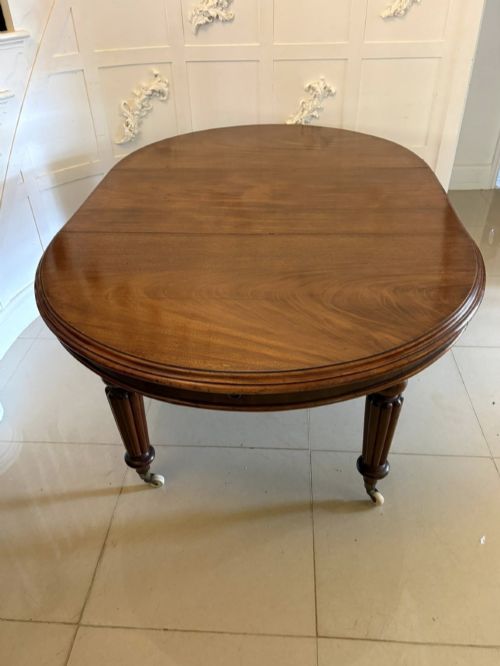
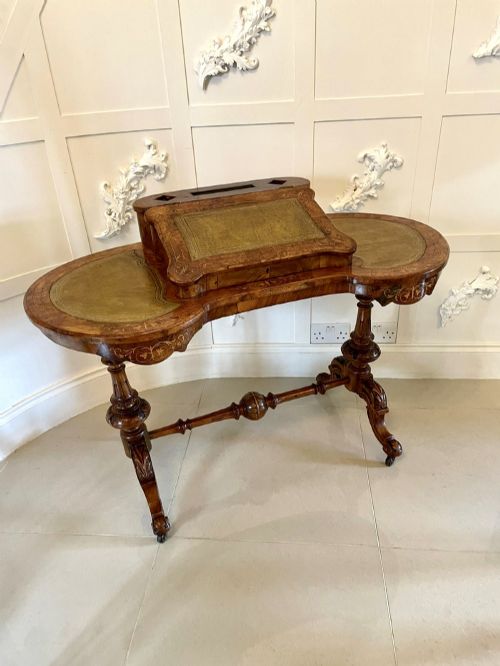
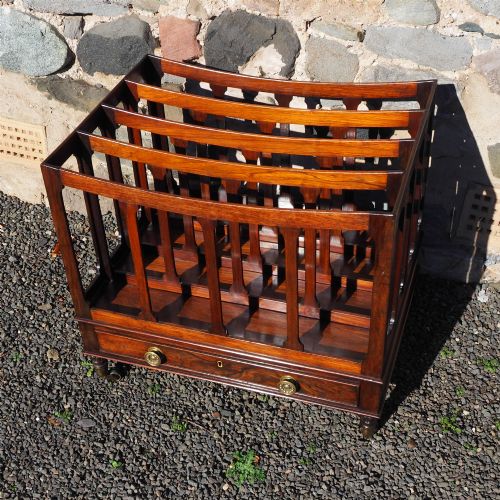
Victorian furniture with castors covers a broad spectrum of domestic pieces, ranging from mahogany and rosewood canterburys to kidney-shaped writing tables and brass bedsteads.
The pieces on this page span the nineteenth century, taking in Regency, Georgian and Victorian periods alongside specific styles like the Aesthetic Movement.
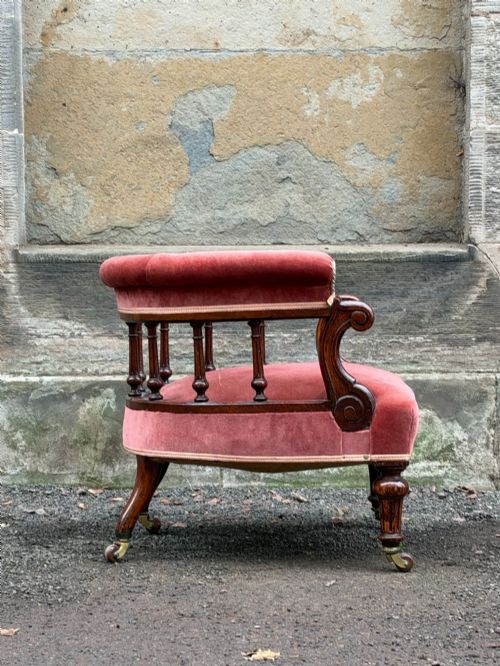
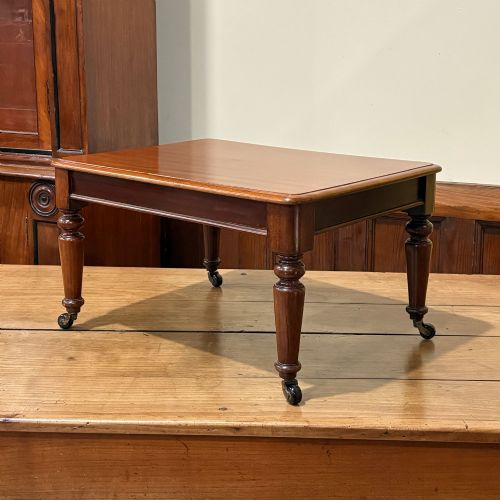
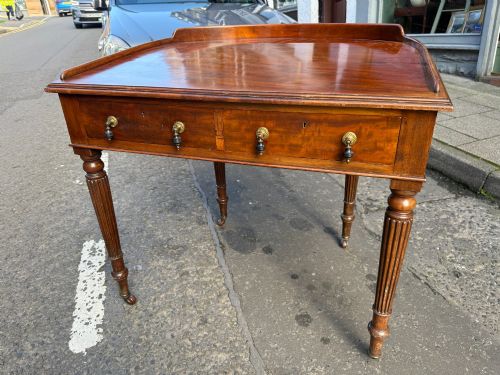
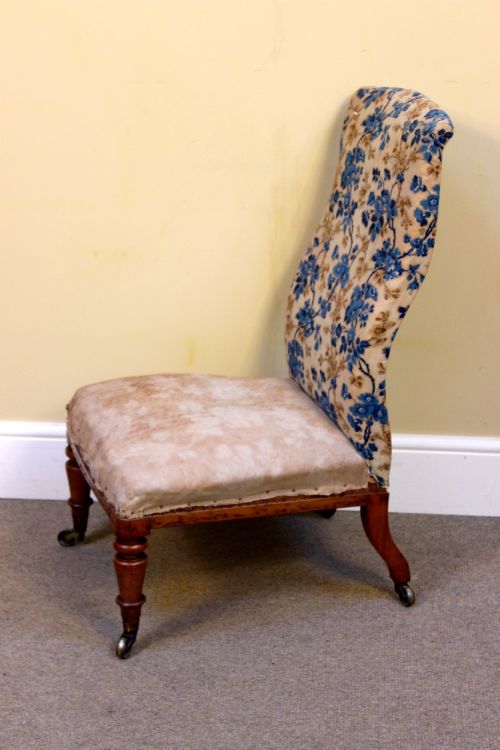
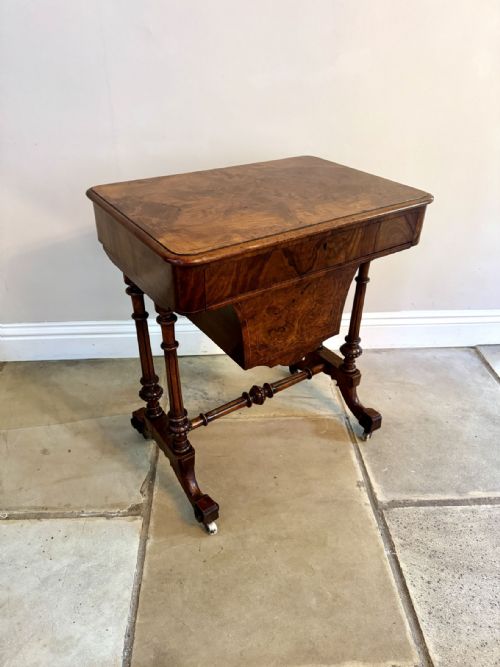
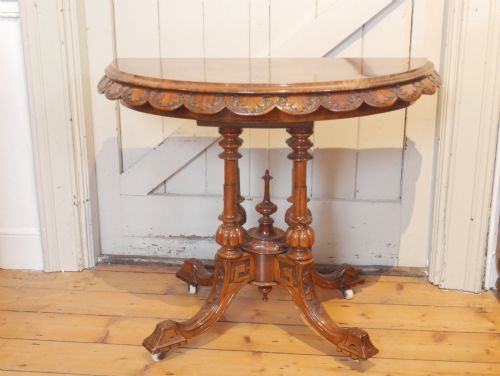
Writing tables, side tables, armchairs and beds dominate the forms seen here, each fitted with functional undercarriages designed to ease movement across heavy carpets.
Materials and construction
Cabinet makers utilised dense timbers such as mahogany, walnut, rosewood and satinwood, frequently employing burr veneers or inlay to enrich surfaces.
Metal components played a critical structural role, combining brass castors with iron frames in beds and robust timber joinery in tables and canterburys.
Victorian Furniture with Castors Retail Price Guide 2026
Typical asking prices for victorian furniture with castors among the pieces listed under this phrase on Sellingantiques today, from the lower quarter to the upper quarter. They describe what is for sale here now, not the wider market.
Distinctions in standard and execution
The division between standard workshop production and top-tier cabinet making rests on timber selection, such as figured burr walnut or Cuban mahogany, and the precision of inlaid details.
Maker attribution elevates certain pieces, distinguishing standard nineteenth-century items from documented workshop output by firms like Maple and Co or Gillows.
Maple and Co·Johnstone and Jeanes·J A Mein Edinburgh·Shoolbred·Jenks and Woods·Howard and Sons·Gillows·Holland and Sons
The Victorian Furniture with Castors Glossary
- Canterbury
- A low stand fitted with partitions for sheet music or books, usually set on castors. This form often includes a drawer beneath the slatted compartments.
- Kidney shaped
- A curved, asymmetrical desk or table top design popular during the Victorian period. Such forms required specialist joinery to shape the timber veneer.
- Aesthetic Movement
- A late nineteenth-century design style emphasising simplicity, ebonised finishes and Japanese-inspired motifs. Pieces in this manner break from heavy Victorian ornamentation.
- Pembroke table
- A drop-leaf table with hinged flaps on two opposing sides, frequently containing a drawer. These versatile tables were easily moved on castors for dining or writing.
Victorian Furniture with Castors: Frequently Asked Questions
Why did tables have wheels?
Castors allowed heavy nineteenth-century timber tables and seating to be repositioned easily across thick carpets for cleaning or entertaining.
This mobility was essential in large homes where rooms served multiple functions throughout the day.
How do I identify a writing table?
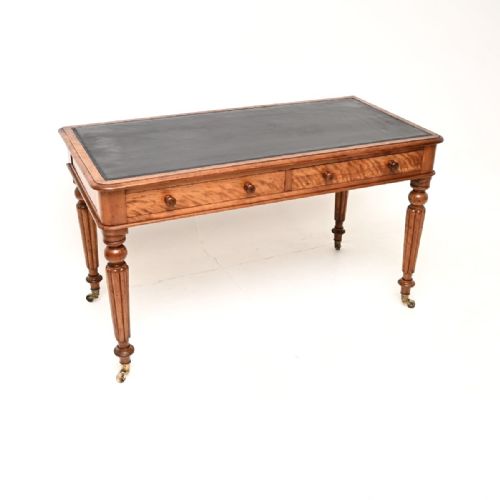
Writing tables usually feature finished backs so they could stand freely in the centre of a room rather than against a wall.
Many examples include inset leather surfaces and integrated drawers for writing materials.
Are brass beds sturdy?
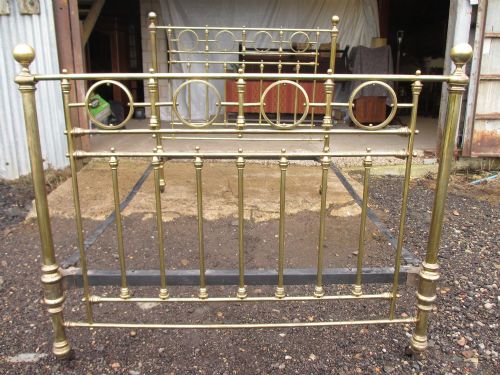
Victorian brass and iron beds utilise slot-in metal frames designed for strength and simple assembly.
Mounted on castors, these substantial frames could still be moved smoothly across bedroom floors.
What is a canterbury used for?
Canterburys were designed to hold sheet music, periodicals or books near seating areas or pianos.
The inclusion of castors meant the stand could follow the musician around the drawing room.