



Victorian Furniture Mirror
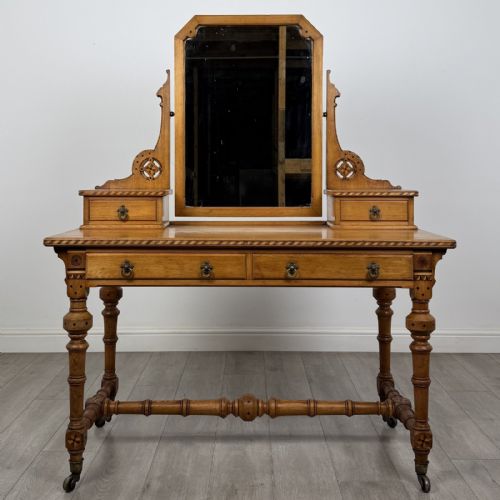
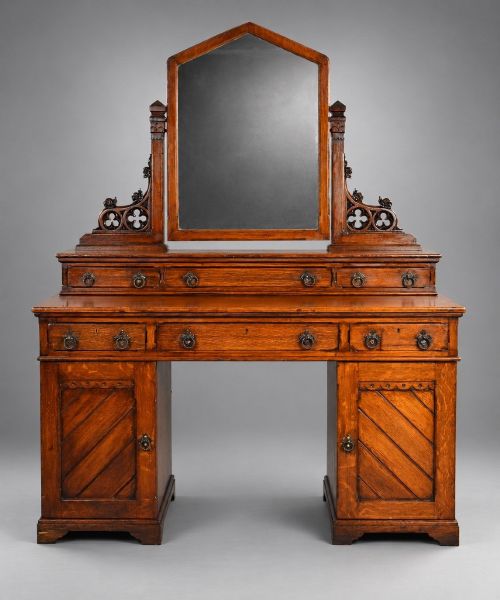
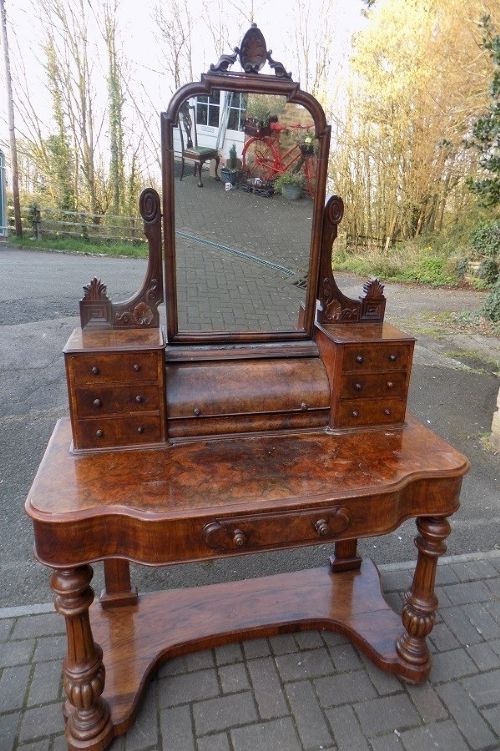
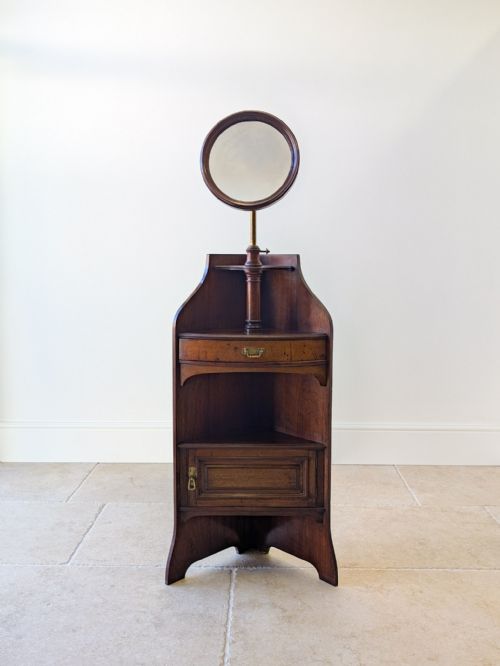
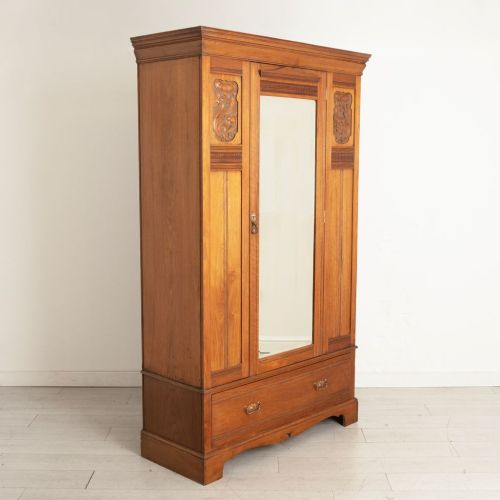
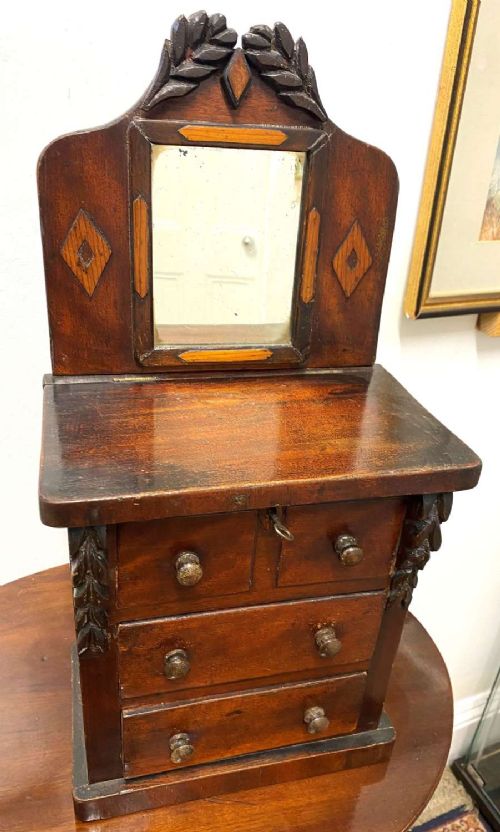
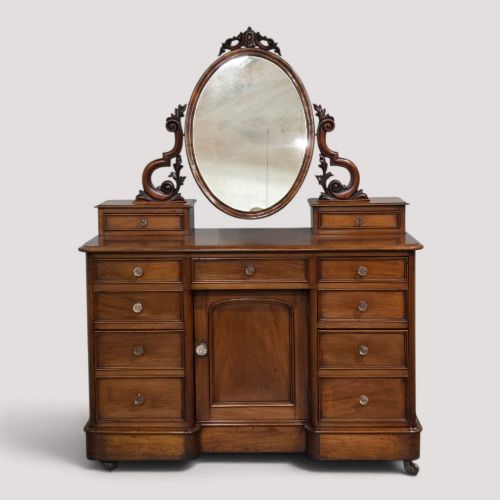
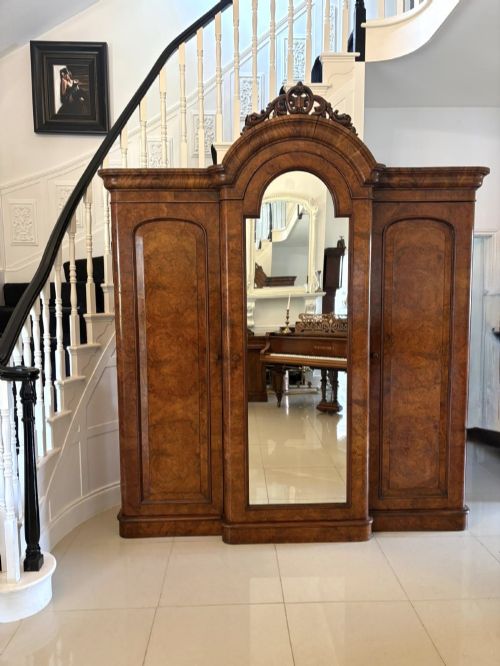
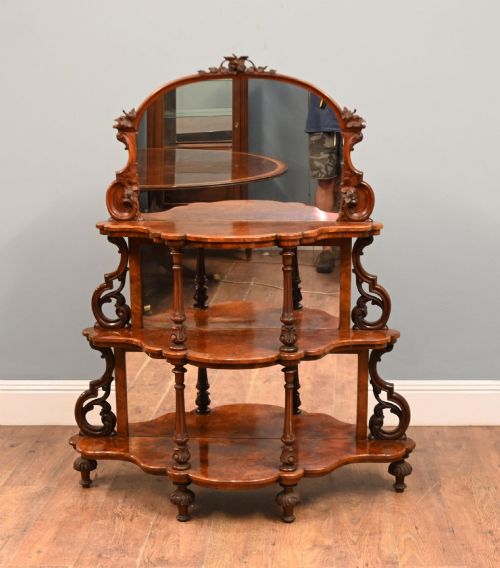
These pieces of victorian furniture mirror combine functional cabinetry with polished glass, appearing across large wardrobes, dressing tables, and hall stands.
Victorian Furniture Mirror
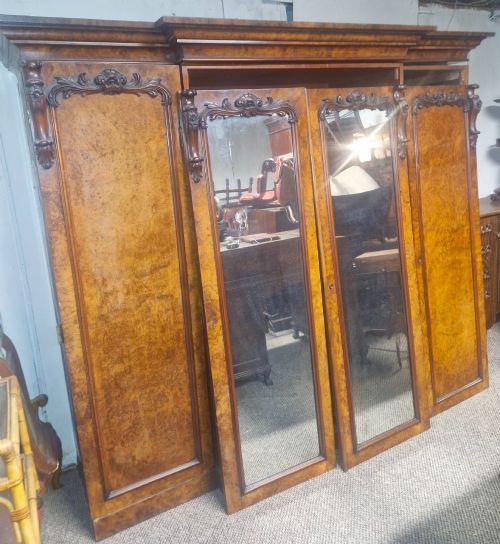
When someone searches for victorian furniture mirror, they find items where reflective glass is integrated into functional household wooden furnishings. These range from heavy bedroom wardrobes and dressing tables to hallway stands designed for coats and hats.
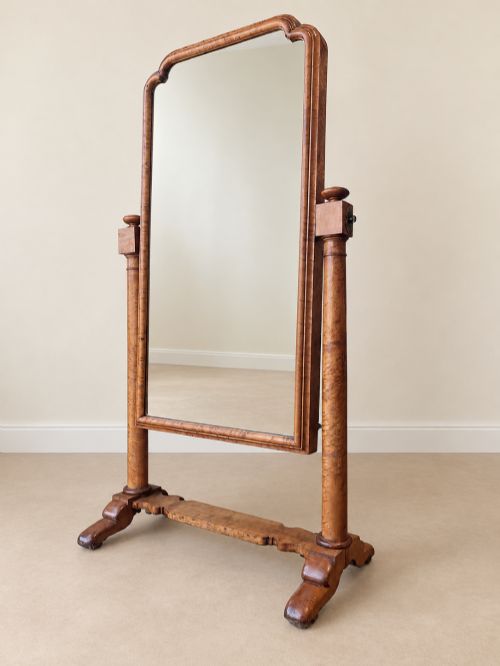
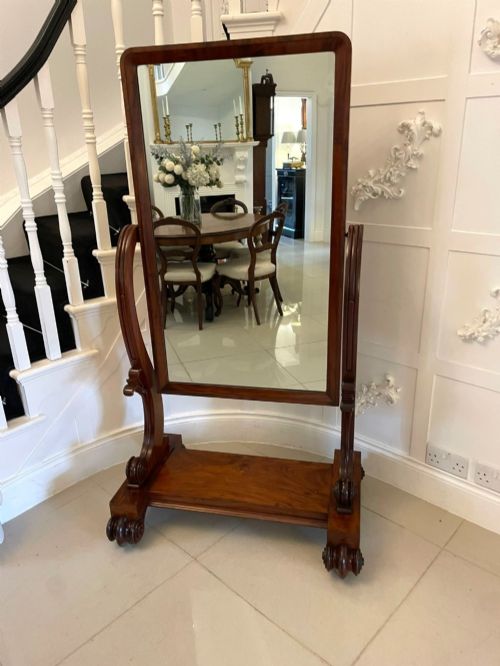
The pieces on this page span the Victorian and Edwardian eras, with notable examples stretching from the mid-nineteenth century through to the early twentieth century. Common formats include sideboards with mirrored backs, freestanding cheval glasses, and bamboo wall shelves.
Origin and regional styles vary, encompassing British domestic production alongside French influences such as Rococo Revival console tables and Aesthetic Movement Japonaise designs. Buyers most frequently encounter oak, mahogany, and walnut forms equipped with original bevelled glass plates.
Materials and Construction
Construction relies heavily on dense hardwoods like mahogany, oak, and walnut, frequently accented with burr walnut veneers or bird's-eye maple. Secondary materials include cast iron, brass hooks, and ceramic details utilised in utility spaces such as hall stands and washstands.
Glass is typically heavy mirror plate, often bevelled at the edges and secured within rebated wooden frames or mounted atop sideboard superstructures. Inlays of lighter timbers, ormolu mounts, and ebonised finishes appear on finer pieces from the later nineteenth century.
Victorian Furniture Mirror Retail Price Guide 2026
Typical asking prices for victorian furniture mirror among the pieces listed under this phrase on Sellingantiques today, from the lower quarter to the upper quarter. They describe what is for sale here now, not the wider market.
Listings feature woods spanning mahogany, oak, walnut, burr walnut, rosewood, bird's-eye maple, and bamboo alongside cast iron and brass.
The Distinction of Quality
Quality depends upon the depth of timber selection and the integration of the mirror glass into the primary structure. Superior examples feature heavily figured burr veneers, elaborate hand-carved mouldings, and substantial mirror plates that remain distortion-free within secure backboards.
The handling of secondary details separates standard utility furniture from high-end commissions. Finely turned spindles, robust brass hardware, and precise marquetry inlay elevate pieces like hall cupboards and dressing tables above simple functional items.
Shoolbred & Co.·Gillows·Waring & Gillows
The Victorian Furniture Mirror Glossary
- Cheval glass
- A freestanding full-length mirror hung on a central swivel axis within a supportive wooden frame. This allows the glass to tilt to various angles.
- Hall stand
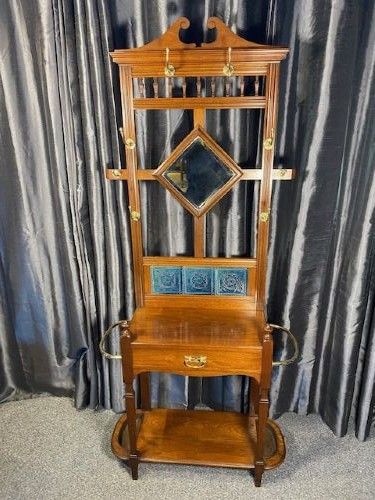
- A tall hallway furnishing incorporating coat hooks, umbrella wells, and an integrated mirror. These pieces greeted visitors at the entrance of a home.
- Mirror-back sideboard
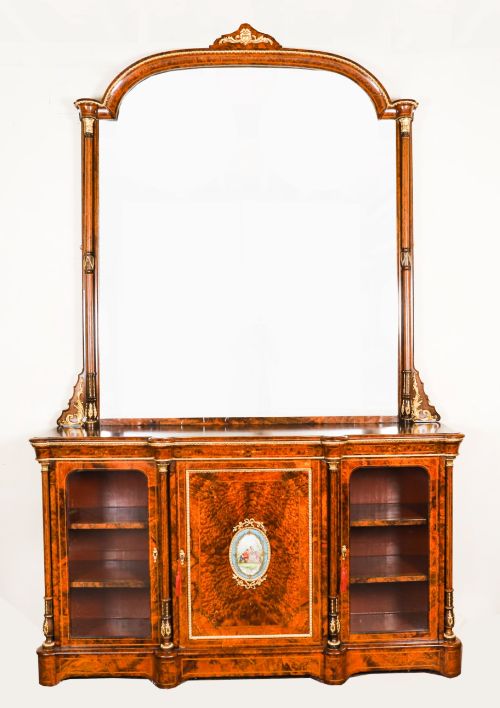
- A large dining room or reception cabinet featuring a raised wooden superstructure fitted with a large mirror plate. The glass reflected light and displayed decorative objects.
- Whatnot
- A piece of open shelving supported by slender vertical columns, occasionally incorporating a small mirror. It was used for displaying ornaments and books in principal rooms.
- Aesthetic Movement
- A late nineteenth-century design style emphasising artistic visual qualities over strict historical revivalism. It frequently utilised bamboo, ebonised wood, and Japanese-inspired motifs.
Victorian Furniture Mirror: Frequently Asked Questions
What is a mirror-back sideboard?
A mirror-back sideboard is a large dining room storage unit with an attached wooden superstructure holding a mirror plate. These pieces served to brighten rooms by reflecting natural daylight.
They combine cupboards or drawers below with decorative shelves and carved woodwork above, defining late nineteenth-century dining interiors.
How do I identify an Aesthetic Movement piece?
Aesthetic Movement pieces often feature ebonised surfaces, gilt highlights, and materials like bamboo rather than traditional heavy mahogany. Their design prioritises artistic harmony.
They frequently appear as small wall mirrors, hall stands, and cabinets displaying Japanese-inspired motifs and clean structural lines.
Where were hall stands placed?
Hall stands were positioned immediately inside the front entrance of Victorian and Edwardian homes. They provided visitors and residents a convenient place to store wet umbrellas and heavy coats.
The integrated mirror allowed individuals to check their appearance before stepping out through the front door.