


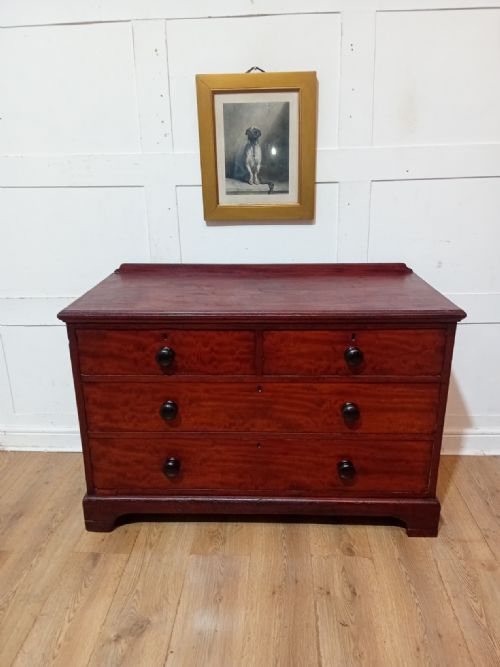


Victorian Furniture C1880
Victorian furniture c1880 comprises substantial timber seating, storage and display pieces designed to anchor period rooms with honest craftsmanship.
Victorian Furniture C1880
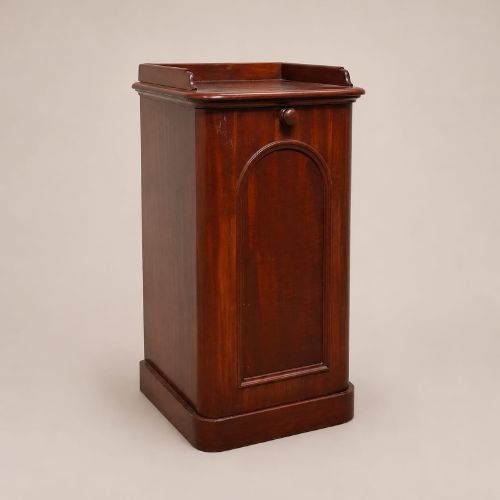
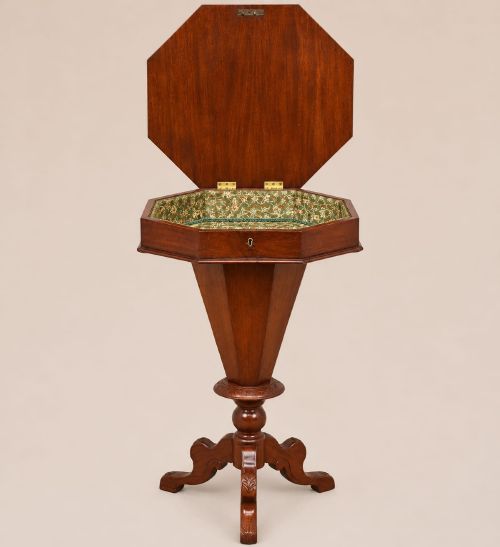
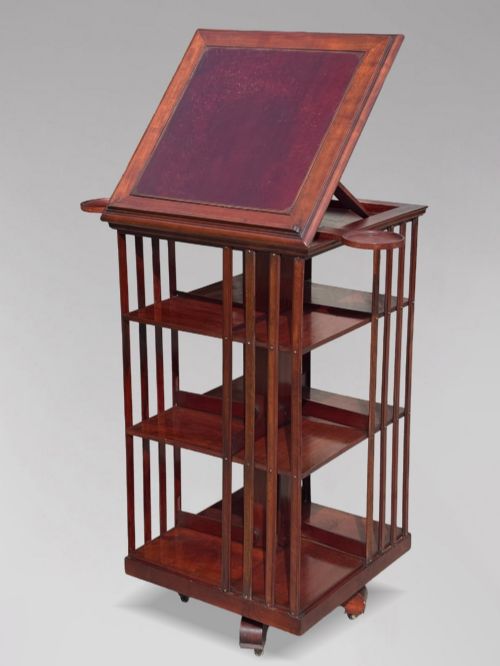
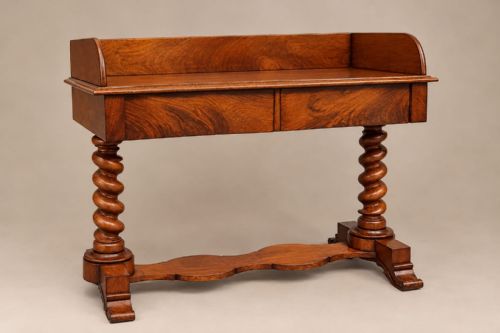
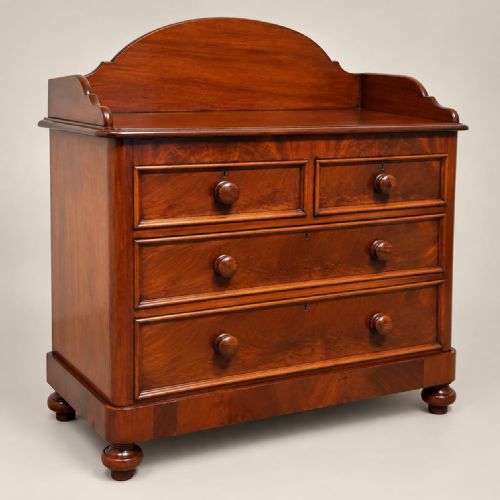
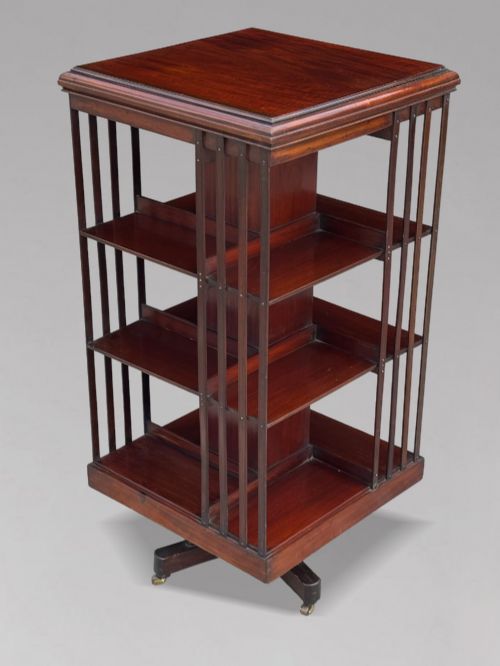
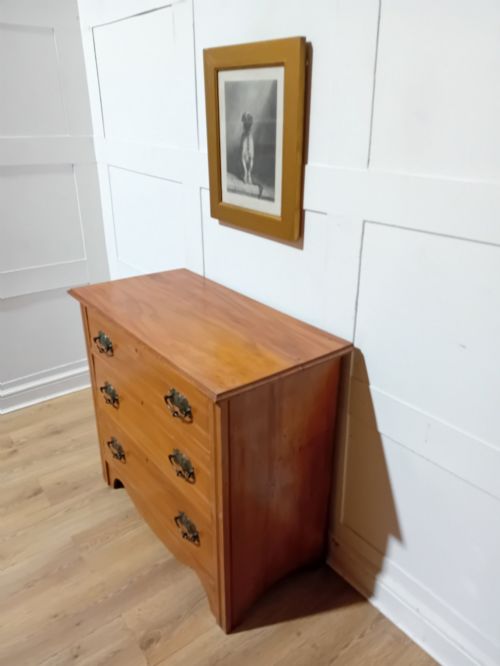
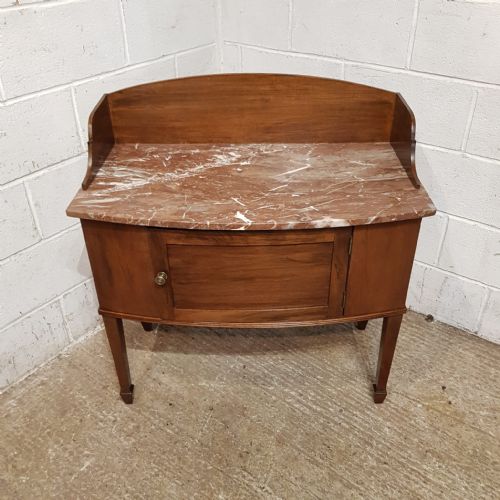
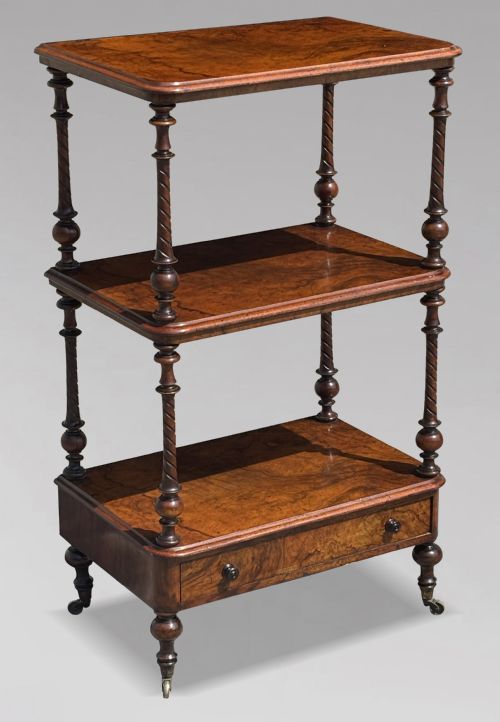
When searching for victorian furniture c1880, buyers encounter a diverse selection of nineteenth-century domestic items spanning utilitarian storage and ornate salon objects. The inventory commonly yields mahogany and walnut chests of drawers, revolving bookcases, washstands, and multi-tiered whatnots.
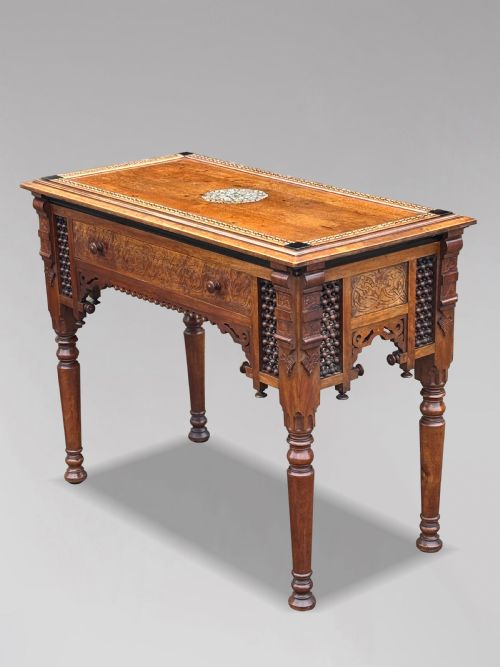
Beyond standard Victorian forms, the selection branches into distinct design movements of the era including Arts and Crafts, Aesthetic Movement, and Anglo-Burmese styles. Pieces range from oak sideboards and satinwood bedroom chests to Moorish inlaid tables and ebonised display cabinets.
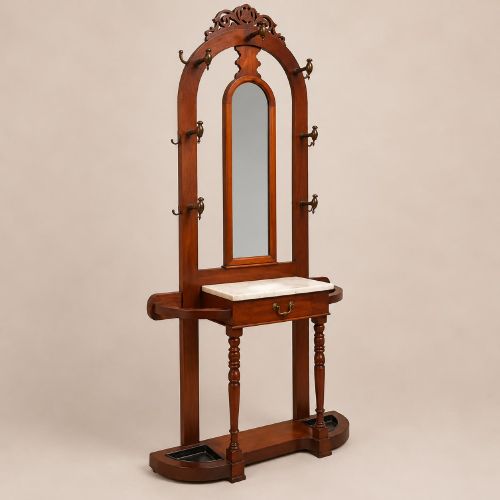
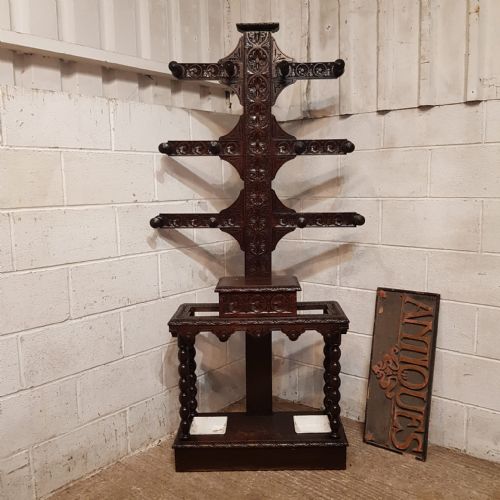
Domestic utility dictates many of the forms, with hall stands, wardrobe units, and dressing tables appearing alongside occasional side tables and folding campaign chairs. These items reflect the specific domestic requirements of late nineteenth-century households.
How they were made
Cabinetmakers utilised dense hardwoods such as mahogany, walnut, and oak for structural stability, frequently employing satinwood and burr veneers for visual contrast. Secondary structural supports incorporated beech, ash, and elm, particularly in seating frameworks.
Surface ornamentation relied on brass fittings, leather upholstery, glass panels, and intricate marquetry or Moorish inlay work. Metal components such as solid brass coal buckets added durable utility to decorative household items.
Victorian Furniture C1880 Retail Price Guide 2026
Typical asking prices for victorian furniture c1880 among the pieces listed under this phrase on Sellingantiques today, from the lower quarter to the upper quarter. They describe what is for sale here now, not the wider market.
Listings feature mahogany, walnut, oak, satinwood, and olive wood alongside brass, glass, leather, and cast iron.
What varies in quality
The degree of hand-carved detail and the selection of timber figures determine the standing of an individual piece within its type. Dense burr walnut veneers, complex inlaid patterns, and substantial solid mahogany construction distinguish higher-grade items from utilitarian equivalents.
Cabinetmaking execution, evident in the precision of joinery and the integrity of secondary timbers, separates standard production furniture from works produced by notable makers and design houses of the period.
Harris Lebus of Tottenham·Liberty of London·Ford Maddox Brown·Jas James Shoolbred
The Victorian Furniture C1880 Glossary
- Aesthetic Movement
- A late nineteenth-century design style that emphasised visual beauty over narrative subject matter, often incorporating ebonised finishes and gold inlay. It drew inspiration from Japanese and Moorish motifs.
- Whatnot
- A set of open shelves supported by pillars or slender columns, designed for displaying ornaments and small objects. These pieces typically feature three or more tiers.
- Washstand
- A domestic bedside or bedroom item designed to hold a wash basin and pitcher, frequently finished with a marble top to protect the wood from water splashes.
- Marquetry
- The art and craft of applying decorative pieces of veneer to a structure to form ornamental patterns and pictures. Makers utilised various exotic and native woods for tonal contrast.
- Ebonisation
- A chemical or staining process applied to timber to simulate the dark, dense appearance of ebony. This finish was widely favoured in Aesthetic Movement cabinetwork.
Victorian Furniture C1880: Frequently Asked Questions
What defines victorian furniture c1880?
Pieces from this decade combine traditional nineteenth-century utilitarian forms with emerging decorative movements like the Aesthetic style and Arts and Crafts principles. They rely heavily on solid mahogany, walnut, and oak construction.
Items from this period frequently feature specialised functions, such as revolving bookcases, multi-tiered whatnots, and marble-topped washstands, built to serve specific Victorian domestic routines.
How do I identify aesthetic movement pieces?
Aesthetic pieces from around eighteen eighty typically display ebonised wooden surfaces paired with gold inlay or Moorish geometric patterns. They prioritise artistic visual composition over heavy historical revivalism.
Look for clean structural lines combined with exotic decorative influences, contrasting sharply with standard dark mahogany Victorian dressers.
Where were these pieces used?
Furniture from this era was tailored to specific rooms within the Victorian home, from hallway stands for outer garments to bedroom wardrobes and dressing chests. Smaller occasional tables and étagères furnished formal reception rooms.
Utility items like brass coal buckets and campaign chairs served practical domestic roles near hearths and within private family quarters.
What woods were used?
Cabinetmakers relied predominantly on dense hardwoods including mahogany, walnut, and oak for the primary carcasses and structural elements. Burr walnut and satinwood provided decorative veneer surfaces.
Secondary woods such as beech, ash, and elm frequently reinforced structural components in seating and internal framing.