





Victorian Fuel Scuttle
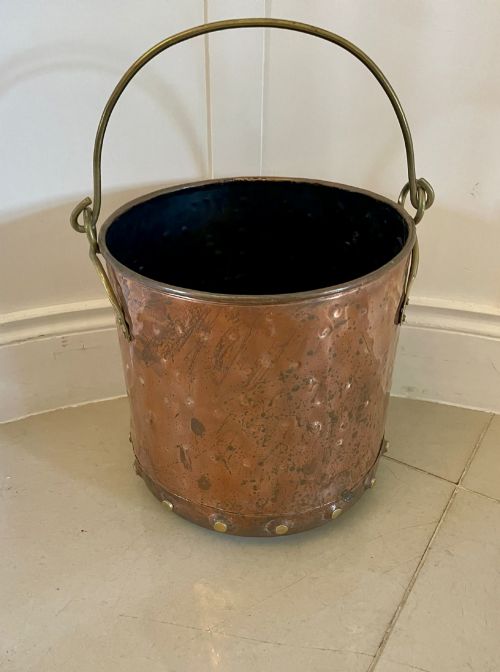
A Victorian fuel scuttle stands beside the hearth as a practical container for coal or logs, combining utility with period craftsmanship.
Victorian Fuel Scuttle
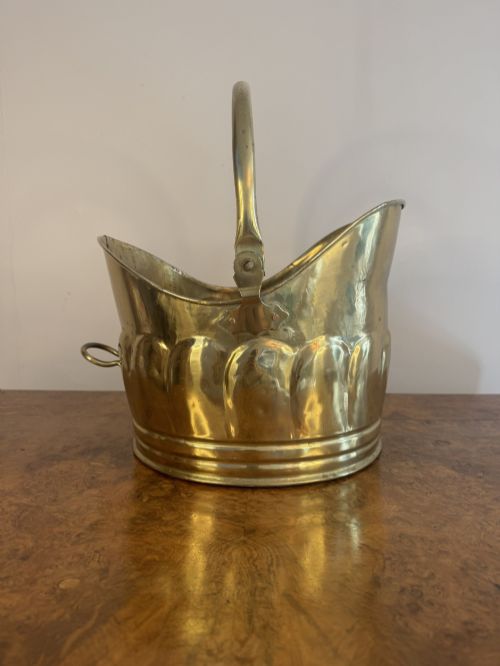
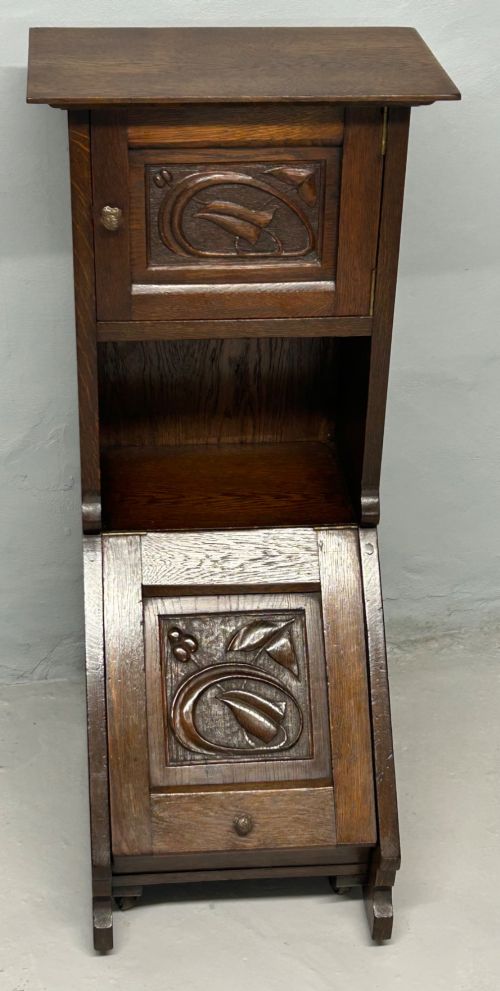
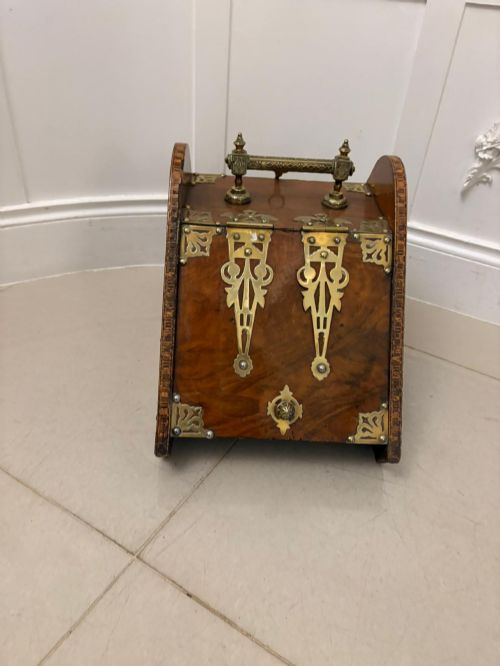
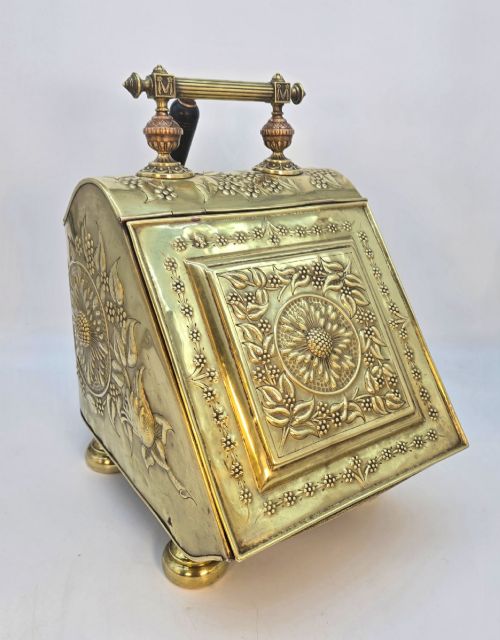
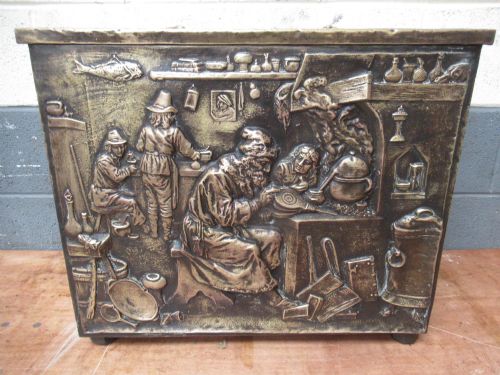
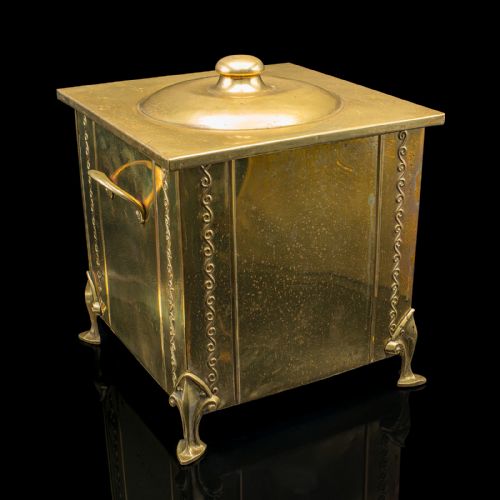
A Victorian fuel scuttle is a fireside accessory designed to store and transport coal, wood, or logs to the hearth. These pieces appear in forms such as coal boxes, purdoniums, buckets, log bins, and helmet scuttles across this page.
The versions most commonly met here span the Victorian, late Victorian, and Edwardian periods, stretching from the mid-nineteenth century to 1900. Origins recorded across the listings include English, Scottish, French, and Belgian workshops.
How they were made
Metals such as brass and copper dominate the construction of these items, often shaped through riveting, embossing, and ormolu mounting. Iron appears alongside copper in heavier structural elements.
Timbers including walnut, mahogany, oak, pine, and ebonised wood form the bodies of the boxes and purdoniums. Woodworkers employed carving, inlaying, and brass-mounting to decorate the exterior surfaces.
Victorian Fuel Scuttle Retail Price Guide 2026
Typical asking prices for victorian fuel scuttle among the pieces listed under this phrase on Sellingantiques today, from the lower quarter to the upper quarter. They describe what is for sale here now, not the wider market.
Some coal bins double as elegant interior furniture, hiding their dirty fuel behind clever sloping wooden panels and polished brass handles.
What varies in quality
Quality depends upon the depth and precision of hand-carving on timber models, alongside the weight and gauge of sheet brass or copper used in metal buckets. Items bearing attribution to known makers command distinct attention.
The integration of mounts, hinges, liners, and handles differentiates standard utility boxes from decorative examples. Superior pieces display refined dovetailing, crisp embossing, and harmonious material combinations.
Petrus Ramus·Benham & Froud
The Victorian Fuel Scuttle Glossary
- Purdonium
- A specialised coal box featuring an angled front flap that drops down to release fuel. This cabinet design often includes an internal metal liner for cleanliness.
- Helmet scuttle
- A fireside bucket shaped with a flared rim and a pivoting handle resembling a classic helmet. It is designed for easy tipping of coal onto the fire.
- Ormolu
- Gilt bronze mounted onto furniture or metalwork to provide decorative metallic highlights. This technique adds ornamental detail to the fireside storage containers.
- Ebonised wood
- Timber treated with a dark finish to imitate ebony. This treatment creates a contrasting dark surface alongside polished brass mounts.
Victorian Fuel Scuttle: Frequently Asked Questions
What is a purdonium?
A purdonium is a fireside cabinet specifically designed to hold coal, typically featuring a sloping drop-front door and an internal metal shovel or liner.
These pieces were made to keep domestic fuel concealed within the living room while remaining easily accessible for tending the hearth.
How do I clean brass and copper?
Metal fuel containers benefit from gentle dusting and occasional cleaning with appropriate metal polishes to maintain their original surface lustre.
Avoid harsh abrasives that can wear away thin patination or damage embossed decorative motifs built into the metal.
Can I still burn logs in them?
Many of these containers function effectively for holding firewood, kindling, or coal beside a modern or traditional fireplace.
Checking for a sound internal metal liner ensures that wood debris and coal dust remain contained during daily use.
How do I tell Victorian from Edwardian?
Victorian pieces often display heavier carved woodwork, ornate Rococo Revival details, or robust riveted copper construction from the nineteenth century.
Edwardian examples frequently incorporate lighter inlaid mahogany and simpler geometric Arts and Crafts lines dating around 1900.