




Victorian Fruit Basket
A victorian fruit basket brings nineteenth-century dining tables to life with pierced metalwork, majolica earthenware, and painted still lifes.
Victorian Fruit Basket
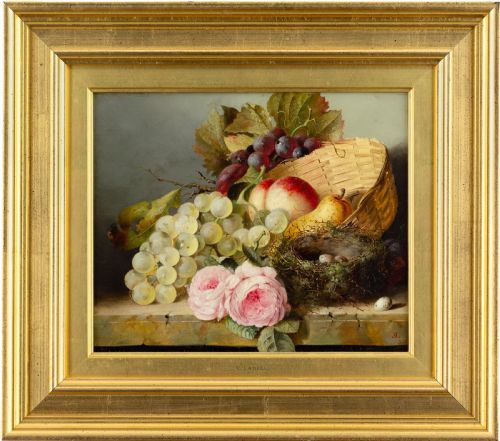
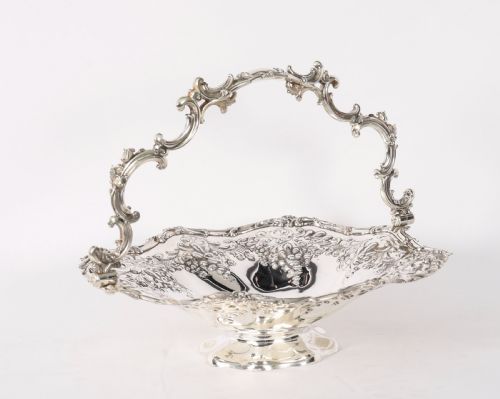
A victorian fruit basket encompasses heavy silver-plated metalware, solid sterling silver oval bowls, and colourful majolica ceramics designed for dining rooms. These functional serveware pieces appear alongside fine art paintings depicting fruit and wicker containers from the nineteenth century.
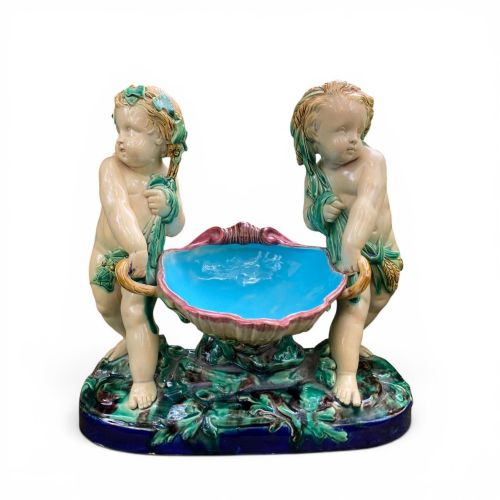
Makers utilised pierced designs, swing handles, and classical motifs across silver plate and porcelain. The selection ranges from large centrepieces to footed bowls and sweetmeat figures made during the Victorian era.
Materials and construction
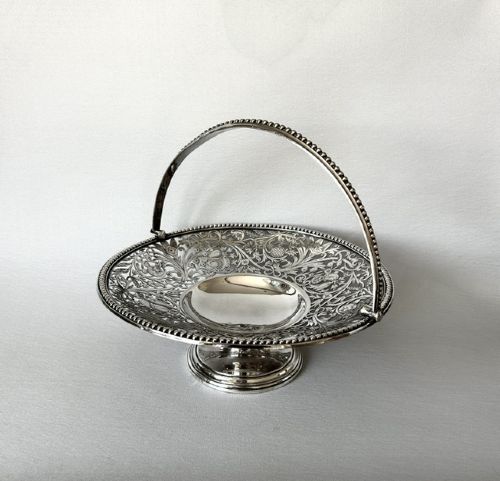
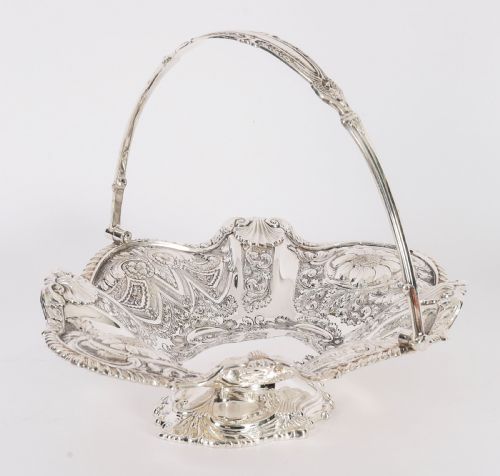
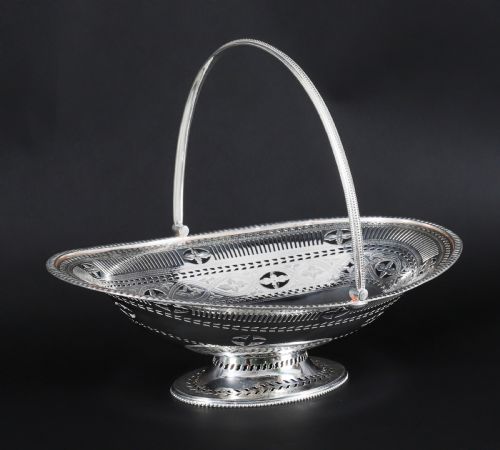
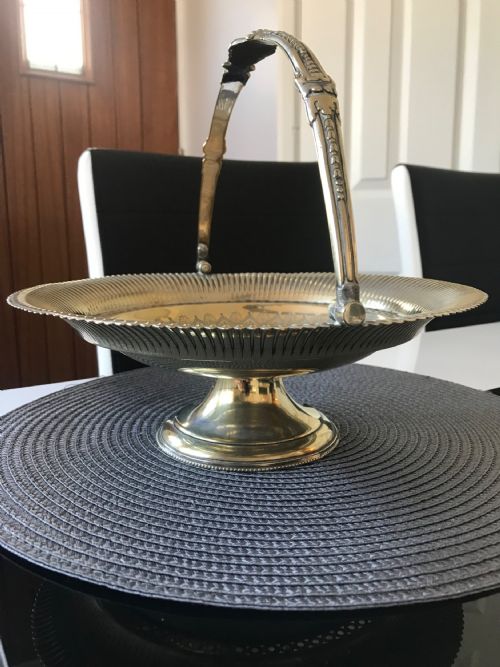
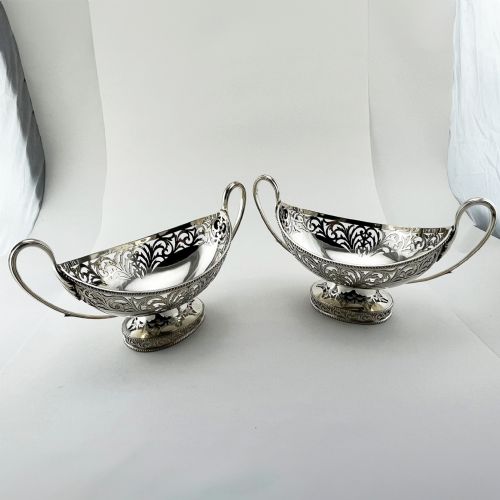
Silver plating and solid sterling silver form the backbone of metal examples, often shaped through piercing and detailed embossing. Smiths created loop and swing handles to attach securely to deep bowls meant for heavy displays.
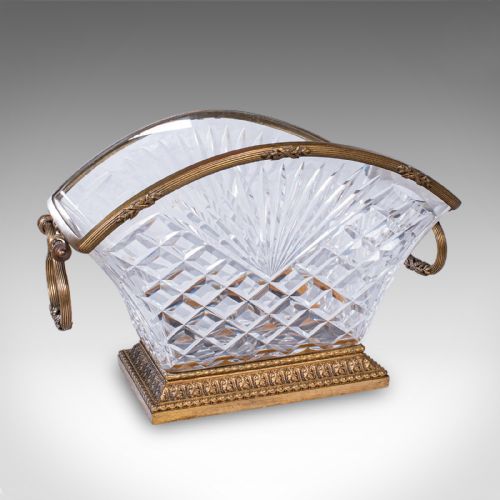
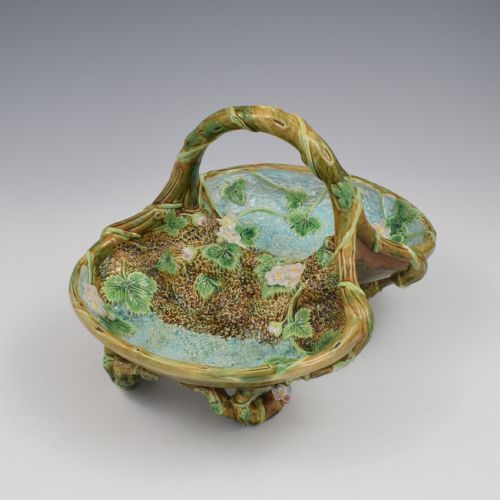
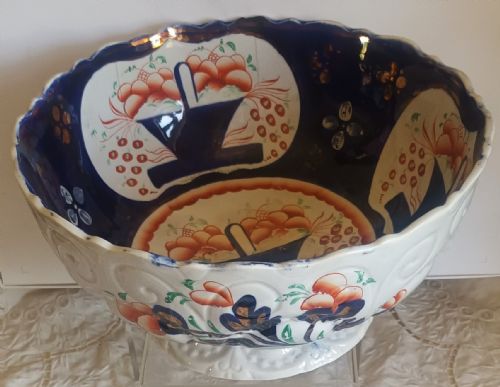
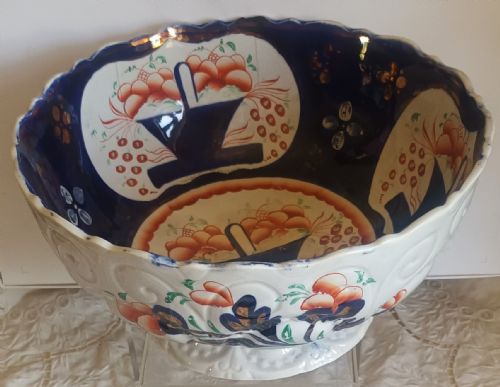
Pottery items rely on earthenware and porcelain, shaped into majolica glazes or ironstone bodies with hand-painted details. Glass and ormolu also appear, combining moulded vessels with gilt bronze mounts.
Listings combine silver plate, porcelain, and oil paintings, showing how fruit was displayed and recorded in the nineteenth century.
Assessing quality and execution
The weight of the metal and the crispness of the pierced or embossed detailing distinguish finer examples from standard production. Pierced silver plate and solid silver demonstrate superior craftsmanship when the cut-outs remain sharp and symmetrical.
Ceramic examples depend on the depth of the glaze and the precision of the hand-painted brushwork. Superior majolica and porcelain pieces maintain vibrant colour retention and intricate moulding across leaves, cherubs, and flowers.
George W. Scott & Sons Ltd·Walker & Hall·Thomas Bradbury·William Comyns·James Deakin & Sons·Martin Hall·James Dixon·George Bowen & Sons
The Victorian Fruit Basket Glossary
- Pierced metalwork
- Metal pierced with decorative openwork patterns. Silversmiths cut intricate geometric or floral designs through silver plate and sterling silver walls.
- Majolica
- A colourful earthenware pottery type with opaque lead glazes. Victorian potters utilised this technique for naturalistic fruit and leaf motifs.
- Silver plate
- A layer of silver fused to a base metal core. Manufacturers applied this method to create affordable dining vessels.
- Swing handle
- A movable arched handle attached to the rim of a bowl. These allowed users to lift heavy serving dishes easily.
- Ironstone
- A durable type of heavy ceramic pottery. Factories used it to produce sturdy plates and chestnut baskets.
Victorian Fruit Basket: Frequently Asked Questions
What were victorian fruit baskets used for?
These vessels served fresh fruit, bread, or sweetmeats during formal dining occasions. Households placed them centrally on tables as decorative focal points.
Larger versions accommodated heavy displays of apples and grapes, while smaller footed bowls held delicate confectionery.
How do you clean silver plated baskets?
Cleaning requires a soft cloth and mild silver polish formulated for plated metal surfaces. Harsh scrubbing removes the thin silver layer.
Keeping them dry after gentle washing prevents tarnishing and protects the underlying base metal.
How can you tell a piece is from the nineteenth century?
Nineteenth-century items often bear specific maker marks, registered design stamps, or town hallmarks. Stylistic clues like neoclassical motifs and neo-rococo scrolls also point to this era.
Materials such as heavy opaline glass and majolica further anchor pieces to the Victorian period.