

Victorian Framing
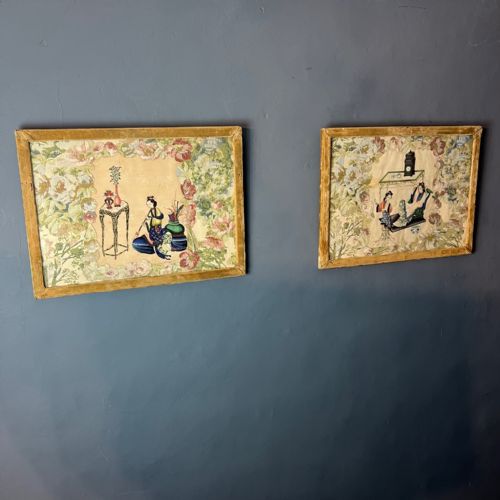
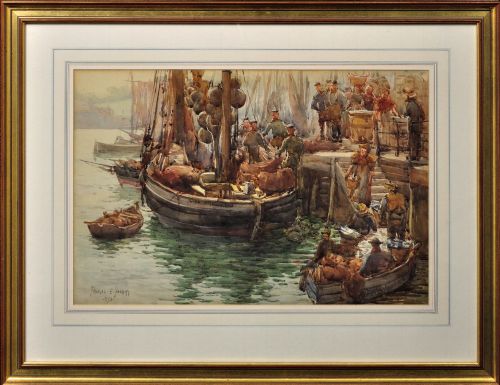
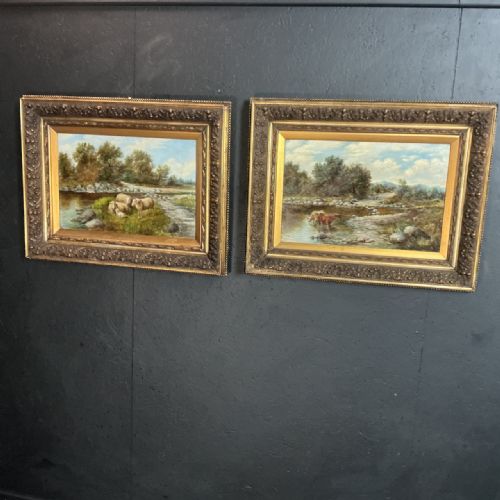
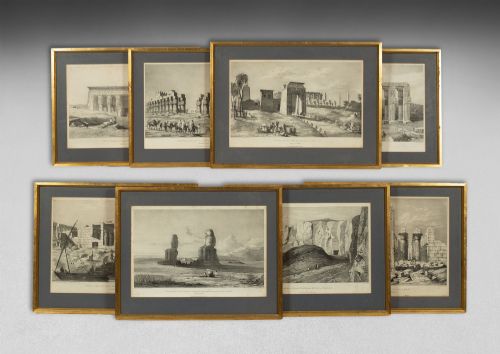
Victorian framing encompasses the period borders, surrounds and enclosures that house nineteenth-century oil paintings, watercolours, lithographs, mirrors and needlework panels.
Victorian Framing
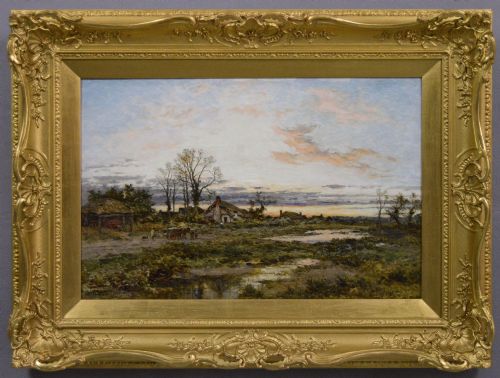
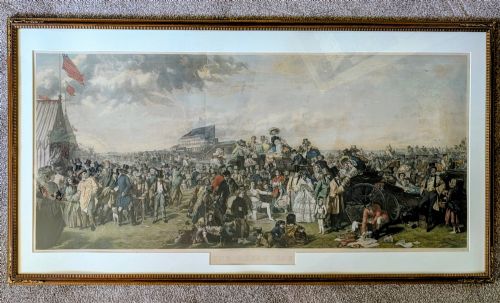
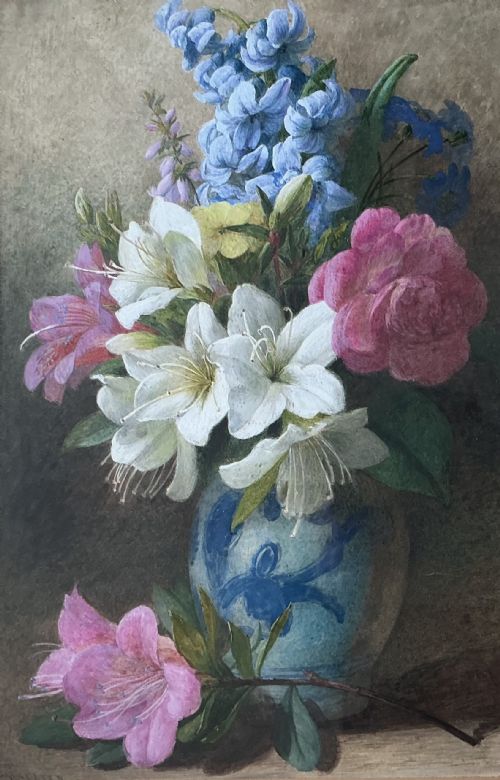
Victorian framing brings together original surrounds and enclosures from the nineteenth century, housing everything from miniature oil paintings and watercolours to large overmantle mirrors and needlework panels. When searching for victorian framing, a buyer encounters a diverse mix of wall mirrors, pier glasses, lithographs and oil paintings housed in period surrounds.
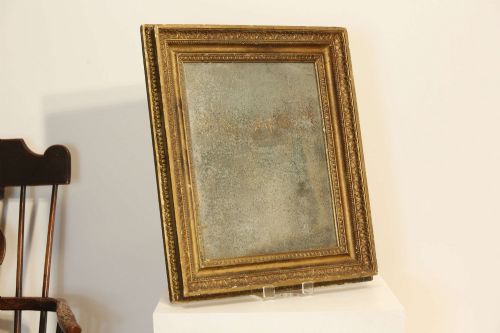
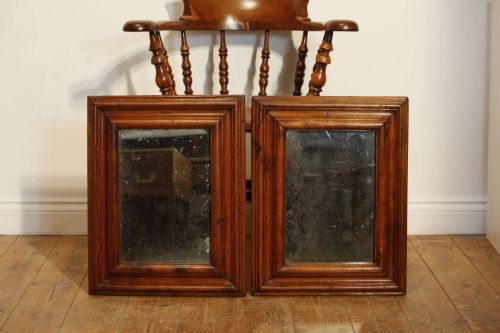
The objects on this page predominantly date from the nineteenth century, spanning decades such as the eighteen-seventies, eighties and nineties, alongside Regency and Edwardian pieces. Forms range from heavy giltwood and gesso overmantle mirrors to carved fruitwood frames and original picture mounts.
Beyond mirrors and pictures, the selection includes fitted enclosures like bed canopies and wall domes, demonstrating how framing extended to textiles and taxidermy. These pieces reflect the varied aesthetic choices of nineteenth-century interiors, incorporating styles from English Country and Victorian Marine to Syrian Revival and Art Nouveau.
Materials and Construction Techniques
Makers utilised traditional timber foundations, employing woods such as pine, fruitwood, walnut and ebonised timber to build structural carcases. Carved wood and moulded gesso formed the relief ornamentation on decorative mirror frames and overmantle surrounds.
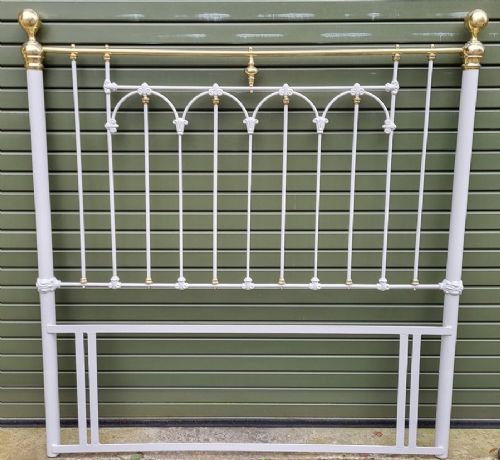
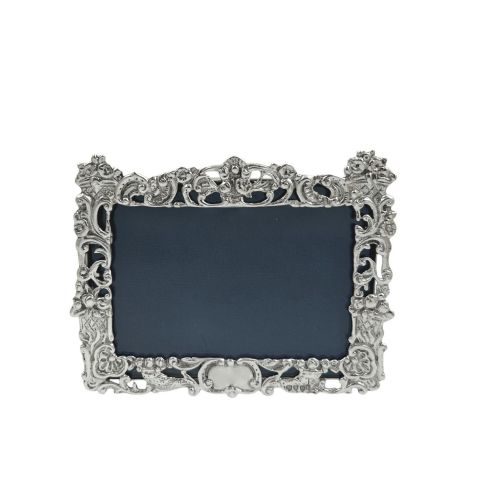
Surface decoration relied heavily on manual application of giltwood, silver leaf and gilding to create reflective, lustrous finishes. Brass, iron and cast iron also appeared frequently, particularly in structural framing for bedsteads and specialised metal surrounds.
Victorian Framing Retail Price Guide 2026
Typical asking prices for victorian framing among the pieces listed under this phrase on Sellingantiques today, from the lower quarter to the upper quarter. They describe what is for sale here now, not the wider market.
Even sporting dog oil paintings and taxidermy budgerigars received the nineteenth-century framing treatment.
Quality and Craftsmanship
The standard of carving and surface preparation dictates the division between ordinary production and superior craftsmanship. Hand-carved wooden details and crisp, deep gesso relief demonstrate an artisan's control, whereas shallow, mass-produced mouldings lack definition.
Originality of the finish remains paramount, as untouched nineteenth-century gilding and genuine silvered surfaces hold greater integrity than later repainting. The quality of the underlying glass, whether bevelled or flat, and the retention of original backing boards further elevate an item's standing.
Hoskins & Sewell·James Shoolbred·Heals·RW Winfield·Lee & Wigfull·P. Spicer·H. Alden & Co.
The Victorian Framing Glossary
- Overmantle Mirror
- A large mirror designed to hang directly above a mantelpiece or fireplace. These pieces often feature wide giltwood frames and heavy gesso ornamentation.
- Gesso
- A plaster-like mixture applied to wood surfaces and carved to create decorative relief details before gilding. It forms the intricate raised patterns seen on nineteenth-century frames.
- Giltwood
- Timber that has been coated with a thin layer of gold leaf or gold paint. It provides the characteristic bright, reflective surface seen on many period frames and mirrors.
- Pier Glass
- A tall mirror designed to fit on the wall space or pier between two windows. They frequently incorporate original bevelled glass and elaborate nineteenth-century framing.
- Lithograph
- A print made from a design drawn on limestone or metal plate. Nineteenth-century examples often survive within their original maker-stamped frames.
Victorian Framing: Frequently Asked Questions
What periods do these frames cover?
The items span the nineteenth century, including specific decades from the eighteen-sixties through to nineteen-hundred, alongside Regency and Edwardian examples. This broad chronological spread captures evolving taste in interior decoration.
Buyers will find that stylistic influences range from standard Victorian and English Country to Syrian Revival and Art Nouveau.
How do I identify original nineteenth-century mirrors?
Original pieces often show historical wear to the silvering behind the glass and retain period construction methods on the reverse. Examining the timber carcase and the composition of the gesso provides further clues to age.
Makers' stamps or labels on the frame or backing boards can also confirm the period and origin of the piece.
Are these frames suitable for modern interiors?
Period surrounds and mirrors adapt readily to contemporary rooms, adding a focal point above fireplaces, sideboards or hallways. Their diverse materials, from giltwood to ebonised timber, complement both traditional and minimalist settings.
Scale is the main consideration, as overmantle mirrors and large frames require substantial wall space to hang correctly.
What materials are common in these listings?
Wood forms the primary structural material, with pine, walnut and fruitwood appearing alongside applied gesso and gilt finishes. Brass and cast iron also feature prominently in metal framing elements.
Glass, canvas and paper complete the composition of the mirrors and paintings housed within these surrounds.