


Victorian Framed Portrait Painting
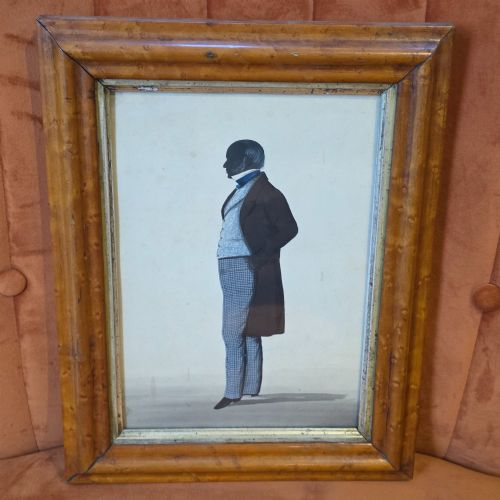
When you search for a victorian framed portrait painting, you are looking at nineteenth-century likenesses rendered in oils or watercolours and housed in their original surrounds.
Victorian Framed Portrait Painting
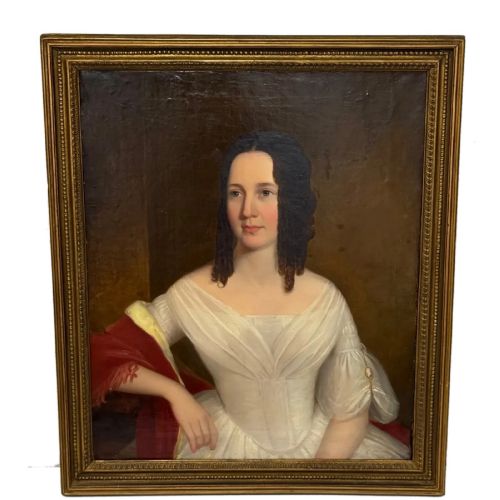
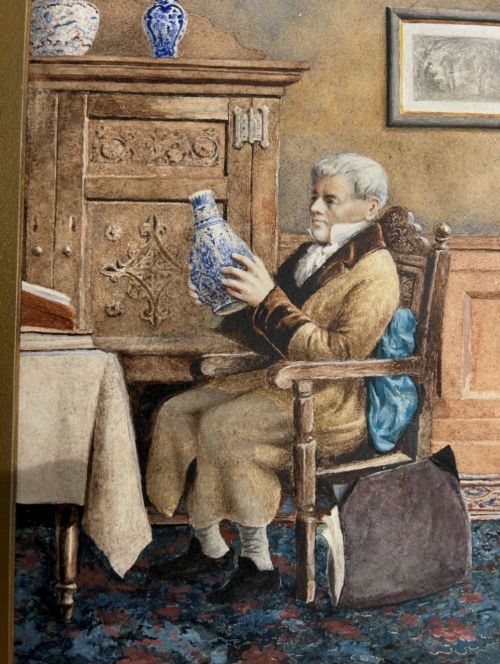
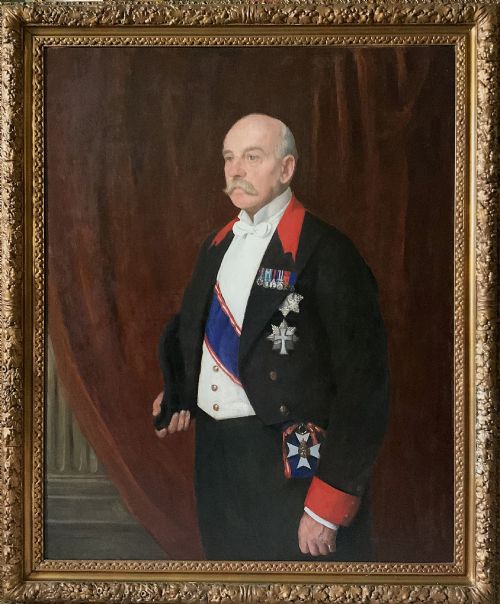
A victorian framed portrait painting captures figures from the nineteenth century, ranging from academic oils on canvas to delicate portrait miniatures and character studies. The most frequent examples on this page date from the eighteen-fifties through to the turn of the twentieth century, reflecting the era's widespread commissioning of personal likenesses.
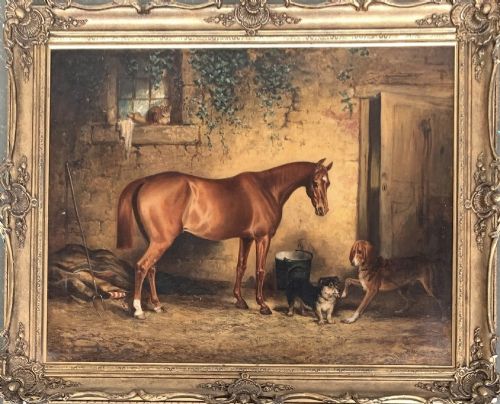
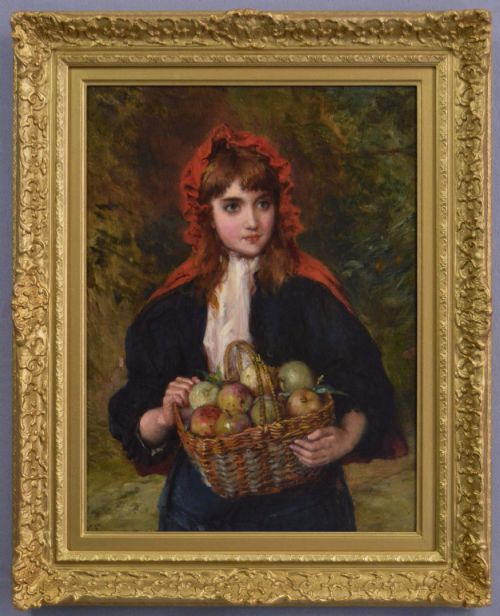
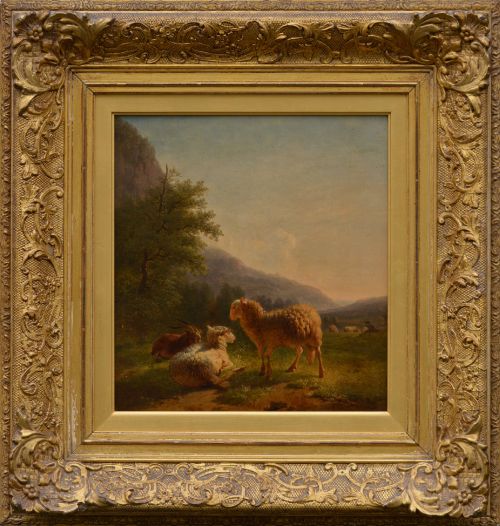
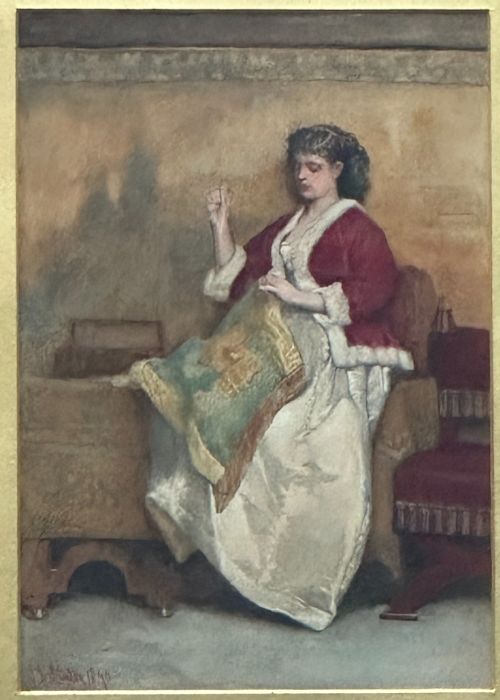
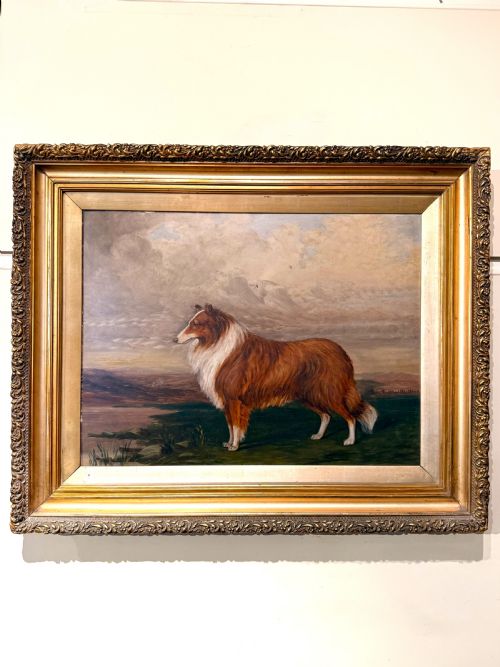
Subjects include landed gentlemen, society ladies, children, and esteemed animals such as prize shorthorn bulls and racehorses. Works span British and European schools, showing subjects in formal poses, quiet domestic moments, or historical costume.
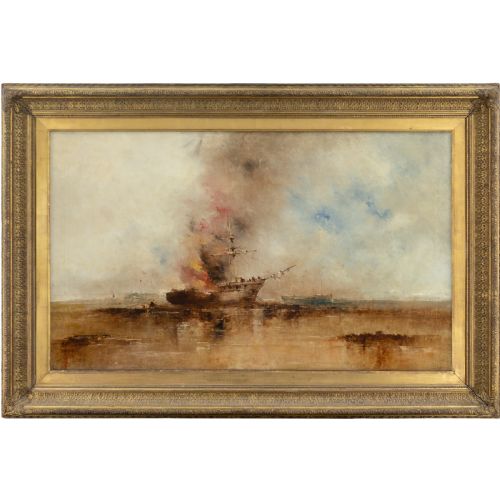
The enclosing surrounds are integral to the pieces, consisting predominantly of timber, gesso, and gold leaf frames that complete the period aesthetic. These borders preserve the visual integrity of the artwork and indicate the original domestic context in which the painting was displayed.
How They Were Made
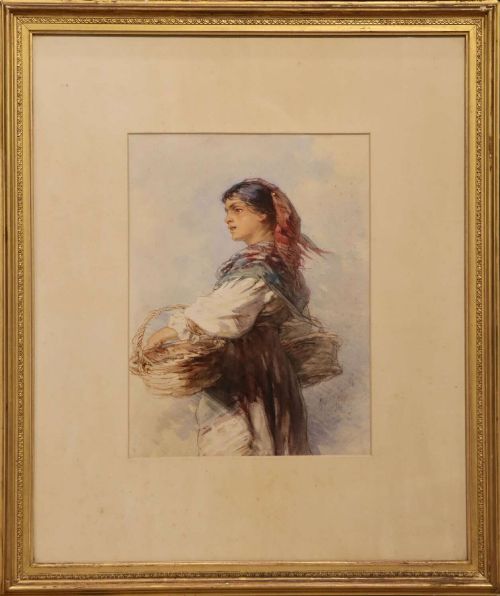
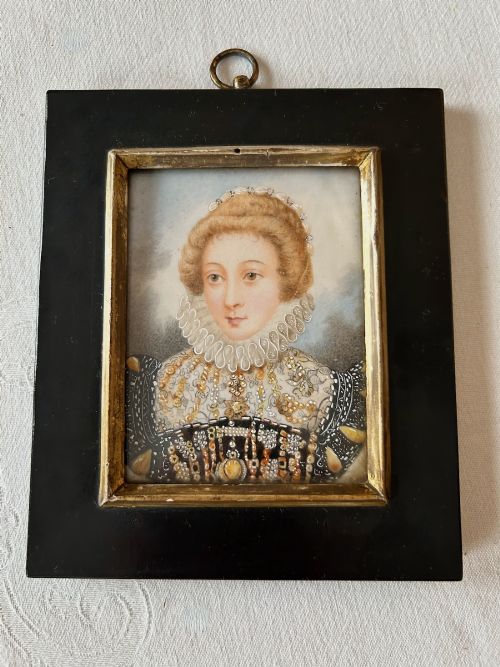
Makers applied oil paint onto stretched canvas, prepared boards, or paper surfaces using traditional bristle brushes. Many works rely on layered pigments to build depth in skin tones and garments, while watercolours and gouache appear in smaller-scale portrait miniatures.
The accompanying frames combine carved or moulded wood embellished with gesso layers. Giltwood and gold leaf finishes were applied by hand to the decorative mouldings, creating a reflective border that complemented the dark, rich palettes typical of nineteenth-century portraiture.
Listings feature works spanning the Regency period through to the Edwardian era, rendered primarily in oil on canvas and watercolour.
What Varies in Quality
The standard of a victorian framed portrait painting rests upon the anatomical precision of the subject and the handling of light across the face and hands. Master practitioners achieved a lifelike presence through subtle tonal shifts, whereas simpler works remain stiff or formulaic.
The integrity of the enclosing frame contributes significantly to the overall piece. Hand-carved gesso ornamentation and original gilding elevate an object, whereas later replacements or heavy restoration alter the historical harmony between artwork and border.
William Oliver·Henri Fradelle·Sir James Dromgole Linton·Valentine T Garland·John Maler Collier·Henry Stacy Marks·William McAlpine·Sir Joshua Reynolds·Sir Thomas Lawrence·Vittorio Reggianini·Leon Sprinck·Samuel De Wilde·Gian Paolo Pace·Albert Clark·Martin Theodore Ward·Howard Helmick
The Victorian Framed Portrait Painting Glossary
- Gesso
- A plaster-like mixture applied to wooden frame bases to provide a smooth surface for gilding. It is often moulded into decorative relief patterns.
- Giltwood
- Timber carved and coated with gold leaf or metallic paint. This material defines the luxurious surrounds typical of nineteenth-century fine art.
- Oil on Canvas
- Pigments bound in a drying oil applied to a woven fabric support. This technique allowed artists to achieve rich colours and smooth blending.
- Portrait Miniature
- A small, highly detailed painting designed for intimate viewing. These works frequently utilise watercolour or gouache on specialised supports.
- Academic
- Art produced in accordance with the strict standards of nineteenth-century European art academies. Such works emphasise formal composition and anatomical accuracy.
Victorian Framed Portrait Painting: Frequently Asked Questions
How do I hang a heavy framed oil painting safely?
Heavy nineteenth-century canvases require secure wall anchors fixed directly into masonry or wooden studs. Utilising strong picture wire attached to robust brass D-rings ensures the weight distributes evenly across the frame.
Position the work at eye level to replicate historical domestic placement. Avoid areas exposed to direct sunlight or fluctuating humidity to protect both the canvas and the giltwood frame.
Are these portraits of actual historical figures?
Many pieces depict identified individuals such as architects, military officers, and nobility recorded by name in the title. Others represent anonymous sitters commissioned by families during the Victorian era.
Some works also portray characters from literature or historical events, painted in elaborate costume. Researching the artist or inscriptions on the reverse often reveals the identity of the sitter.
What is the difference between an oil and a watercolour portrait?
Oil paintings utilise pigment suspended in drying oil on canvas or board, allowing for deep, luminous tones and rich texture. Watercolours employ water-soluble pigments on paper, creating a lighter, more translucent finish often found in miniatures.
Watercolour works require protective glass glazing within their frames to prevent moisture damage. Oil paintings remain unglazed, allowing the textured surface of the canvas to be visible.