



Victorian Folk Art Sign
These pieces of victorian folk art sign bridge trade and utility with vernacular expression, offering direct contact with commercial history.
Victorian Folk Art Sign
A victorian folk art sign encompasses handmade commercial trade figures, advertising panels, and shop boards from the nineteenth century and Edwardian period. Buyers encounter painted timber boards, carved wooden sculptures, and metal advertising signs originating from local trades.
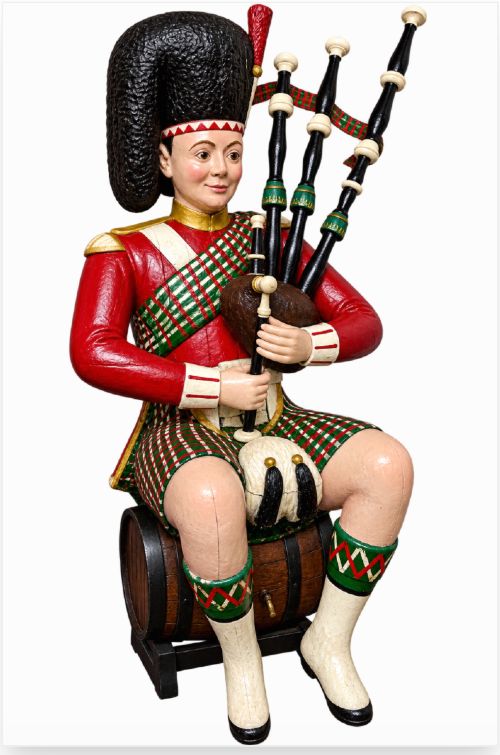
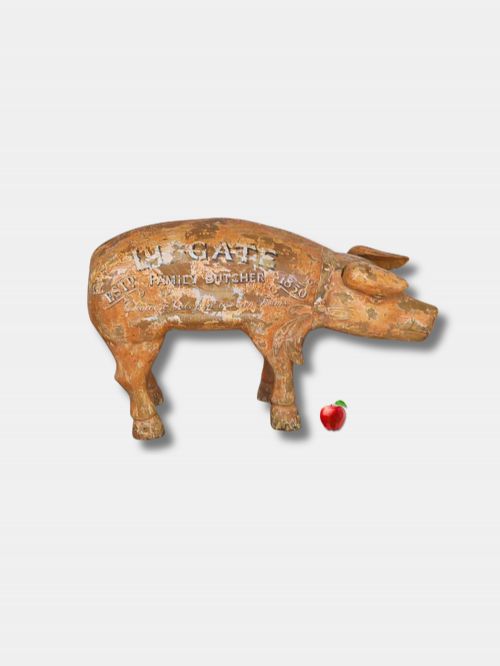
The objects on this page range from large painted display signs and fairground panels to commercial trade figures like a Highland bagpiper and a tobacco figure. Many pieces demonstrate direct utility, serving butchers, shops, and tradesmen before entering collections.
Makers utilised timber such as oak and pine alongside metal, applying polychrome paint and gesso to finish surfaces. These vernacular works reflect the commercial demands of the Victorian era and the early twentieth century.
Materials and construction
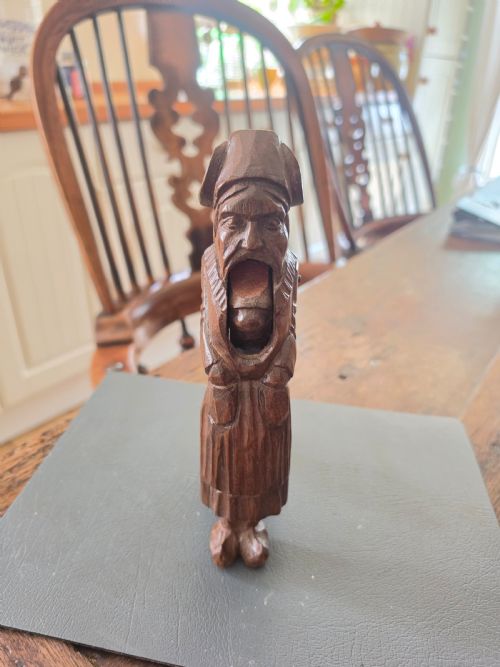
Makers carved woods like oak and pine into dimensional trade figures, giant shoes, and animal sculptures, occasionally applying gesso as a ground for paint. Painted pine display signs and shop boards received heavy applications of polychrome paint to withstand outdoor commercial environments.
Victorian Folk Art Sign Retail Price Guide 2026
Typical asking prices for victorian folk art sign among the pieces listed under this phrase on Sellingantiques today, from the lower quarter to the upper quarter. They describe what is for sale here now, not the wider market.
A giant shoe and a pair of Black Forest bull and cow figures keep nineteenth-century shop floors delightfully eccentric.
Assessing quality in folk art signs
Quality rests upon the directness of the carving, the preservation of original polychrome paint surfaces, and the clarity of lettering on trade boards. Pieces retaining their early or original paint layer demonstrate greater authenticity than heavily restored examples.
Subtlety of form distinguishes better commercial trade figures and decorative sculptures from plain utility items. Scale also dictates interest, as oversized display signs and large tradesman figures command greater presence.
The Victorian Folk Art Sign Glossary
- Polychrome paint
- Decoration executed in multiple colours across wood or metal surfaces. This finish defines the visual character of many trade signs and figures.
- Trade sign
- A board or sculptural object displayed outside a shop or business to advertise wares. These items combine commercial utility with vernacular craft.
- Gesso
- A plaster-like mixture applied to wood surfaces to prepare them for painting and gilding. Artisans utilised this compound beneath paint layers on carved objects.
- Fairground panel
- A decorative painted timber section removed from amusement rides. These panels display vibrant vernacular art styles.
- Trade figure
- A carved human or animal representation used to advertise a specific profession or commodity. Examples include figures of bagpipers and tobacconists.
Victorian Folk Art Sign: Frequently Asked Questions
What are victorian folk art signs?
These pieces are handmade commercial signs, trade figures, and fairground panels produced during the nineteenth and early twentieth centuries.
They served functional roles for shops, butchers, and tradesmen before becoming sought-after decorative objects.
How were these signs used?
Tradesmen mounted these boards and figures outside shops and fairgrounds to advertise specific goods and services to the public.
Large painted signs and carved figures attracted passing trade through bold lettering and clear figurative representation.
What materials appear most often?
Makers constructed these pieces primarily from carved wood, oak, and pine, alongside painted metal panels.
Surfaces typically feature original polychrome paint finishes and gesso layers applied by hand.
How do I date a sign?
Dating relies upon material composition, typography styles, and the construction methods used in the timber or metal.
Evidence from nineteenth-century and Edwardian examples points to specific vernacular traditions and painting techniques.