





Victorian Folk Art Model
These Victorian folk art model pieces are handcrafted vernacular expressions of maritime, domestic and architectural subjects that bring authentic period character to a room.
Victorian Folk Art Model
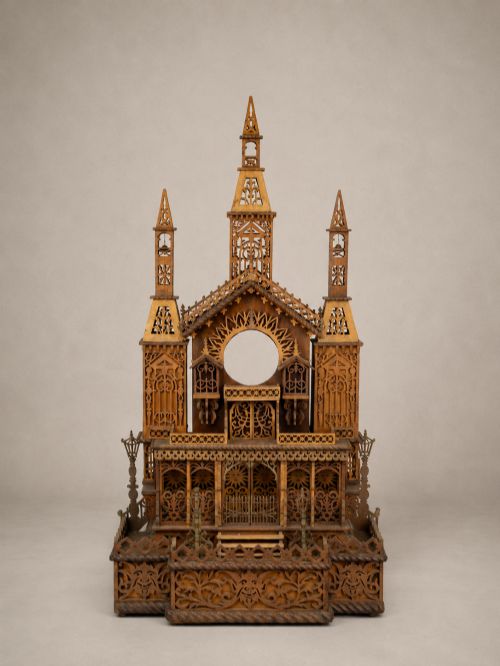
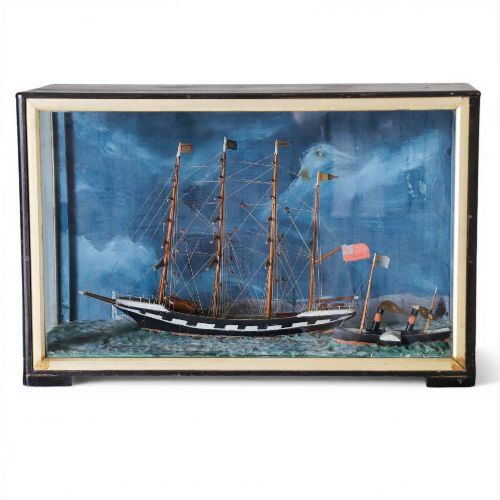
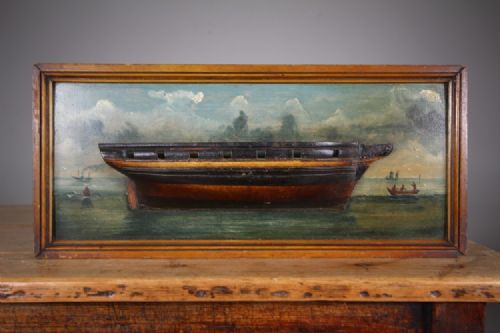
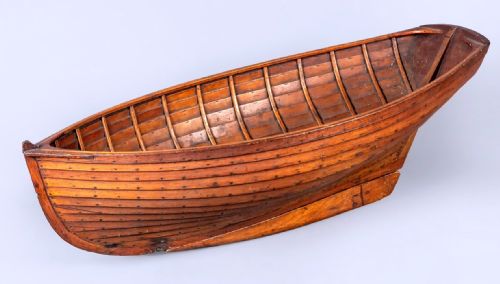
A Victorian folk art model typically takes the form of a maritime diorama, architectural model or carved decorative object. Maritime examples featuring sailing ships, barques and clippers within cased shadow boxes appear most frequently.
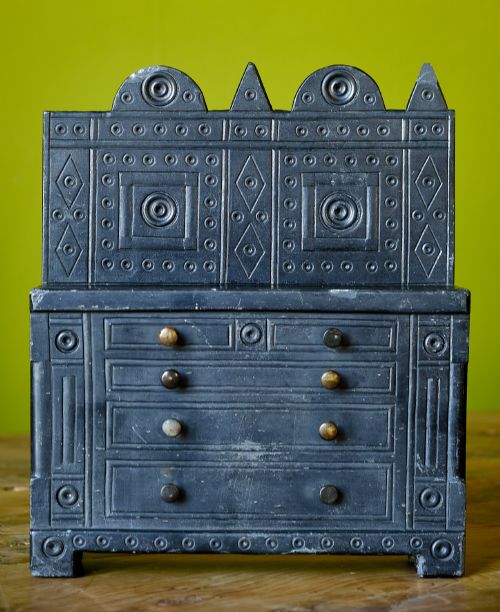
Makers also turned their hands to domestic and industrial subjects, producing miniature Welsh carved slate chests of drawers, fire surrounds, grocery store models and copper smelting furnaces. These pieces reflect the everyday observations and trades of nineteenth-century makers.
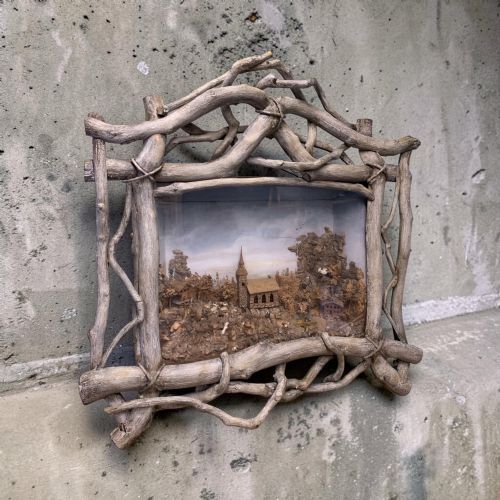
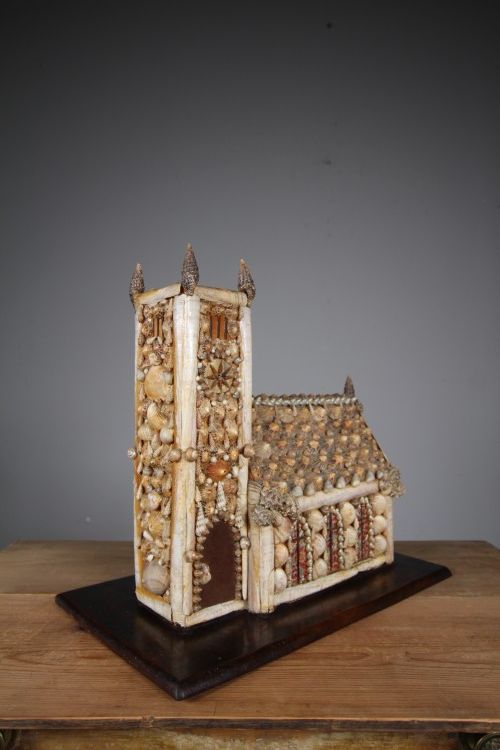
The selection ranges from architectural fretwork clock cases and rocking horses to shell work churches and straw work ship dioramas. Each object demonstrates a direct, unpretentious engagement with materials by makers outside the academic traditions.
Judging quality and presence
Quality rests upon the strength of the maker's observation and the confidence of the hand in shaping difficult materials like slate, cork or wood. The most compelling examples combine structural ambition with inventive use of everyday substances.
The visual impact depends on the preservation of original painted surfaces, maritime rigging and delicate shell or straw work details. Pieces that retain their original glazed display cases or shadow boxes generally present a more unified historical survival.
Listings feature wood, glass, paint, plaster, seashells, slate, metal and pine across various architectural and maritime forms.
The Victorian Folk Art Model Glossary
- Diorama
- A three-dimensional scene enclosed within a case, often depicting maritime vessels at sea with painted backgrounds. These shadow boxes protect fragile elements like rigging and cork work.
- Vernacular
- Artefacts made by self-taught or local artisans outside formal academic traditions, focusing on utility and regional character. Such pieces rely on traditional local materials and practical knowledge.
- Naive
- A descriptive term for art and objects created without formal training in perspective or proportion. This style prioritises direct expression and charm over anatomical or architectural accuracy.
- Fretwork
- Openwork ornamentation created by cutting intricate patterns through thin boards of wood. This technique appears on decorative clock cases and architectural models.
Victorian Folk Art Model: Frequently Asked Questions
How do I care for shell work?
Shell work models and grottoes require careful placement away from direct sunlight and excessive humidity to prevent the adhesive and shells from degrading. Gentle dusting with a soft, dry brush is the best method for maintenance.
Avoid using liquid cleaners or damp cloths, which can damage the delicate historic components and organic matter. Stable indoor environments ensure these fragile constructions survive intact.
What materials were used in Welsh slate models?
Makers utilised fine-grained Welsh slate, particularly from quarries in areas like Caernarfonshire, to carve miniature furniture, fire surrounds and architectural columns. The stone allowed for crisp incisions and a smooth, dark finish.
These models were often produced as trade samples, decorative ornaments or presentation pieces by skilled local stonemasons. Their heavy, dense construction makes them durable survivals of regional craftsmanship.
How are wooden toy horses dated?
Dating naive wooden toys relies on examining the tool marks, construction methods, underlying pigments and overall style of the carving. Paint analysis and the type of wood utilised also provide clues to the period.
Comparative study with documented examples helps narrow the decade of production, though many vernacular pieces remain broadly attributed to the nineteenth or early twentieth century.