


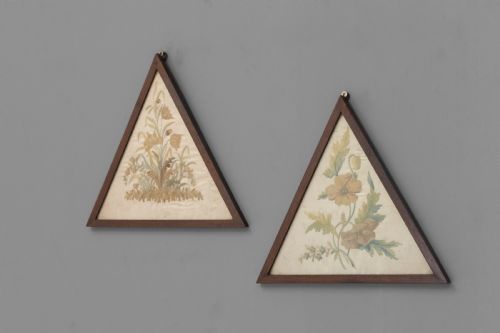

Victorian Floral Wall Art
Victorian floral wall art brings natural beauty indoors through watercolours, oils and silk embroideries.
Victorian Floral Wall Art
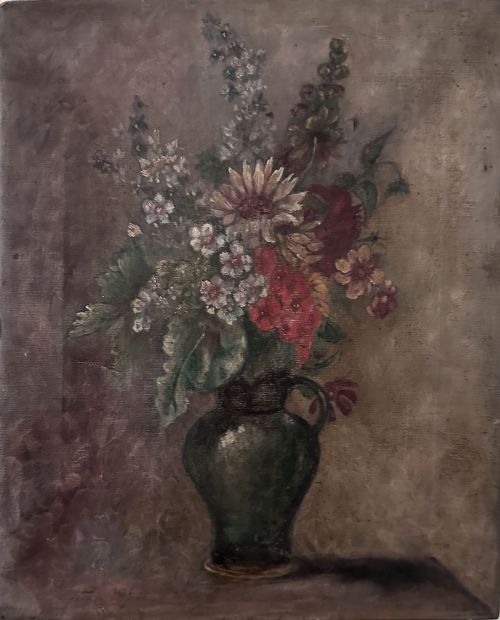
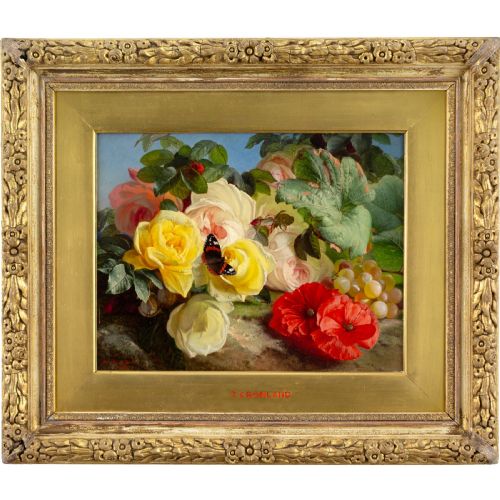
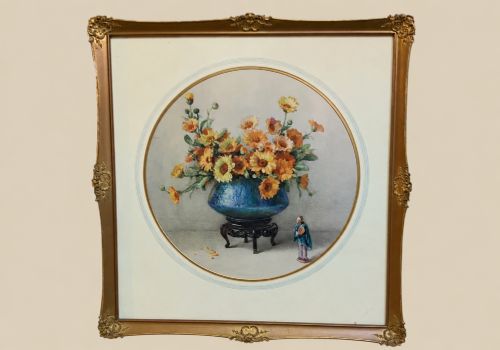
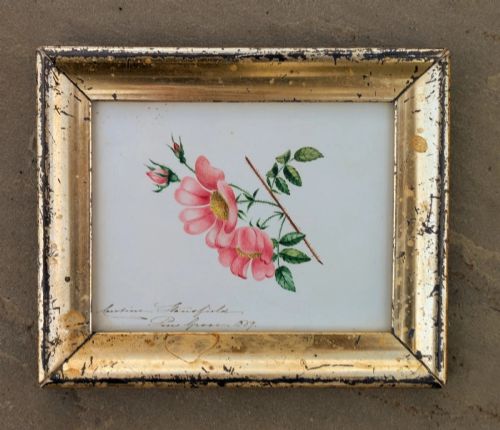
When you search for victorian floral wall art, you encounter a diverse range of 19th-century and early 20th-century works depicting flowers and botanical subjects. The selection spans delicate watercolour paintings, oil on canvas studies and framed prints.
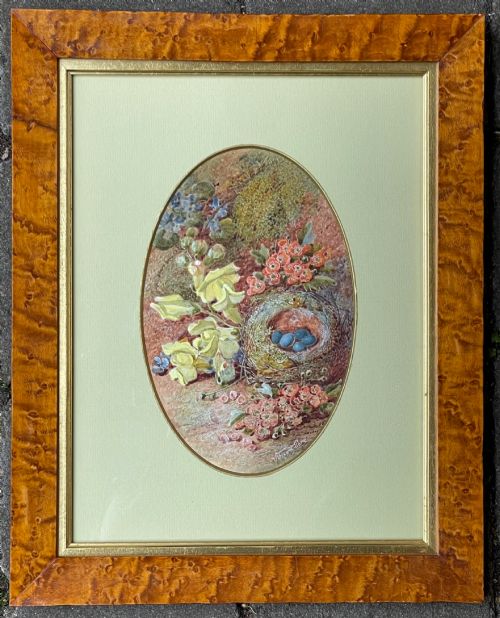
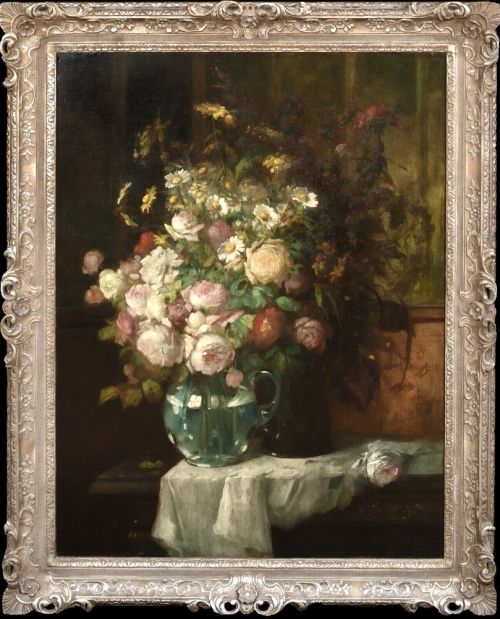
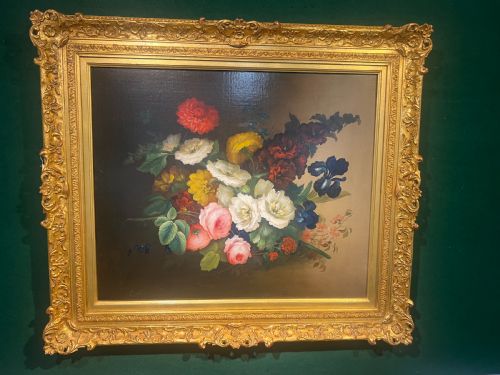
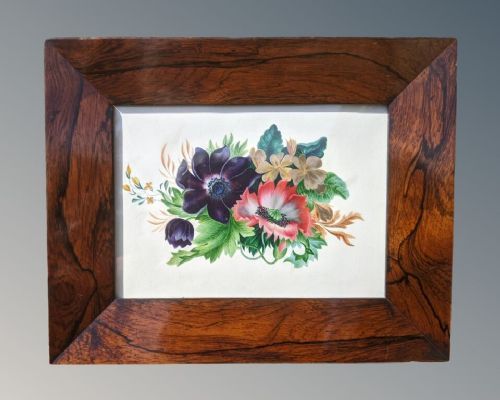
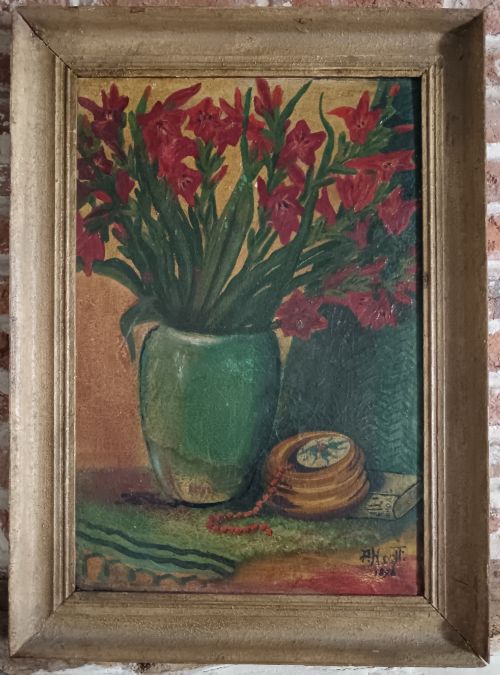
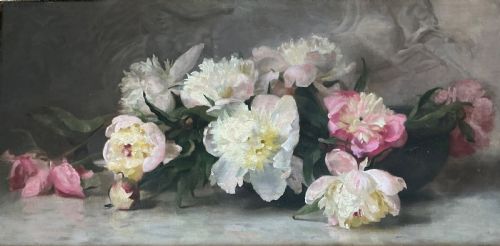
You are most likely to meet detailed watercolours of roses, pansies and pelargoniums alongside oil paintings of floral still lifes. Pieces often date from the Victorian period through to the Edwardian era.
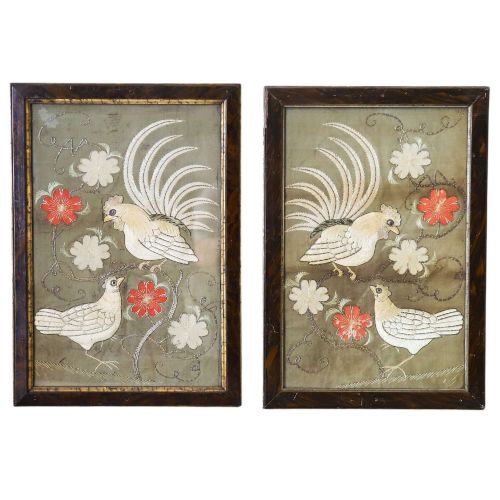
The assortment also includes botanical engravings, embroidered panels and herbariums in folk art frames. These decorative objects capture the era's fascination with naturalism and botany.
Materials and technique
Artists of the period utilised oil paint and watercolour on canvas or paper to capture botanical subjects with precision. Gold leaf frequently accented frames and details.
Handmade paper and silk provided the ground for intricate watercolours and embroideries. Wood and glass framed and protected these delicate works.
Carved hardwood panels and majolica pottery represented alternative methods of bringing floral motifs onto the wall. Craftsmanship relied on traditional hand techniques and detailed observation.
Cockerels, hens, butterflies and birds' nests frequently share the canvas with roses and pansies.
Variations in quality
Quality in victorian floral wall art rests upon the artist's command of medium and composition. Skilled handling of oil paint or watercolour brings depth and realism to petals and leaves.
The preservation of the paper or canvas affects the visual impact. Works that retain their original pigments and sit within period frames hold greater visual harmony.
The nuance in botanical accuracy and the delicacy of brushwork distinguish accomplished works from standard decorative pieces. Original framing and mounting further elevate a piece.
Theude Grönland·Vincent Clare·Konstantin Stoitzner·Edwin Steele·Catherine Thomas·Gertrude Hayes·Thomas Bromley Blacklock·Henrietta Creswell·William Hough·Edith Barrow·Grace Hastie·Jabez Bligh·L. Wilford·David Woodlock·Elizabeth T. Sutcliffe·John Curtis·James Stuart Park·Emily Selinger·Annie Mary Youngman·Edgar Bundy·John Sherrin
The Victorian Floral Wall Art Glossary
- Watercolour
- A painting method where fine pigment is suspended in water-based solution on paper. This medium allows for translucent washes and delicate botanical detail.
- Oil on canvas
- Pigment mixed with drying oil applied to a stretched cloth support. This technique provides rich colour saturation and texture.
- Herbarium
- A collection of preserved plant specimens scientifically arranged and mounted. These are often displayed behind glass in custom frames.
- Engraving
- A printmaking process where an image is incised into a metal plate. It produced detailed botanical illustrations for publication.
- Botanical naturalism
- An artistic movement focused on accurate representation of plants in their natural state. It dominated 19th-century floral illustration.
Victorian Floral Wall Art: Frequently Asked Questions
What subjects appear in victorian floral wall art?
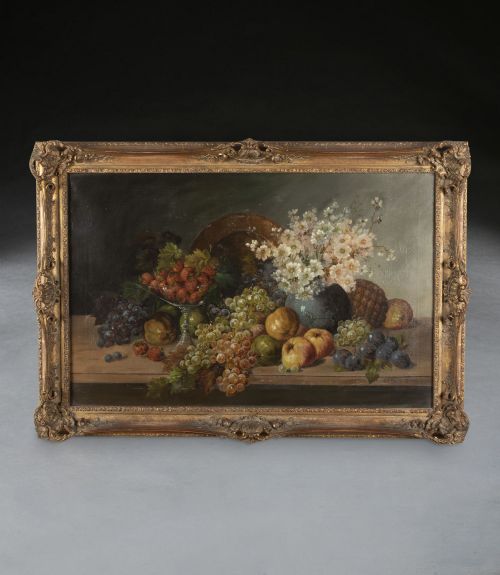
The works depict various botanical subjects, including roses, pelargoniums, poppies, pansies and wild flowers. Artists also painted still lifes featuring fruit, birds' nests and Chinese objects alongside the blooms.
Engravings of plants with insects and botanical studies form another distinct category within the selection. These pieces reflect a broad 19th-century interest in natural history and gardening.
How should I frame and display these watercolours?
Watercolours require careful placement away from direct sunlight to prevent the pigments from fading over time. Conservation mounting with acid-free materials protects the delicate paper.
Many pieces arrive in period frames, such as faux tortoiseshell or wood, which complement the historic character. Ensuring stable humidity levels in the room preserves both the paper and the frame.
How do oil paintings differ from watercolours here?
Oil paintings utilise pigment bound in drying oil on canvas or panel, offering heavier texture and deep colour saturation. They often present bolder still-life arrangements of flowers in bowls or vases.
Watercolours rely on translucent washes on paper, creating a lighter, more delicate botanical study. Both mediums capture the Victorian enthusiasm for floral decoration in distinct ways.