



Victorian Floral Display
A victorian floral display brings nature indoors through exquisite glass, porcelain and marquetry work crafted to catch the light.
Victorian Floral Display
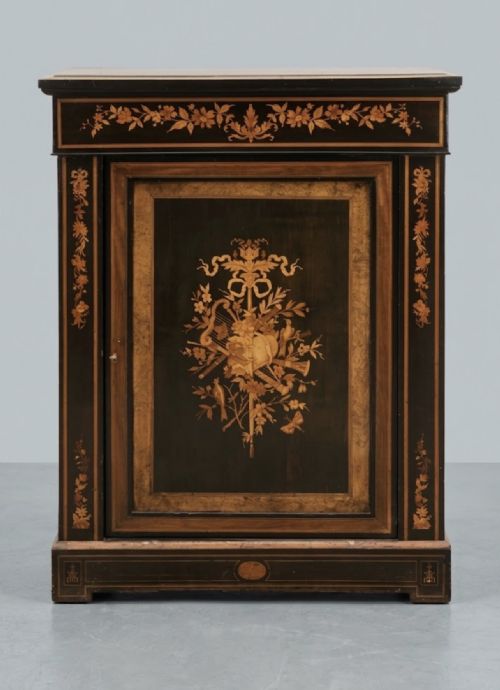
A victorian floral display encompasses ornate glass domes enclosing beadwork bouquets alongside cabinets, credenzas, and plates adorned with intricate marquetry and hand-painted botanical motifs. These pieces date from the nineteenth century, spanning periods from the eighteen-fifties through to nineteen-ten.
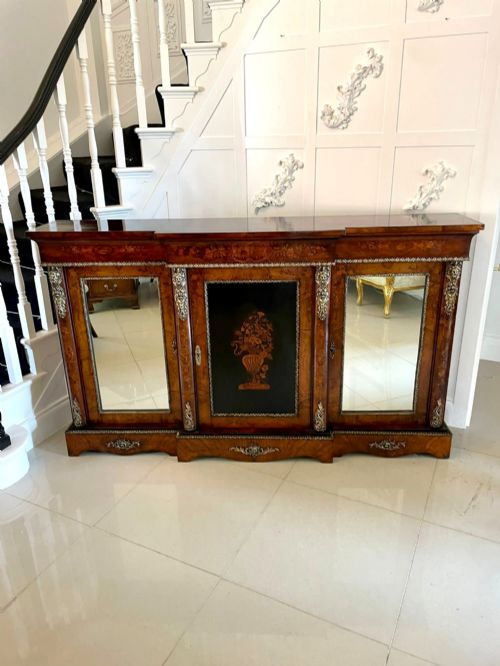
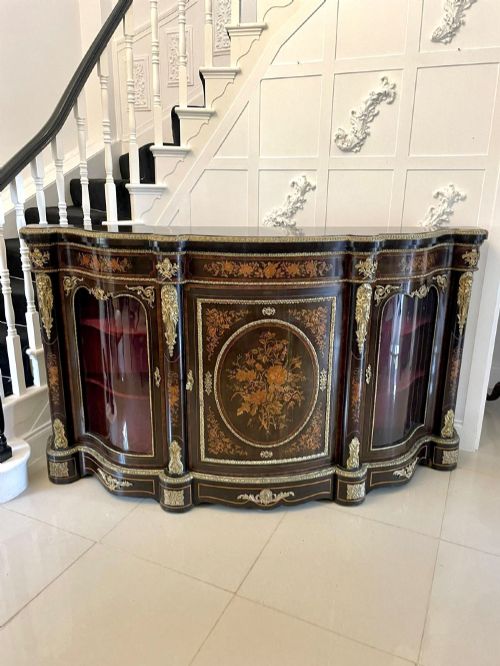
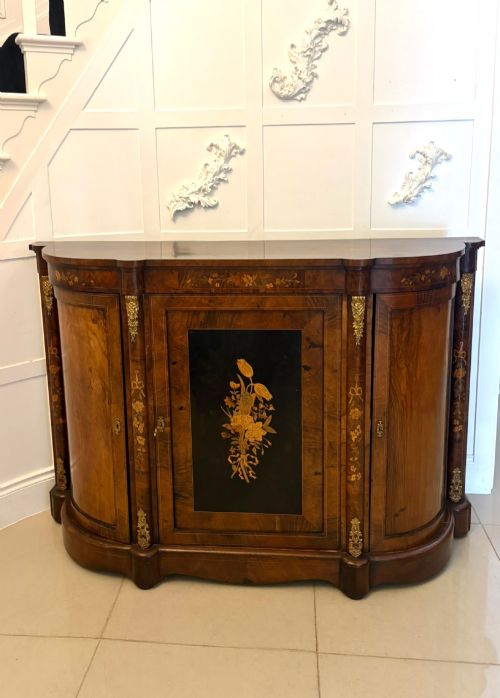
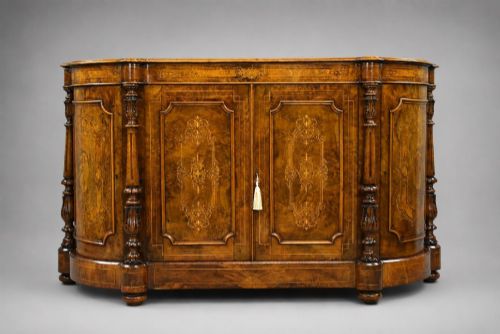
Buyers most frequently encounter burr walnut and rosewood credenzas, side cabinets, and porcelain dishes featuring inlaid floral patterns or painted garden scenes. The forms range from serpentine sideboards mounted in ormolu to glass vases and decorative chargers.
The aesthetic merges influences from French revival and Aesthetic movement styles with traditional English cabinetmaking. Each object serves to exhibit botanical decoration, whether rendered in wood veneers, enamel, or hand-painted ceramic.
Materials and construction
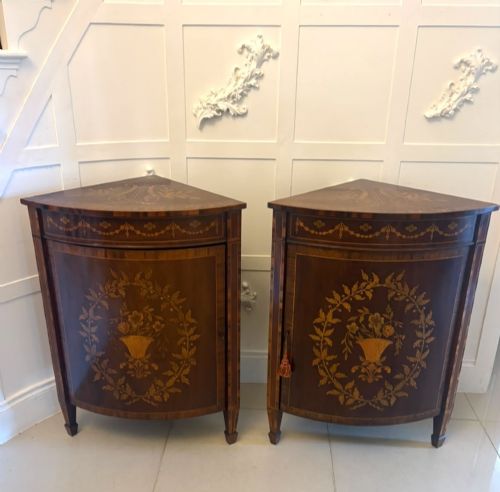
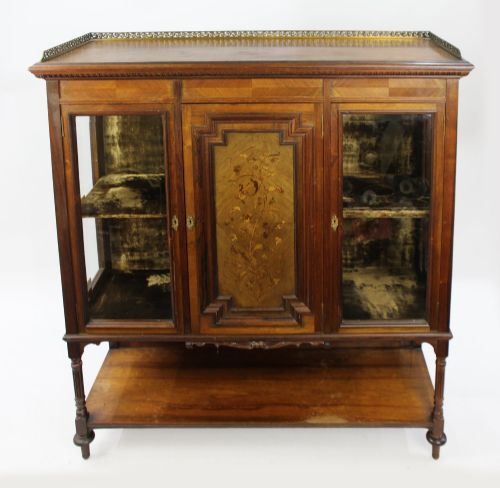
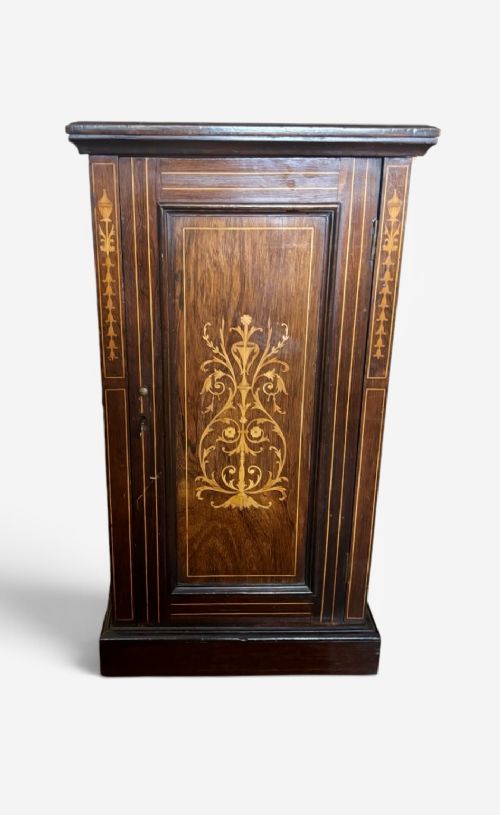
Cabinetry relies on rich timbers including walnut, rosewood, satinwood, and mahogany, shaped into curved serpentine forms and mounted with chased ormolu brass. Marquetry inlay utilises contrasting woods to build detailed floral scrolls and garden scenes across doors and tabletops.
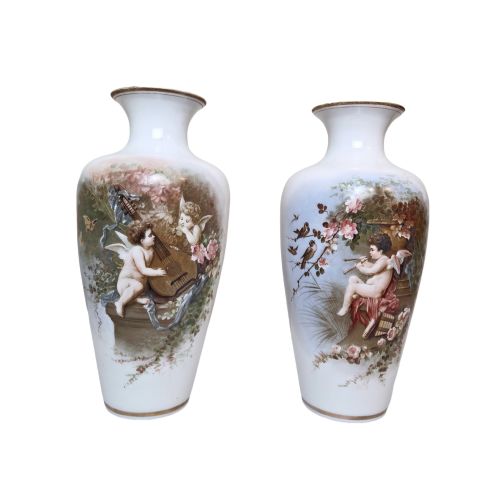
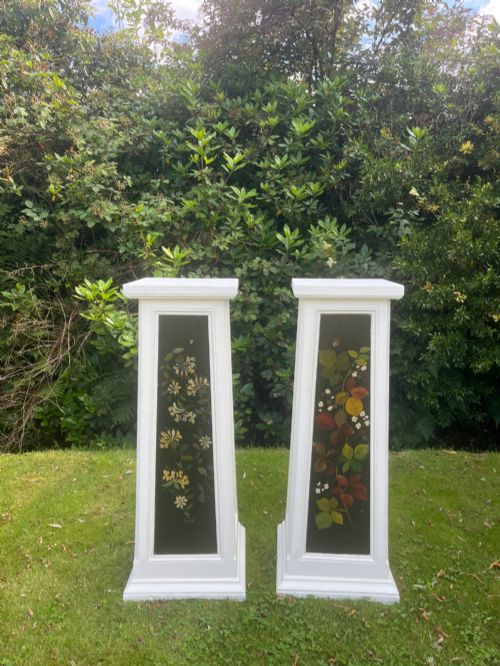
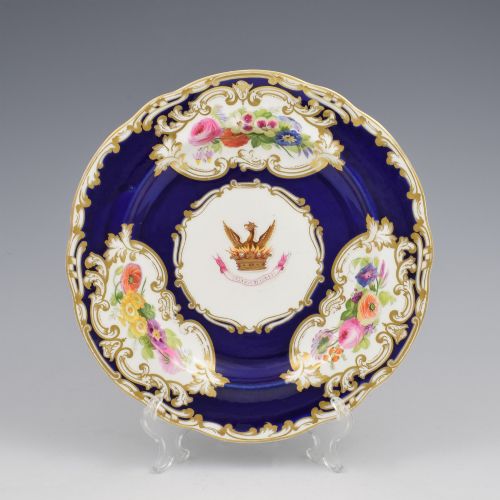
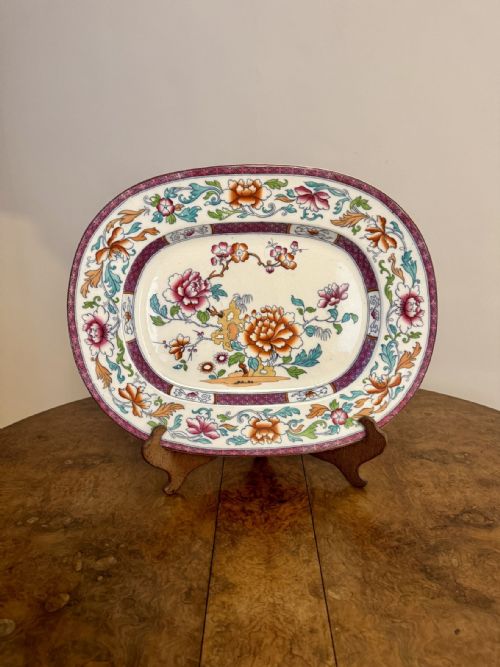
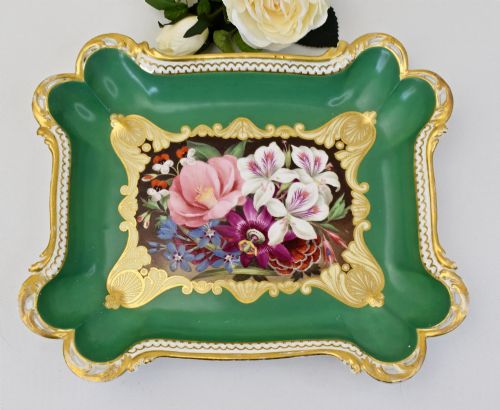
Porcelain items and ceramic plates employ hand-painted enamel decoration depicting orchids and flora, fired onto white bodies alongside ironstone and stoneware. Glass items incorporate delicate cranberry glass epergnes and parlour domes protecting handmade beadwork bouquets.
Structural elements integrate brass mounts, gold leaf highlights, and ebonised finishes to frame the elaborate wood veneers and ceramic surfaces. Joinery follows nineteenth-century workshop traditions, combining solid carcases with finely cut decorative veneers.
Victorian Floral Display Retail Price Guide 2026
Typical asking prices for victorian floral display among the pieces listed under this phrase on Sellingantiques today, from the lower quarter to the upper quarter. They describe what is for sale here now, not the wider market.
One exceptional Victorian display case brings together taxidermy animal skulls and delicate glass parlour domes under a single roof.
Assessing quality in execution
The distinction between tiers rests upon the precision of the marquetry inlay and the depth of the timber figuring. Superior examples display tightly fitted contrasting wood veneers forming crisp floral motifs, while simpler pieces rely on basic surface prints or sparse inlay.
Ormolu mounts and brass fittings indicate standard when they exhibit sharp chasing and heavy casting rather than thin, plain sheet metal. Similarly, hand-painted porcelain plates show superior artist work through detailed brushwork and botanical accuracy.
Cabinet construction dictates overall merit, seen in serpentine-shaped fronts, solid carcase woods like burr walnut, and integrated side cabinets. Lesser items present flat panel surfaces with minimal banding and standard secondary timbers.
Edwards and Roberts·Edward Holmes Baldock·Royal Doulton·John Ridgway·Doe and Rogers
The Victorian Floral Display Glossary
- Marquetry
- Decorative veneer work forming pictures and patterns using thin slices of wood. This technique creates the floral displays seen on cabinet doors and tabletops.
- Ormolu
- Gilded bronze or brass applied as mounts and feet on furniture. It adds ornate metallic highlights to walnut and rosewood credenzas.
- Credenza
- A large sideboard or cabinet used for display and storage in nineteenth-century reception rooms. These pieces often feature extensive floral marquetry.
- Epergne
- A tabletop centrepiece holding multiple dishes or vases, often made of cranberry glass. It functions to display flowers or fruit.
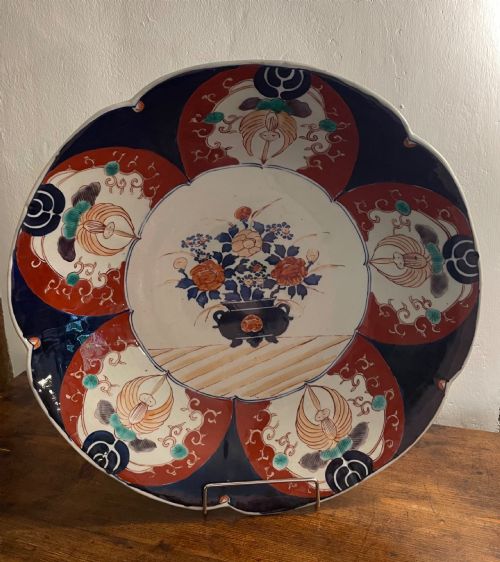
- Imari
- Japanese porcelain decorated in underglaze blue and iron red with gold additions. These plates appear alongside domestic Victorian ceramics in the listings.
Victorian Floral Display: Frequently Asked Questions
What periods do these pieces date from?
The items originate across the nineteenth century, with specific examples spanning from eighteen-thirty through to nineteen-ten. Most cabinets and decorative pieces date from the Victorian era between eighteen-fifty and eighteen-ninety.
Craftsmanship reflects the changing tastes of these decades, moving from ornate marquetry credenzas to Aesthetic movement ebonised cabinets and later glass pieces.
How were glass domes used?
Glass parlours domes protected delicate handmade beadwork bouquets and botanical arrangements from dust and damage in Victorian homes. They sat on wooden bases as permanent indoor garden displays.
These protective covers allowed fragile fabric and bead flora to be showcased safely on occasional tables and side cabinets.
What timber was used for cabinets?
Cabinetmakers utilised rich hardwoods including burr walnut, rosewood, satinwood, and mahogany for the carcases and decorative veneers. Ormolu mounts and brass details frequently complemented these dark timbers.
Inlay work incorporated various contrasting wood species to build up detailed floral scrolls and botanical motifs across the surfaces.
How do I identify French revival style?
French revival pieces feature curved serpentine fronts, heavily cast ormolu mounts, and elaborate marquetry patterns reminiscent of eighteenth-century continental workshops. Etageres and credenzas often showcase these lighter, decorative lines.
This style contrasts with heavier, straighter Victorian furniture by emphasising gilt highlights, curved glass, and organic floral shapes.