



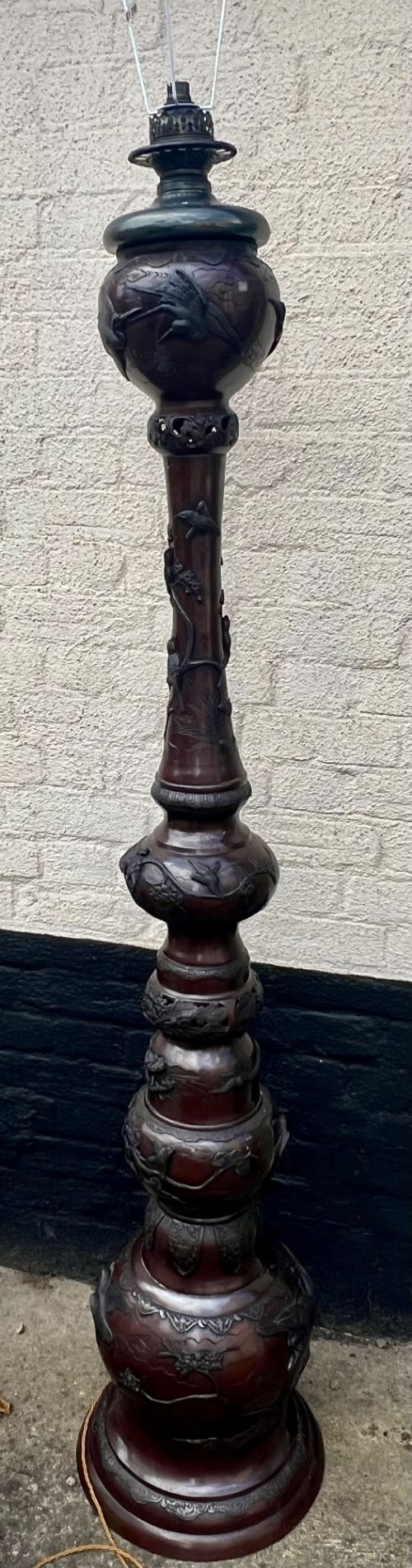
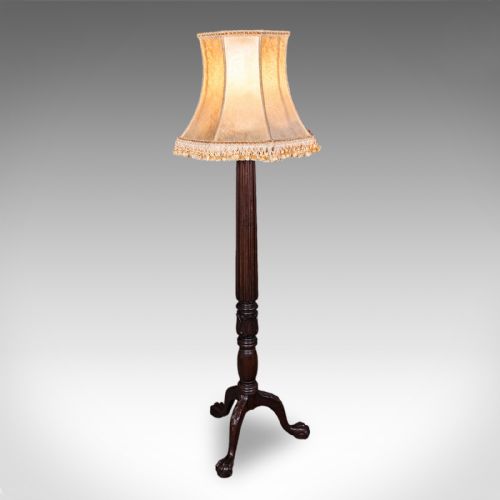
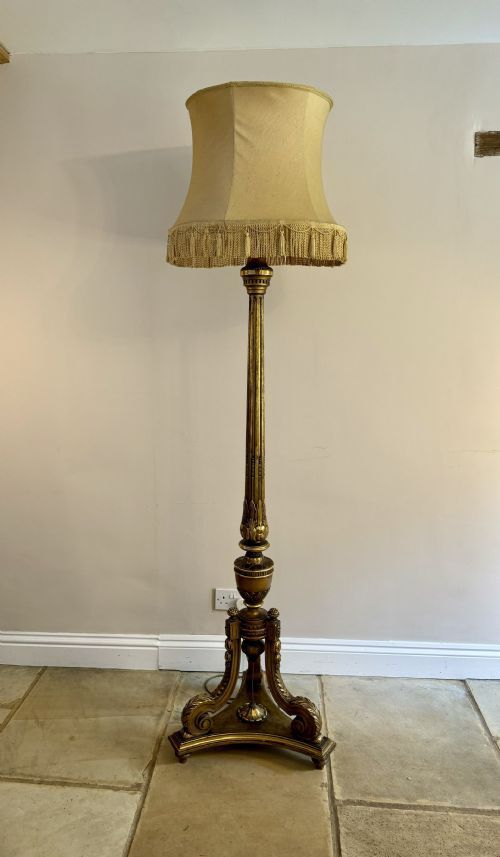
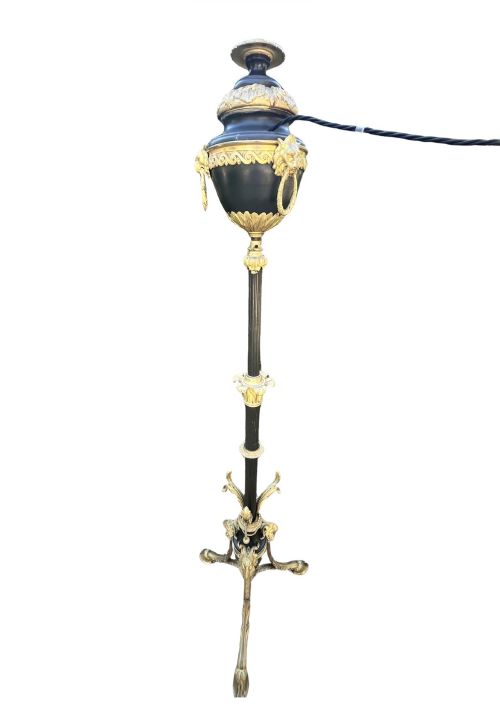
Victorian Floor Lighting
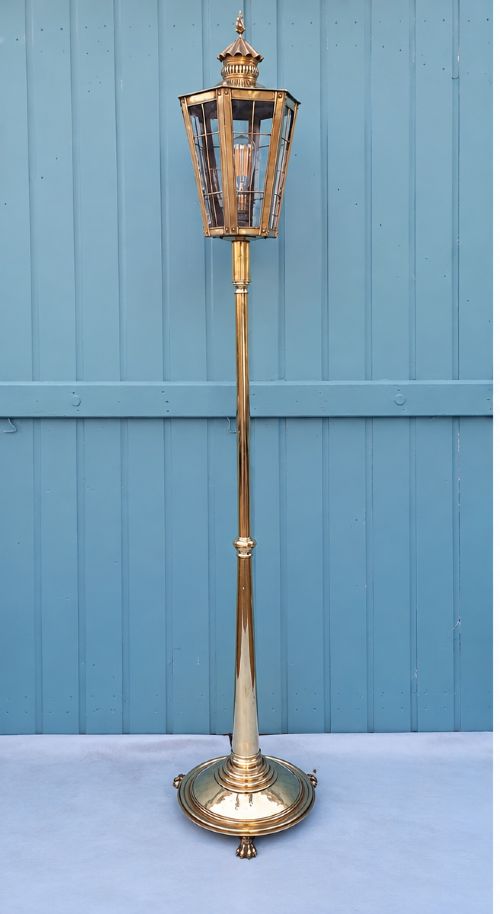
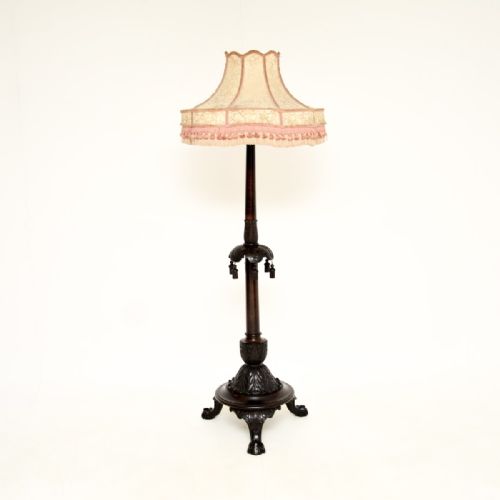
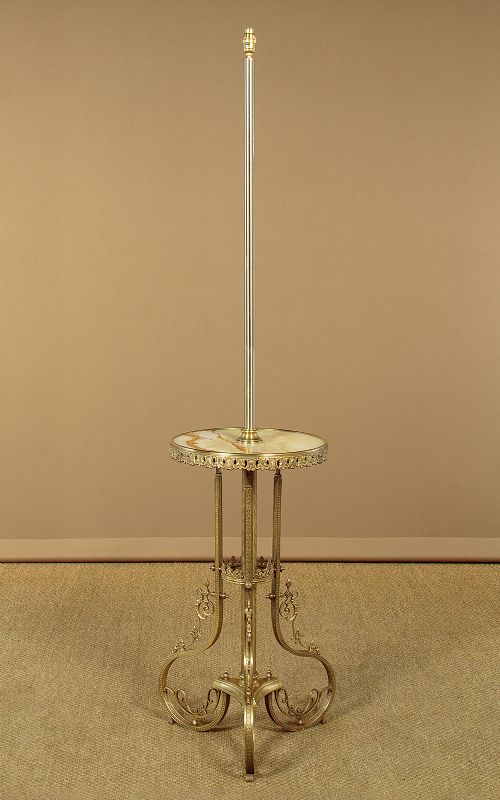
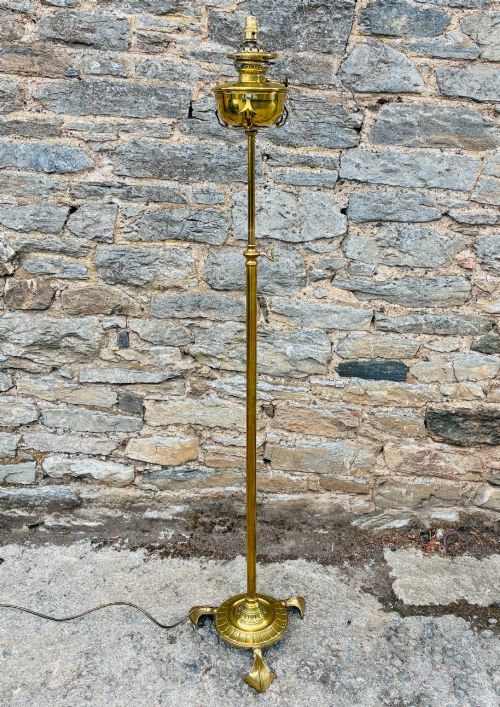
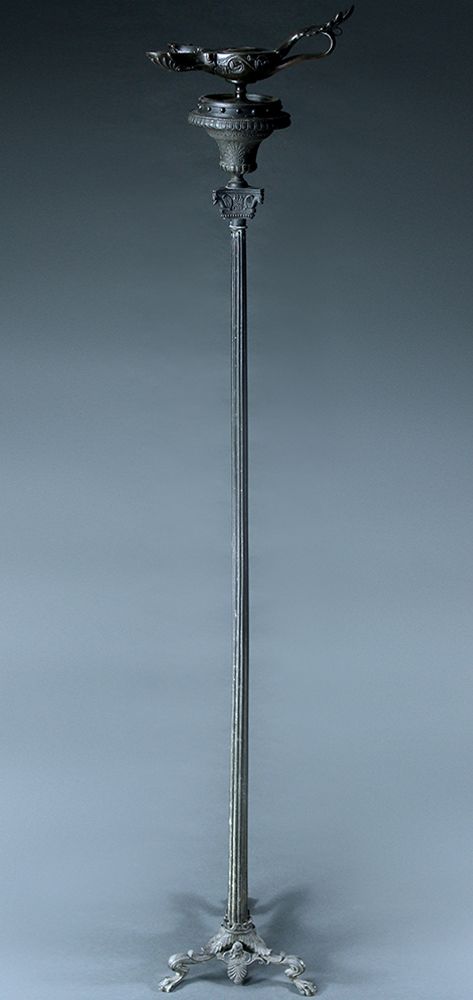
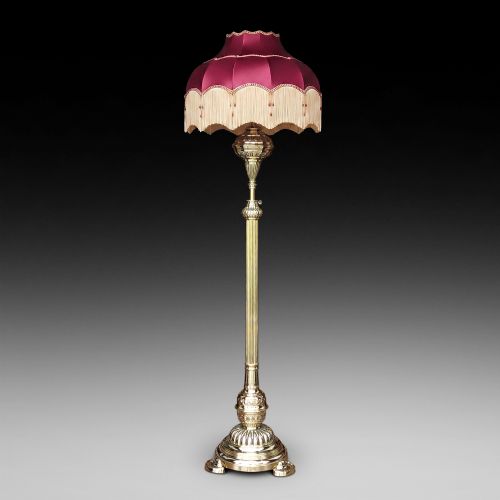
Victorian floor lighting brings period height and presence to a room, offering adjustable brass columns, cast iron standards and converted oil lamps.
Victorian Floor Lighting
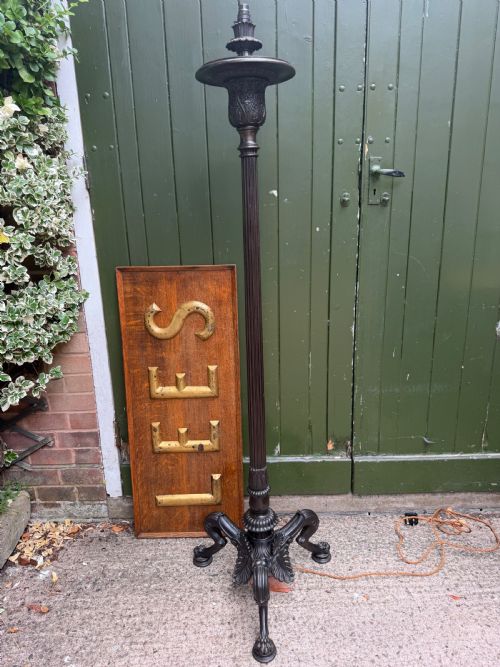
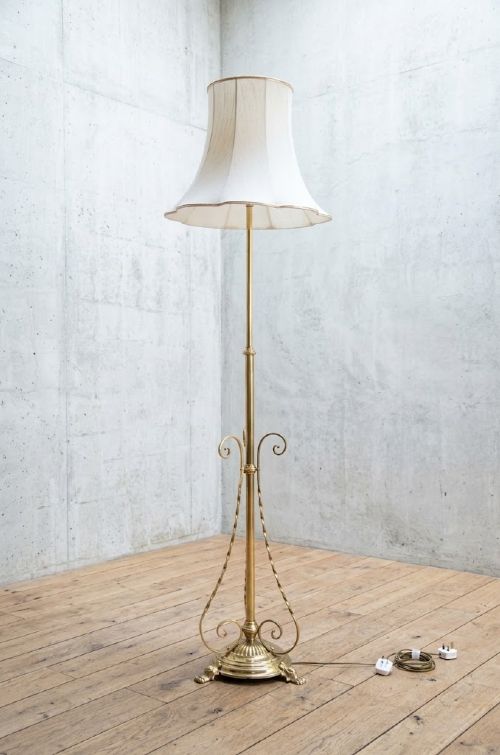
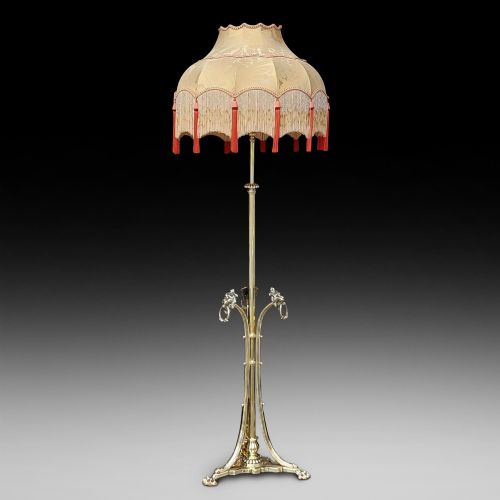
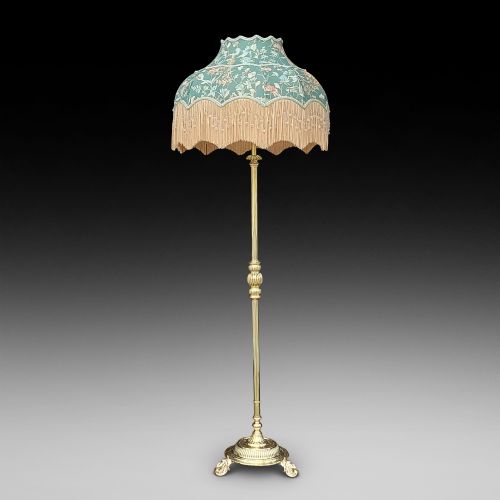
Victorian floor lighting encompasses tall stands, standard lamps and converted oil lamps designed to illuminate large spaces from a vertical stance. When exploring Victorian floor lighting, buyers encounter pieces that transition from heavy cast iron and bronze to polished brass and carved mahogany.
The most common versions on this page are brass standard lamps, often featuring telescopic mechanisms for height adjustment and Corinthian column capitals. Alongside these stand wrought iron lantern stands, French gilt wood designs and occasional examples incorporating cranberry glass or onyx components.
Origins span the nineteenth century and the Edwardian period, drawing on styles such as Neo-Classical, Arts and Crafts, Art Nouveau and Gothic Revival. Makers like Hinks of Birmingham contributed specialised hardware to the period's evolving domestic illumination.
Materials and construction
Makers utilised cast and spun brass as the primary metal for standards, pairing it with heavy iron or bronze bases to maintain stability at height. Telescopic mechanisms allowed users to raise or lower the burner or bulb assembly using internal threaded rods or sliding collars.
Timber examples rely on carved mahogany or gilt wood, shaped with classical reeding or floral motifs. Decorative accents include onyx, ormolu mounts and cranberry glass fonts, while later adaptations converted original oil reservoirs to electrical wiring.
Victorian Floor Lighting Retail Price Guide 2026
Typical asking prices for victorian floor lighting among the pieces listed under this phrase on Sellingantiques today, from the lower quarter to the upper quarter. They describe what is for sale here now, not the wider market.
Masonic lodges utilised tall graduated brass Corinthian column candlesticks alongside domestic floor lights.
Distinctions in quality
Quality rests upon the weight of the metal casting and the crispness of detail in Corinthian capitals, foliate openwork and figural mounts. Heavy gauge brass and solid bronze command greater regard than lighter stamped alternatives.
The sophistication of the mechanical adjustment, whether a smooth telescopic rise or a secure screw key, indicates workshop standard. Intricate hand-carved woodwork and fire-gilded ormolu further separate standard production pieces from grander examples.
Hinks of B'ham
The Victorian Floor Lighting Glossary
- Telescopic
- An extendable shaft design allowing the height of the standard lamp to be raised or adjusted. This mechanism often utilised internal brass tubing.
- Corinthian Column
- A classical column style featuring an ornate capital decorated with acanthus leaves. It appeared frequently on nineteenth century brass floor standards.
- Standard Lamp
- A term historically used for a floor lamp designed to hold an oil burner or electric bulb at height. They typically rest on a heavy weighted base.
- Ormolu
- Gilded bronze applied as a decorative mount on furniture and lighting standards. The technique involves a mercury amalgam applied to bronze.
- Cranberry Glass
- A rich red glass created by adding gold chloride to the molten batch. It frequently formed the oil fonts on late nineteenth century standards.
Victorian Floor Lighting: Frequently Asked Questions
What is Victorian floor lighting?
Victorian floor lighting comprises tall stands, standard lamps and converted oil burners designed to illuminate rooms from a vertical position.
These pieces utilise materials such as brass, cast iron, wrought iron and mahogany, often featuring adjustable telescopic columns.
How were these lamps used?
Original examples held oil reservoirs with wicks, providing movable illumination beside seating areas or desks before widespread electrification.
Many surviving pieces have since been converted to electricity while retaining their original brass standards and weighted bases.
How do I identify a telescopic lamp?
Telescopic lamps feature an inner shaft that slides upward from an outer sleeve, secured by a key or screw mechanism to lock the height.
This allowed nineteenth century users to adjust the spread of light from the burner according to the room layout.
What styles are common?
Common styles include classical Neo-Classical columns, Arts and Crafts wrought iron work, and organic Art Nouveau floral motifs.
Revival styles such as William IV and Gothic Revival also appear frequently across nineteenth century examples.