


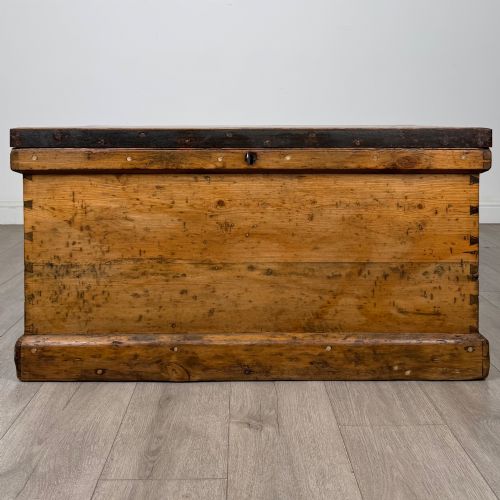
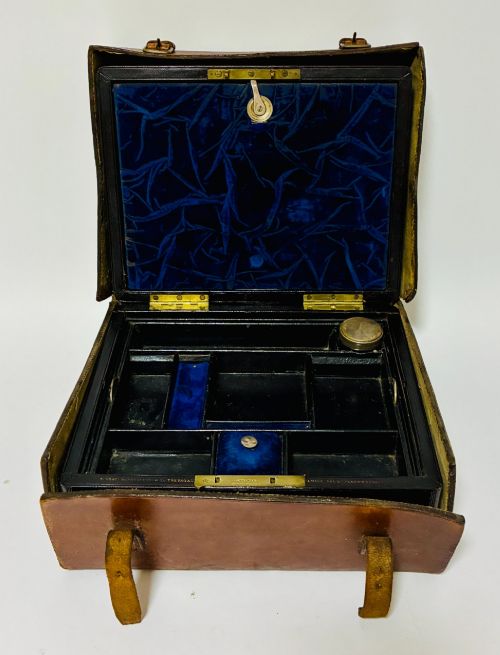
Victorian Fitted Box
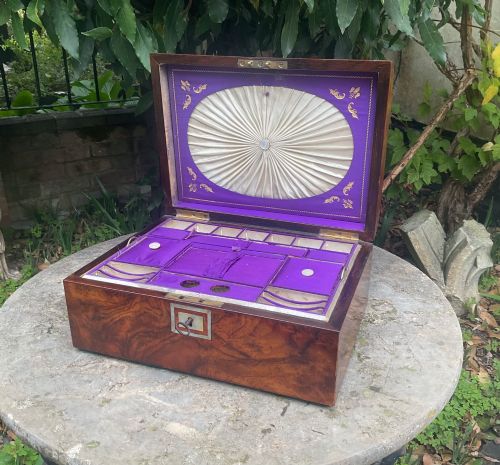
A victorian fitted box organises valuables and travel necessities with dedicated compartments for jewellery, writing materials or grooming sets.
Victorian Fitted Box
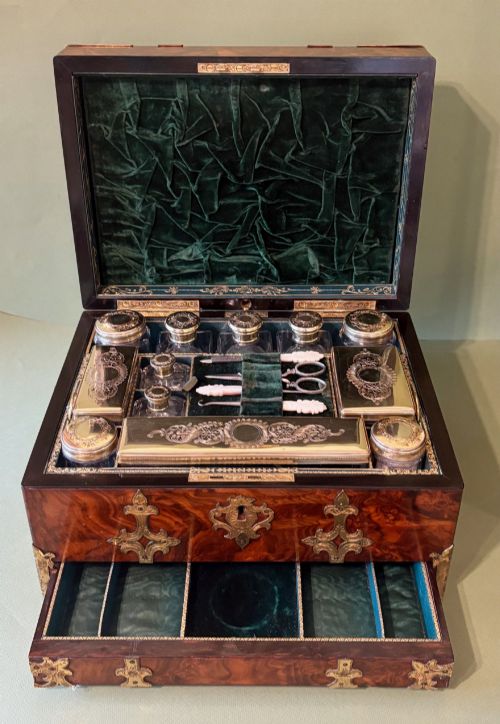
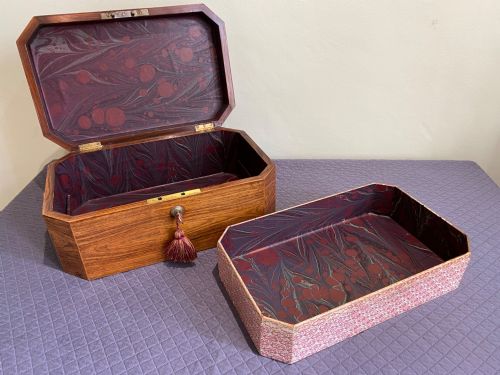
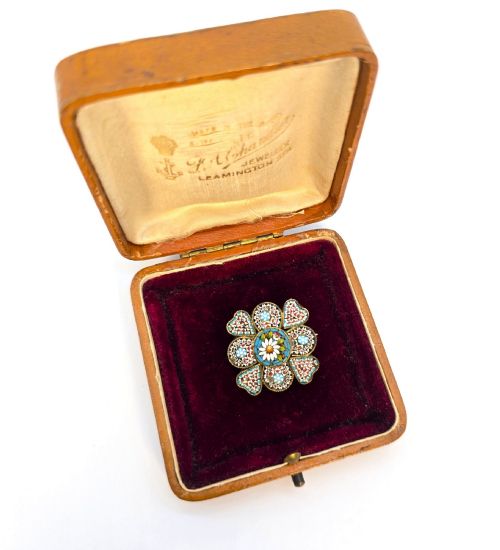
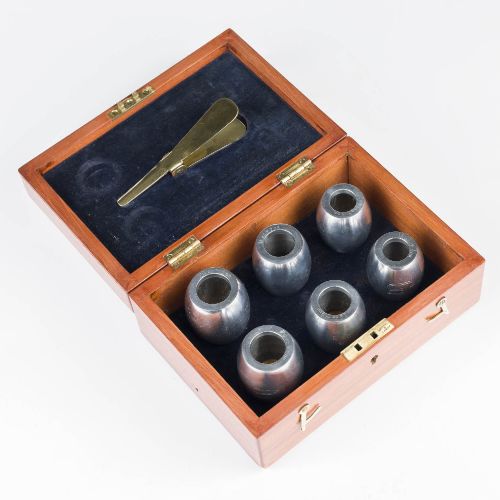
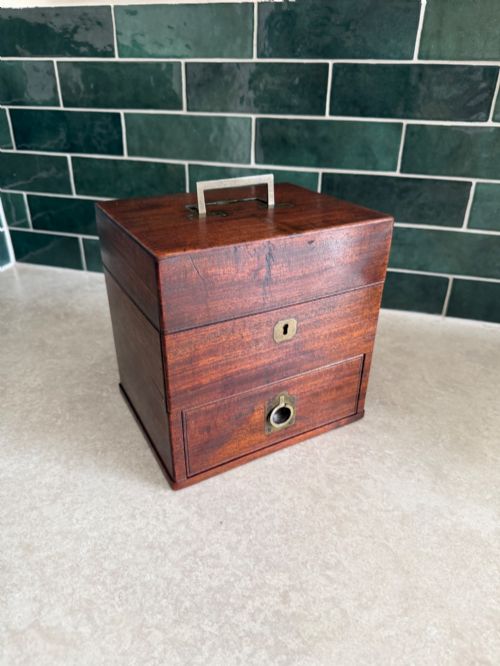
When you search for a victorian fitted box, you encounter timber containers designed to secure specific portable items such as correspondence, cosmetics, or precious ornaments. These pieces typically originate from the nineteenth century and feature internal partitions, lift-out trays, and velvet or leather linings.
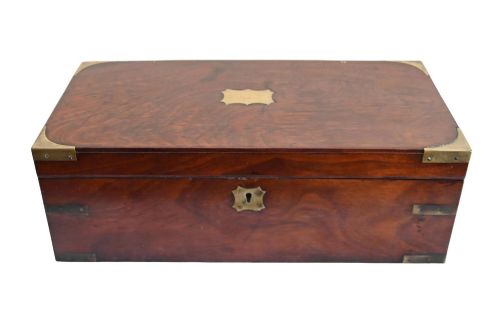
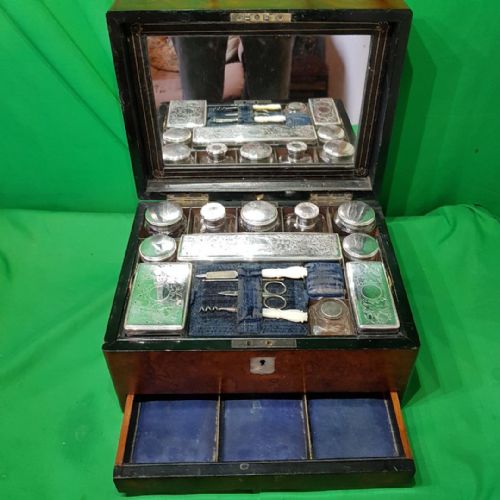
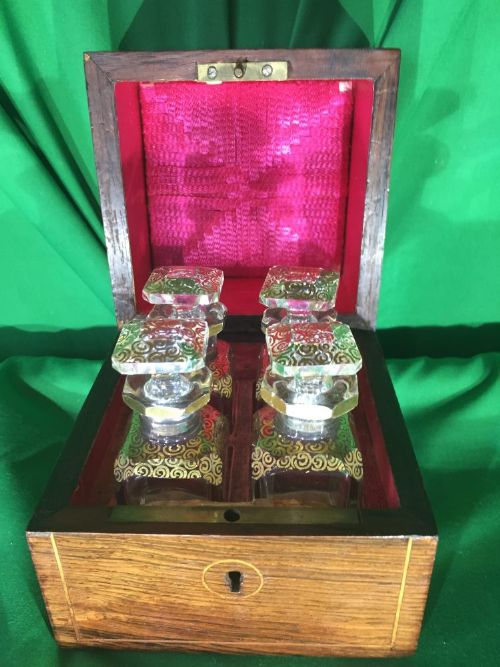
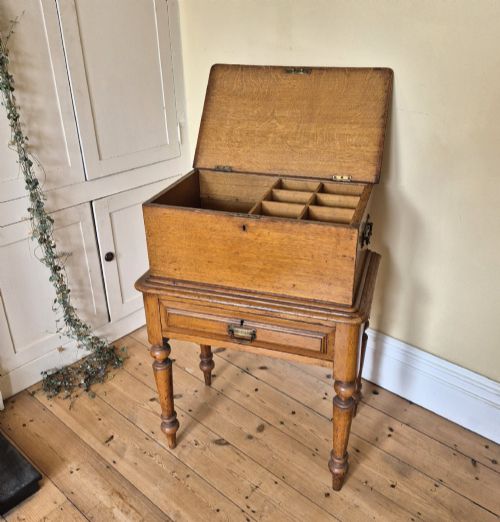
You meet variations ranging from rosewood and burr walnut writing slopes to leather dressing cases and compartmented jewellery caskets. The interior layout defines the piece, keeping inkwells, scent bottles, or rings held firmly in place during travel or domestic use.
How they were made
Cabinet makers utilised dense hardwoods including mahogany, rosewood, and burr walnut, frequently applying brass binding or inlay to strengthen corners and decorate the exterior surfaces. Carcases were constructed with precise joinery to house internal trays and secret drawers without warping.
Interiors relied on plush velvet, silk, or morocco leather to line compartments, paired with functional brass or steel locks, often by makers such as Bramah, to secure valuable contents.
Listings feature brass, velvet, mahogany, glass, burr walnut, leather, oak, and iron across nineteenth-century forms.
What varies in quality
Quality rests upon the selection of timber veneers, such as highly figured burr walnut or coromandel, and the precision of the brass stringing and escutcheons. Superior examples retain their complete original internal fittings, from cut glass bottles to matching silver-lidded jars.
The sophistication of the mechanism governing secret drawers and folding writing surfaces also distinguishes finer pieces from standard utility boxes. Sound construction ensures that internal trays lift smoothly and lids close flush without binding.
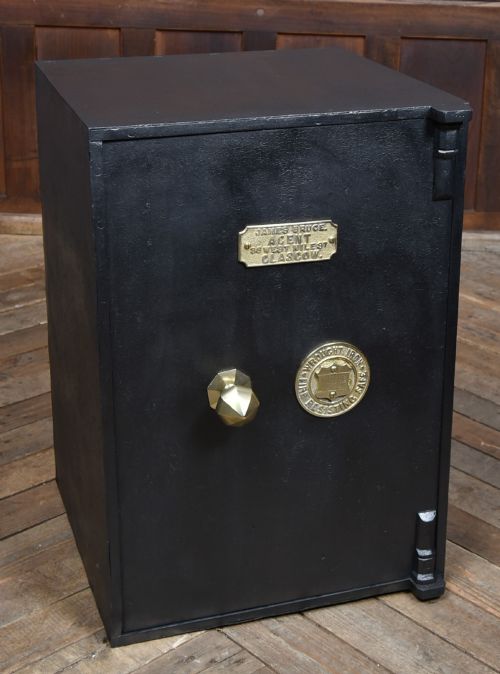
De Grave Short And Co·James Bruce·F West·James Purdey And Sons·L Casella And Co·H Mitchell·Charles Rawlings And William Summers
The Victorian Fitted Box Glossary
- Writing slope
- A portable desk featuring a hinged, slanted writing surface that folds flat when closed. Inside, compartments store pens, paper, and inkwells.
- Escutcheon
- A flat plate of brass or bone surrounding a keyhole. It protects the surrounding wood from wear caused by the key.
- Campaign
- A style of portable furniture and boxes designed for military officers on the move. These pieces often incorporate recessed brass handles and reinforced corners.
- Bramah lock
- A high-security cylindrical lock patented by Joseph Bramah in the late eighteenth century. These locks were commonly fitted to superior nineteenth-century boxes.
- Coromandel
- A dense, heavily figured exotic timber from Asia with dark brown and black graining. Cabinet makers reserved it for luxury boxes and dressing cases.
Victorian Fitted Box: Frequently Asked Questions
What were fitted boxes used for?
These boxes served as portable storage for personal valuables, writing materials, or grooming gear during travel and home use.
Fitted interiors ensured items like glass bottles, razors, and jewellery remained secure and separated inside carriages or ships.
How do I identify a Victorian box?
Look for characteristic nineteenth-century timber choices such as rosewood, burr walnut, and mahogany, often accented with brass.
Interior velvet linings, hand-cut dovetail joints, and working brass lever locks also point to this manufacturing era.
Are original keys normally included?
Some boxes retain their original working keys, while others operate with replacement keys fitted to historic locks.
Working locks add utility, though many collectors display these pieces unlocked to showcase the fitted compartments.
How should I clean the leather lining?
Dust the interior compartments gently with a dry, soft brush to remove accumulated debris without damaging the fabric.
Avoid liquid cleaners on antique velvet or leather linings to prevent staining and deterioration of the original materials.