

Victorian Fireside Seat
These Victorian fireside seat pieces bring warmth to a hearth through deep upholstery, sturdy timber frames and solid brass club fenders.
Victorian Fireside Seat
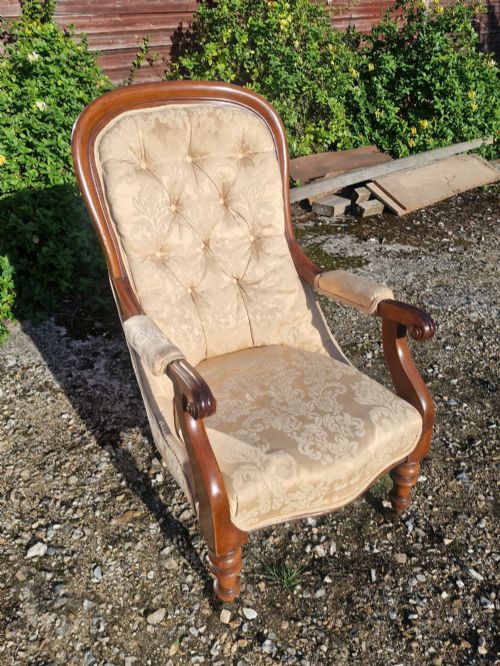
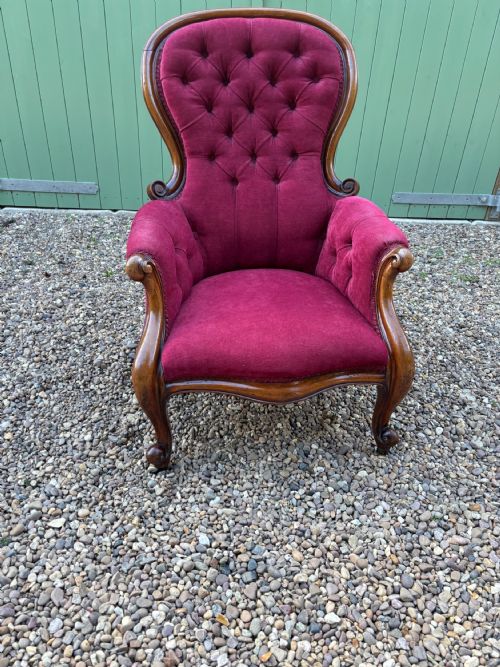
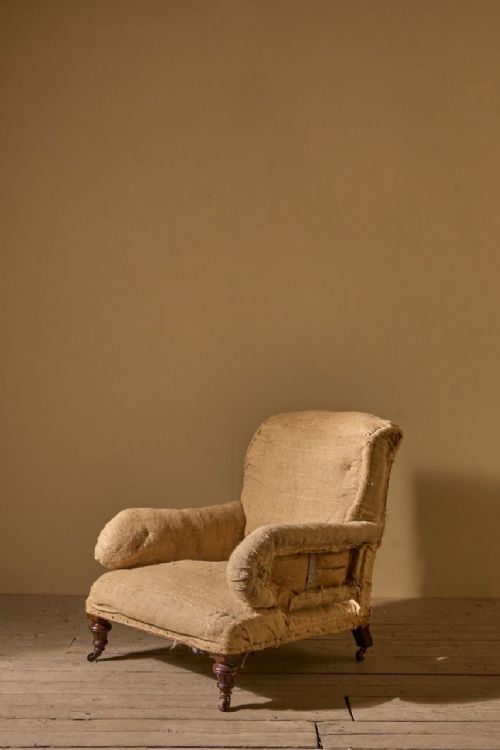
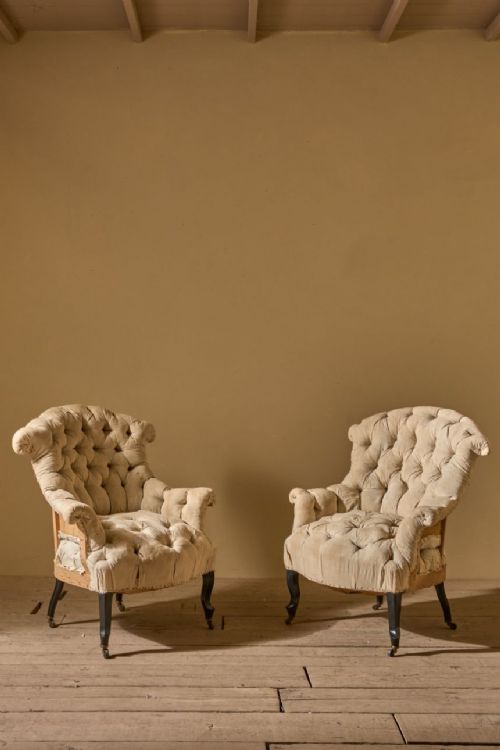
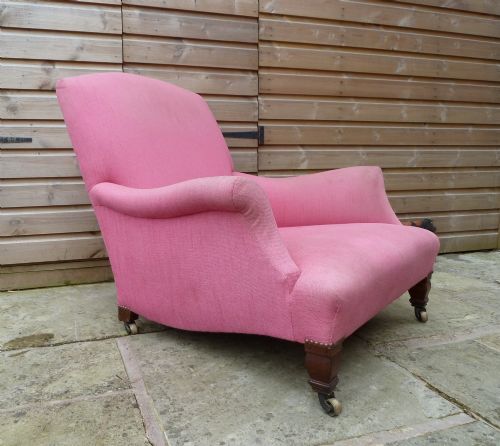
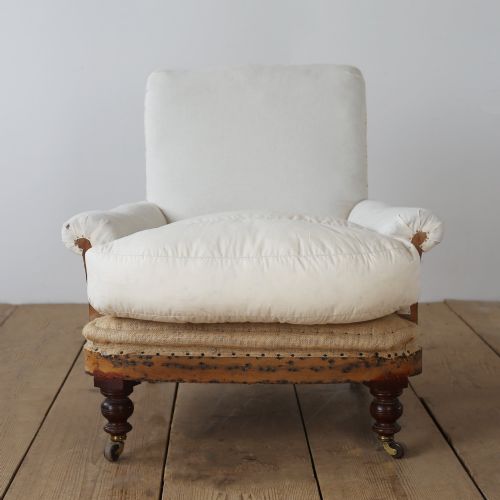
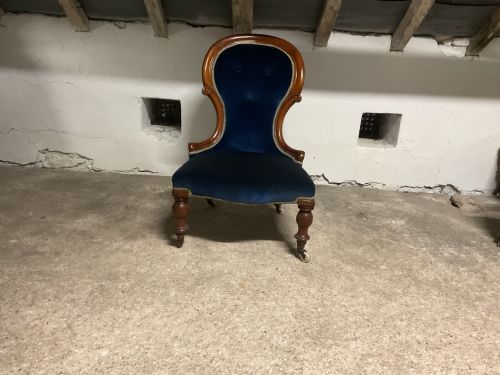
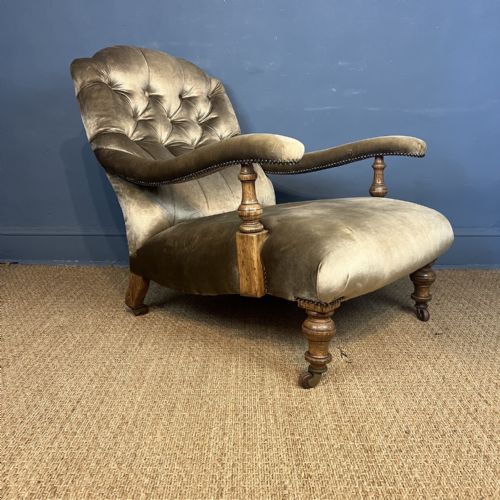
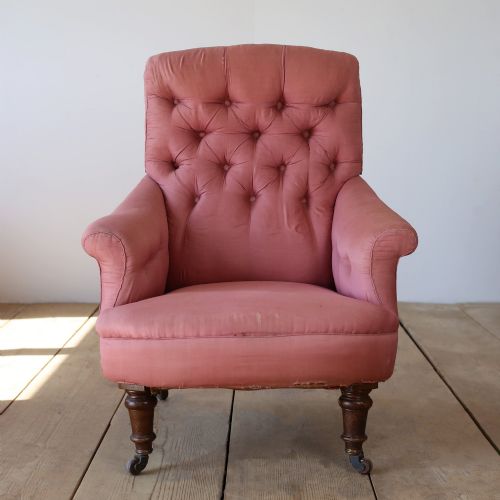
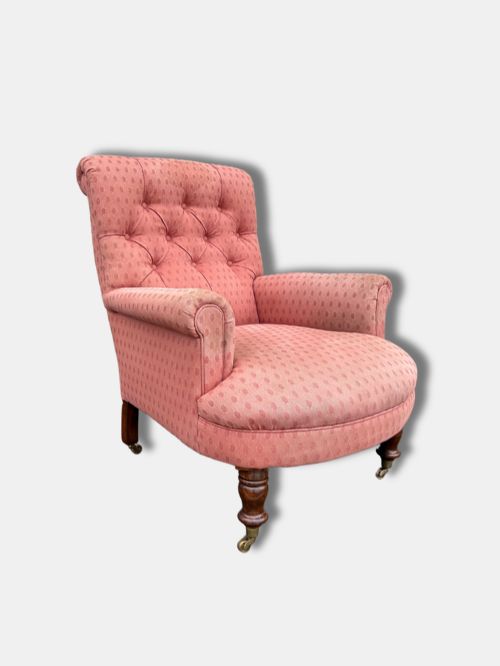
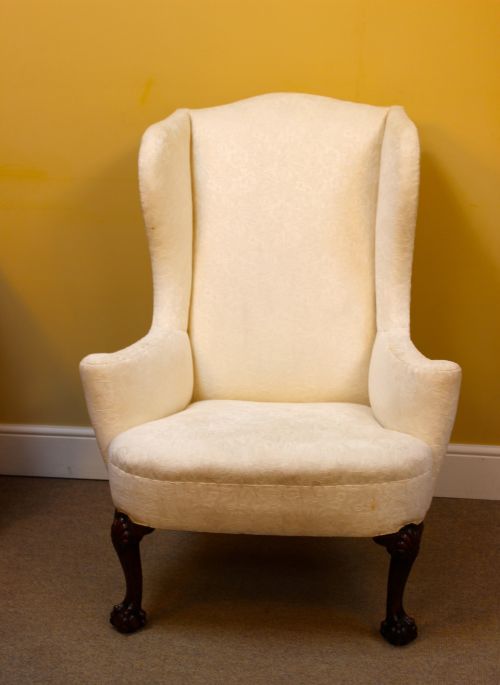
A Victorian fireside seat brings together the robust forms of nineteenth century domestic life, focusing closely on comfort near the hearth. When you search for a Victorian fireside seat, you meet heavy upholstered armchairs, wing chairs, and solid brass club fenders designed for seating right by the fire.
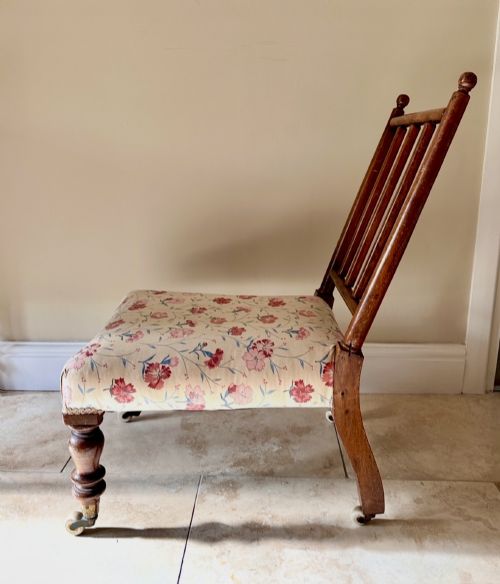
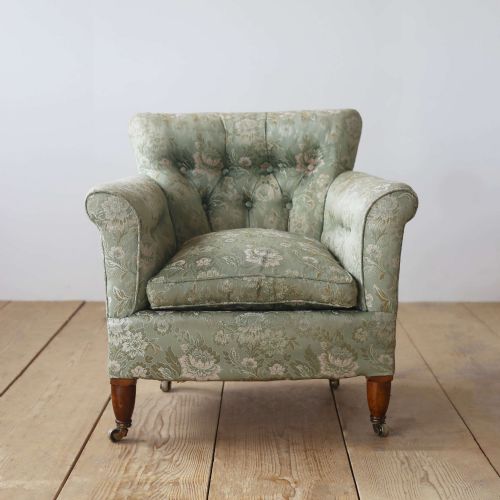
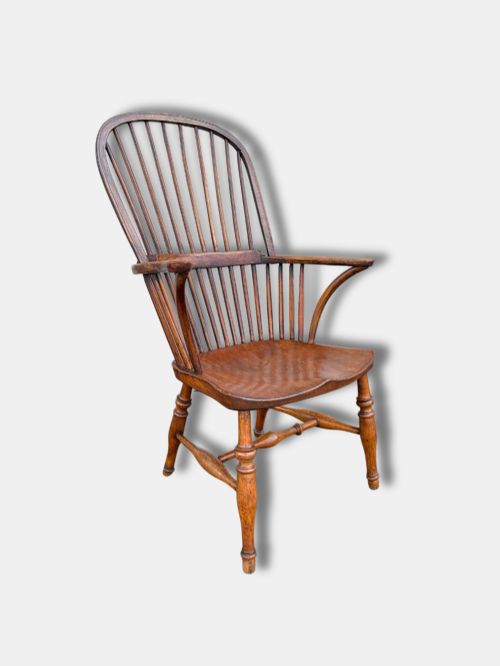
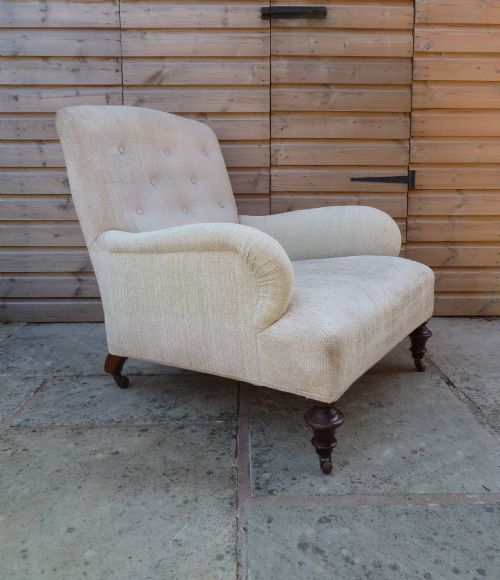
The selections span country house armchairs, nursing chairs, and button-backed library seats alongside stickback Windsor chairs in ash and elm. These pieces range from simple provincial seating to deeply sprung frames built for long hours in a parlour or study.
Lower profiles and generous widths dominate the forms, keeping sitters close to the warmth of the fireplace. Whether you encounter a brass fender seat topped with mature leather or a low-slung Howard style armchair, each object serves the practical purpose of fireside comfort.
Materials and construction
Frames rely on dense timbers such as mahogany, walnut, oak, ash, and elm, providing structural integrity for heavy use. Woodworkers shaped these materials into curved Windsor backs, sturdy cabriole legs, and substantial structural supports.
Upholstery methods utilise traditional stuffing covered in fabrics like leather, velvet, calico, and chenille twill. Button-backing and hand-tacking secure these coverings tightly to internal sprung frameworks.
Metalwork appears prominently in brass club fenders, combining robust metal tubing with padded leather seating surfaces designed to withstand heat and frequent use near an open grate.
Listings feature nineteen-century seating materials including brass, mahogany, fabric, velvet, calico, elm, walnut, and leather.
Judging quality
Quality rests upon the integrity of the underlying timber frame and the depth of the original joinery. Heavier, solid woods like walnut and mahogany combined with tight, unyielding joints separate superior seating from lighter provincial work.
The sophistication of the upholstery build dictates the comfort and longevity of the piece. Deep springing, precise buttoning, and durable leather or velvet coverings reflect skilled craftsmanship rather than hurried manufacturing.
Proportion and scale distinguish finer parlour or library pieces from standard utilitarian seating. Well-balanced arm curves, sympathetic restorations, and heavy-gauge brass on fender seats denote higher manufacturing standards.
Howard and Sons·SF Cullen·Hampton and Sons
The Victorian Fireside Seat Glossary
- Club Fender
- A low metal frame with upholstered top seats, placed around the hearth to provide extra seating close to the fire. They are frequently constructed from polished brass and fitted with leather cushions.
- Windsor Chair
- A wooden chair built with a heavy solid seat into which the legs and back spindles are separately bored and wedged. Ash and elm are traditional choices for these rustic forms.
- Nursing Chair
- A low-seated upholstered chair designed for comfort, historically used for nursing infants near a bedroom fire. They often feature generous padding and an absence of restrictive armrests.
- Wing Armchair
- An armchair featuring side panels attached to the back to shield the sitter from draughts. These panels are known as wings.
- Button Back
- An upholstery technique where indentations are formed by pulling twine tightly through the padding and securing it with buttons. This creates a diamond-patterned cushioned surface.
Victorian Fireside Seat: Frequently Asked Questions
What is a club fender?
A club fender is a metal frame featuring upholstered top rails that sits directly around an open fireplace. It provides both a protective barrier from the hearth and integrated seating close to the warmth.
These pieces typically combine sturdy brass bases with leather bench pads. They allowed Victorians to sit directly adjacent to the fire without blocking the heat.
How do I identify a nursing chair?
Nursing chairs are characterised by exceptionally low seats and high, supportive backs. They were built for domestic comfort in bedrooms and nurseries during the nineteenth century.
Without high arms to restrict movement, these chairs allowed sitters to hold infants easily. Upholstery usually covers the entire frame in velvet, calico, or buttoned leather.
What woods were used for Windsor chairs?
Makers relied on a combination of ash and elm for traditional stickback Windsor chairs. Elm provided a tough, non-splitting surface for the seat slab.
Ash offered the necessary flexibility for steam-bent bows and spindle backs. This pairing ensured structural strength in heavy daily use.
Are these chairs suitable for modern daily use?
These nineteenth-century seats are built from dense hardwoods and heavy internal frames designed for longevity. Many have survived through generations of active domestic environments.
Their robust construction makes them durable enough for contemporary living rooms and studies. Proper upholstery maintenance ensures they remain comfortable daily seating.