



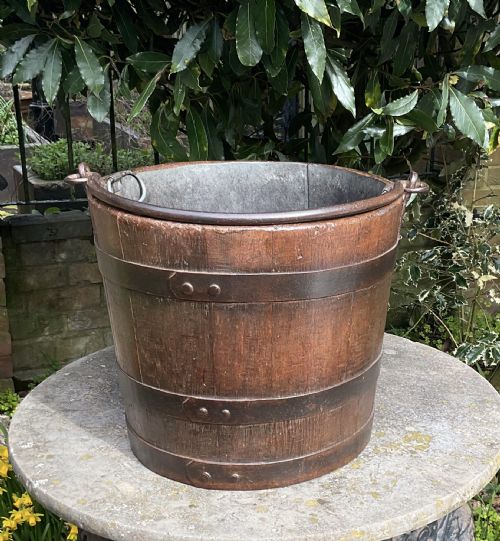

Victorian Fireplace Log Holder
When you search for a victorian fireplace log holder, you uncover robust metal and timber vessels made to house fuel beside the hearth.
Victorian Fireplace Log Holder
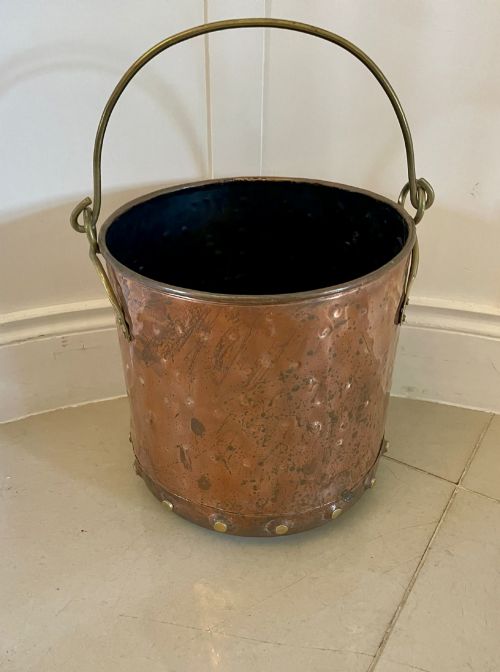
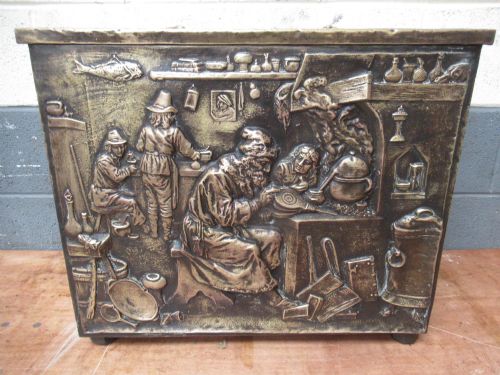
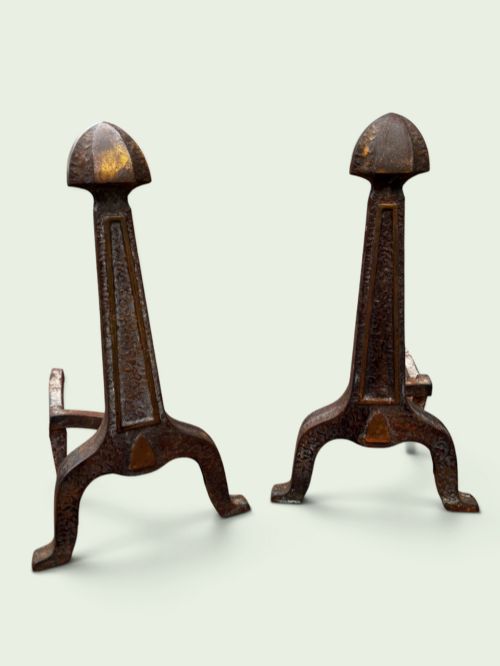
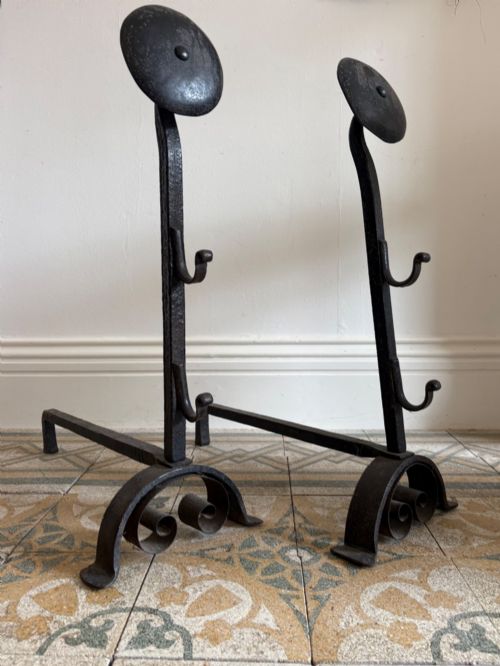
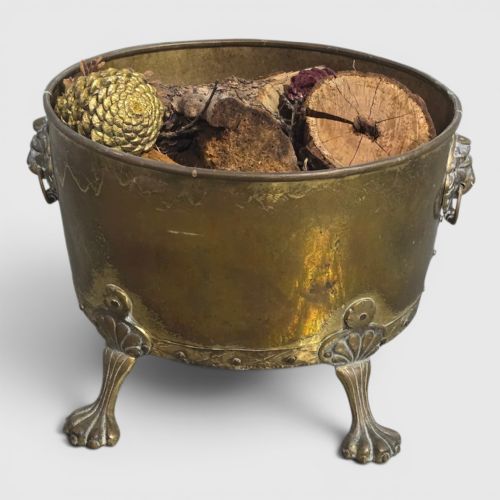
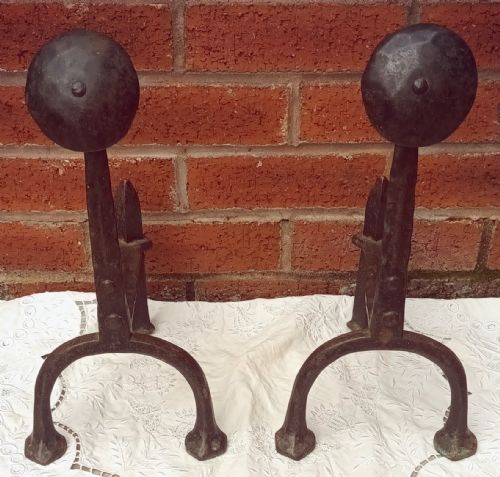
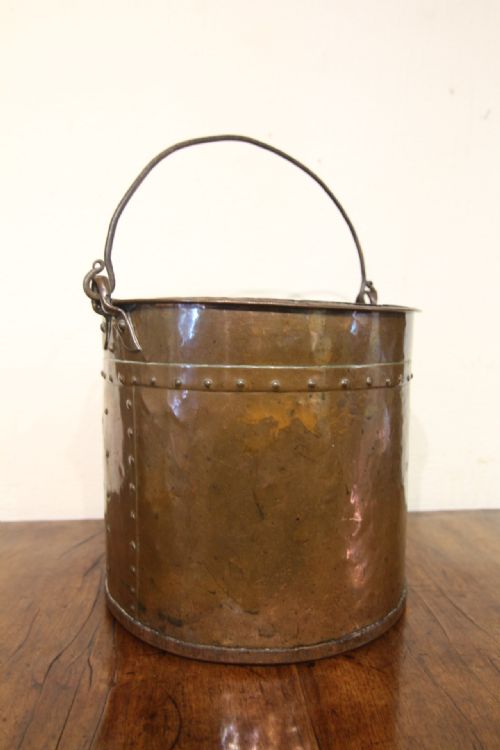
A victorian fireplace log holder encompasses heavy brass and copper coal bins, buckets, and scuttles alongside sturdy wrought iron andirons. These utilitarian objects were designed to transport and store coal or logs safely near the hearth while adding presence to the fireplace.
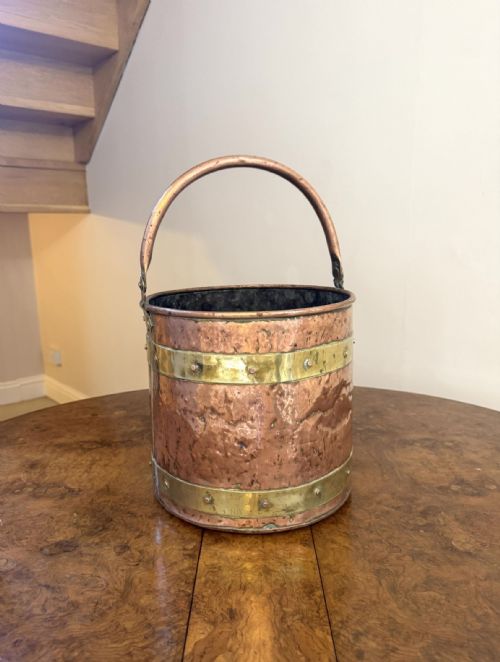
The selections on this page span the nineteenth century through the early twentieth century, taking the form of riveted copper vessels, helmet-shaped scuttles, and coopered oak buckets. Many examples show stylistic influences from the Arts and Crafts movement, Gothic Revival, and rustic farmhouse aesthetics.
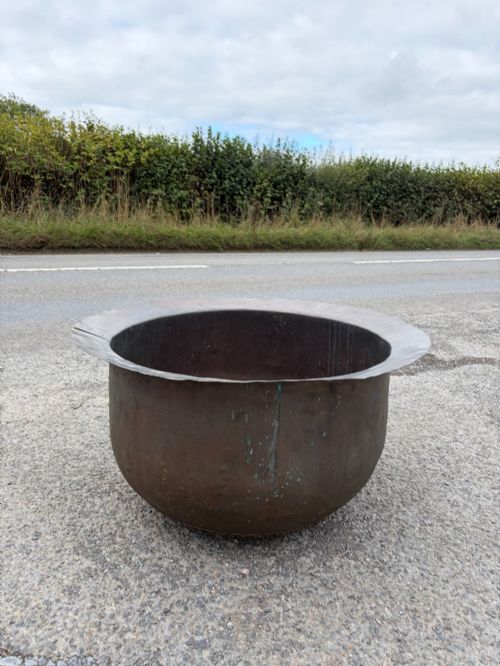
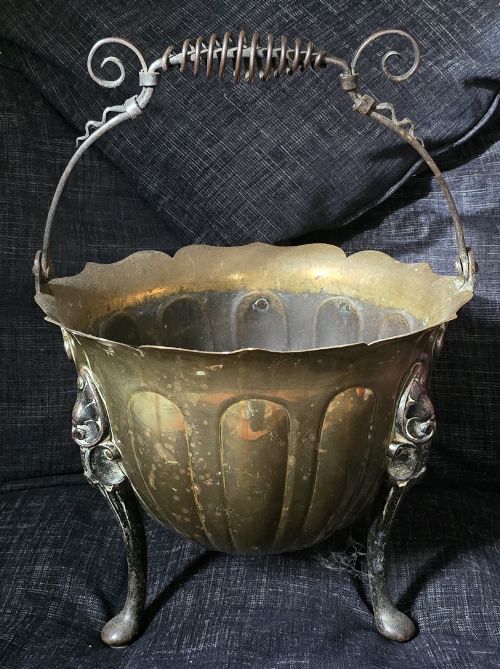
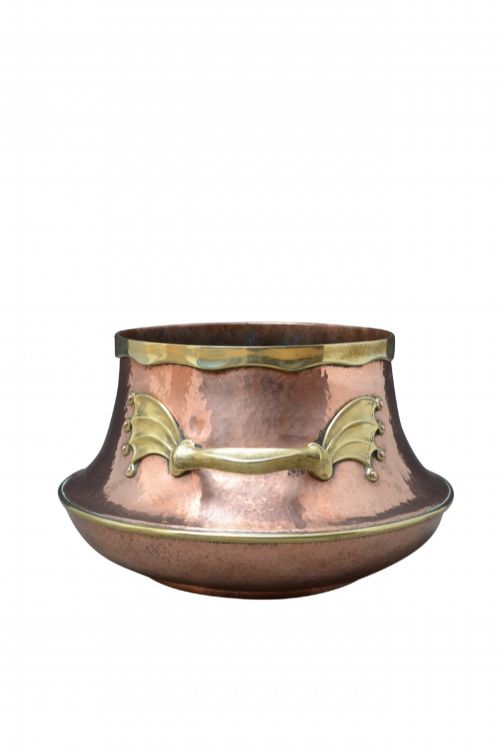
Buyers frequently encounter dual-purpose vessels, such as large planters and jardiniere vessels that share the exact same hammered metal construction and riveted seams as dedicated fuel buckets. These pieces transition easily from fireside duty to domestic decoration.
Materials and Construction
Makers utilised heavy gauge sheet copper and brass, joining the metal panels with visible rivets to ensure the walls could withstand the weight of dense logs and coal. Wrought iron and cast iron provide the structural strength for fire dogs and andirons.
Woodworking techniques appear in coopered oak and mahogany buckets, which use tight stave construction secured with metal bands. Hand finishing, embossing, and hammering create the distinctive textures found across brass bodies and copper bands.
Victorian Fireplace Log Holder Retail Price Guide 2026
Typical asking prices for victorian fireplace log holder among the pieces listed under this phrase on Sellingantiques today, from the lower quarter to the upper quarter. They describe what is for sale here now, not the wider market.
The current listings feature robust combinations of brass, copper, and wrought iron across nineteenth-century coal buckets and andirons.
Evaluating Quality
Quality rests in the thickness of the metal gauge and the integrity of the riveted seams. Substantial weight and solid brass handles or swing bails indicate a piece built for heavy domestic service rather than light decorative display.
Refinement in surface decoration distinguishes the work. Hand-hammering, crisp embossing, and well-fitted copper bands show careful workshop production, while simpler cast forms rely purely on mass and utility.
Henry Loveridge·Petrus Ramus·William Soutter & Sons
The Victorian Fireplace Log Holder Glossary
- Andirons
- Iron supports placed on the hearth to hold logs above the floor for better airflow. They often feature decorative brass or iron terminals.
- Coopered
- Wood construction made from curved staves bound together by metal hoops, similar to barrel-making. This technique creates water-tight or fuel-tight wooden buckets.
- Jardiniere
- An ornamental pot or stand for plants and flowers. Many large Victorian brass and copper examples of these serve double duty as log bins.
- Scuttle
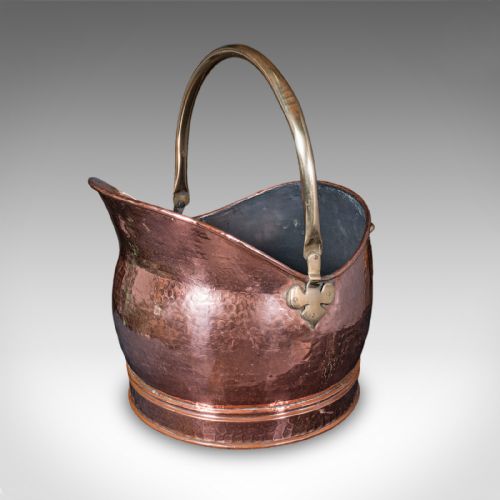
- A metal bucket with a hinged handle and a sloping lip designed for carrying coal to a fireplace. Helmet scuttles take their name from their distinctive pointed shape.
- Riveted
- Joined together by metal pins hammered flat to secure overlapping plates. This technique creates strong, industrial seams on copper and brass vessels.
Victorian Fireplace Log Holder: Frequently Asked Questions
How do I clean a copper log bin?
Wash the surface gently with warm soapy water and a soft cloth to remove accumulated dust and soot. Avoid harsh abrasive cleaners that strip away the aged patina.
Dry the metal thoroughly with a soft towel to prevent water spotting. Many collectors prefer to leave the natural oxidation untouched rather than polishing the metal to a bright shine.
Were these containers meant for coal or wood?
Victorian fireside containers served multiple fuel types depending on the household heating needs. Smaller helmet scuttles typically held coal for parlour grates.
Larger cylindrical bins and riveted buckets accommodated heavier logs for open fireplaces. Many vessels transitioned between fuel storage and general domestic utility over time.
Can I use these antiques by a modern fireplace?
These robust metal and timber containers function effectively beside contemporary hearths for holding logs. Their solid construction handles the weight of firewood without difficulty.
Ensure that damp wood is not left inside unlined metal bins for extended periods to prevent interior corrosion. Placing a protective liner inside older wooden buckets helps preserve the staves.
What is the difference between a coal scuttle and a log bin?
Coal scuttles feature a specific pouring lip and a movable handle designed to tip small fuel cleanly into a grate. They often take a helmet shape for controlled dispensing.
Log bins are generally straight-sided cylindrical vessels built to hold larger pieces of firewood upright. They rely on open tops for easy loading and retrieval of logs.