





Victorian Filigree Jewellery
Victorian filigree jewellery brings together delicate wirework and rich stones, offering intricate detail that collectors prize for its skilled craftsmanship.
Victorian Filigree Jewellery
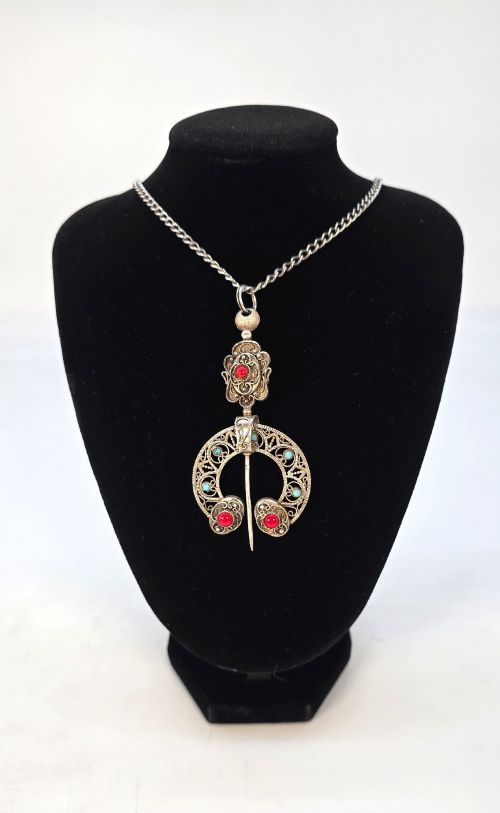
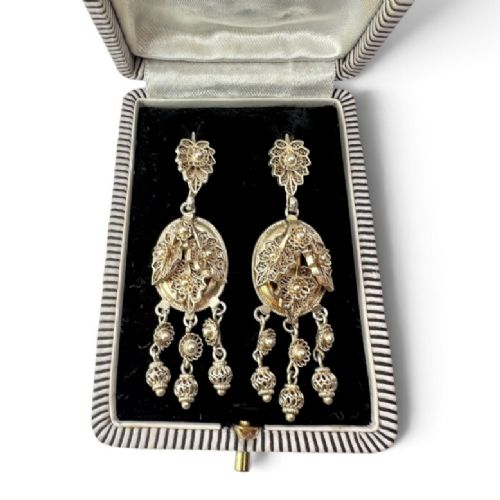
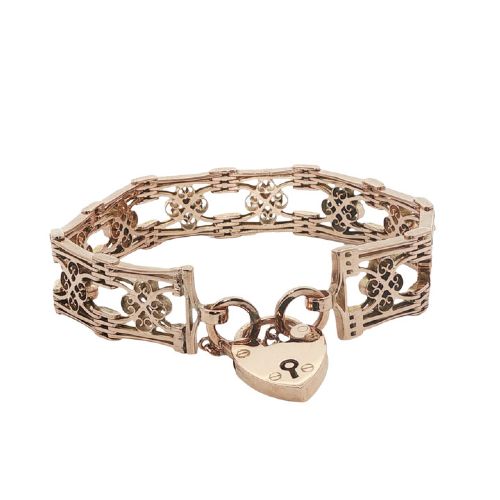
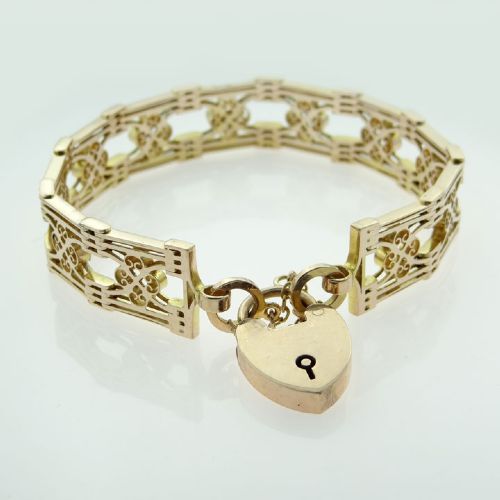
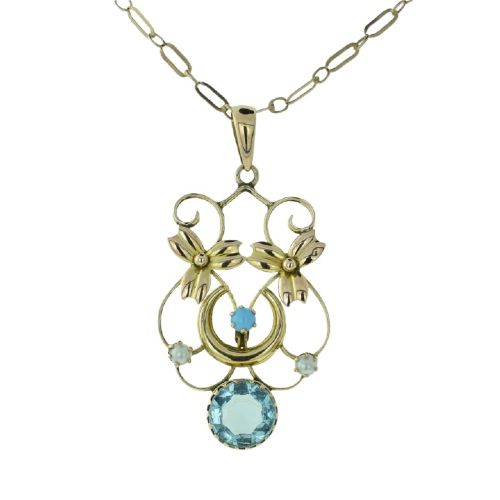
The pieces on this page lean heavily toward nineteenth-century origins, featuring silver and gold constructions adorned with stones like pearl, coral, amethyst, and diamond. Buyers encounter various stylistic revivals, including Ottoman and Aesthetic interpretations alongside standard Victorian forms.
Common survival forms include lockets, drop earrings, and detailed brooches that display the period's fascination with delicate metalwork. Each surviving example demonstrates the high standard of manual wire manipulation practiced by period artisans.
Materials and construction methods
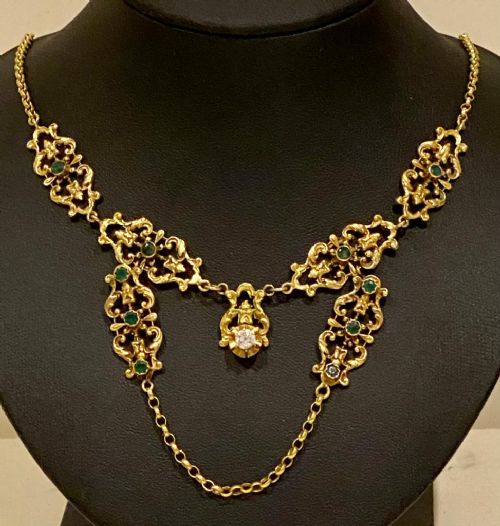
Craftsmen built these pieces using fine silver and various karats of yellow and rose gold, drawing metal into thin wires for manipulation. They shaped these wires into scrolls and openwork motifs, often soldering them onto solid metal backings or frames.
Makers integrated natural gemstones such as coral, pearls, turquoise, and amethysts directly into the wire settings, securing them with bezels or prongs. The combination of delicate metal twisting and substantial stone setting defined the structural integrity of the work.
Victorian Filigree Jewellery Retail Price Guide 2026
Typical asking prices for victorian filigree jewellery among the pieces listed under this phrase on Sellingantiques today, from the lower quarter to the upper quarter. They describe what is for sale here now, not the wider market.
Listings feature yellow gold, silver, and 9ct gold alongside stones like coral, amethyst, and pearl across nineteenth-century periods.
Evaluating the craftsmanship
Quality rests on the tightness and precision of the soldered wirework, where finer, more uniform scrolling indicates superior skill. Pieces that maintain structural rigidity without relying on excessive solder show a higher level of workshop mastery.
The selection and setting of the stones further distinguish the pieces, with well-matched natural pearls, clean amethysts, and properly cut diamonds elevating the overall standard. The harmony between the delicate wire frame and the mounted gemstones marks the distinction between standard production and exceptional work.
The Victorian Filigree Jewellery Glossary
- Filigree
- Fine metal wire twisted and soldered into openwork patterns. This technique creates lace-like metal designs common in period brooches and pendants.
- Locket
- A hinged pendant designed to hold a small portrait or lock of hair. These pieces often feature glazed compartments and intricate exterior wirework.
- Cameo
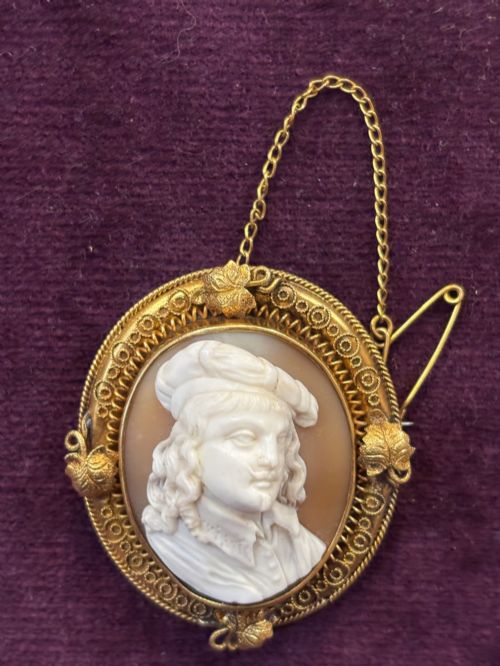
- A gemstone or shell carved in relief to display a raised design. Victorian examples frequently feature coral or banded agate set within gold frames.
- Grand Tour
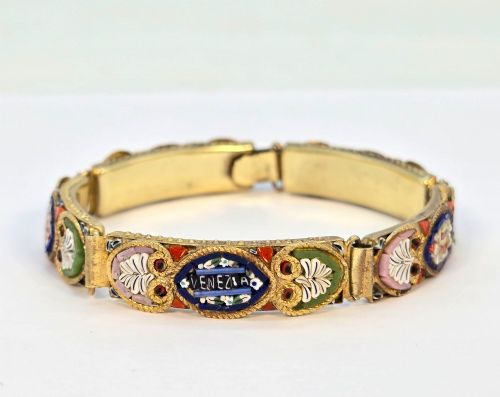
- Cultural travel popular in the nineteenth century that brought Italian micro mosaics and souvenirs to British collectors. These souvenirs were often mounted in local metalwork settings.
- Bezel
- A collar of metal pushed or hammered over the edge of a gemstone to hold it securely in place. This method avoids the use of prongs in delicate settings.
Victorian Filigree Jewellery: Frequently Asked Questions
How do I care for filigree jewellery?
Clean these delicate items gently with a soft brush and mild soapy water, avoiding harsh chemical dips that can damage soft stones like pearls and coral.
Store each piece separately in a lined box to prevent the fine metal wires from catching on other items.
Were these pieces worn daily?
Victorian owners wore these items frequently for social calls, evening events, and formal occasions, adapting them to the strict fashion codes of the nineteenth century.
Specific forms like mourning lockets and memorial brooches held deep personal significance and remained close to the wearer.
How can I tell the period?
Examine the metal purity marks, clasp types, and overall construction methods, noting that nineteenth-century work often uses hand-twisted wire and closed-back stone settings.
Stylistic cues such as Aesthetic movement motifs or Ottoman revival patterns help narrow down the decade of production.
What is a locket used for?
Lockets served as personal keepsakes designed to house miniatures, painted portraits, or locks of hair from loved ones.
They functioned both as decorative accessories and as sentimental memorials worn openly on chains or pinned to garments.