



Victorian Figural Art
Victorian figural art brings human form and narrative into the nineteenth-century interior through paintings, bronzes, and carvings.
Victorian Figural Art
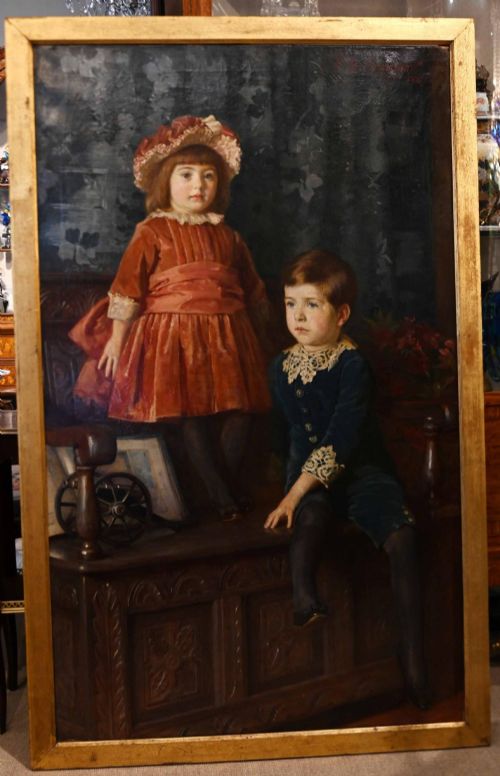
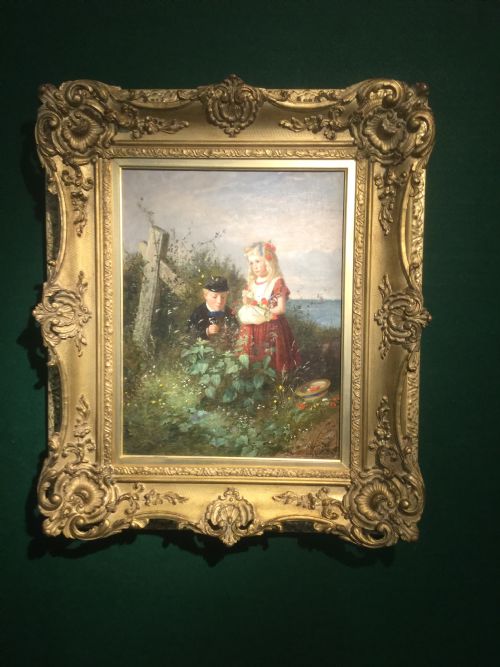
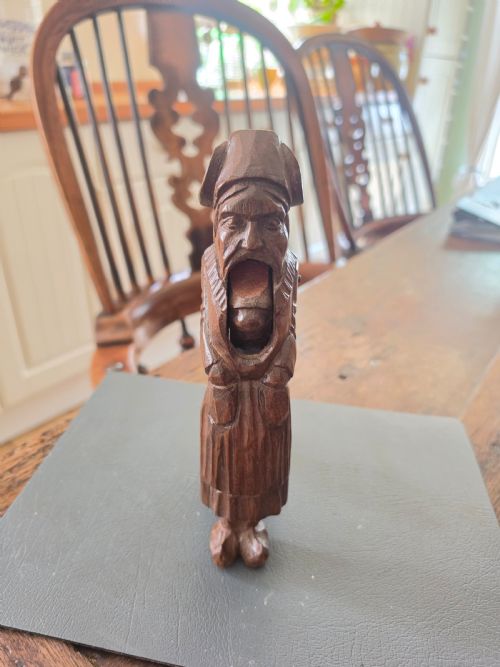
Victorian figural art encompasses a wide range of depictions of the human figure, from oil paintings and watercolours to bronze sculptures, carved wood nutcrackers, and embroidered tapestries.
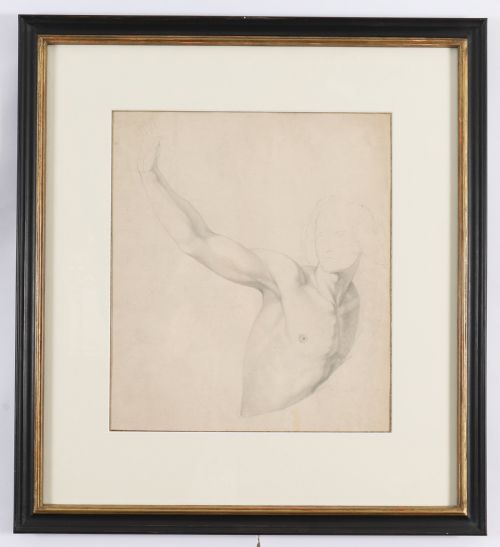
You will most commonly encounter oil paintings on canvas and panel alongside detailed watercolour portraits and classical bronze figures across this selection.
The pieces draw from diverse stylistic influences including Pre-Raphaelite, Art Nouveau, and Swiss folk carving traditions.
Materials and Construction
Painters utilised oil and watercolour on canvas, paper, and panel, while sculptors worked in bronze, spelter, and carved woods such as walnut, oak, and linden.
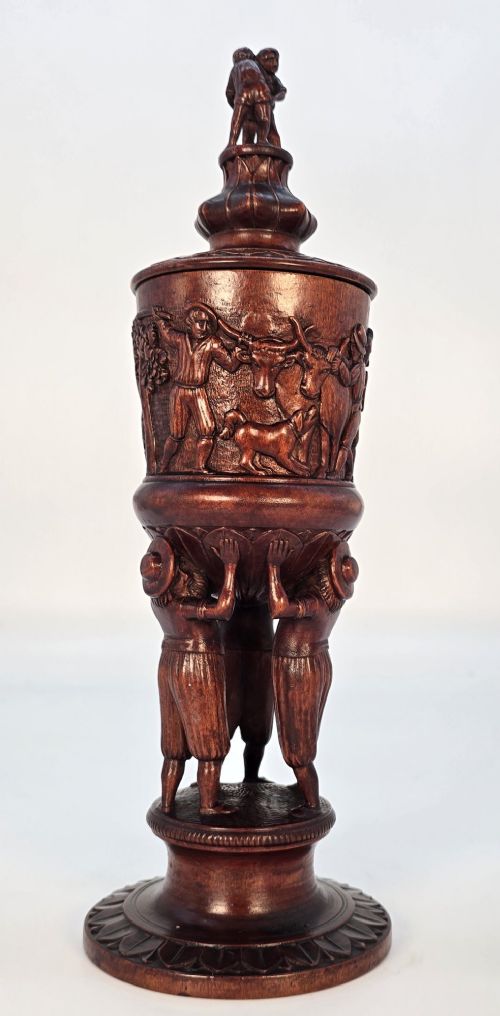
Carved pieces rely on skilled hand-chiselling in regional workshops, notably Swiss Brienz and Black Forest traditions, while bronzes utilise traditional casting methods.
Victorian Figural Art Retail Price Guide 2026
Typical asking prices for victorian figural art among the pieces listed under this phrase on Sellingantiques today, from the lower quarter to the upper quarter. They describe what is for sale here now, not the wider market.
Listings feature materials spanning bronze, oil on canvas, carved walnut, needlepoint tapestry, and cast iron.
Factors of Quality
Quality rests upon the precision of the draughtsmanship in painted works and the crispness of detail in cast bronzes and carved wooden figures.
The sophistication of the composition and the expressiveness of the human subject separate standard decorative workshop output from superior artistic execution.
FS Beaumont·Charles Hunt·Philip Richard Morris·John Robert Dicksee·Vincenzo Irolli·James Hardy Junior·Bergen and Co·Madeline Hughes·John R Houston·Royal Dux Bohemia·Carl Kauba·Charles Edward Wilson·Adrien Gaudez·Emile Victor Blavier·Lavergne·Walter Dendy Sadler·Geisler Munchen
The Victorian Figural Art Glossary
- Spelter
- A zinc alloy commonly utilised as a less expensive alternative to bronze for nineteenth-century decorative figures and lamp bases. It takes patination well to simulate heavier metals.
- Treen
- Small handmade wooden household objects and utensils. In figural art, this includes carved nutcrackers and decorative vessels.
- Gros-point
- A type of needlepoint stitch used in tapestries. It produces a durable canvas work suitable for detailed figurative wool pictures.
- Panel
- A rigid flat support for oil painting, typically wood. Artists frequently used panels before canvas became standard.
Victorian Figural Art: Frequently Asked Questions
What is Victorian figural art?
Victorian figural art refers to paintings, sculptures, and decorative items from the nineteenth century that focus on human subjects. These range from academic oil portraits to folk art wood carvings.
The category highlights the era's fascination with narrative, character, and human form across various mediums.
How do I display these pieces?
Paintings and tapestries suit traditional wall hanging, while bronzes and carved wooden figures look best on sturdy sideboards, desks, or mantelpieces.
Ensure metal and wooden sculptures avoid direct sunlight to preserve their patination and finish.
What materials were used?
Artisans worked in oil, watercolour, and wool tapestry for two-dimensional works. Sculptures and decorative objects utilised bronze, spelter, walnut, oak, and linden wood.
Each material reflects the functional and aesthetic demands of nineteenth-century craftsmanship.
How do I tell periods apart?
Stylistic markers such as Pre-Raphaelite detail, Art Nouveau curves, or heavy Victorian academic realism help date individual pieces. Materials and framing techniques also offer clues to the decade of creation.
Signatures, dates inscribed on paintings, and workshop stamps on bronzes provide the most reliable chronological evidence.