
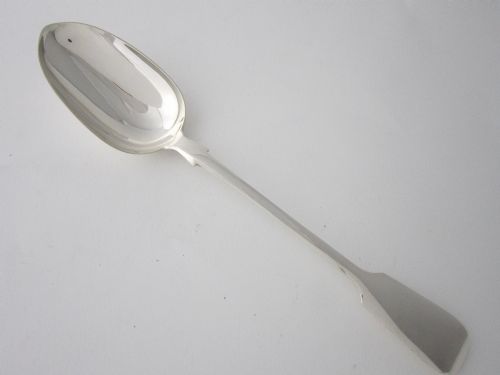
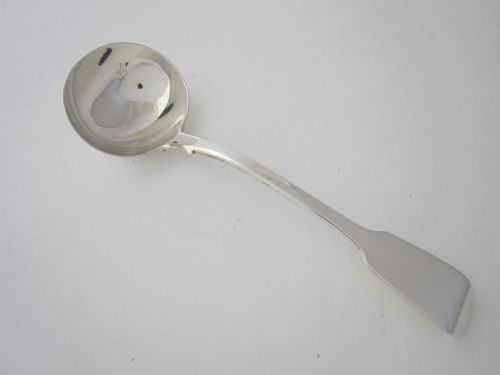
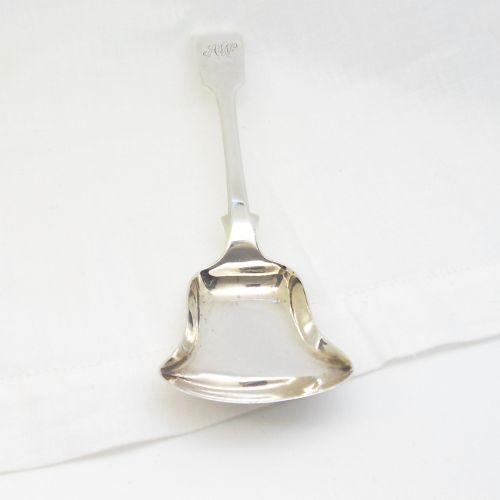
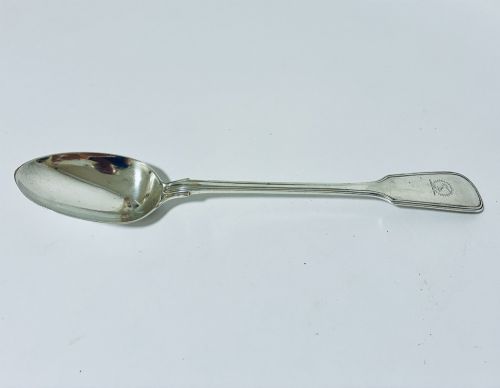



Victorian Fiddle Pattern Flatware
Victorian fiddle pattern flatware brings unmistakable nineteenth-century weight and charm to the table, offering durable sterling silver service shaped with the distinctive shoulder notch.
Victorian Fiddle Pattern Flatware
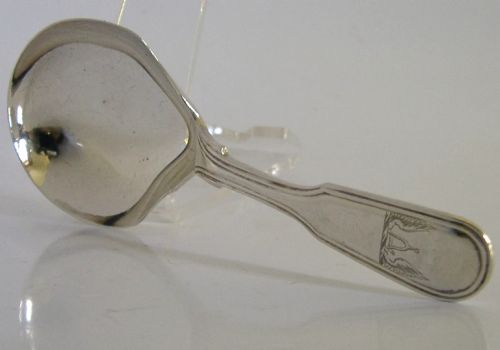
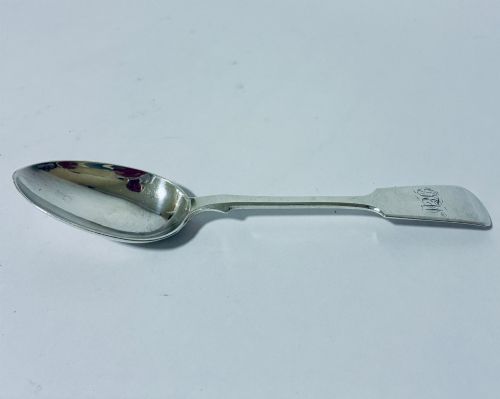
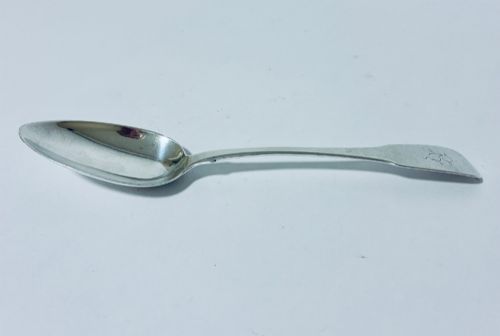
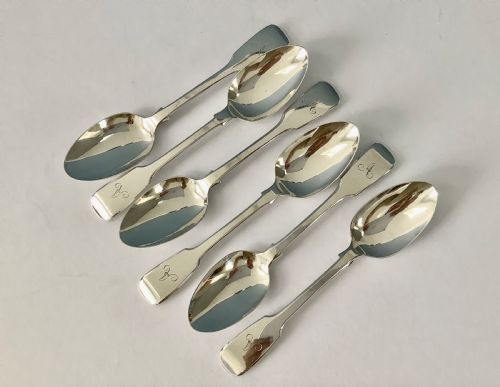
When you search for victorian fiddle pattern flatware, you are looking at nineteenth-century sterling silver service pieces defined by the characteristic pinched shoulder just above the stem. The pieces available here span canteens, individual teaspoons, serving spoons, basting spoons, sauce ladles, cream ladles, sugar shovels, and fish slices.
Most examples date firmly to the Victorian period, with specific dates reaching from the eighteen-forties to the eighteen-sixties, alongside a few Georgian and nineteenth-century provincial items. These items appear both as matched sets for multiple persons and as individual serving implements gathered from various English assay offices.
How they were made
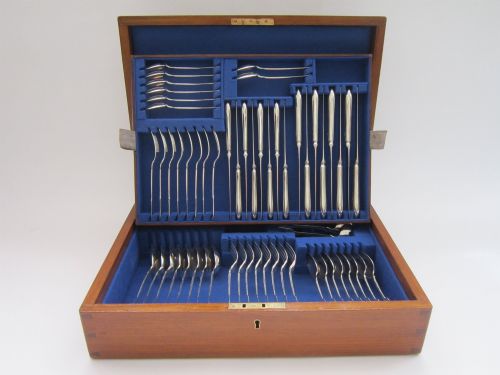
The pieces are fashioned from solid sterling silver, shaped through traditional silversmithing techniques and struck with provincial or london hallmarks. Certain canteen sets also incorporate fitted wooden boxes or cases lined with velvet to house the cutlery.
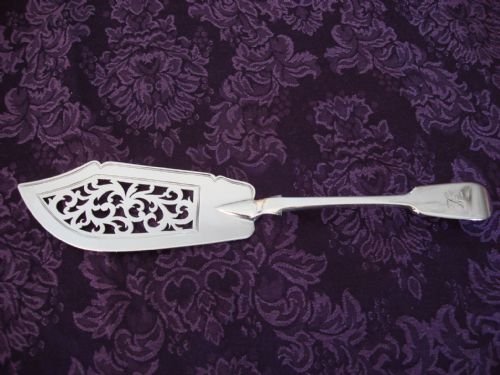
Specialised items such as fish slices feature pierced blades alongside the standard fiddle handle, while smaller items like sugar shovels and teaspoons demonstrate the same consistent attention to form and metal thickness.
Listings span the Victorian period and the nineteenth century, with specific dates noted from eighteen-forty-one to eighteen-sixty-nine.
What varies in quality
Quality rests upon the crispness of the fiddle shoulder profile and the preservation of the original maker marks and town hallmarks against decades of polishing. Complete canteens for multiple persons differ from individual teaspoons and single serving spoons in their scarcity and utility.
The distinction also lies in the provenance, where items assayed in provincial centres like Exeter or Newcastle carry particular appeal for collectors compared to standard metropolitan output.
John Walton·George Adams
The Victorian Fiddle Pattern Flatware Glossary
- Sterling silver
- A silver alloy containing ninety-two point five percent silver by mass and seven point five percent other metals, usually copper. It provides the durable material standard for these dining implements.
- Hallmark
- An official stamp applied to precious metals indicating the standard of purity, the assay office, and the year of manufacture. Provincial offices like Exeter and Newcastle added specific regional identity to the silver.
- Basting spoon
- A large serving spoon designed for moistening roasting meat with juices during cooking. In fiddle pattern sets, these represent the grander end of serving utensils.
- Fish slice
- A wide, often pierced flatware implement used for serving fish dishes at the table. These incorporate the fiddle handle design adapted for a larger, flat blade.
Victorian Fiddle Pattern Flatware: Frequently Asked Questions
What is fiddle pattern flatware?
Fiddle pattern flatware is a nineteenth-century cutlery design distinguished by its shaped stem and the characteristic shoulder notch near the bowl. It became a staple of Victorian dining tables.
The style appears across various items, from small teaspoons to large serving spoons and fish slices, all sharing this uniform handle silhouette.
How do I date these pieces?
Dating relies primarily on the stamped hallmarks found on the reverse of the silver stems, which record the assay office and active year cycles. Maker marks and regional town marks provide further chronological context.
The listings here predominantly reflect the Victorian era, spanning the mid-nineteenth century alongside a small number of Georgian items.
Are these pieces sterling silver?
The flatware listed under this search comprises solid sterling silver pieces produced by nineteenth-century silversmiths. They carry the requisite hallmarks to verify their metal standard.
Associated housing, such as canteens, incorporates materials like wood, oak, velvet, and brass for storage and presentation.
What items are included in a canteen?
A canteen provides a matched collection of cutlery designed to serve a set number of persons for dining. These comprehensive sets group standard flatware together in a dedicated wooden box.
Individual serving pieces like basting spoons, sauce ladles, and fish slices are typically found outside these boxed sets.
Where were these pieces made?
The items originate from various English workshops and assay offices active during the nineteenth century. Major centres like london are represented alongside collectable provincial offices.
Provincial assay offices such as Exeter and Newcastle stamped distinct regional marks onto the silver alongside the maker initials.