

Victorian Extension Table
A victorian extension table offers generous proportions and mechanical ingenuity for modern dining, built to adapt seamlessly from family meals to large gatherings.
Victorian Extension Table
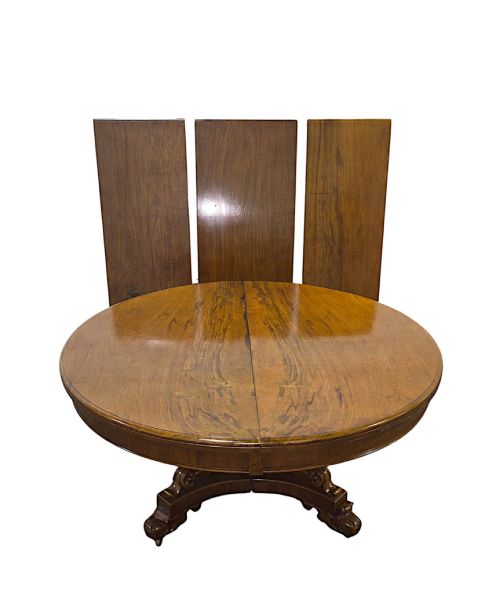
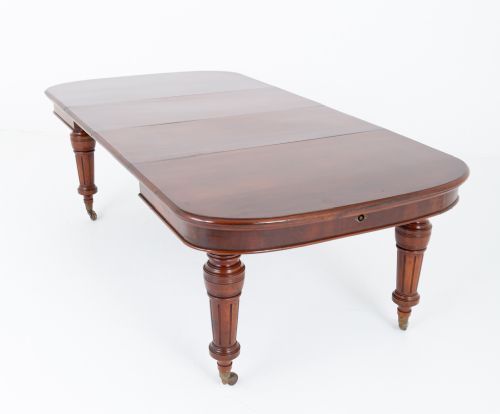
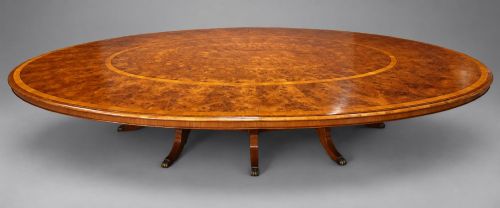
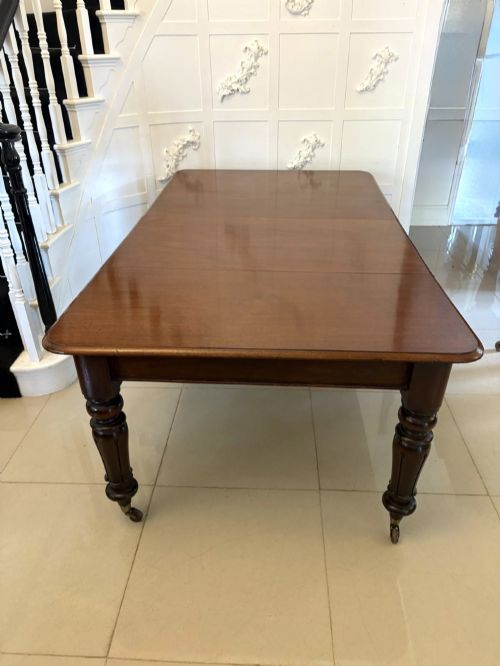
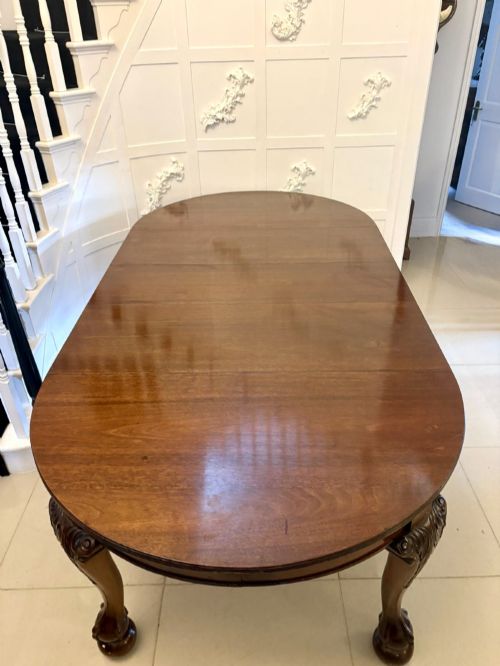
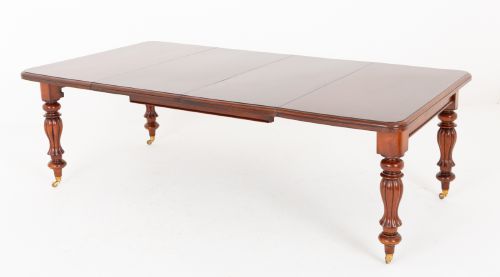
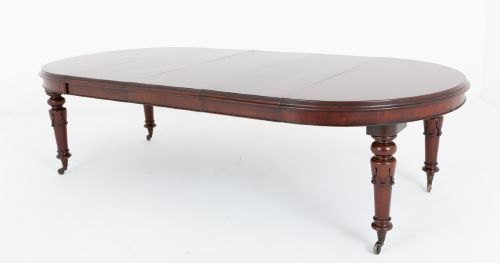
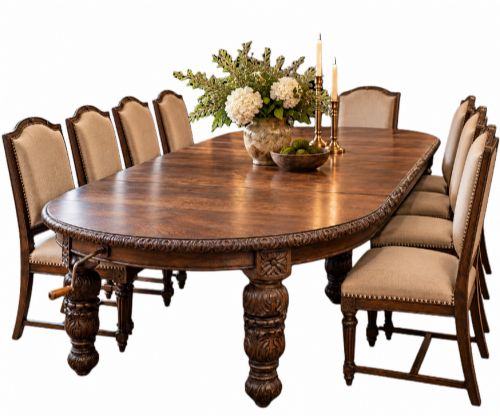
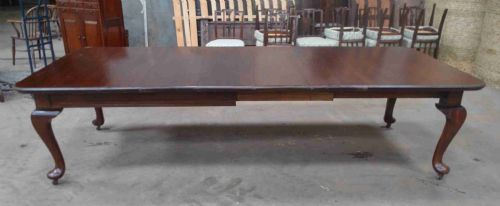
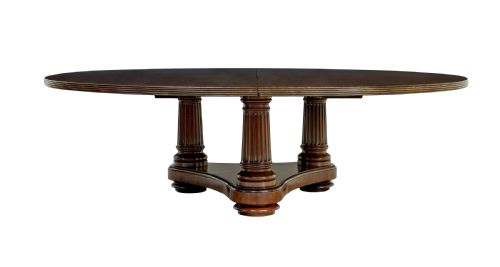
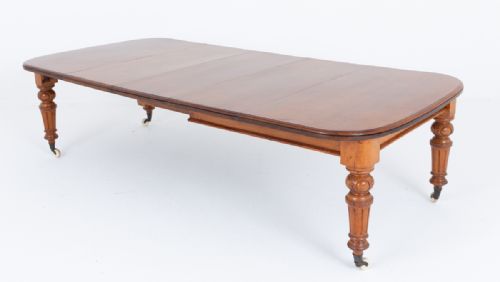
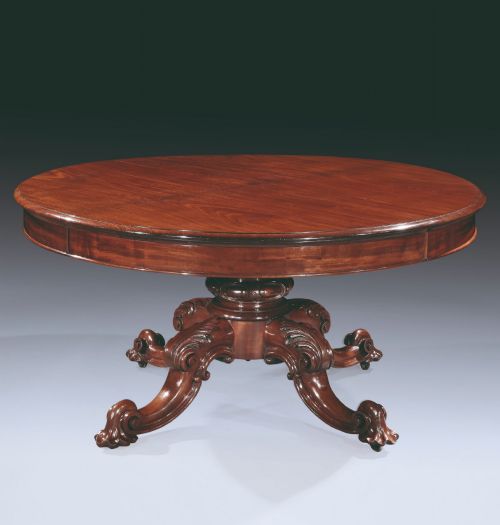
A victorian extension table is a dining piece designed to expand using internal leaves and mechanical systems, most frequently found in mahogany across nineteenth century examples. These tables range from circular formats to massive multi-leaf dining formats capable of seating ten or more guests.
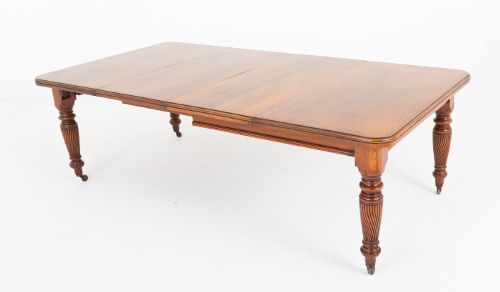
The pieces on this page span the mid to late nineteenth century, encompassing styles such as Victorian, Regency, and William IV alongside regional variations. Mahogany remains the dominant timber, though oak, walnut, and pine also appear in specific rustic or Gothic interpretations.
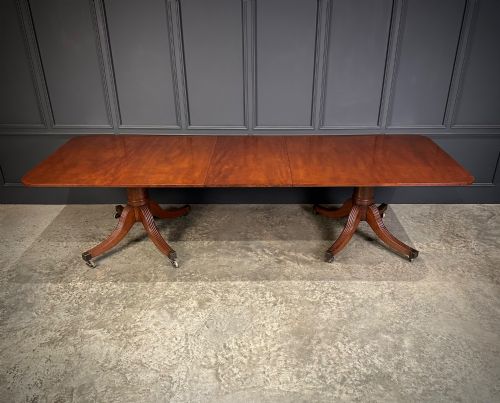
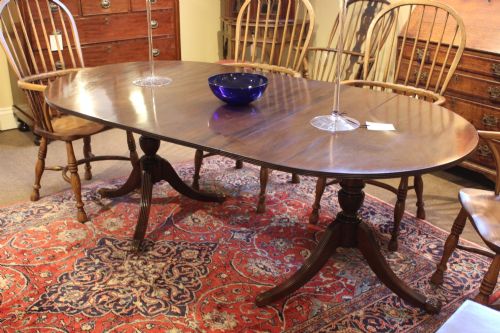
Buyers will encounter twin pillar formats, split base constructions, and wind-out variants that reflect the period's demand for adaptable domestic dining furniture. The physical evidence shows structures built for daily utility as well as grand entertaining.
Materials and Technique
Makers relied heavily on solid and veneered mahogany, supported by secondary timbers like oak and pine for internal framing and structural stability. Selected pieces incorporate brass fittings, ceramic castors, and iron mechanisms to facilitate smooth operation when expanding the table.
The mechanical ingenuity of the period is demonstrated through wind-out systems operated by a detachable handle, which parted the table halves to receive additional leaves. Carved bases, pillar supports, and drop-leaf mechanisms further illustrate the range of joinery techniques employed by period cabinet makers.
Victorian Extension Table Retail Price Guide 2026
Typical asking prices for victorian extension table among the pieces listed under this phrase on Sellingantiques today, from the lower quarter to the upper quarter. They describe what is for sale here now, not the wider market.
Some tables stretch long enough to host a small village feast, needing a trusty crank handle just to reach the salt.
Distinctions in Execution
Quality in a victorian extension table rests upon the precision of the extension mechanism and the matching of the timber across added leaves. Tables retaining their original winding mechanism and a full complement of matching leaves demonstrate superior historical integrity.
The execution of the base carving, the stability of the pillar supports, and the selection of figured mahogany distinguish standard production from exceptional examples. Fine tables maintain smooth alignment along the runner tracks when fully extended, ensuring structural rigidity.
The Victorian Extension Table Glossary
- Wind-out mechanism
- An internal screw mechanism operated with a handle that parts the table sections to insert leaves. This system defined nineteenth century extendable dining furniture.
- Leaf
- A removable section of timber inserted into the extended table to increase its overall length. Sets often include multiple original leaves.
- Pillar and scroll
- A support structure featuring a central column rising from a platform base with carved scroll feet. This form provides substantial weight distribution for large tops.
- Pollard oak
- Oak timber showing distinctive cluster growth patterns that create a mottled decorative grain. It appears on select nineteenth century dining furniture.
- Pembroke table
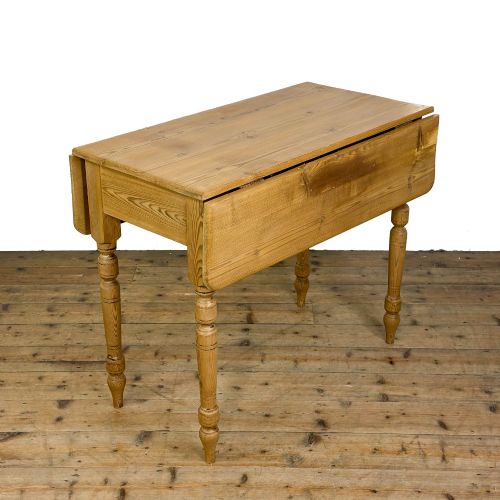
- A small table with hinged drop leaves on two opposing sides supported by folding brackets. These versatile pieces served various domestic functions.
Victorian Extension Table: Frequently Asked Questions
How do wind-out extension tables operate?
Wind-out tables use an internal metal screw mechanism connected to a winding handle. Turning the handle rotates the screw to draw the table halves apart or together.
This movement exposes the central framework where matching timber leaves are dropped into place to extend the surface area.
How many leaves can these tables hold?
The listings show tables accommodating between two and five original leaves, depending on the scale of the dining surface. Grand examples extend to seat ten, fourteen, or even twenty-four guests.
Each leaf is custom-fitted to the individual table to ensure the grain and colour match when fully assembled.
What timber was most commonly used?
Mahogany is the primary timber seen across nineteenth century dining tables, valued for its durability and rich dark grain. Oak and walnut also appear frequently, alongside occasional pine in rustic or kitchen formats.
Timber choice often dictated the formal style, from grand Victorian dining rooms to country houses.
Are these tables suitable for daily use?
These pieces were built for heavy domestic service and remain robust enough for daily family dining. Their extending mechanisms allow the table to shrink for everyday meals and expand for hosting.
Careful handling of the timber leaves and occasional lubrication of the metal runners preserves their function.